Attractions and Places To See around La Salvetat-Sur-Agout - Top 20
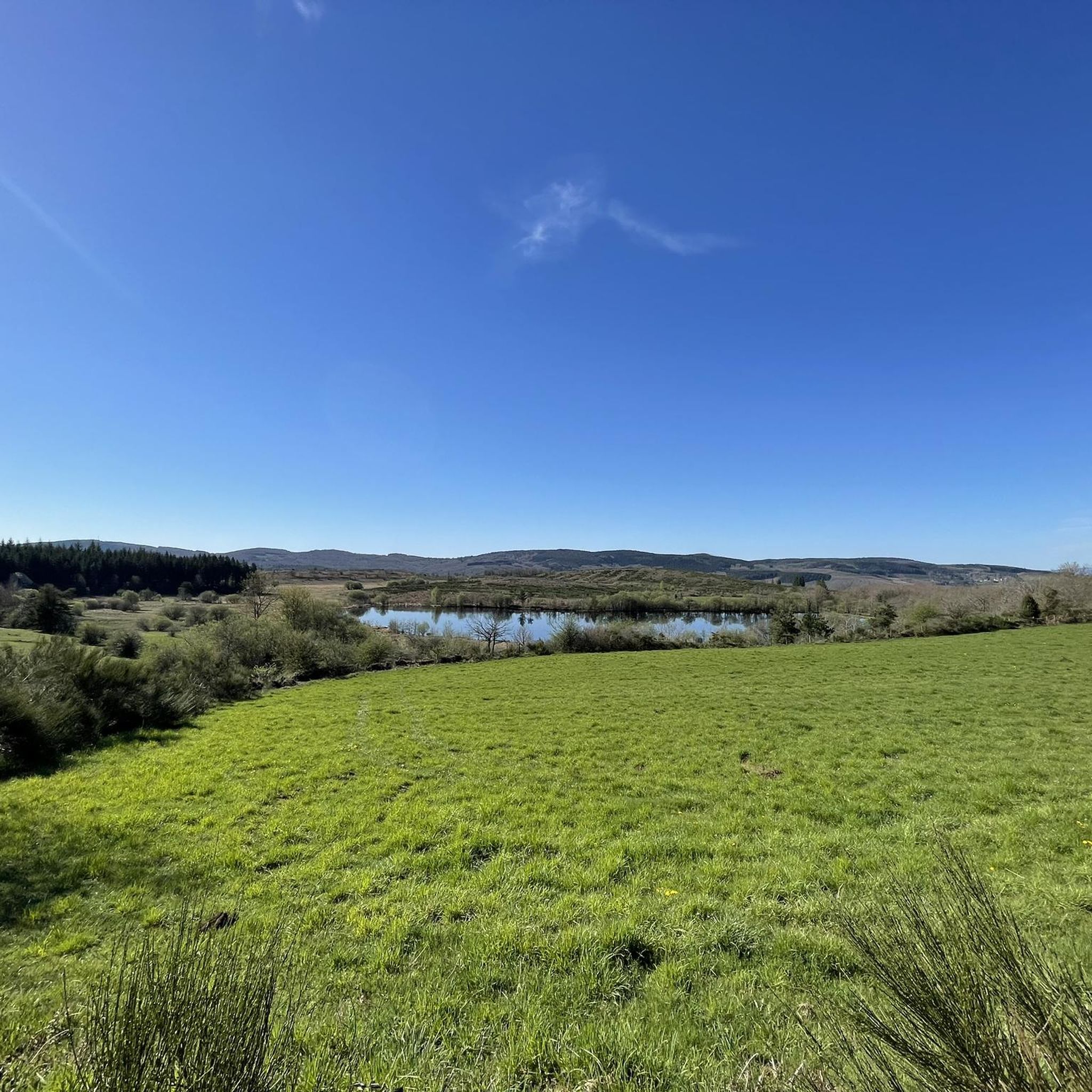
Best attractions and places to see around La Salvetat-Sur-Agout include a medieval village set within the Haut-Languedoc Regional Natural Park. This area is characterized by its lush forests, mid-mountain landscapes, and the significant Lake Raviège, known for its clear waters. The village itself features distinctive slate-clad houses and historical remnants, reflecting its past as a fortified settlement. Visitors can explore a mix of historical landmarks, natural features, and cultural sites.
Best attractions and places to see around La Salvetat-Sur-Agout
- The…
Last updated: August 30, 2026
Riols
Highlight • Settlement
Translated by Google •
Tip by

Slate-Clad Houses of La Salvetat-sur-Agout
Highlight • Historical Site
Translated by Google •
Tip by

Sign up now to discover places like this
Get recommendations on the best single tracks, peaks, & plenty of other exciting outdoor places.
Sign up for free
Saint-Pons-de-Thomières
Highlight • Other
Translated by Google •
Tip by

Vésoles Waterfall
Highlight (Segment) • Waterfall
Translated by Google •
Tip by

La Caminade Church
Highlight • Other
Showing Translation
Tip by

Sign up for free to discover even more attractions around La Salvetat-Sur-Agout.
Sign up for free
Already have an account?
Start today with a free account
Your next adventure awaits.
Login or Signup
Tips from the Community

The former Saint-Pons Cathedral It is difficult to understand Saint-Pons-de-Thomières without stopping here. The building is the former abbey church of a Benedictine monastery founded in 936, around which the town developed. In 1318, the abbey became the seat of a new bishopric: the church then took on the status of a cathedral, which it retained until the Revolution. The Romanesque building, most of which dates back to the second half of the 12th century, still bears the traces of this turbulent history. Fortified in the Middle Ages, the cathedral was heavily damaged in 1567 during the Wars of Religion. Then, in the 18th century, its appearance was profoundly transformed: in 1716, the orientation of the choir was reversed and a new classical facade was built to the east. The medieval remains are particularly remarkable: the two crenellated towers on the north facade recall the defensive character of the building, while the former west facade preserves precious Romanesque reliefs depicting, in particular, the Last Supper, the Washing of the Feet, the Ascension and the Crucifixion. Inside, there are also marble decorations, choir stalls and an organ dating from 1772.
1
0
The church of Saint-Sébastien de La Caminade is one of the last vestiges of the ancient heart of Prémian. Under the patronage of Saint Sebastian, it is mentioned as early as 940, when it was given to the abbey of Saint-Pons-de-Thomières. The place of worship is therefore much older than the building visible today. The Wars of Religion profoundly disrupted the site: in 1567, after the passage of Protestant troops, the church was described as "looted and razed". The current building was then rebuilt for the most part at the beginning of the 17th century. Its single nave has five bays and ends in a short choir bay and a three-sided apse. But the interest of the place also lies in its surroundings. With the old presbytery and the old town hall-school, the church forms one of the last preserved ensembles of La Caminade, the historic heart of Prémian. This name itself is attested as early as 1116 and derives from the Occitan caminada, which could designate a presbytery or a rectory.
1
0
Located in the Jaur valley, in the heart of the Hauts cantons of the Hérault, Riols is a vast rural village typical of the Haut-Languedoc. The village is intimately linked to the history of the abbey of Saint-Pons-de-Thomières, founded in the 10th century, on which it long depended. From the Middle Ages onwards, Riols was part of a network of monastic possessions. Even today, the old center retains its valley setting, crossed by the Jaur, around which the main routes and activities developed. The Pont-Vieux and several structures on the river bear witness to this close relationship between the village and its watercourse.
1
0

The village of Riols, a small industrial center specializing in draperies and woolens in the 19th century, is located on the "Passa Païs" greenway. Points of interest include the Banasse bridge over the Jaur river, the Church of Saint Peter and Paul, and its main thoroughfare, Rue Basse.
1
0

The town of Riols is located between Saint Pons de Thomières and Olargues, on the Passa Païs greenway. On either side of the Jaur valley, from Lake Vesoles to the former 19th-century Ardouane Abbey, this very large town has many hiking trails leading to the Monts du Somail. The magnificent Banasse bridge over the Jaur, as well as the Saint-Pierre-et-Paul church and the layout of Rue Basse, the main artery, bear witness to the prosperity of the textile industry, particularly drapery, from the 16th century. From the village, a small road leads to the Cabarétou pass, a real challenge for sporty cyclists. The Passa Païs Greenway invites fans of gentle journeys to daydream... The Notre-Dame-de-Trédos chapel, as emblematic as it is majestic, is worth the hike or bike ride leading to its doors. Our tips for starting your bike, walking, trail rides... in Riols: - The Place du Foirail car park is ideal if you are using your vehicle to get to the start. It is located on the right bank of the Jaur, south of the village. - Riols is served by LIO / Hérault Transport bus lines 682 and 685: https://plan.lio-occitanie.fr/fr/horaires/Riols/arret/RIOLS%20-%20CENTRE/LIO:1002511 - During the summer, from the beginning of July to the end of September, between Saint Pons de Thomières and Bédarieux, the buses on line 682 are equipped with racks allowing the transport of 6 bikes. A telephone reservation service is set up (09 72 57 44 45). A little bit of history: The history of Riols is linked to that of Saint-Pons-de-Thomières: in 936, the founding act of the abbey mentions the donation made to the monastery by Raymond Pons, Count of Toulouse, of the lands of Tarbouriech, Coumayres, Condades, Cassillac and Rieulets. In 940, the Archbishop of Narbonne gave the churches of Saint-Pierre-de-Riols and Notre-Dame-de-Tredos to the Abbot of Saint-Pons. In 1318, when the diocese of Saint-Pons was created, the Abbot became bishop and the monks formed the chapter of the cathedral. The income of the abbey was then separated: in Riols, the chapter retained the seigneurial rights over the lands of Garrigues, while the bishop retained the rest of the seigneury. During the Revolution, the rare possessions of the clergy and emigrants were sold. In the 19th century, Riols, with more than 2,000 inhabitants, became a small industrial center, with more than a dozen clothiers and wool mills.
1
0

great hike in all seasons, the colors change, short, sporty but magnificent, lots of flowers in spring on the route and near the lake, good hike, be careful!
0
0

Quite spectacular site, especially in spring when the river is at its maximum.
0
0

Salvetat is not only sparkling water, one of the best-selling in France, owned by the Danone group, and whose source is located in the town. But it is also an old mountain village which was first established in the 12th century on a rocky peak surrounded by a meander of the Agout in order to ensure the safety of its inhabitants. The small city then developed little by little over the centuries, taking on the face we know today. The old village is characterized by mountain architecture and its houses protected from rain and humid winds by slate shingles covering entire sections of walls. These protections from bad weather by vertical tiles are designated by the term “essentes” which are small planks of slate or chestnut cut, arranged and fixed to the walls or beams in order to protect a facade against the flow of water. Houses in the Middle Ages were thus quite often covered with essentes, and sometimes these essentes were painted or cut in such a way as to allow certain geometric combinations. There are many examples in the town of Salvetat-sur-Agout. Although this makes the village look a bit dull and austere, it also gives it personality and rustic charm. The village was also part of the association “Les Plus Beaux Villages de France”, but it is no longer labeled to this day.
0
2
Frequently Asked Questions
What natural attractions can I explore around La Salvetat-sur-Agout?
The region is rich in natural beauty, being located within the Haut-Languedoc Regional Natural Park. A major highlight is Lake Raviège, offering fine sandy beaches and clear waters for swimming, pedal boating, canoeing, and fishing. You can also visit the scenic Vésoles Waterfall, especially spectacular in spring. The Agout and Vèbre rivers, known for their fish-rich waters, also flow through the area.
What historical sites should I visit in La Salvetat-sur-Agout?
The village itself is a historical gem, with its medieval origins and distinctive Slate-Clad Houses. Other notable historical sites include the Romanesque Chapelle Saint-Étienne de Cavall (Notre-Dame d'Entraygues) with its mysterious Black Madonna, the ancient bridge over the Vèbre, and the 17th-century stone cross in front of the old town hall.
Are there family-friendly activities available in La Salvetat-sur-Agout?
Yes, La Salvetat-sur-Agout offers several family-friendly options. The beaches of Lake Raviège, such as Les Bouldouïres and Le Gua de Brasses, are ideal for swimming and various water sports. Exploring the medieval village with its unique architecture can also be an engaging activity for families. The highlight Riols is also listed as family-friendly.
What outdoor activities can I do near these attractions?
The area is perfect for outdoor enthusiasts. You can enjoy hiking and mountain biking on numerous trails within the Haut-Languedoc Regional Natural Park. For specific routes, check out the hiking guide or the cycling guide for La Salvetat-sur-Agout. The Fontfroide Pass is also popular for challenging cycling routes.
Where can I find the best viewpoints in the region?
For stunning vistas, head to the Fontfroide Pass, which offers scenic routes and panoramic views, especially on the descent to the east. Another picturesque spot is the View of the old railway bridge, providing a unique perspective of the viaduct crossing the Jaur gorge amidst a lush green setting. The Vésoles Waterfall also offers a beautiful natural viewpoint.
Are there any cultural events or local markets to experience?
La Salvetat-sur-Agout hosts various cultural and festive events throughout the year, including craft markets, music and poetry festivals, garden festivals, and open-air concerts. You can also discover local producers and their artisanal products, such as regional cheeses and charcuterie, at the markets. The village is also rich in myths and legends, including the story of the Black Virgin and the Drac.
What is the best time of year to visit La Salvetat-sur-Agout for outdoor activities?
Spring is particularly recommended for visiting natural sites like the Vésoles Waterfall, when the river flow is at its maximum and the landscape is vibrant with flowers. Summer is ideal for water activities at Lake Raviège. The autumn months offer beautiful colors for hiking and cycling, as noted by visitors to the Vésoles Waterfall.
How can I access attractions using public transport in the area?
For the highlight Riols, it is served by LIO / Hérault Transport bus lines 682 and 685. During summer, buses on line 682 are equipped with racks for transporting up to 6 bikes, with a reservation service available. For other attractions, it's advisable to check local transport options or consider driving, as the region is best explored by car or bike.
What makes the architecture of La Salvetat-sur-Agout unique?
The village is characterized by its distinctive mountain architecture, particularly the Slate-Clad Houses. These houses have entire sections of walls covered with slate shingles, known as “essentes,” which protect them from rain and humid winds. This gives the village a unique, rustic charm and reflects its historical adaptation to the local climate.
Are there any specific cycling routes or passes in the area?
Cyclists can enjoy the Fontfroide Pass, known for its 'Alpine character' and challenging inclines with light traffic. The Passa Païs greenway, which passes through Riols, offers a gentler journey for cycling enthusiasts. You can find more detailed routes in the road cycling guide for the region.
What do visitors enjoy most about the attractions around La Salvetat-sur-Agout?
Visitors frequently praise the spectacular natural sites, especially the Vésoles Waterfall, noting its beauty in spring. The challenging yet rewarding cycling routes, such as those around Fontfroide Pass, are also highly appreciated. The unique blend of historical architecture, like the Slate-Clad Houses, and the lush natural settings provide a diverse and engaging experience.
Most popular routes around La Salvetat-Sur-Agout
Most popular attractions around La Salvetat-Sur-Agout

Get inspired with the komoot mobile app


Explore more
Still not found the Highlight you’re looking for? See guides of the top attractions in other regions:
