Attractions and Places To See around Corpe - Top 9
Attractions and places to see around Corpe, a commune in the Vendée department of France, offer a mix of historical sites and natural landscapes. While Corpe itself is a small rural locality, the surrounding area provides various points of interest within a reasonable distance. The region is characterized by its historical significance and natural beauty, making it suitable for exploration of religious buildings, serene lakes, and charming village centers.
Best attractions and places to see around Corpe
- The most popular attractions is Charming town center, a picturesque village that is a perfect place for a break and refreshments. It offers several restaurants and a café, making it suitable for breaks.
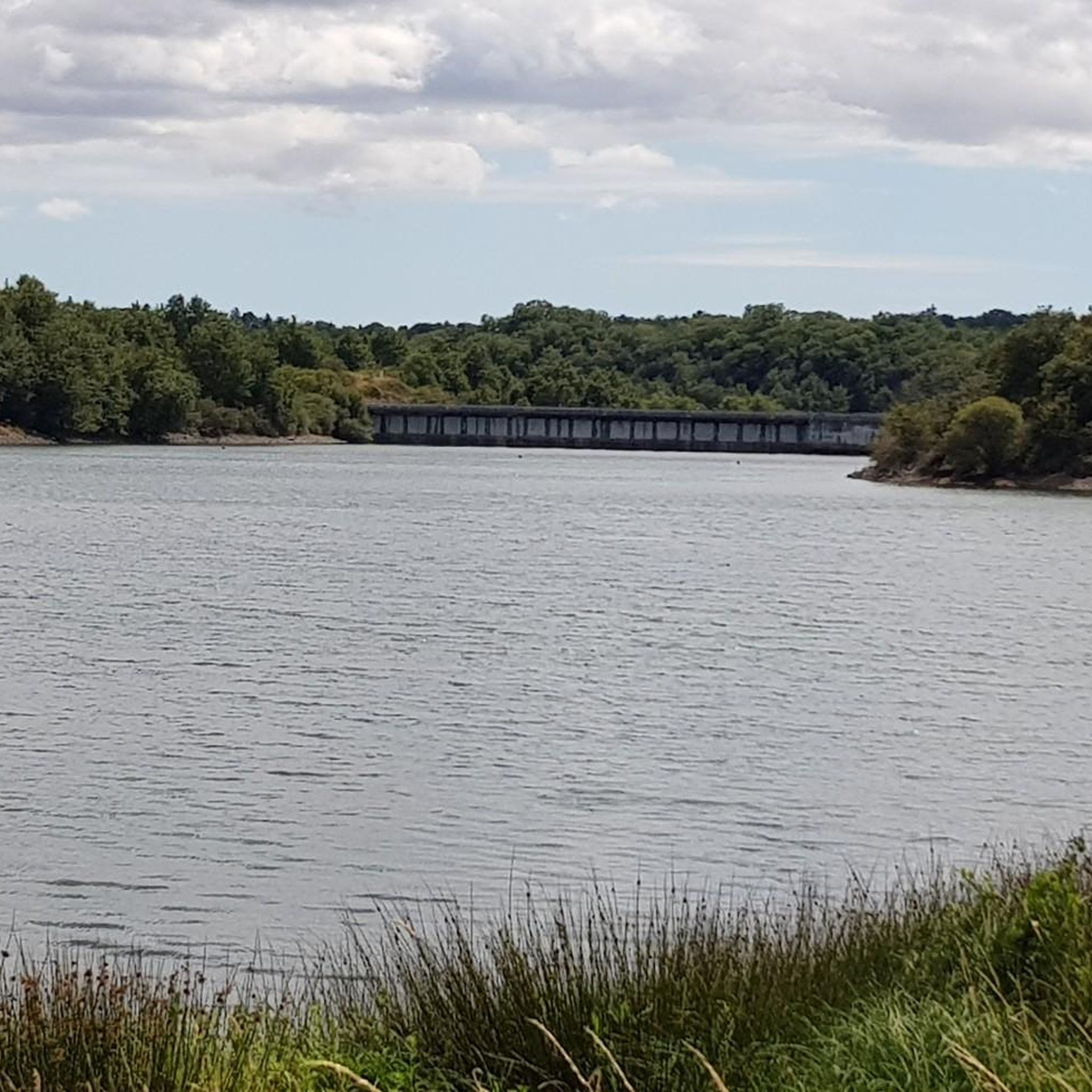
- Another must-see spot is Saint-Sauveur Church of Mareuil-sur-Lay, a religious building. This historic church is located in Mareuil-sur-Lay, a site known for its former port activity and proximity to the Mareuil vineyard.
- Visitors also love Marillet Lake, a lake. This natural site features developed trails and diverse flora, offering a melodious atmosphere in spring.
- Corpe is known for historic sites, natural landscapes, and cultural experiences. Visitors can explore religious buildings, serene lakes, and charming village centers.
- The attractions around Corpe are appreciated by the komoot community, with 18 upvotes and 3 photos shared.
Last updated: June 29, 2026
Saint-Sauveur Church of Mareuil-sur-Lay
Highlight • Religious Site
The town is also at the heart of the Mareuil vineyard, which is the largest and one of the most famous in Vendée. Located on the slopes of the Lay and Yon rivers, it extends over an area of 300 hectares divided between 10 municipalities. Annual production is approximately 17,000 hl.
Translated by Google •
Tip by

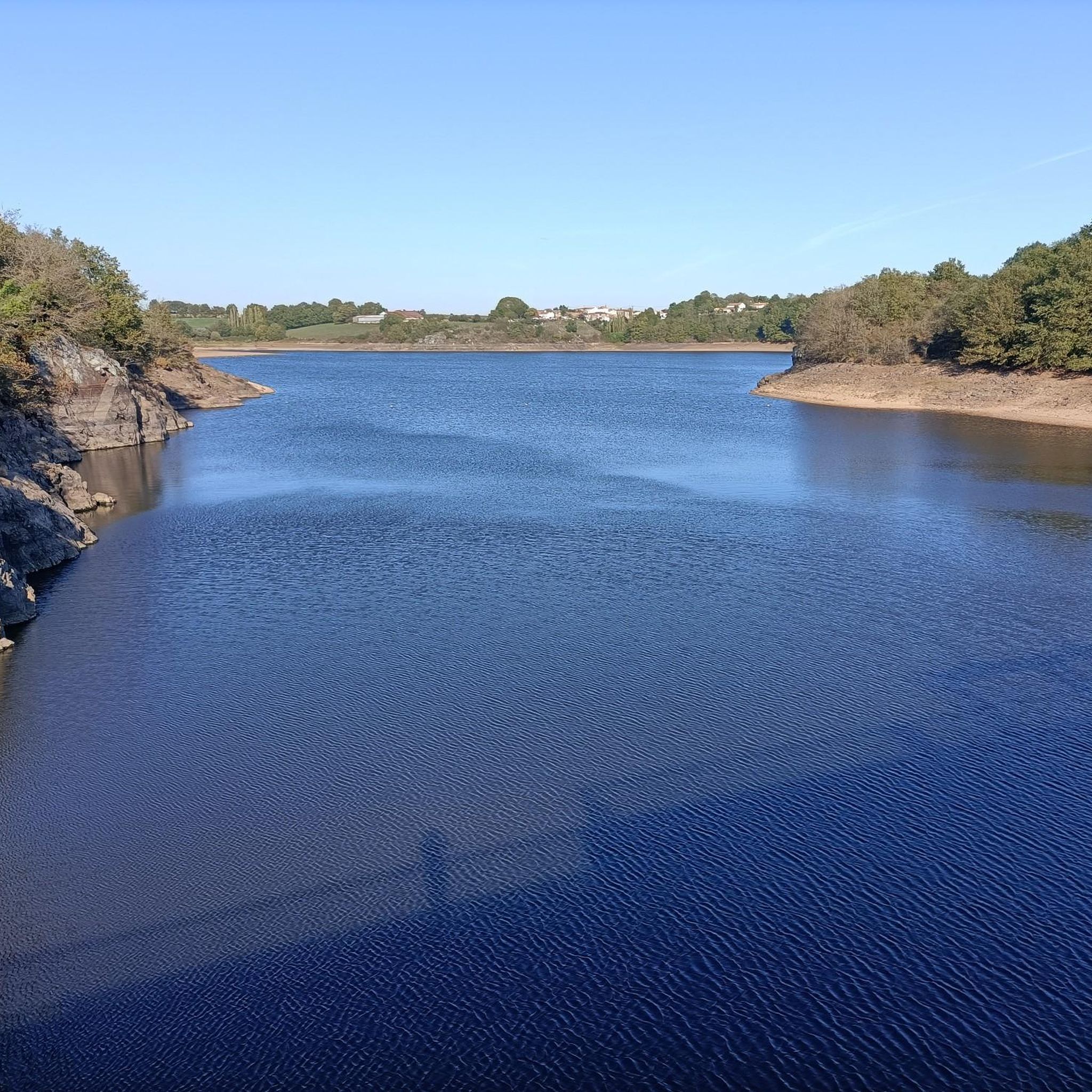
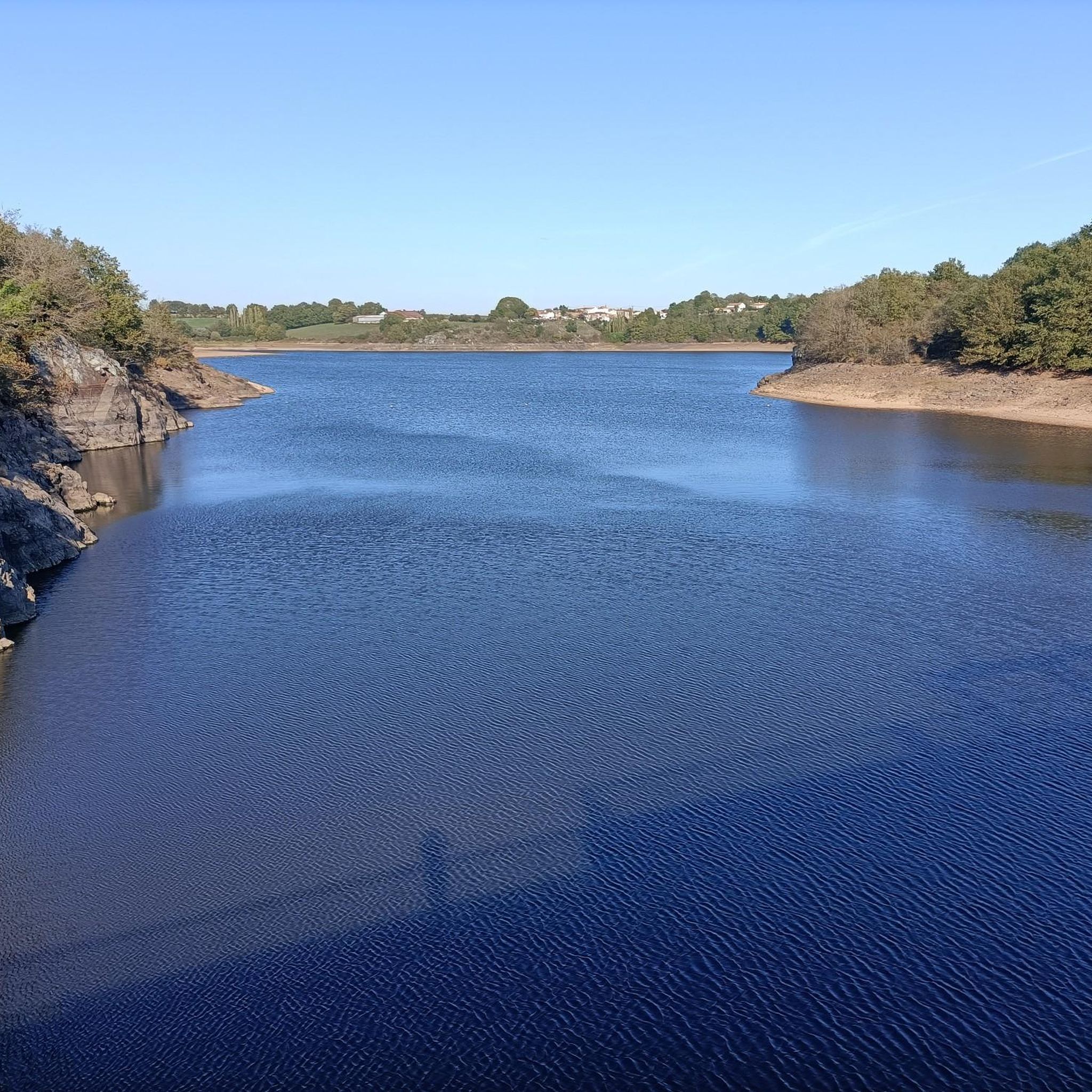
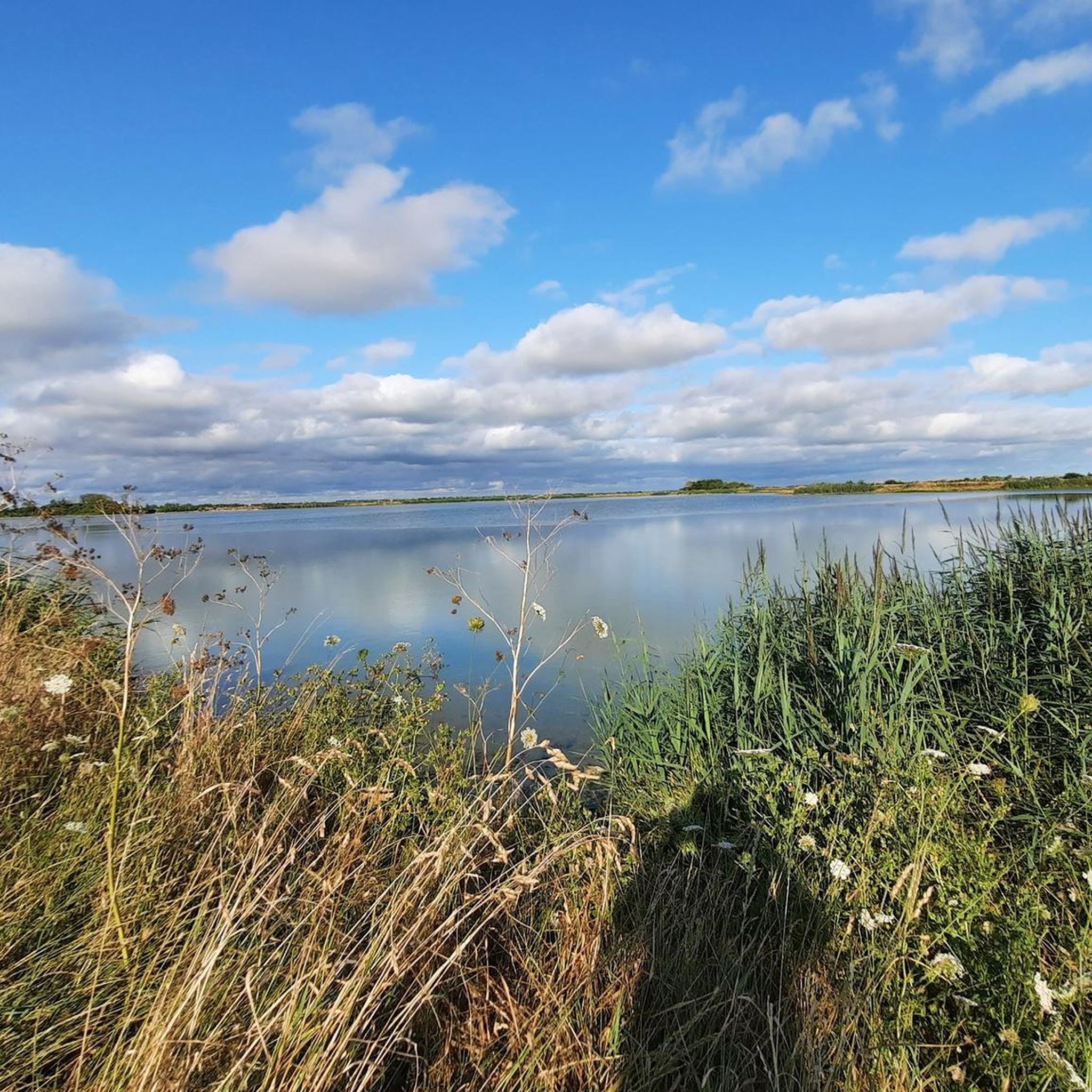
Marillet Lake
Highlight • Lake
The hillsides, made up of meadows and heaths, are very dry. The particularly poor subsoil explains the presence of flora with almost Mediterranean aspects.
The songs of the European oriole and the common nightingale give this site a particularly melodious atmosphere in spring, while the kingfisher traces a shimmering blue arc above the body of water. The wings of the numerous dragonflies are so many sparkling points on the lake like those of the imposing brown orthetrum or the nimble dryad.
Walkers and fishermen find their favorite terrain here. Classified as a green route, departmental 60 offers beautiful views of the southernmost part of the lake between Château-Guibert and Mareuil-sur-Lay.
Swimming is prohibited there.
(Info South Vendée Coast Tourism)
Translated by Google •
Tip by

Sign up now to discover places like this
Get recommendations on the best single tracks, peaks, & plenty of other exciting outdoor places.
Sign up for free
Luçon Cathedral
Highlight • Other
But Luzon is best known for its religious status. From the 7th century, the foundation of a monastery which was destroyed by the Viking invasions made it the spiritual center of Bas-Poitou and the town became the seat of the bishopric in the 14th century.
In 1608, a certain Armand Jean du Plessis was appointed Bishop of Luçon. Noting the sad state of the city ravaged during the Wars of Religion, he described the region as "the ugliest bishopric in France, the dirtiest and most disagreeable" (especially in order to justify his request for subsidies from the ecclesiastical authorities). endeavored from then on to reorganize the diocese which he left in 1623 to put himself at the service of the king, after a long ascent to the throne.This bishop of Luçon, with remarkable intellectual qualities, ended up becoming the principal Minister of Louis XIII, and remains known under the name of “Cardinal of Richelieu.” The history of the city remains intrinsically linked to the figure of Richelieu who officiated in this cathedral.
Begun in 1091, the cathedral was initially in the Romanesque style. The portal of the north transept remains from this period. But for the most part, the building (the nave, the choir, the cloister) that we see now was rebuilt several times in the Gothic style. During the wars of religion, the church was repeatedly ransacked. The high openwork neo-Gothic spire is a splendid romantic fantasy according to 19th century taste. It peaks at 85 m and gives the cathedral the silhouette we know today.
The city center of Luçon also offers other historical and religious monuments.
Translated by Google •
Tip by
Charming town center
Highlight • Other
Translated by Google •
Tip by

The Coulon Market Hall
Highlight • Structure
Translated by Google •
Tip by

Sign up for free to discover even more attractions around Corpe.
Sign up for free
Already have an account?
Start today with a free account
Your next adventure awaits.
Login or Signup

Tips from the Community

It is on the outskirts of the village of Château-Guibert that we discover between its different arms, a very beautiful natural site decorated with various developed trails. The hillsides, made up of meadows and heaths, are very dry. The particularly poor subsoil explains the presence of flora with almost Mediterranean aspects. The songs of the European oriole and the common nightingale give this site a particularly melodious atmosphere in spring, while the kingfisher traces a shimmering blue arc above the body of water. The wings of the numerous dragonflies are so many sparkling points on the lake like those of the imposing brown orthetrum or the nimble dryad. Walkers and fishermen find their favorite terrain here. Classified as a green route, departmental 60 offers beautiful views of the southernmost part of the lake between Château-Guibert and Mareuil-sur-Lay. Swimming is prohibited there. (Info South Vendée Coast Tourism)
0
0

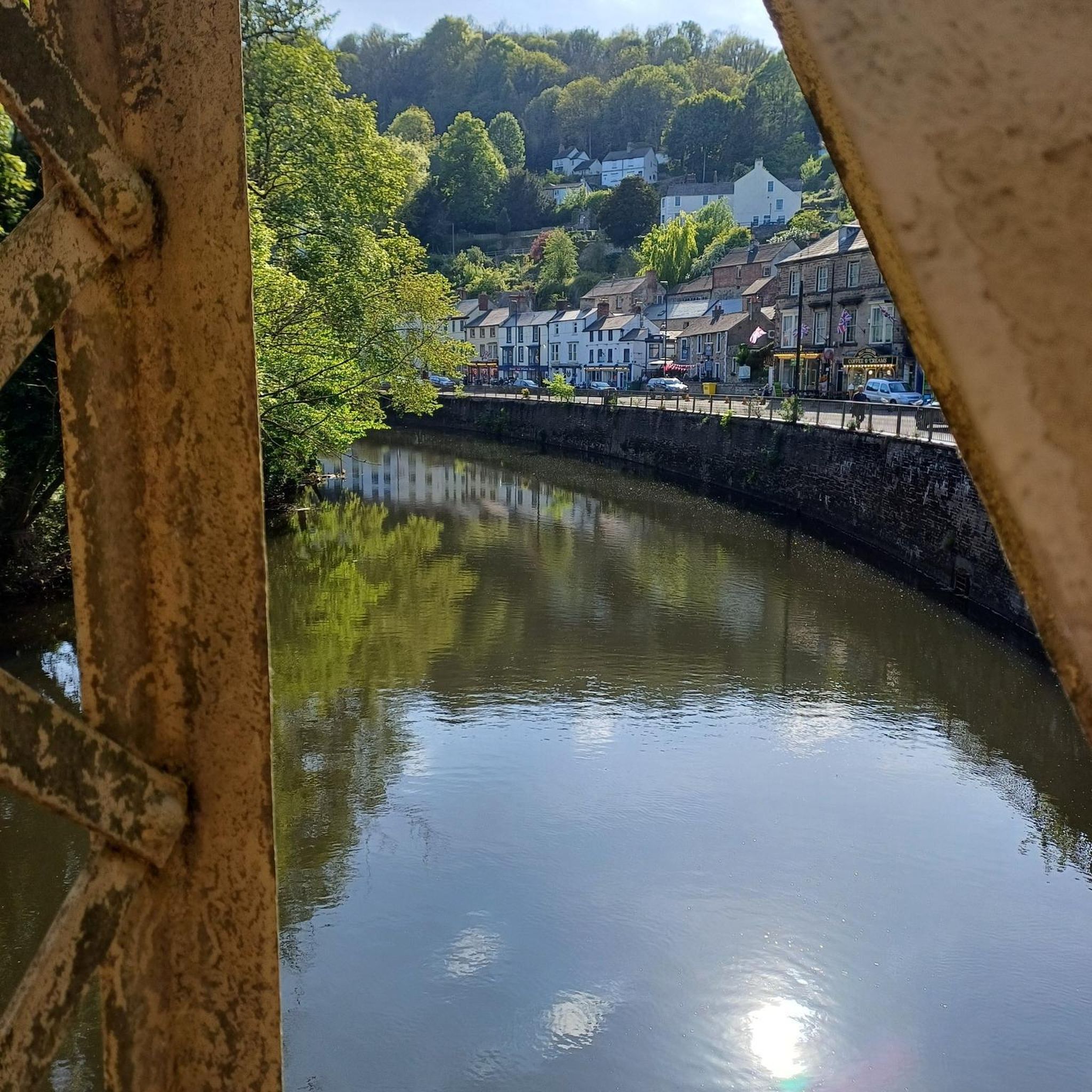
This picturesque village is a perfect place for a break and refreshments. There are several restaurants and a nice café Tea room "Les Rives Enchan'thé just after the bridge. (The café is open every day from 1:30 p.m. to 7 p.m. except Sunday and Monday).
0
0

The market takes place in the hall all year round on Wednesday mornings and Saturday mornings from 7:30 a.m. to 12:30 p.m.
3
0

The origins of the city of Luçon are linked to port activity dating back to the early Middle Ages, when the city was located on the edge of the Gulf of Pictons before the drying up of the Marais Poitevin. Luzon was then a fortified town, whose ramparts, protected by water moats, can be seen in the layout of the streets surrounding the town centre. Throughout the 19th century, the commercial activity of the port of Luçon with northern Europe in particular, which for a time even made it the third largest grain port in France, contributed to the enrichment of the city. This activity stopped in the 20th century with the silting of the canal which connected the city to the coast. But Luzon is best known for its religious status. From the 7th century, the foundation of a monastery which was destroyed by the Viking invasions made it the spiritual center of Bas-Poitou and the town became the seat of the bishopric in the 14th century. In 1608, a certain Armand Jean du Plessis was appointed Bishop of Luçon. Noting the sad state of the city ravaged during the Wars of Religion, he described the region as "the ugliest bishopric in France, the dirtiest and most disagreeable" (especially in order to justify his request for subsidies from the ecclesiastical authorities). endeavored from then on to reorganize the diocese which he left in 1623 to put himself at the service of the king, after a long ascent to the throne.This bishop of Luçon, with remarkable intellectual qualities, ended up becoming the principal Minister of Louis XIII, and remains known under the name of “Cardinal of Richelieu.” The history of the city remains intrinsically linked to the figure of Richelieu who officiated in this cathedral. Begun in 1091, the cathedral was initially in the Romanesque style. The portal of the north transept remains from this period. But for the most part, the building (the nave, the choir, the cloister) that we see now was rebuilt several times in the Gothic style. During the wars of religion, the church was repeatedly ransacked. The high openwork neo-Gothic spire is a splendid romantic fantasy according to 19th century taste. It peaks at 85 m and gives the cathedral the silhouette we know today. The city center of Luçon also offers other historical and religious monuments.
0
0
The site of Mareuil sur Lay corresponds to that of an old city marked by the proximity of the sea. Former port, it welcomed the barges (traditional boats dedicated to the transport of goods) which went up the Lay by transporting in particular salt. Once at the port, the salt was unloaded and transported overland. Under Napoleon 1st, a national road was laid out, leading to the construction of a new stone bridge and Mareuil became an obligatory passage between La Roche sur Yon and La Rochelle. The bridge you cross here dates from this period and offers a beautiful view of the old town of Mareuil. The town is also at the heart of the Mareuil vineyard, which is the largest and one of the most famous in Vendée. Located on the slopes of the Lay and Yon rivers, it extends over an area of 300 hectares divided between 10 municipalities. Annual production is approximately 17,000 hl.
0
0
Frequently Asked Questions
What historical and religious sites can I visit near Corpe?
The region around Corpe is rich in history. You can explore the impressive Luçon Cathedral, located about 6 kilometers away, which showcases Roman, Gothic, and Classical architectural styles. Another significant religious building is the Saint-Sauveur Church of Mareuil-sur-Lay, situated in an area historically known for its port activity and vineyards.
Are there natural attractions or lakes to explore around Corpe?
Yes, nature lovers will enjoy Marillet Lake, a beautiful natural site near Château-Guibert. It features developed trails and diverse flora, creating a melodious atmosphere, especially in spring. While swimming is prohibited, it's perfect for walks and enjoying the serene environment.
What kind of outdoor activities are available near Corpe?
The area around Corpe offers various outdoor activities. You can find numerous routes for mountain biking, cycling, and running. For example, there are several easy to moderate MTB Trails around Corpe, including loops around Lake Le Marillet. Cyclists can explore routes like the "Luçon Canal – Portes du Chapître loop" among other Cycling around Corpe options. Runners have access to Running Trails around Corpe, such as the "Plan d'eau des Guifettes loop from Luçon."
Are there family-friendly places to visit near Corpe?
While Corpe itself is tranquil, the surrounding region offers options for families. Natural sites like Marillet Lake provide developed trails suitable for family walks. The nearby seaside resorts, less than 30 minutes away, also offer family-friendly beaches and activities.
Where can I find local markets near Corpe?
Several nearby towns host vibrant markets. Luçon has markets on Wednesdays and Saturdays, Angles on Wednesdays and Sundays, La Faute-sur-Mer on Thursdays and Sundays, and La Tranche-sur-Mer on Wednesdays and Saturdays. Additionally, the village of Moutiers-les-Mauxfaits, about 18 kilometers from Corpe, is home to a large medieval market hall.
What charming towns or villages are worth visiting in the vicinity?
Beyond Corpe, you'll find picturesque village centers that are perfect for a break. The Charming town center highlight refers to such a place, offering restaurants and cafes. Luçon, with its rich history, and La Roche-sur-Yon, featuring the attractive gardens of Place Napoleon, are also notable towns to explore.
Are there beaches or seaside resorts close to Corpe?
Yes, the beautiful beaches of south Vendée are less than 30 minutes away by car. You can visit seaside resorts such as La Faute-sur-Mer (22 km away), known for its nature reserve, Longeville-sur-Mer (25 km away) with its lively market, and La Tranche-sur-Mer (26 km away), which offers a pleasant promenade.
What is special about Marillet Lake?
Marillet Lake is a very beautiful natural site on the outskirts of Château-Guibert. It features developed trails and diverse flora, creating a melodious atmosphere, especially in spring, with songs of the European oriole and common nightingale. The lake is also home to numerous dragonflies and is appreciated by walkers and fishermen alike.
What is the historical significance of Luçon Cathedral?
Luçon Cathedral is a significant historical and religious monument. Its origins are linked to port activity dating back to the early Middle Ages, and it became the seat of the bishopric in the 14th century. Notably, Cardinal Richelieu, principal Minister of Louis XIII, served as Bishop of Luçon in the early 17th century, leaving a lasting mark on the city's history. The cathedral itself features elements from Roman, Gothic, and Classical architectural styles, with its high openwork neo-Gothic spire peaking at 85 meters.
What can I expect from the Saint-Sauveur Church of Mareuil-sur-Lay?
The Saint-Sauveur Church of Mareuil-sur-Lay is a historic religious building located in Mareuil-sur-Lay. This area was once a bustling port, welcoming barges transporting goods like salt up the Lay river. The town is also at the heart of the Mareuil vineyard, one of the largest and most famous in Vendée, making the church a point of interest within a historically rich and scenic setting.
Are there any unique cultural experiences to be found?
Beyond the historical churches and cathedrals, the region offers cultural insights through its local markets, such as the medieval market hall in Moutiers-les-Mauxfaits. Exploring the charming town centers and their local cafes also provides a glimpse into the regional lifestyle and culture.
What do visitors enjoy most about the attractions around Corpe?
Visitors appreciate the mix of historical significance and natural beauty. The serene atmosphere of places like Marillet Lake, the architectural grandeur of Luçon Cathedral, and the charm of local villages are frequently highlighted. The opportunity for peaceful breaks in picturesque settings, often with local refreshments, is also a favorite among the komoot community.

Get inspired with the komoot mobile app


Explore more
Still not found the Highlight you’re looking for? See guides of the top attractions in other regions:
