The best MTB trails around Saint-Aignan-Des-Gués
4.3
(111)
267
riders
31
rides
Mountain biking around Saint-Aignan-Des-Gués offers varied landscapes within the Loiret department, characterized by altitudes ranging from 107m to 147m. The region features numerous small streams, forests, and open fields, creating a diverse environment for mountain bike trails. Proximity to the Loire River also contributes to scenic routes, often following its banks. This area provides an undulating terrain suitable for outdoor activities, including access to the expansive Forêt d'Orléans.
Best mountain bike trails around Saint-Aignan-Des-Gués
- The most popular mountain bike trail…
Last updated: July 4, 2026
3.4
(5)
33
riders
Moderate mountain bike ride. Good fitness required. Suitable for all skill levels.
5.0
(2)
25
riders
Hard mountain bike ride. Very good fitness required. Advanced riding skills necessary.

Sign up for free
3.8
(4)
13
riders
Moderate mountain bike ride. Good fitness required. Advanced riding skills necessary.
5.0
(3)
19
riders
20.2km
01:06
40m
40m
Easy mountain bike ride. Great for any fitness level. Suitable for all skill levels.
4.0
(1)
10
riders
Easy mountain bike ride. Great for any fitness level. Suitable for all skill levels.
Get access to more routes and recommendations from other explorers.
Sign up for free
Already have an account?
Our route recommendations are based on thousands of hikes, rides, and runs completed by other people on komoot.
Start today with a free account
Your next adventure awaits.
Login or Signup
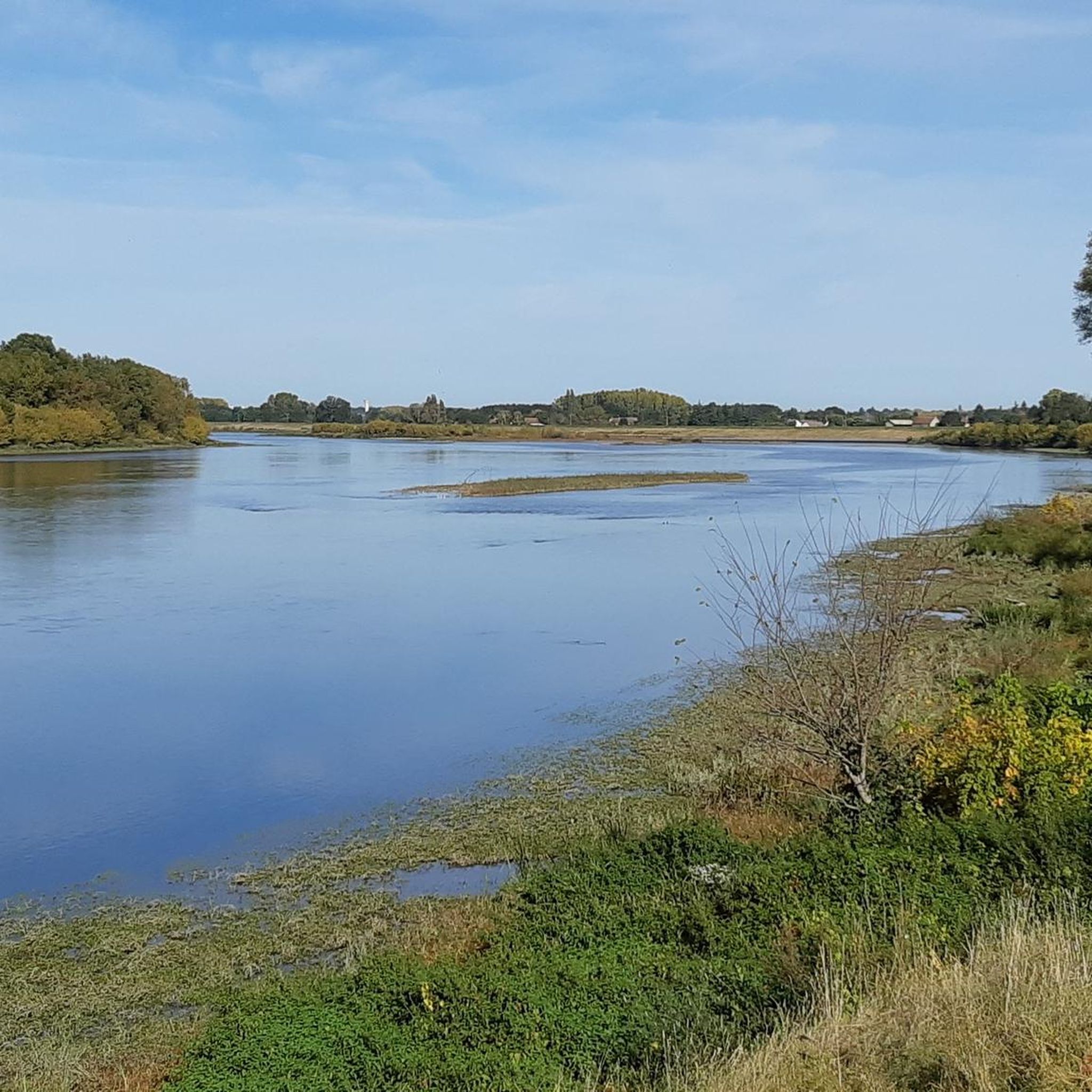
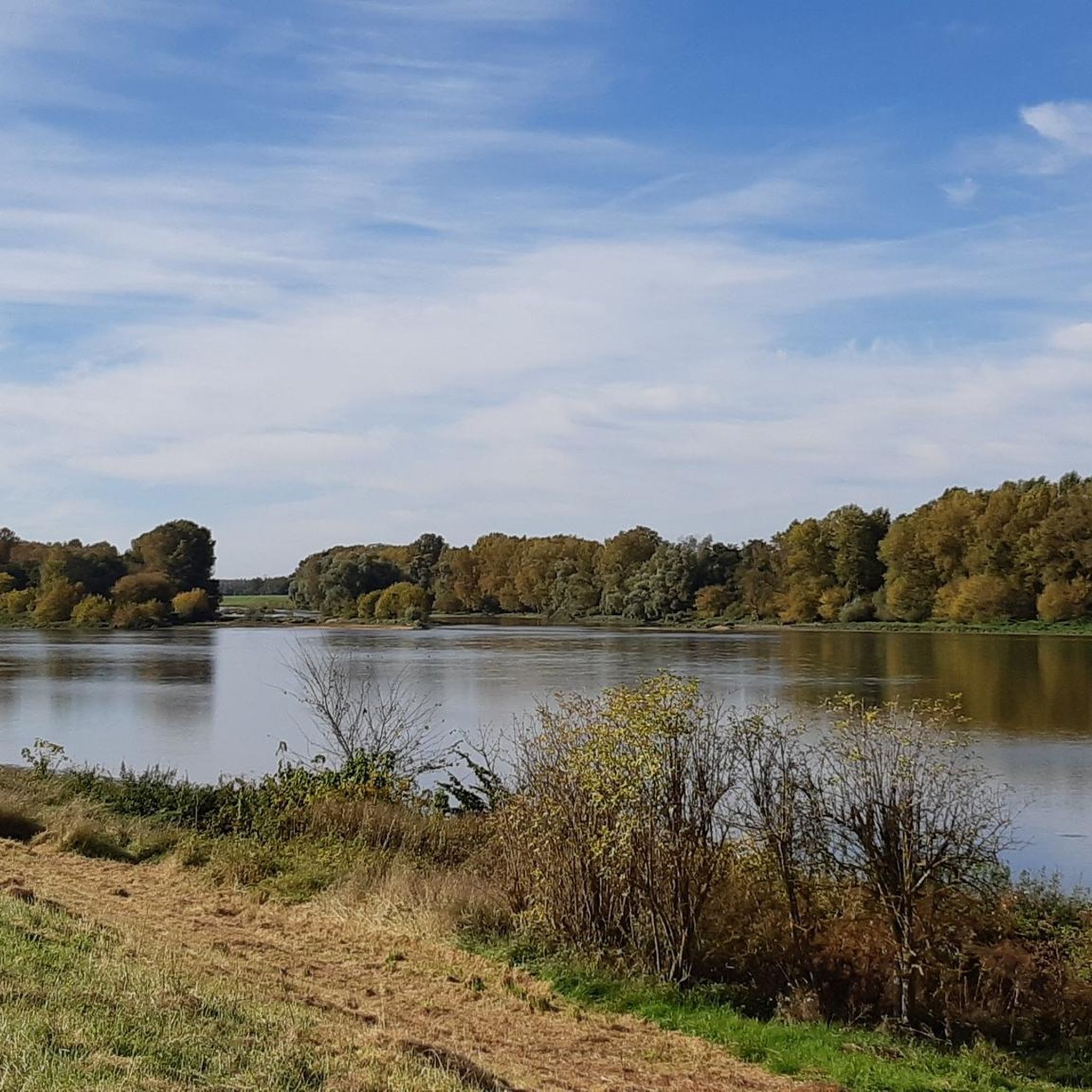
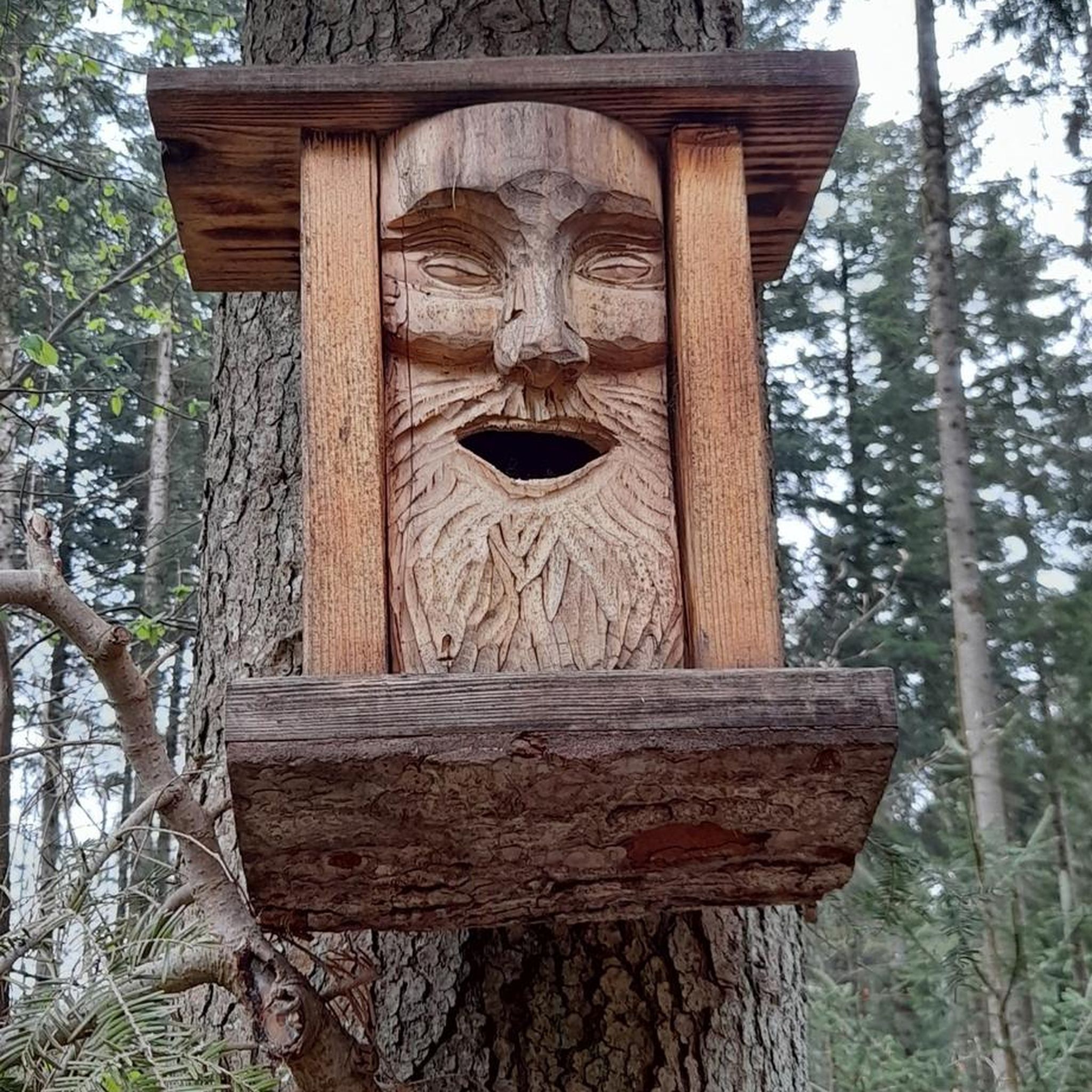


Tips from the Community

The road through the Natura 2000 area is closed. Fallen trees make it unsafe. August 2025
0
0

A beautiful place created by a local association. Breaks are possible with benches and shade.
1
0

Impressive castle 🏰 with a mango-again construction site
5
0


Very beautiful medieval castle. It is definitely worth visiting the inside.
0
0
Nestled in a meander of the Loire, the town of Saint-Benoît-sur-Loire is home to one of the most beautiful jewels of Romanesque architecture: an 11th and 12th century basilica including the porch tower, decorated with twelve historic capitals. , the monumental portal and the nave constitute the most remarkable elements. Founded around 650 on the grounds of an ancient Gallo-Roman villa, Fleury Abbey has housed the relics of Saint Benedict, founder of Western monasticism and patron saint of Europe, since 672. During the 8th century, the patronage of the Prince of the Apostles was abandoned for that of Saint Benedict. This event is at the origin of the rapid expansion, prosperity and influence of the abbey which became Saint-Benoît de Fleury, while the village later became that of Saint-Benoît-sur-Loire. In the 9th century, after the ordeal of the Norman invasions which pillaged and destroyed the monastery, Fleury Abbey flourished again. The 10th and 11th centuries were the great era of Fleury's spiritual, intellectual and artistic influence. The construction of Fleury was probably completed in 1218. A few centuries later, the Hundred Years' War and the Wars of Religion ruined the monastery and disrupted regular life, the community's numbers collapsed. The French Revolution will end up dispersing the community of Fleury Abbey. But in 1944, a community of around forty monks resettled in the area and undertook the reconstruction of the monastery. A community of thirty-three monks lives there today under the direction of Father Abbot Etienne Ricaud. In 1947, the fourteenth centenary of the death of Saint Benedict led the abbey to be elevated to the status of a basilica. The visitor is invited to admire the fabulous historic capitals present in the porch tower, the nave and the choir; the magnificent paving which extends around the altar as well as the crypt where the relics of the patron saint rest. Not to be missed is the north portal and its monumental lintel carved in high relief.
1
0

We already find traces of a monastery in Fleury in the year 620. In 660, relics of Saint-Benoît were brought there and the abbey became Saint-Benoît de Fleury. Around the year 1000, the abbey experienced a golden age and the construction of the current basilica was launched. It will be consecrated in 1218. From the 16th to the 18th century, wars and the Revolution damaged the monastery. However, a community of 24 monks still lives there today.
0
0
Bridge lit by LEDs, different illuminations and colors depending on the time of year, particularly summer, an application was even created for the occasion under the name bridge & lights
0
0
Frequently Asked Questions
How many mountain bike trails are there around Saint-Aignan-Des-Gués?
There are over 25 mountain bike trails available in the Saint-Aignan-Des-Gués area, offering a variety of experiences for different skill levels. The komoot community has rated these trails with an average score of 4.5 stars.
What types of mountain bike trails can I expect in this region?
The region offers a mix of trails, from easy riverside paths along the Loire to more moderate loops through forests and fields. You'll find predominantly All Mountain/Cross-Country (XC) type routes with gentle elevation changes, suitable for various cycling abilities. The Forêt d'Orléans provides diverse woodlands and varied soil conditions, creating interesting routes.
Are there any easy or family-friendly mountain bike trails?
Yes, there are many easy trails suitable for families and beginners. For example, the Étang des Bois Recreation Area loop from Bouzy-la-Forêt is an easy 23.1 km route. The region also features dedicated mountain biking circuits around the Étang de la Vallée, including an easy 13 km loop with minimal elevation gain.
What kind of terrain will I encounter on the trails?
You will encounter diverse terrain, including paths through the vast Forêt d'Orléans with its Scots pines and pedunculate oaks, as well as routes along the Loire River. The underlying sandy and clayey soil contributes to varied trail conditions. Many routes feature streams, forests, and open fields.
What are some interesting landmarks or natural sights along the mountain bike trails?
Many routes offer scenic views and pass by notable attractions. You might encounter the historic Sully-sur-Loire Castle, the impressive Basilica of Saint Benedict at Fleury, or the Châteauneuf-sur-Loire Castle. The region is also known for its numerous ponds, like the Étang de la Vallée, and the picturesque Grignon Locks and the Lockkeeper's House along the Canal d'Orléans.
What is the best time of year for mountain biking in Saint-Aignan-Des-Gués?
The region is generally pleasant for mountain biking from spring through autumn. Spring offers lush greenery, while autumn provides beautiful fall foliage. Summer can be warm, but the extensive woodlands of the Forêt d'Orléans offer welcome shade. Always check local weather conditions before heading out.
Are there any long-distance mountain bike routes?
Yes, for those seeking a longer challenge, routes like the Sully-sur-Loire Castle – The Loire at Sandillon loop from Neuvy-en-Sullias cover over 140 km and are rated as difficult. The Véloroute du Canal d'Orléans, while more suited for hybrid or gravel bikes, offers nearly 80 km of mostly traffic-free paths.
Where can I find parking for mountain biking?
Parking is generally available at popular starting points for trails, especially around key recreational areas. The Étang de la Vallée in Combreux is a known hub for activities and likely offers parking facilities. The Véloroute du Canal d'Orléans also includes amenities like bike racks and picnic areas, suggesting accessible starting points.
Can I rent mountain bikes in the area?
Yes, bike rental services are available. For instance, BSN Aventure at the Étang de la Vallée offers rentals of electric and classic mountain bikes, along with suggested circuits. You can find more information on their services at tourismeloiret.com.
Are dogs allowed on the mountain bike trails?
While the region is generally welcoming to outdoor activities, specific rules regarding dogs on mountain bike trails can vary, especially within the Forêt d'Orléans. It's advisable to keep dogs on a leash and check local signage or specific regulations for the area you plan to ride in to ensure compliance and respect for wildlife.
What are the elevation changes like on the trails?
The region features gentle elevation changes, with altitudes ranging from 107m to 147m. This provides an undulating terrain suitable for mountain biking without overly strenuous climbs. Most routes offer a balance of uphill and downhill sections, making them enjoyable for a wide range of riders.
Most popular routes around Saint-Aignan-Des-Gués
Most popular attractions around Saint-Aignan-Des-Gués

Get inspired with the komoot mobile app


Explore more
Browse the best MTB trails in other regions.
