Attractions and Places To See around Querrien - Top 20
Best attractions and places to see around Querrien include a mix of historical sites, cultural experiences, and natural landscapes in the Finistère department of Brittany, France. The area is characterized by its rich religious heritage, scenic rivers like the Isole, and extensive forests. Visitors can explore ancient buildings, natural rock formations, and charming nearby towns. This region offers diverse opportunities for outdoor activities and cultural exploration.
Best attractions and places to see around Querrien
- The most popular attractions is Viewpoint…
Last updated: August 30, 2026
Sainte-Croix Abbey, Quimperlé
Highlight • Religious Site
Translated by Google •
Tip by

Sainte-Barbe Chapel and Renaissance Staircase, Le Faouët
Highlight • Religious Site
Translated by Google •
Tip by

Sign up now to discover places like this
Get recommendations on the best single tracks, peaks, & plenty of other exciting outdoor places.
Sign up for free
Ruins of Château de Carnoët
Highlight • Castle
Translated by Google •
Tip by

Quimperlé
Highlight • Other
Translated by Google •
Tip by

Moulin Mouhot
Highlight • Other
Translated by Google •
Tip by
Sign up for free to discover even more attractions around Querrien.
Sign up for free
Already have an account?
Start today with a free account
Your next adventure awaits.
Login or Signup
Tips from the Community


The church boasted rich furnishings. Numerous objects are protected as historical monuments. The pulpit and high altar were made for the reconstructed church in the second half of the 19th century. Others, however, remain from the original building, such as the tomb of Saint Gurloës in the crypt and the furniture and murals in the sacristy.
3
0
It is said that the abbey was founded in 1029 by Saint Gurloës thanks to a donation from Alain Canhiart, Count of Cournouaille. In reality, it was probably founded between 1040 and 1050. It was one of the most powerful abbeys in Brittany and possessed numerous priories and other dependencies. Under the commandery of 1553, the abbey declined somewhat in importance until its revival by the Congregation of Saint Maurus in 1665. During the French Revolution, the abbey was abolished. It possessed a large library rich in ancient and valuable manuscripts. This literary treasure was plundered and dispersed. The buildings were preserved; the abbey church became the parish church, and the convent buildings became public buildings, housing the civil court and the gendarmerie barracks. The church was added to the list of monuments historique in 1840 and the monastery in 1926.
3
0


North of the village of Le Faouët, on a ridge, stands the late Gothic Chapel of Sainte-Barbe, built between 1489 and 1512. A remarkable Renaissance staircase leads down to the chapel, which is located just below the summit plateau. - https://de.wikipedia.org/wiki/Le_Faou%C3%ABt_(Morbihan)#Kapelle_Sainte-Barbe - https://www.france-voyage.com/frankreich-stadte/le-faouet-20502/kapelle-sainte-barbe-15016.htm
2
0

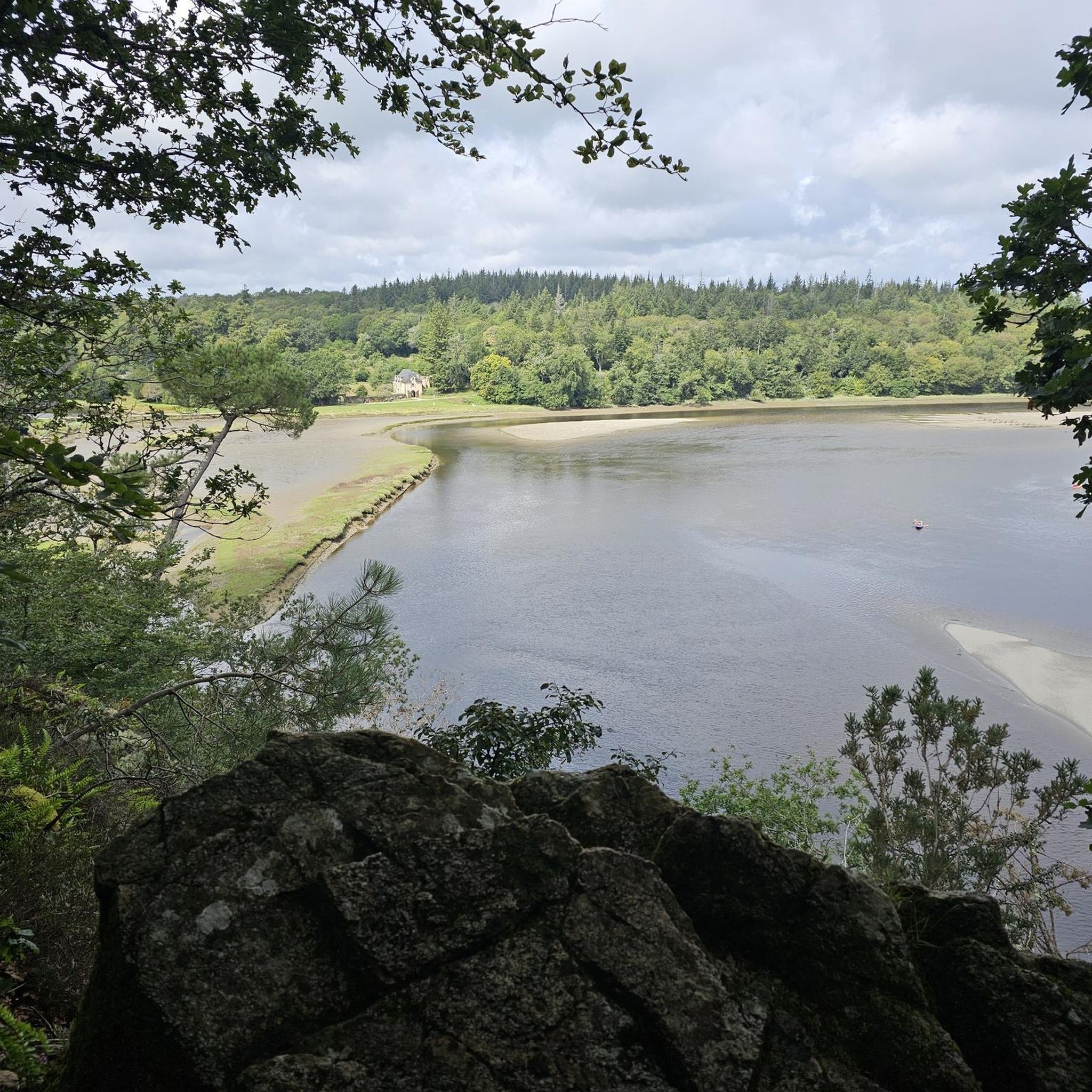
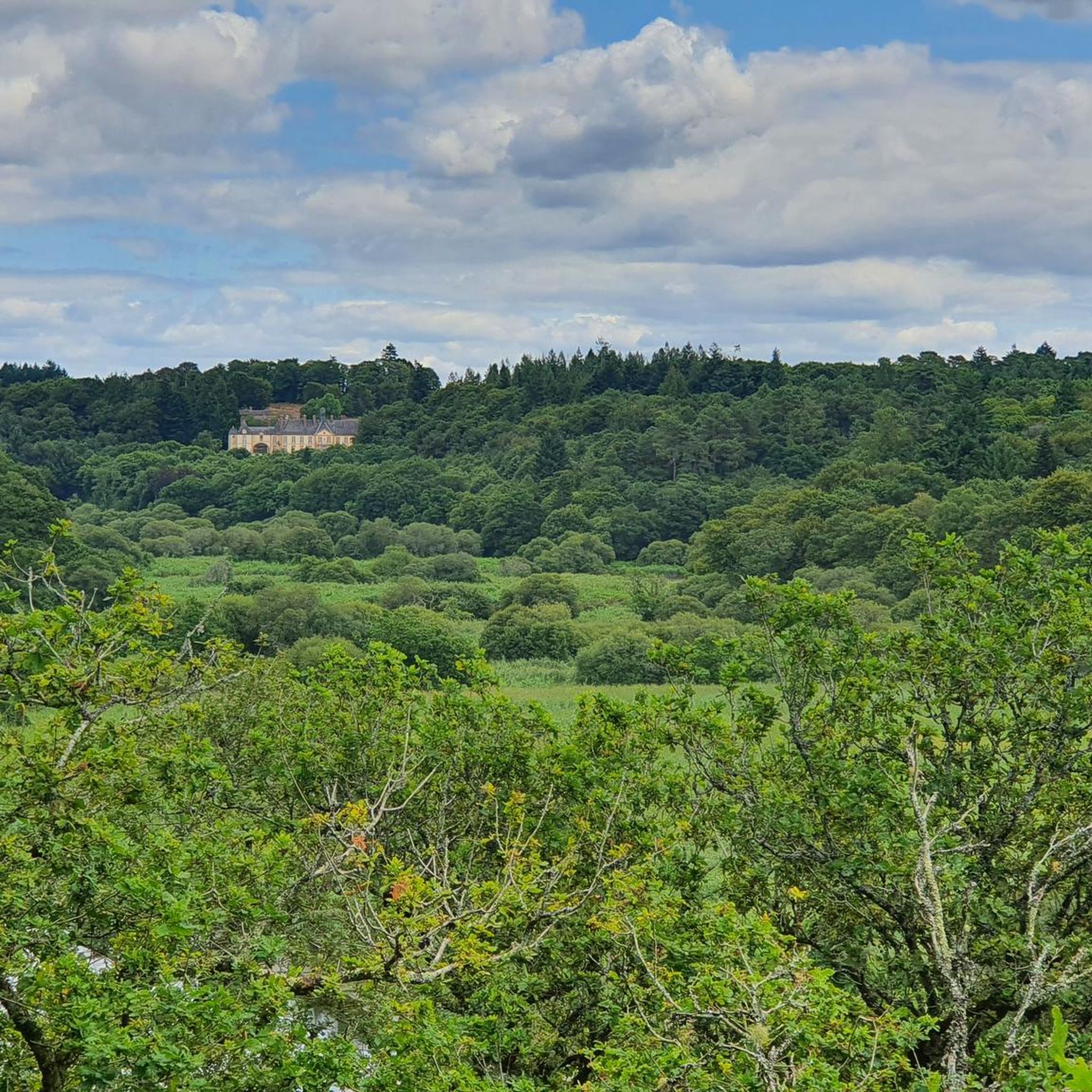
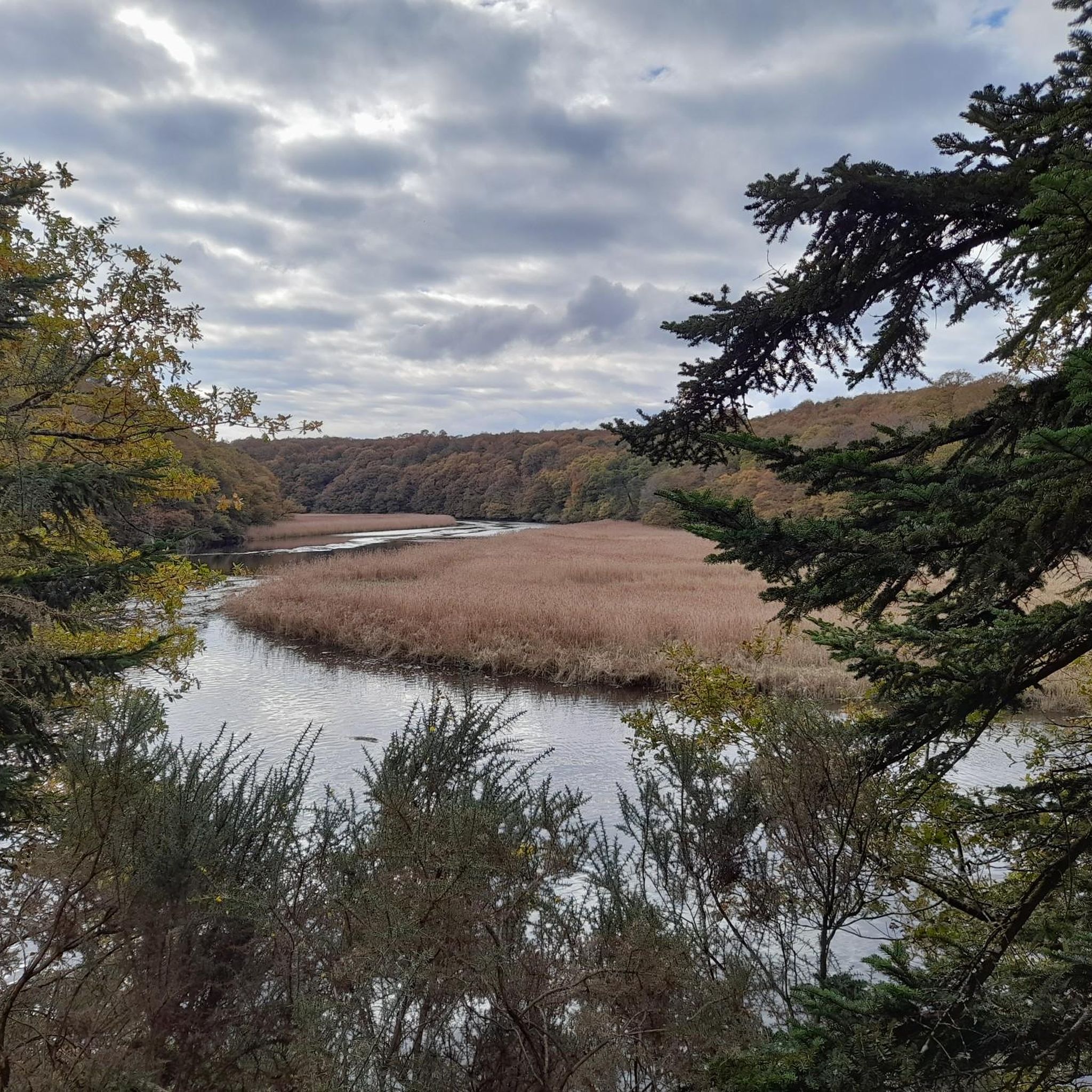
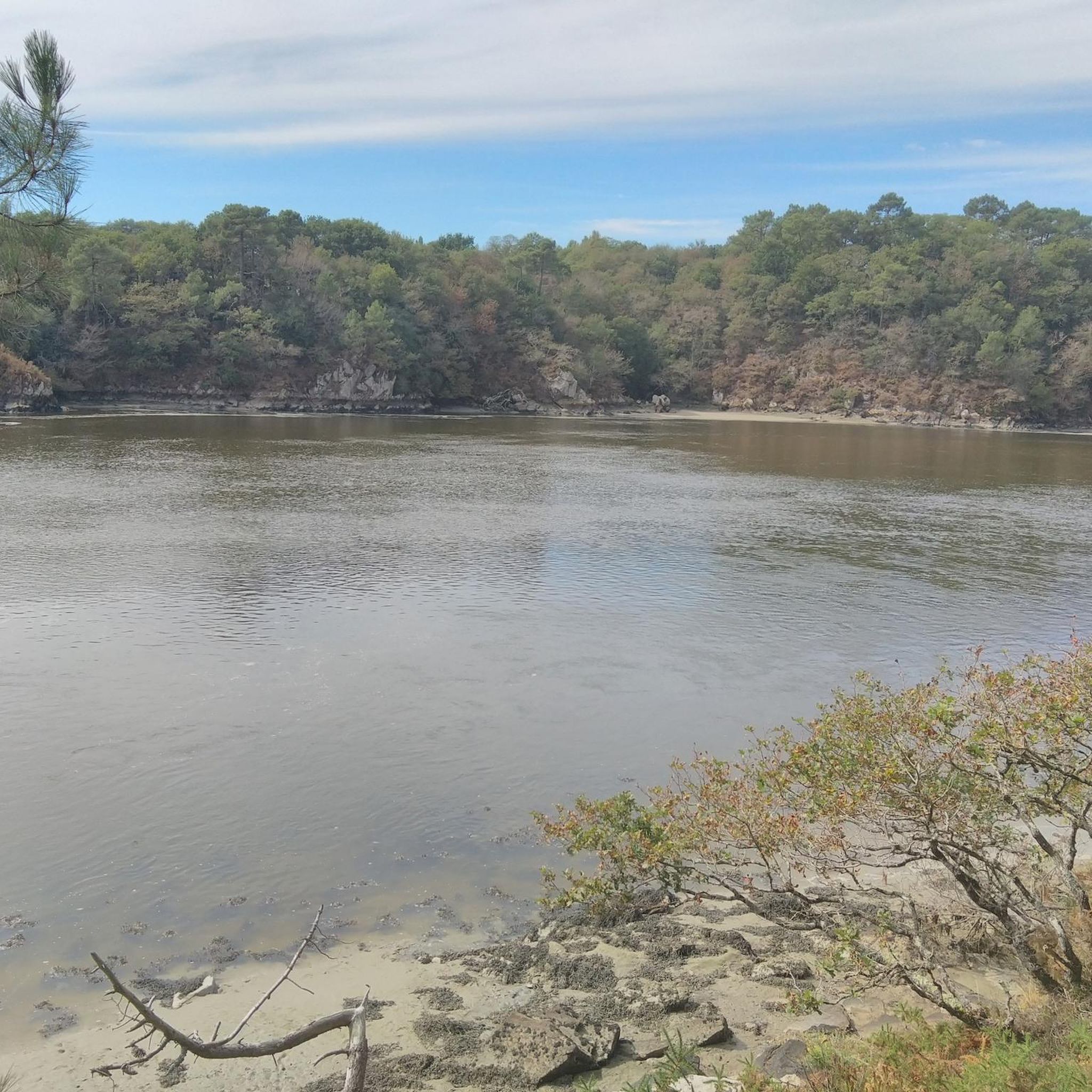
A magnificent view that makes you want to stay there and contemplate for a long time
0
0

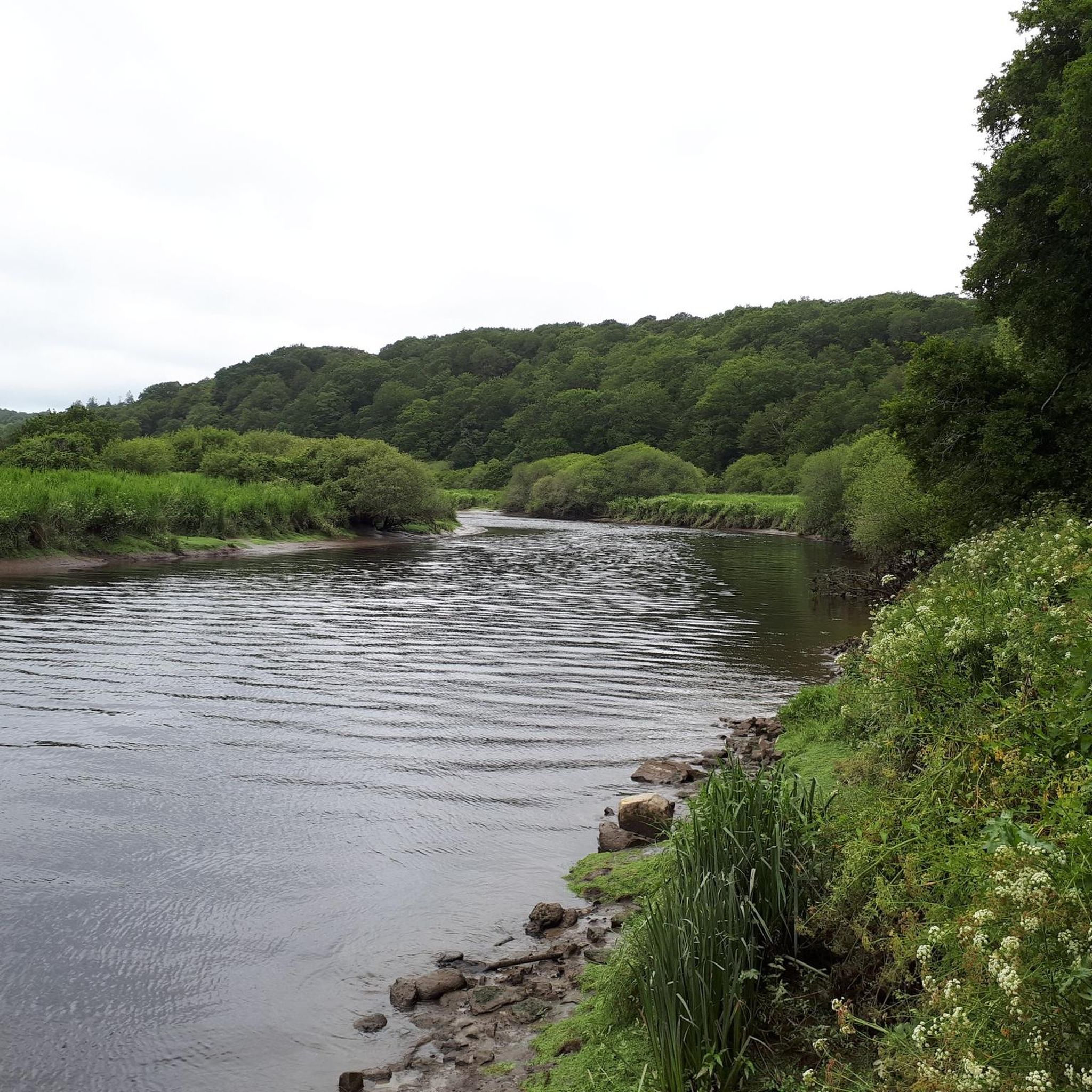
This beautiful stone mill located near the river is a real feast for the eyes and a very pleasant place to visit.
2
0
This castle dates from the 11th century. It is believed to have been the residence of Duke John II but is now in ruins. In the 14th century, after the war of succession in Brittany, the castle was abandoned and used as a quarry.
2
0
Frequently Asked Questions
What historical and religious sites can I visit near Querrien?
Querrien and its surroundings are rich in history and religious heritage. You can explore the impressive Sainte-Croix Abbey in Quimperlé, one of Brittany's most powerful abbeys, or the late Gothic Sainte-Barbe Chapel and Renaissance Staircase near Le Faouët. Within Querrien, the Parish Church Saint-Chéron and several chapels like Notre-Dame-de-Clarté also offer glimpses into the region's past.
Are there any natural attractions or scenic viewpoints around Querrien?
Yes, the area boasts beautiful natural features. The Viewpoint overlooking the Château de la Bothané and the Laïta offers stunning vistas of the river and a nearby château. You can also visit the dramatic Roches du Diable (Devil's Rocks), a natural area with rock formations and forests traversed by the Ellé river, popular for hiking and kayaking. The Isole River, forming Querrien's southern boundary, also provides scenic views.
What kind of outdoor activities can I do near Querrien's attractions?
The region around Querrien is excellent for outdoor enthusiasts. You can find numerous hiking trails, including those through state forests and along scenic rivers. For specific routes, consider exploring the options available in the Hiking around Querrien guide, which features trails like the 'Devil's Rocks loop from Locunolé'. Cycling and mountain biking are also popular, with routes detailed in the Cycling around Querrien and MTB Trails around Querrien guides.
Are there any charming towns or villages to visit nearby?
Absolutely. The picturesque town of Quimperlé is a must-visit, known for its charming old town, historic architecture, and scenic river. Other nearby towns of art and history include Lorient, Concarneau, and Quimper, all offering further cultural exploration within a short drive.
What are the best places for walks or easy hikes around Querrien?
For walks and easy hikes, the state forests near Querrien provide excellent settings. The natural environment surrounding the Sanctuaire Notre-Dame de Toute-Aide de Querrien is ideal for calm strolls. Additionally, the Roches du Diable area offers various trails, including easier loops like the 'Devil's Rocks loop from Locunolé' found in the Hiking around Querrien guide.
Can I visit any ancient ruins or castles in the area?
Yes, you can explore the Ruins of Château de Carnoët. Dating from the 11th century, this castle was once believed to be the residence of Duke John II before its abandonment. It offers a fascinating glimpse into medieval history.
What do visitors enjoy most about the attractions near Querrien?
Visitors particularly appreciate the blend of historical depth and natural beauty. The serene atmosphere of religious sites, the dramatic landscapes of places like Roches du Diable, and the charm of towns like Quimperlé are frequently highlighted. The opportunities for hiking and enjoying the tranquil forests and rivers also receive high praise from the komoot community.
Are there any specific religious buildings or chapels worth seeing in Querrien itself?
Within Querrien, the Parish Church Saint-Chéron is a key religious landmark. Additionally, the commune is home to several historic chapels, including Notre-Dame-de-Clarté, Notre-Dame-de-Bonne-Nouvelle, and Sainte-Gertrude, each contributing to the rich local heritage.
Where can I find opportunities for wildlife spotting near Querrien?
The extensive state forests and natural areas like Roches du Diable, traversed by the Ellé river, offer good opportunities for wildlife spotting. The diverse landscapes, from forests to river valleys, support various local flora and fauna, making them ideal for nature observation during walks and hikes.
Are there any unique historical monuments or crosses to discover?
Querrien's heritage includes several historical crosses, such as the cross of La Clarté (1883 or 1885), the 16th-century Croix-Rouge (Land Groez Ru), and the cross of Kernec. These, along with monuments at Kerstang Combout and Kerbozec, offer insights into local history and traditions.
What are the best options for longer, more challenging hikes around Querrien?
For more challenging hikes, the area around Roches du Diable provides longer routes. For instance, the 'Les roches du diable et le moulin Mouhot — boucle depuis Locunolé' is a moderate 10.6 km hike, and the 'Devil's Rocks – Moulin Mouhot loop from Locunolé' extends to nearly 17 km. You can find details and more options in the Hiking around Querrien guide.
Most popular routes around Querrien

Get inspired with the komoot mobile app


Explore more
Still not found the Highlight you’re looking for? See guides of the top attractions in other regions:
