The best road cycling routes around Le Fenouiller
4.2
(151)
4,892
riders
218
rides
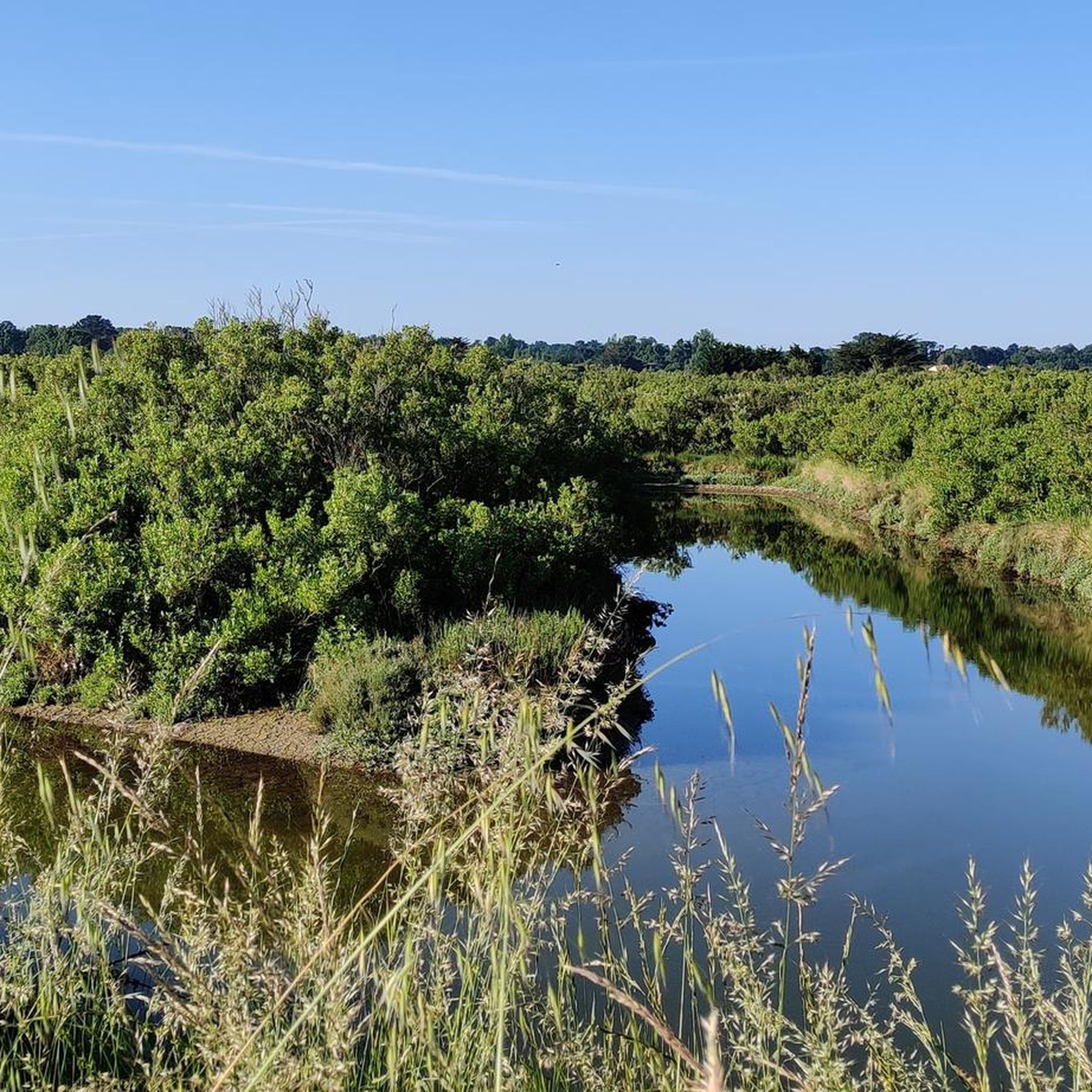
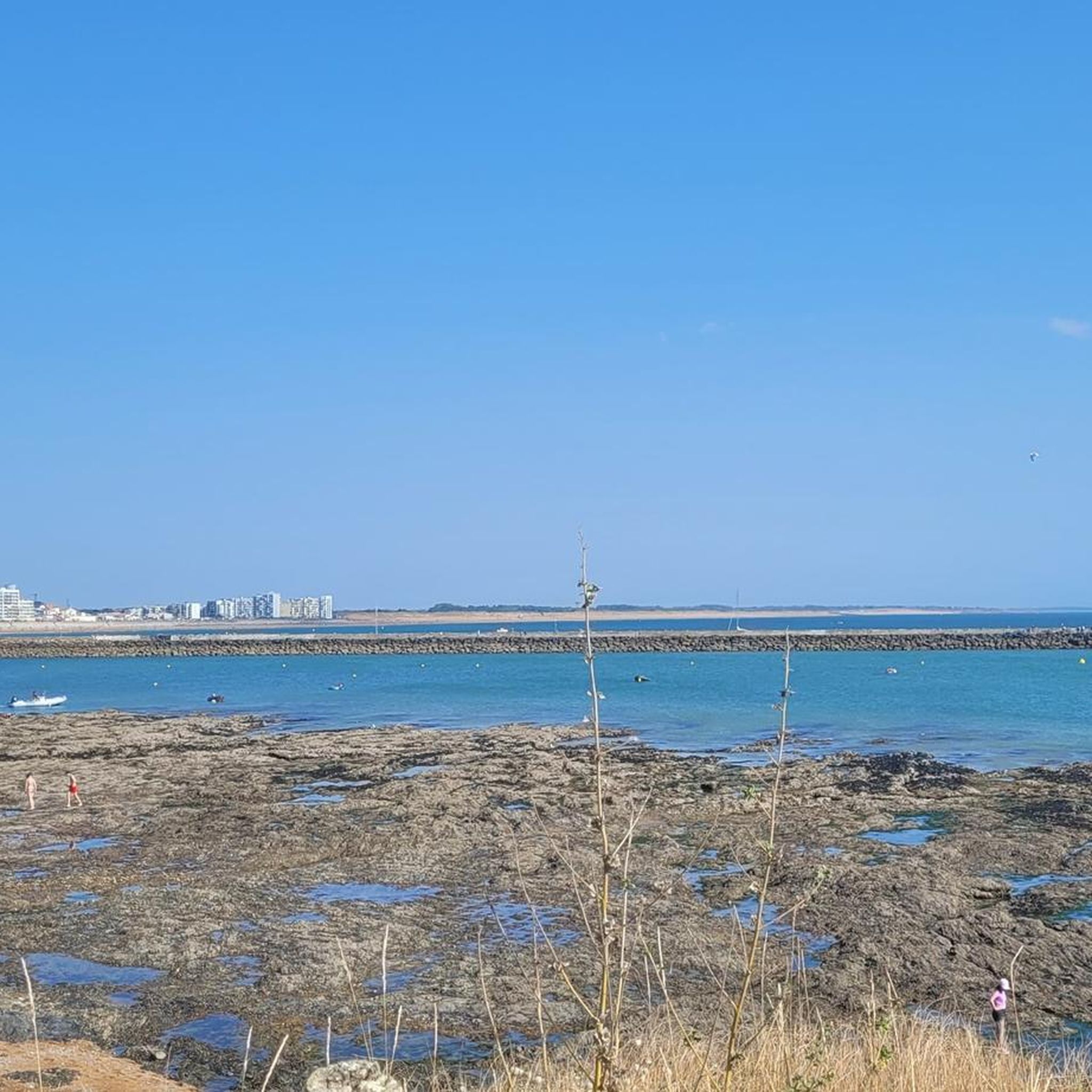
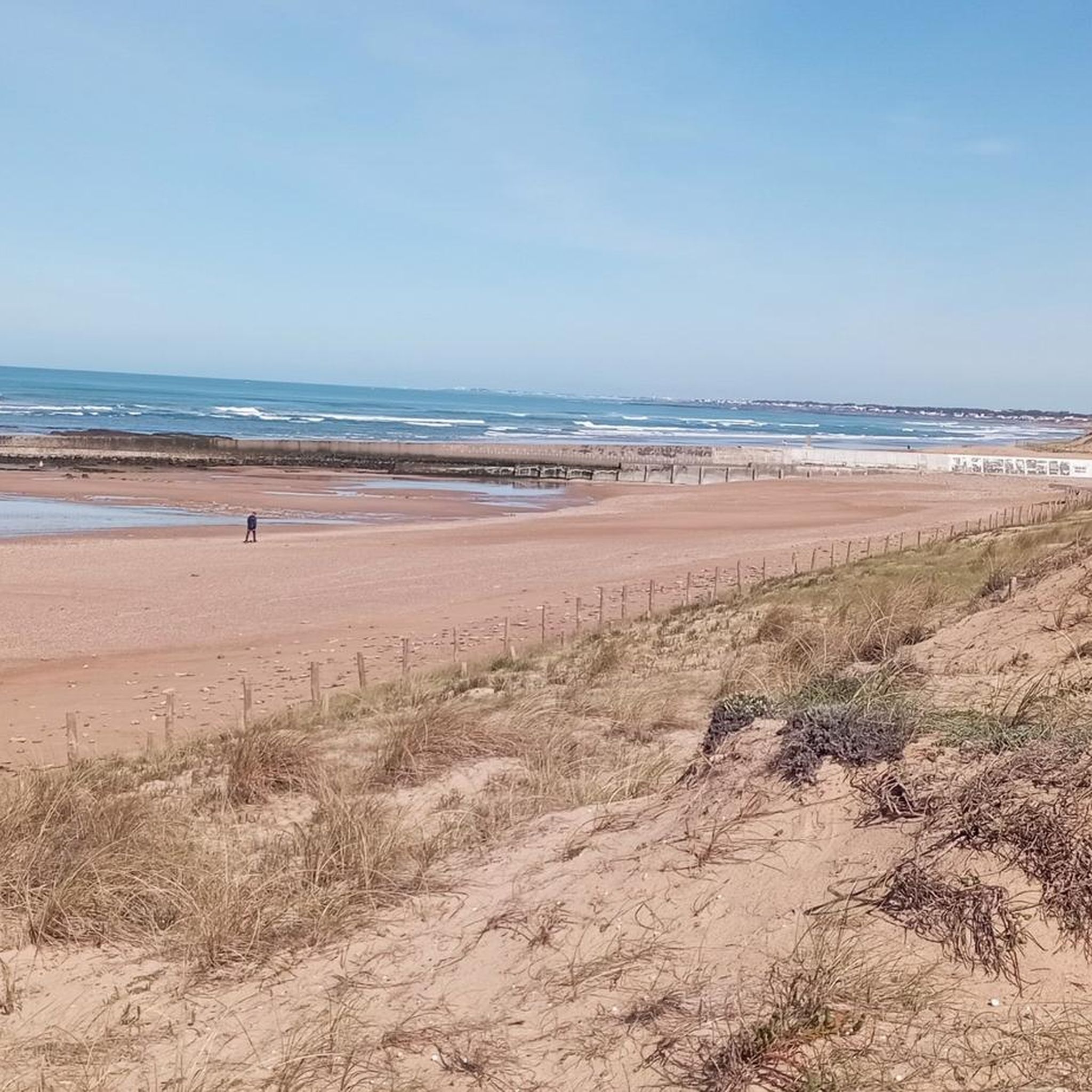
Road cycling routes around Le Fenouiller are characterized by a predominantly flat to gently undulating landscape, typical of the Vendée coastline. The region features a mix of agricultural lands, small villages, and proximity to the Atlantic coast. Road cyclists can expect routes that traverse open fields and follow established paths, often with minimal elevation changes.
Best road cycling routes around Le Fenouiller
- The most popular road cycling route is Vendée Coastal Road – André Bénéteau Footbridge loop from Le Roc…
Last updated: August 17, 2026
5.0
(3)
56
riders
Easy road ride. Great for any fitness level. Mostly well-paved surfaces and easy to ride.
29
riders
Easy road ride. Great for any fitness level. Mostly well-paved surfaces and easy to ride.

Sign up for free
25
riders
24.5km
01:08
130m
130m
Easy road ride. Great for any fitness level. Mostly well-paved surfaces and easy to ride.
5.0
(2)
19
riders
42.4km
01:37
90m
90m
Easy road ride. Great for any fitness level. Mostly well-paved surfaces and easy to ride.
44
riders
Easy road ride. Great for any fitness level. Mostly well-paved surfaces and easy to ride.
Get access to more routes and recommendations from other explorers.
Sign up for free
Already have an account?
Our route recommendations are based on thousands of hikes, rides, and runs completed by other people on komoot.
Start today with a free account
Your next adventure awaits.
Login or Signup

Tips from the Community

Small village worth a detour, especially for its beautiful, perfectly preserved medieval church and the Rairé mill.
0
0

The Saint-Martin church is a 11th and 12th century church located in Sallertaine, France. It belongs to the diocese of Luçon. It is dedicated to Saint Martin. This church is the remnant of an old priory founded at the beginning of the 11th century, dependent on the abbey of Marmoutier. Some masonry from the primitive church remains in the walls. The current state of the building is the result of a major reconstruction carried out at the end of the 12th century. The church was consecrated in 1173 by the bishop of Poitiers. The vaulting of the crossing of the transept presents a unique curiosity in the West of France. Clearly seeking to imitate the so-called Plantagenet Gothic style, the master mason, who does not seem familiar with this new technique, created a Romanesque dome, sufficient in itself, which he adorned with ribs, without structural necessity, but which gives it an appearance evoking the Angevin vaults. Some elements of frescoes remain in the nave, which was once entirely covered, particularly an exceptional crucifixion where Christ still has his eyes open. Part of the nave was demolished. The church suffered damage in 1568 during the Wars of Religion. Major restorations took place from 1617 onwards. The narrow Romanesque windows were enlarged, the crossing is surmounted by a timber spire. Three altarpieces adorn the apse and the transepts, leading to the destruction of the south absidiole and the installation of the sacristy in the south one, separated from the transept by a wall supporting the new altar. Damaged during the revolution, becoming too narrow in the 19th century, it was replaced by a new parish church in 1906. It should then have been destroyed, but Father Grelier, an archaeology enthusiast, managed to have it classified as a historical monument in 1910 and 1912. However, the classification did not include the western end of the nave, which the municipality had demolished in 1915. https://fr.wikipedia.org/wiki/Ancienne_%C3%A9glise_Saint-Martin_de_Sallertaine
0
0
The Saint-Martin church is an 11th and 12th century church located in Sallertaine, France[1]. It belongs to the diocese of Luçon. It is dedicated to Saint Martin. This church is the remainder of an old priory founded at the beginning of the 11th century, dependent on the abbey of Marmoutier. Some masonry from the primitive church remains in the walls. The current state of the building is the result of a major reconstruction carried out at the end of the 12th century. The church was consecrated in 1173 by the bishop of Poitiers. The vaulting of the crossing of the transept presents a unique curiosity in Western France. Clearly seeking to imitate the so-called Plantagenet Gothic style, the master mason, who does not seem familiar with this new technique, created a Romanesque dome, sufficient in itself, which he adorned with ribs, without structural necessity, but which gives it an appearance evoking the Angevin vaults. Some elements of frescoes remain in the nave, which was once entirely covered, particularly an exceptional crucifixion because Christ still has his eyes open. Part of the nave has been demolished. The church suffered damage in 1568 during the Wars of Religion. Major restorations took place from 1617. The narrow Romanesque windows were enlarged, the crossing is surmounted by a timber spire. Three altarpieces adorn the apse and the transepts, leading to the destruction of the south absidiole and the installation of the sacristy in the southern one, separated from the transept by a wall supporting the new altar. Damaged during the revolution, becoming too narrow in the 19th century, it was replaced by a new parish church in 1906. It should then have been destroyed, but Abbot Grelier, passionate about archaeology, managed to have it classified as a historical monument in 1910 and 1912. However, the classification only included the western end of the nave, which the municipality had demolished in 1915. https://fr.wikipedia.org/wiki/Ancienne_%C3%A9glise_Saint-Martin_de_Sallertaine
0
0
Many legends surround the 5 Pineaux. These five special boulders are an integral part of the landscape of Sion. They could be the remains of a bridge to the Ile d'Yeu or 5 petrified monks who were imprisoned to guard the nearby "Devil's Hole" that can be discovered in the vicinity.
0
0
Catholic church built under the orders of architect Ballereau. It was completed in March 1899. The bells, moved from the old church, were hidden by the inhabitants in a pond during the Revolution, then recovered by Father Rousseau. Made of bronze, today listed, they are named "Révérend Luce" 1730 and "Gabrielle" 1763. A stained glass window dating from 1794 depicts Father Petiot, another depicts the patron saint of the parish, Saint-Révérend. https://www.payssaintgilles-tourisme.fr/patrimoine-culturel/eglise-saint-reverend/
0
0
Old-fashioned road signs - route departementale
0
0
Le Moulin Neuf, now converted into a dwelling (photo below), is located in the village. It is listed on the Napoleonic cadastre, so its construction dates between 1750 and 1830. http://moulinsetmeuniers.free.fr/photocanton.html/canton_de_saint_gilles_croix_de_vie/fenouiller.html
0
0
The Catholic church Église Saint-Révérend in the municipality of the same name in the Vendée department (85220 Saint-Révérend, 1 bis Rue du Maréchal de Lattre de Tassigny) was built under architect Ballereau and completed in March 1899. It is part of the parish of Saint-Nicolas de Coëx and preserves historical bronze bells from the 18th century. Bells: The bronze bells "Révérend Luce" (from 1730) and "Gabrielle" (from 1763) come from the previous church. Villagers hid them in a pond during the French Revolution before they were later rescued. Stained glass windows: A stained glass window from 1794 depicts Abbé Petiot, another shows the church patron Saint-Révérend in priestly vestments.
0
0
Frequently Asked Questions
How many road cycling routes are available around Le Fenouiller?
There are over 210 road cycling routes around Le Fenouiller, offering a wide variety of options for all skill levels. Approximately 64 of these are considered easy, making the region very accessible for beginners.
What kind of terrain can I expect on road cycling routes in Le Fenouiller?
The road cycling routes around Le Fenouiller are characterized by a predominantly flat to gently undulating landscape, typical of the Vendée coastline. You'll find paths traversing open agricultural fields, small villages, and often running close to the Atlantic coast.
Are there any easy road cycling routes suitable for beginners or families?
Yes, Le Fenouiller offers many easy routes perfect for beginners or families. For a scenic and mostly flat ride, consider the La Parée Beach – La Parée Beach loop from Saint-Gilles-Croix-de-Vie, which follows the coastline and provides beautiful views.
What are some popular loop trails for road cycling in the area?
Many road cyclists enjoy loop trails in Le Fenouiller. A popular option is the Vendée Coastal Road – André Bénéteau Footbridge loop from Le Roc, which offers coastal views with gentle elevation changes. Another local favorite is the Avenue de la Corniche – Vendée Coastal Road loop from Le Fenouiller, leading through coastal roads and local landscapes.
What can I see along the road cycling routes in Le Fenouiller?
The routes often pass by interesting natural and man-made landmarks. You might encounter coastal features like Five Pineaux Beach or the Devil's Hole Natural Rock Arch. Inland, you could spot ancient sites such as The Menhir of Pierre Levée.
Are there any scenic viewpoints or attractions near the road cycling paths?
Absolutely. The region boasts several scenic spots. You can enjoy panoramic views from the Vendée Coastal Road or visit the Grosse Terre lighthouse. For a change of scenery, Lake Jaunay is also nearby.
What do other road cyclists enjoy the most about cycling in Le Fenouiller?
The area is highly rated by the komoot community, with an average score of 4.2 stars from over 130 reviews. Reviewers often praise the varied terrain, which includes coastal paths, agricultural areas, and greenways, offering options for different ability levels.
Are there any moderate or more challenging road cycling routes available?
Yes, while many routes are easy, there are also moderate options for those seeking a bit more challenge. For example, the Saint Révérend - Greenway loop from Saint-Gilles-Croix-de-Vie is a moderate route that takes you through varied landscapes.
What is the best time of year for road cycling in Le Fenouiller?
Given its coastal location and generally mild climate, road cycling in Le Fenouiller is enjoyable for much of the year. Spring and autumn offer pleasant temperatures and fewer crowds, while summer is ideal for combining cycling with beach visits. Winters are generally mild, but it's always wise to check local weather conditions.
Are there road cycling routes that connect Le Fenouiller with Saint-Gilles-Croix-de-Vie?
Yes, several routes connect Le Fenouiller with the popular coastal town of Saint-Gilles-Croix-de-Vie. These routes often follow the coastline or utilize established greenways, providing a pleasant ride between the two locations.
Where can I find parking for road bike trails near Le Fenouiller?
Many of the routes start from towns and villages like Le Fenouiller, Saint-Gilles-Croix-de-Vie, or Le Roc, where public parking is generally available. It's advisable to check specific starting points for designated parking areas or street parking options.
Most popular routes around Le Fenouiller
Most popular attractions around Le Fenouiller

Get inspired with the komoot mobile app


Explore more
Browse the best Road cycling routes in other regions.
