Top 9 Mountain Passes around Louhossoa
Best mountain passes around Louhossoa are situated in the Basque Country, a region characterized by its varied terrain. The area features numerous passes that connect villages and offer views of the surrounding landscape. These routes traverse elevations ranging from lower hills to more challenging mountain ascents. The natural environment includes features like Mount Ursuia, Baïgura, and the Iparla ridges.
Best mountain passes around Louhossoa
- The most popular mountain passes is Col de Pinodieta, a mountain pass that rises to…
Last updated: October 13, 2026
Col de Pinodieta
Highlight • Mountain Pass
Translated by Google •
Tip by

Col de Gastangarte
Highlight (Segment) • Mountain Pass
Tip by

Sign up now to discover places like this
Get recommendations on the best single tracks, peaks, & plenty of other exciting outdoor places.
Col de Légarré
Highlight • Mountain Pass
Translated by Google •
Tip by

Ascent of Mount Artzamendi from Laxia
Highlight (Segment) • Climb
Translated by Google •
Tip by

Mehatzeko Pass
Highlight • Mountain Pass
Translated by Google •
Tip by

Sign up for free to discover even more mountain passes around Louhossoa.
Already have an account?
Start today with a free account
Your next adventure awaits.


Other adventures around Louhossoa

Tips from the Community

Short pass but high percentage both uphill and downhill.
1
0

For me, this is one of the most difficult passes to climb, with astonishing gradients, exceeding 16% in some places. The view from the summit is magnificent, but be careful, the road is very narrow on the descent. An experience not to be missed for lovers of cycling and intense effort.
1
0

Magnificent view of the Iparla ridges
0
0

Although short, the ascent of Mount Artzamendi is classified as an hors catégorie due to its steep slopes. This is especially the case after kilometer 7, where the gradient often hovers around 15%, peaking at 20%.
1
0

Very nice view of the valley with roads easily accessible by bike while enjoying the panorama
0
0

A great reward for this breathtaking view of Mount Errebi arriving via the Pinodieta pass on the heights between Souraîde and Espelette after a series of short but solid steep climbs!
0
0

Very nice pass from which several walks start
1
0

Exceptional loop from the venta pantxo
2
0
Frequently Asked Questions
What are the typical difficulty levels of mountain passes around Louhossoa?
The mountain passes around Louhossoa offer a range of difficulties. You'll find intermediate passes like Col de Pinodieta and Col d'Iramalda, as well as challenging ascents. For instance, Col de Légarré features sections reaching 20% gradient, and the Ascent of Mount Artzamendi from Laxia is classified as 'hors catégorie' due to its steep slopes, often exceeding 15%.
Which mountain passes offer the best scenic viewpoints in the Louhossoa area?
Several passes provide excellent views. Col de Pinodieta offers beautiful panoramas between the villages of Espelette and Ainhoa. Col d'Iramalda provides views of Mount Ursuia and the Baïgura. Additionally, Col de Gastangarte offers a magnificent view of the Iparla ridges, and the summit of Mount Artzamendi provides a spectacular vista after a challenging climb.
Are there family-friendly mountain passes or routes suitable for beginners around Louhossoa?
While some passes are challenging, the region offers a variety of routes. For easier options, consider exploring the areas around passes like Col de Pinodieta, which is at a lower elevation (176 meters) and connects picturesque villages. For specific family-friendly hikes, you can explore the moderate hiking routes listed in the Hiking around Louhossoa guide.
What natural features can I expect to see when exploring the mountain passes near Louhossoa?
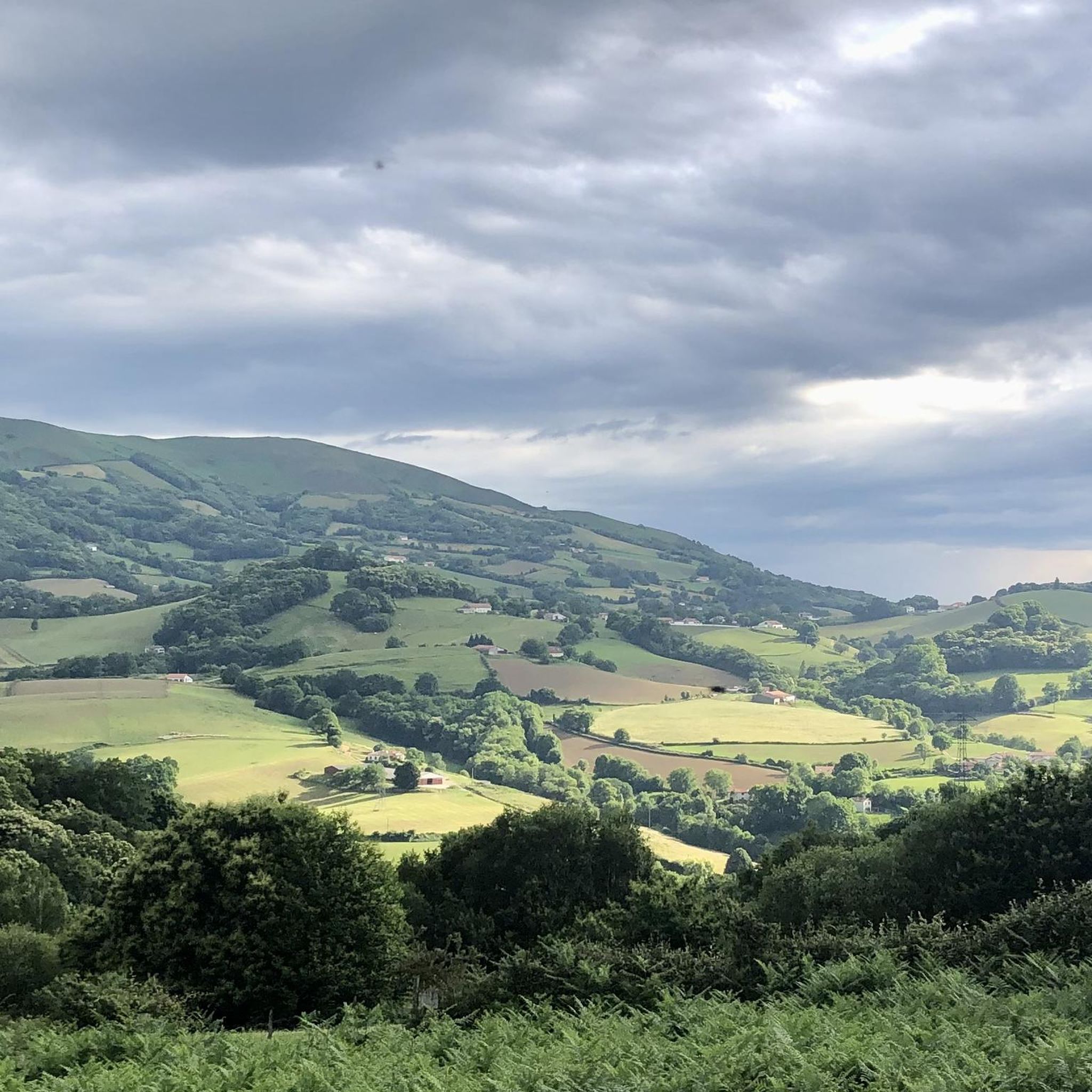
The mountain passes around Louhossoa are set within the varied terrain of the Basque Country. You'll encounter features like Mount Ursuia, the Baïgura massif, and the Iparla ridges. The routes often provide expansive views of the surrounding natural landscape, including rolling hills and forested areas, characteristic of the region's unique environment.
What outdoor activities can I do near the mountain passes around Louhossoa?
Beyond exploring the passes themselves, the area offers diverse outdoor activities. You can find numerous mountain biking trails, with options ranging from moderate to difficult, detailed in the MTB Trails around Louhossoa guide. There are also various mountain hikes, including challenging ascents, available in the Mountain Hikes around Louhossoa guide, and general hiking routes in the Hiking around Louhossoa guide.
Are there specific hiking trails that incorporate these mountain passes?
Yes, many hiking routes in the region incorporate these passes. For example, the 'Iramalda Pass – Mount Ursuia loop from Iturritxipiko Borda' is a moderate 9.2 km hike that includes Col d'Iramalda. You can find more detailed routes and options in the Hiking around Louhossoa guide, which lists various trails of different difficulties.
What do visitors enjoy most about the mountain passes around Louhossoa?
Visitors frequently appreciate the stunning panoramas and the challenge offered by some of the climbs. For instance, the views from Col de Pinodieta between Espelette and Ainhoa are highly praised. The demanding nature of passes like Col de Légarré and the Ascent of Mount Artzamendi is also a draw for those seeking an intense effort, often rewarded with magnificent summit views.
Are there any less-known or 'hidden gem' mountain passes worth exploring near Louhossoa?
While the main passes are popular, exploring the network of smaller roads and trails can reveal less-trafficked spots. Col de Gastangarte, for example, is noted for its very steep climbs and a 'crazy view' of the Iparla ridges, offering a rewarding experience for those looking for something a bit more rugged and off the beaten path.
What is the best time of year to visit the mountain passes around Louhossoa?
The Basque Country generally enjoys mild weather, making spring and autumn ideal for exploring the mountain passes. During these seasons, temperatures are pleasant, and the landscapes are vibrant. Summer can also be suitable, though it can be warmer, especially at lower elevations. Winter might present challenges with colder temperatures and potential snow at higher altitudes, though some routes may still be accessible.
Are there circular routes available that include mountain passes in the Louhossoa area?
Yes, many routes are designed as loops, allowing you to start and end in the same location while traversing mountain passes. For example, the 'Iramalda Pass – Mount Ursuia loop from Iturritxipiko Borda' is a popular option. You can find a variety of circular routes for hiking and mountain biking in the respective komoot guides for the Louhossoa region.
What are the characteristics of the climbs on mountain passes like Col de Gastangarte?
The climbs on passes like Col de Gastangarte are characterized by a succession of short but very steep sections, often reaching gradients of 15-20%. These can be quite demanding, especially if you're on a longer ride or hike, but they offer rewarding views at the top, such as the magnificent panorama of the Iparla ridges.
Most popular routes around Louhossoa
Most popular attractions around Louhossoa

Get inspired with the komoot mobile app


Explore more
See even more epic mountain passes by checking out these guides around Louhossoa:
