The best road cycling routes around Paulmy
4.0
(13)
240
riders
64
rides
Road cycling routes around Paulmy traverse the Indre-et-Loire department, characterized by dedicated cycling infrastructure such as "boucles vélos" and "voie verte." The terrain features a mix of open landscapes, shaded paths alongside natural water features like the Plan d'eau and Brignon stream, and routes passing century-old oak trees. Cyclists encounter varied elevations, with many routes traversing gentle hills and rural roads.
Best road cycling routes around Paulmy
- The most popular road cycling route is Le Château de Loches — loop…
Last updated: November 2, 2026
5.0
(1)
9
riders
41.2km
01:44
320m
320m
Moderate road ride. Good fitness required. Mostly well-paved surfaces and easy to ride.
1
riders
122km
04:59
620m
620m

8
riders
27.2km
01:17
240m
240m
Easy road ride. Mostly well-paved surfaces and easy to ride.
4
riders
25.1km
01:10
190m
190m
Moderate road ride. Some segments of this route may be unpaved and difficult to ride.
4
riders
42.4km
01:53
320m
320m
Moderate road ride. Good fitness required. Mostly well-paved surfaces and easy to ride.
Get access to more routes and recommendations from other explorers.
Already have an account?
Our route recommendations are based on thousands of hikes, rides, and runs completed by other people on komoot.
Start today with a free account
Your next adventure awaits.


Tips from the Community


The Musée de la Préhistoire du Grand-Pressigny is a must-see site for history and prehistory enthusiasts, located in the village of Grand-Pressigny, in Indre-et-Loire, Centre-Val de Loire region. This museum is housed in a remarkable setting, within the Château du Grand-Pressigny, and offers a fascinating dive into the origins of humanity. Points of Interest: Exceptional Collections: European Prehistory: The museum houses one of the richest and most complete collections in France on Prehistory. It exhibits objects dating from the Paleolithic to the Neolithic, with a particular focus on flint tools produced in the region. The Silex du Grand-Pressigny: The museum is renowned for its exceptional flint pieces. Le Grand-Pressigny is famous for its production of large flint blades, which were traded over vast distances across Europe during the Neolithic. Why visit the Musée de la Préhistoire du Grand-Pressigny? A dive into prehistory: The museum offers a fascinating immersion into the early stages of human history, with remarkable artifacts that tell the story of the lives of the region’s first inhabitants. Exceptional historical setting: Housed in a historic castle, the museum combines archaeological discovery with the exploration of a remarkable architectural heritage. Enriching activities: Interactive workshops and temporary exhibitions enrich the experience, making it accessible and captivating for all ages. In short, the Musée de la Préhistoire du Grand-Pressigny is an enriching destination for anyone interested in prehistory, archaeology, or who simply wants to discover a fascinating aspect of the region’s heritage.
1
0

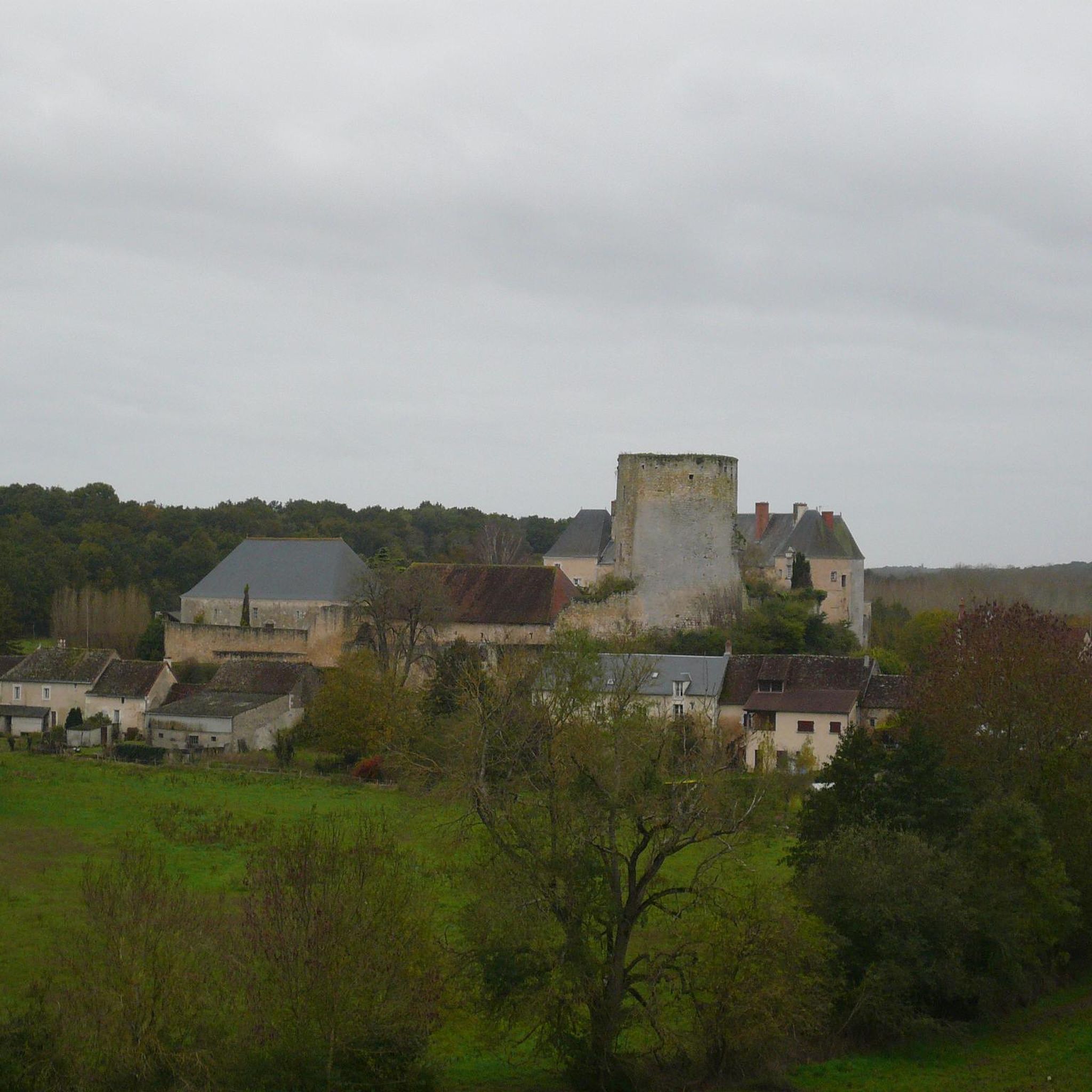
Medieval citadel built on a rocky promontory surrounded by a water moat. The site is surrounded by ramparts. The main building dates from the Renaissance and the beginning of the 17th century.
0
0
Alfred Victor de Vigny, or Count of Vigny, is a poet born March 27, 1797 in Loches. French writer, novelist, playwright and poet. He wrote alongside a military career that began in 1814 and published his first poems in 1822.
0
0
Pretty pass on the river, with the bell tower of Saint-Pierre abbey. The commune of Preuilly-sur-Claise has several archaeological sites. The archaeological site of Picardy is an open-air site, discovered in the 1980s, located on the left bank of the Claise, on a plateau.
0
0

This fortified keep is a feat of military engineering built from 1013 to 1035 by the then Count of Anjou. Many royal figures have made it their home and frequented it over the centuries, which explains why Loches is known as a "royal city". These figures include Joan of Arc, Anne of Brittany and King Charles VII.
0
0
The castle complex at Châtillon-sur-Indre includes numerous protected elements, including the Place du Vieux-Château. The castle played an important role in the struggles between Henry II of England and Philip Augustus. Henry II had a powerful fortress built between 1160 and 1185 (of which the slightly conical keep still remains today), which can be seen from afar as one approaches the town.
0
0

One of the most beautiful villages in Brenne
0
0
Frequently Asked Questions
How many road cycling routes can I find around Paulmy?
Paulmy offers a wide selection of road cycling routes, with over 60 options available. These routes cater to various preferences, ranging from easy rides to more challenging excursions.
What is the general difficulty level of road cycling routes in Paulmy?
The road cycling routes around Paulmy offer a mix of difficulties. You'll find approximately 29 easy routes, 38 moderate routes, and a few more challenging options, ensuring there's something for every skill level.
What do other cyclists say about road cycling in Paulmy?
The road cycling experience in Paulmy is highly regarded by the komoot community, with an average rating of 4.1 stars from over 10 reviews. Cyclists often praise the diverse terrain, from greenways to rural roads, and the scenic beauty of the region.
What natural features and landmarks can I expect to see while cycling in Paulmy?
While cycling in Paulmy, you can discover a rich array of natural and historical sights. Routes often pass century-old oak trees, the tranquil Plan d'eau, and the meandering Brignon stream. You might also spot protected orchids. Notable landmarks include the ancient Châtelier Castle and the Dolmen de la Pierre Chaude.
Are there scenic road cycling routes in Paulmy?
Yes, Paulmy is known for its scenic road cycling routes. Many paths wind through picturesque landscapes, past historic châteaux, and along dedicated greenways. The region's 'fleuri' (flowery) aesthetic and natural elements like the Plan d'eau and Brignon stream contribute to a beautiful riding experience.
Can I find quiet road cycling routes away from traffic?
Absolutely. Many road cycling routes in Paulmy utilize 'boucles vélos' (cycling loops) and 'voie verte' (greenways), which are dedicated to cyclists and offer a peaceful experience away from heavy traffic. The rural roads connecting villages also tend to be quiet.
Are there family-friendly road cycling routes in Paulmy?
Yes, Paulmy offers several family-friendly road cycling options, particularly along its greenways. These routes provide a safer and more relaxed environment for cyclists of all ages. An example is the Greenway Near Chaumussay loop from Le Grand-Pressigny, which is relatively flat and scenic.
What is the best time of year for road cycling in Paulmy?
The spring and autumn months are generally ideal for road cycling in Paulmy, offering pleasant temperatures and beautiful scenery. Spring brings blooming flowers, including the region's protected orchids, while autumn showcases vibrant foliage. Summer can also be enjoyable, especially on shaded routes, but it's advisable to ride earlier in the morning or later in the afternoon to avoid the midday heat.
Are there options for longer distance road cycling in Paulmy?
For those seeking longer rides, Paulmy and its surroundings offer excellent options. The Brenne Park Loop is a notable example, covering approximately 75.9 miles (122.3 km) and exploring expansive natural park landscapes.
Which historical sites can I visit while road cycling near Paulmy?
The region around Paulmy is rich in history. Cyclists can pass by the ancient Dolmen de la Pierre Chaude, the imposing Châtelier Castle, and the majestic 500-year-old Grand Chêne de Justice. Other historical points of interest include a restored old wash house and the historic Château de Paulmy.
Are there circular road cycling routes available?
Yes, many of the road cycling routes in Paulmy are designed as loops, allowing you to start and finish at the same point. Examples include the Le Château de Loches — loop from Ligueuil and the Châtelier Castle loop from Civray.
Are there beginner-friendly road cycling routes?
Yes, Paulmy offers several beginner-friendly road cycling routes. These typically feature gentler terrain and shorter distances, often utilizing dedicated greenways for a comfortable introduction to road cycling in the region. Approximately 29 routes are classified as easy.
Most popular attractions around Paulmy

Get inspired with the komoot mobile app


Explore more
Browse the best Road cycling routes in other regions.
