The best cycling routes around Quesques
4.4
(112)
905
riders
176
rides
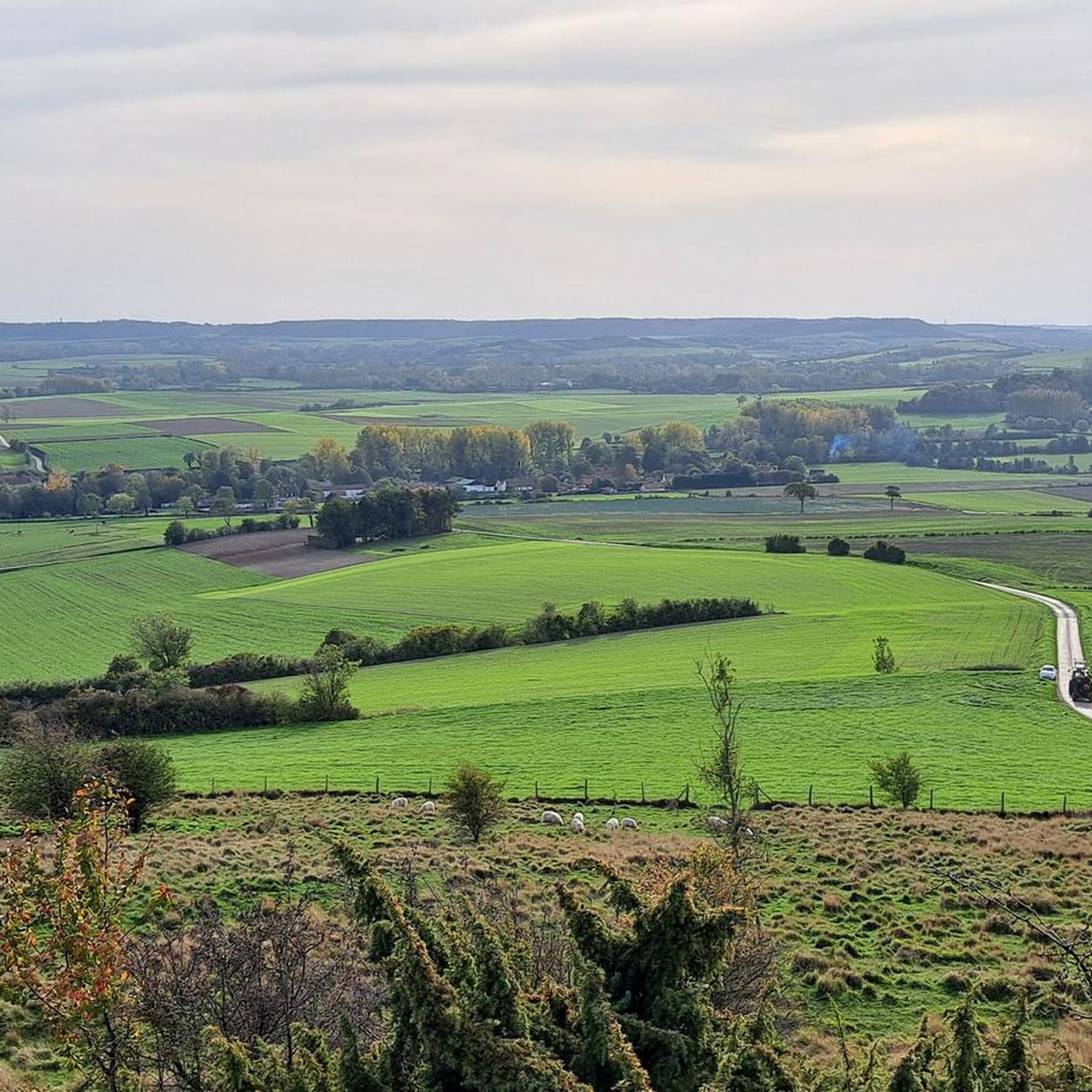
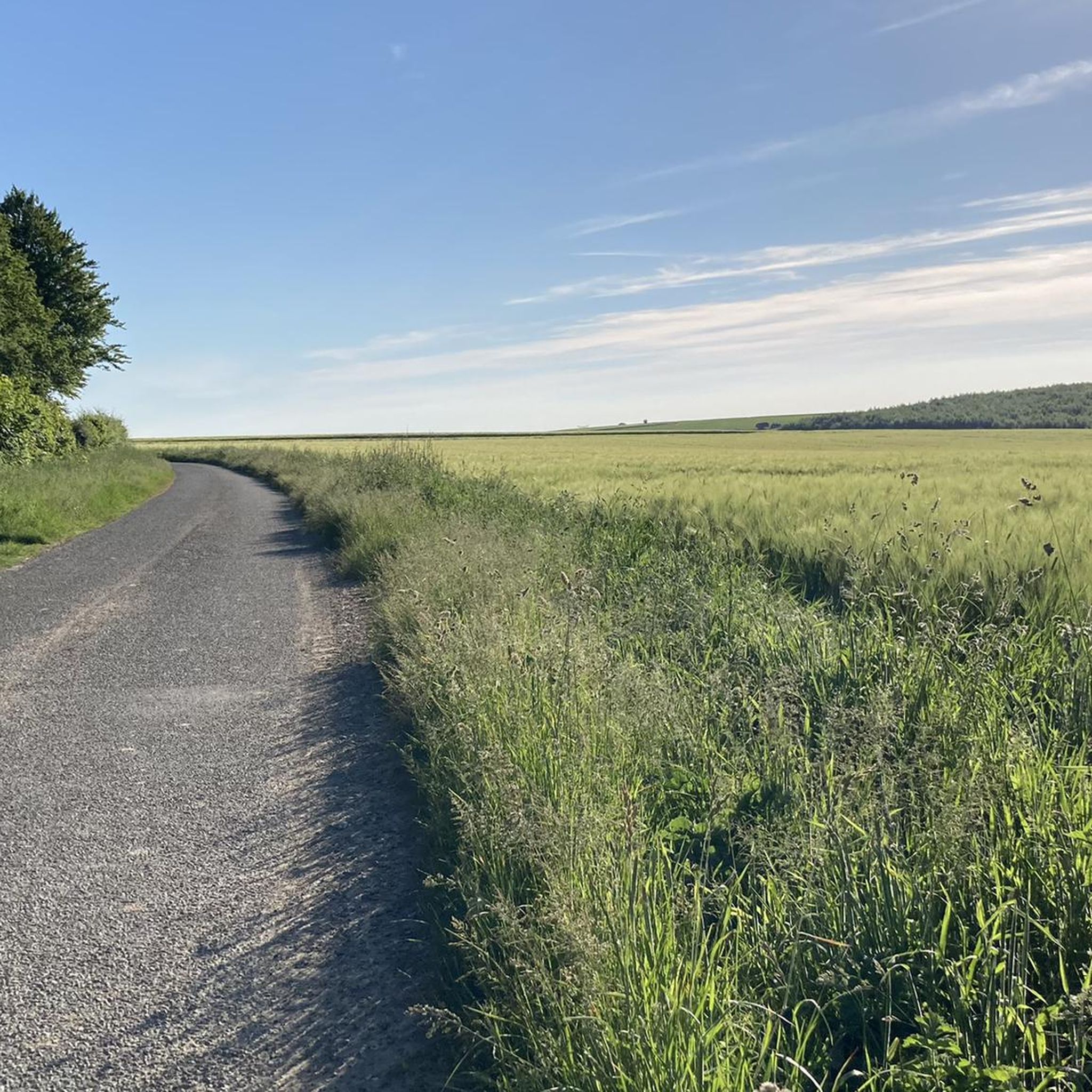
Touring cycling around Quesques, located within the Parc naturel régional des Caps et Marais d'Opale, offers access to a varied landscape in the Pas-de-Calais department. The region features rolling countryside, extensive forests, and proximity to coastal areas, providing diverse terrain for cyclists. The Liane river, originating in Quesques, contributes to the area's green valleys and natural features.
Best touring cycling routes around Quesques
- The most popular touring cycling route is Mont Dauphin, Colembert – Norbertins Abbey loop from Escœuilles, a 37.4 miles (60.3 km) trail that takes 5 hours 0 minutes to complete, passing by historical sites.
- Another top favourite among local touring cyclists is Belle allée loop from Brunembert, a difficult 37.2 miles (59.9 km) path through the local countryside.
- Local touring cyclists also love the Mont Dauphin, Colembert – Hardelot Forest loop from Escœuilles, a 78.8 miles (126.9 km) trail leading through the Forêt d'Hardelot, often completed in about 8 hours 8 minutes.
- Touring cycling around Quesques is defined by rolling hills, dense forests, and open countryside. The network offers options for various ability levels, from moderate to difficult routes.
- The routes in Quesques are highly rated by the komoot community with an average score of 4.5 stars from over 100 reviews. More than 900 touring cyclists have used komoot to explore Quesques's varied terrain.
Last updated: June 18, 2026
5.0
(1)
35
riders
60.3km
05:01
780m
780m
Hard bike ride. Very good fitness required. You may need to push your bike for some segments of this route.
17
riders
59.1km
04:53
890m
890m
Hard bike ride. Very good fitness required. Mostly paved surfaces. Suitable for all skill levels.

Sign up for free
16
riders
123km
07:52
1,420m
1,420m
Hard bike ride. Very good fitness required. Mostly paved surfaces. Suitable for all skill levels.
12
riders
41.1km
03:30
590m
590m
Hard bike ride. Very good fitness required. Mostly paved surfaces. Suitable for all skill levels.
11
riders
33.2km
02:49
460m
460m
Hard bike ride. Very good fitness required. Mostly paved surfaces. Suitable for all skill levels.
Get access to more routes and recommendations from other explorers.
Sign up for free
Already have an account?
Our route recommendations are based on thousands of hikes, rides, and runs completed by other people on komoot.
Start today with a free account
Your next adventure awaits.
Login or Signup

Tips from the Community

to avoid mud after heavy rainfall. Preferably after a dry period
0
0

This market town is famous for its strawberries, which have been cultivated for over a century. There is also an annual Strawberry Festival celebrated throughout the region. The Grand'Place, the rectangular village square, is lined with old houses, mainly from the 18th century. Samer owes its name to H. Wulmaars, a monk who founded a Benedictine abbey here in the 7th century.
7
0
Church rebuilt in the 19th century and the baptismal font dates from the 13th century. Church of elongated and occidentee plan and one can see a cemetery all around. It consists of three bays and a bell tower. A flanked chapel can also be seen on the north wall. The chancel is semicircular. Exterior elevation: The bell tower has three levels with a simple door, the second level has bays surmounted by a semicircular arch and the last level has abat sons. The openings of the aisles are also crowned by a semicircular arch. The roof is double sided.
7
0
The Church of Saint Nicholas of Colembert is a Romanesque building, 25 meters long and 8 meters wide. It was inaugurated on October 31, 1786 under the patronage of SAINTE ALDEGONDE (patroness of the castle) and since 1801 under that of Saint Nicholas. The Marquise stone facade is listed in the Inventory of Historical Monuments .
6
0
The Castle of Colembert is located in the village of Colembert, in the Pas-de-Calais department, France. The land of Colembert was made a marquisate by Louis XIV in favor of Gabriel de Maulde. Anne-Louise d'Isques married it to Count de Sainte-Aldegonde in the mid-18th century. The current castle was built between 1776 and 1784 by architect Giraud Sannier for Count Charles de Sainte-Aldegonde on the site of an old castle. It was confiscated during the Revolution and sold as a national asset. Louis-Charles de Sainte-Aldegonde, son of the former owners, was able to buy back the castle. The current owner is Baron Olivier Law de Lauriston-Boubers, descendant of Louis-Charles de Sainte-Aldegonde .
6
0
St. Peter's Church of Alembon is a modest building with a three-aisled nave and choir, a slightly projecting transept, and a bell tower of wood and slate on the western facade. The main feature of the church is the ribbed vaulted choir and baptismal font, dating from the 15th century.
7
0
The former Norbertine abbey was renovated in the 18th century. The high nave and some buildings from the 18th century are still there. They now house the presbytery, the town hall and the school. The monks introduced turkeys to Licques in the 17th century. Only the church remains of the abbey, but the turkeys are still there and have made the town famous. Every year in December, the fête de la Dinde is celebrated.
6
0
The Church of Our Lady of the Nativity is the former chapel of the Abbey of Our Lady of Licques, located in Licques, in the Hauts-de-France region of France. The abbey was founded in 1132 under the name “College Church of the Virgin Mary” by a crusader for the benefit of the Premonstratensian order. From the old abbey, there remains today the abbey, that is to say the place of worship which was within the place of life, and which is similar today to other churches.
6
0
Frequently Asked Questions
How many touring cycling routes are available around Quesques?
Quesques and its surrounding area offer a wide variety of touring cycling routes. There are over 180 routes available, catering to different skill levels and preferences. You'll find options ranging from moderate to difficult, with 23 easy routes, 100 moderate routes, and 61 difficult routes.
What types of landscapes can I expect to see while cycling around Quesques?
The region around Quesques, nestled within the Parc naturel régional des Caps et Marais d'Opale, offers a diverse range of landscapes. Cyclists can enjoy rolling countryside, extensive forests like the Forêt d'Hardelot, and green valleys shaped by rivers such as the Liane. The area is also close to the dramatic coastal vistas of Cap Blanc-Nez and Cap Gris-Nez, offering panoramic views of the English Channel, though these are typically part of longer regional routes.
Are there any circular touring cycling routes near Quesques?
Yes, many touring cycling routes around Quesques are designed as loops, allowing you to start and finish in the same location. For example, the Mont Dauphin, Colembert – Norbertins Abbey loop from Escœuilles is a popular option, covering 37.4 miles (60.3 km) and passing historical sites. Another challenging loop is the Mont Dauphin, Colembert – Hardelot Forest loop from Escœuilles, which is 78.8 miles (126.9 km) long and leads through the Forêt d'Hardelot.
What historical sites or attractions can I visit along the cycling routes?
Several touring cycling routes around Quesques pass by interesting historical sites and attractions. You could cycle past the historic Château de Colembert, or discover charming churches like Église Saint-Michel in Le Wast and Saint-Pierre Church in Alembon. The Maison du Parc des Caps et Marais d'Opale in Le Wast is also a notable building in the area.
What is the best season for touring cycling in Quesques?
The Pas-de-Calais region, including Quesques, is generally pleasant for cycling from spring through autumn. During these seasons, the weather is typically mild, and the natural landscapes are at their most vibrant. While specific weather patterns can vary, these months offer the most comfortable conditions for exploring the rolling hills, forests, and countryside.
Are there any family-friendly touring cycling routes in the Quesques area?
While many routes around Quesques feature rolling hills and can be challenging, there are 23 easy routes available that might be suitable for families. These routes offer a gentler introduction to touring cycling in the region. It's always recommended to check the specific route details for distance and elevation to ensure it matches your family's ability.
Where can I find parking or trailheads for cycling routes in Quesques?
Many cycling routes around Quesques start from villages or specific points within the region. For example, several routes, including the Col des Quatre Vents loop, begin from Escœuilles. It's advisable to check the starting point of your chosen route on komoot, as these often indicate convenient parking areas or access points.
What do other touring cyclists enjoy most about cycling in Quesques?
The touring cycling routes around Quesques are highly regarded by the komoot community, with an average rating of 4.5 stars from over 100 reviews. Cyclists often praise the varied terrain, which includes rolling hills, dense forests, and open countryside, providing both scenic beauty and engaging challenges. The network offers options for various ability levels, ensuring a rewarding experience for many.
Can I find cafes or pubs along the touring cycling routes in Quesques?
Cycling through the picturesque villages scattered throughout the region provides opportunities to stop at local cafes, pubs, and restaurants. While specific establishments along every route are not detailed, planning your route through or near villages like Quesques itself, or other charming hamlets, will likely offer places to refresh and refuel.
Are there options for advanced touring cyclists seeking a challenge?
Absolutely. The Quesques area is well-suited for advanced touring cyclists, with 61 routes classified as 'difficult'. These routes often feature significant elevation gains and longer distances. For instance, the Belle allée loop from Brunembert is a difficult 37.2-mile (59.9 km) path through the local countryside, offering a substantial challenge.
Are there any long-distance cycling routes accessible from Quesques?
While Quesques itself is a rural commune, its strategic location within the Parc naturel régional des Caps et Marais d'Opale provides access to sections of major European cycling routes. La Scandibérique (EuroVelo 3), for example, traverses France with a blend of nature and heritage. Although these grand routes may not pass directly through Quesques, the commune serves as an excellent base to explore their varied sections within the wider Pas-de-Calais region. More information on La Scandibérique can be found on France Vélo Tourisme.
Most popular attractions around Quesques

Get inspired with the komoot mobile app


Explore more
Browse the best Cycling routes in other regions.
