Attractions and Places To See around Nouvelle-Église - Top 20
Attractions and places to see around Nouvelle-Église include a variety of historical sites and natural landscapes. Located in the Pas-de-Calais department of France, the area is part of the 'Caps and Marais d'Opale' natural park. Visitors can explore coastal features, significant historical landmarks, and diverse nature reserves. The region offers opportunities to discover both cultural heritage and protected natural environments.
Best attractions and places to see around Nouvelle-Église
- The most popular attractions is Platier d'Oye National Nature Reserve, a…
Last updated: July 6, 2026
Rescue Museum
Highlight • Historical Site
Translated by Google •
Tip by

Platier d'Oye National Nature Reserve
Highlight • Other
Translated by Google •
Tip by

Sign up now to discover places like this
Get recommendations on the best single tracks, peaks, & plenty of other exciting outdoor places.
Sign up for free
Écardines Bunkers
Highlight • Historical Site
Tip by

Grand-Fort-Philippe
Highlight • Other
Of the dozens of …
Translated by Google •
Tip by
Porte aux Boules
Highlight • Monument
It was originally equipped with …
Translated by Google •
Tip by

Sign up for free to discover even more attractions around Nouvelle-Église.
Sign up for free
Already have an account?
Start today with a free account
Your next adventure awaits.
Login or Signup

Tips from the Community

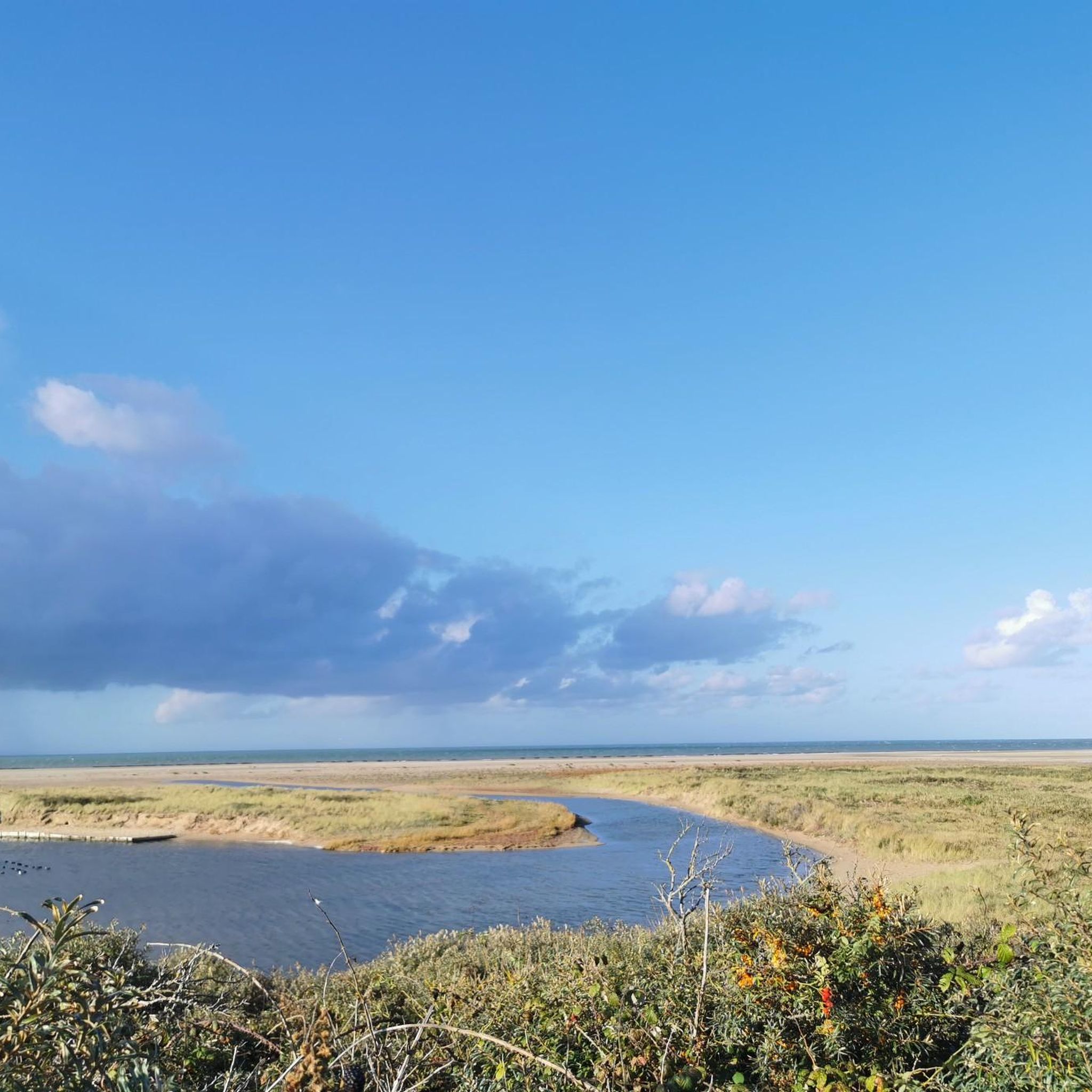
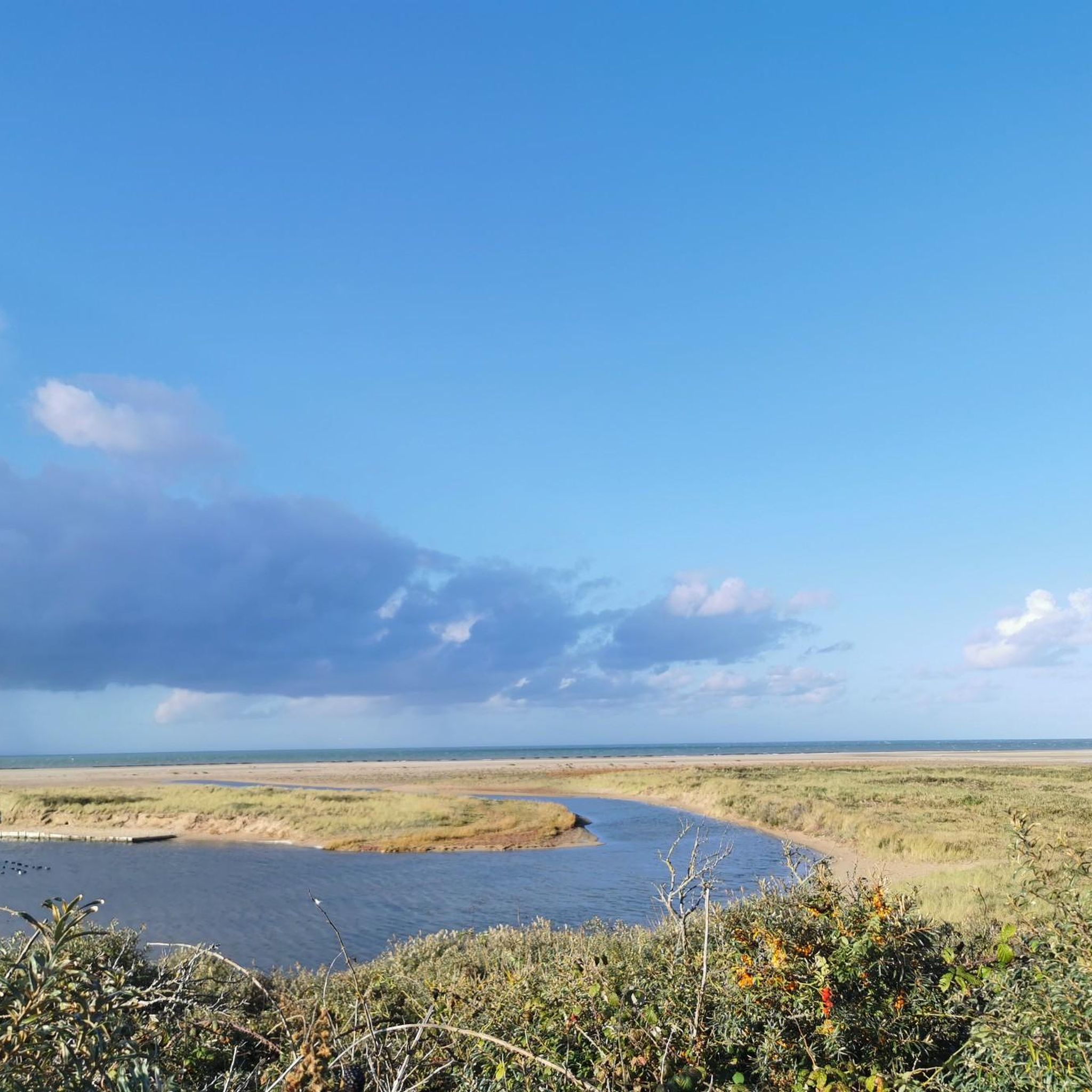
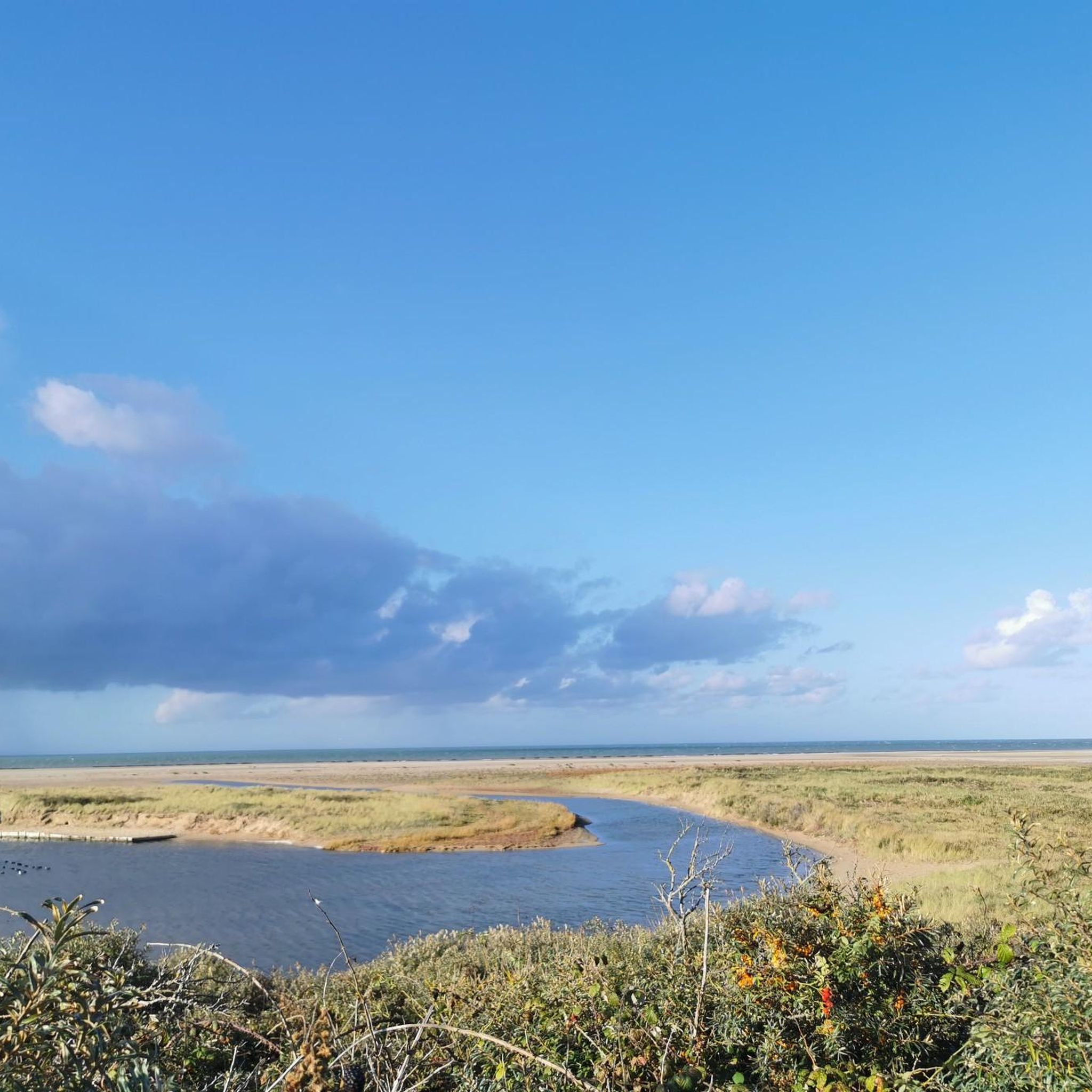
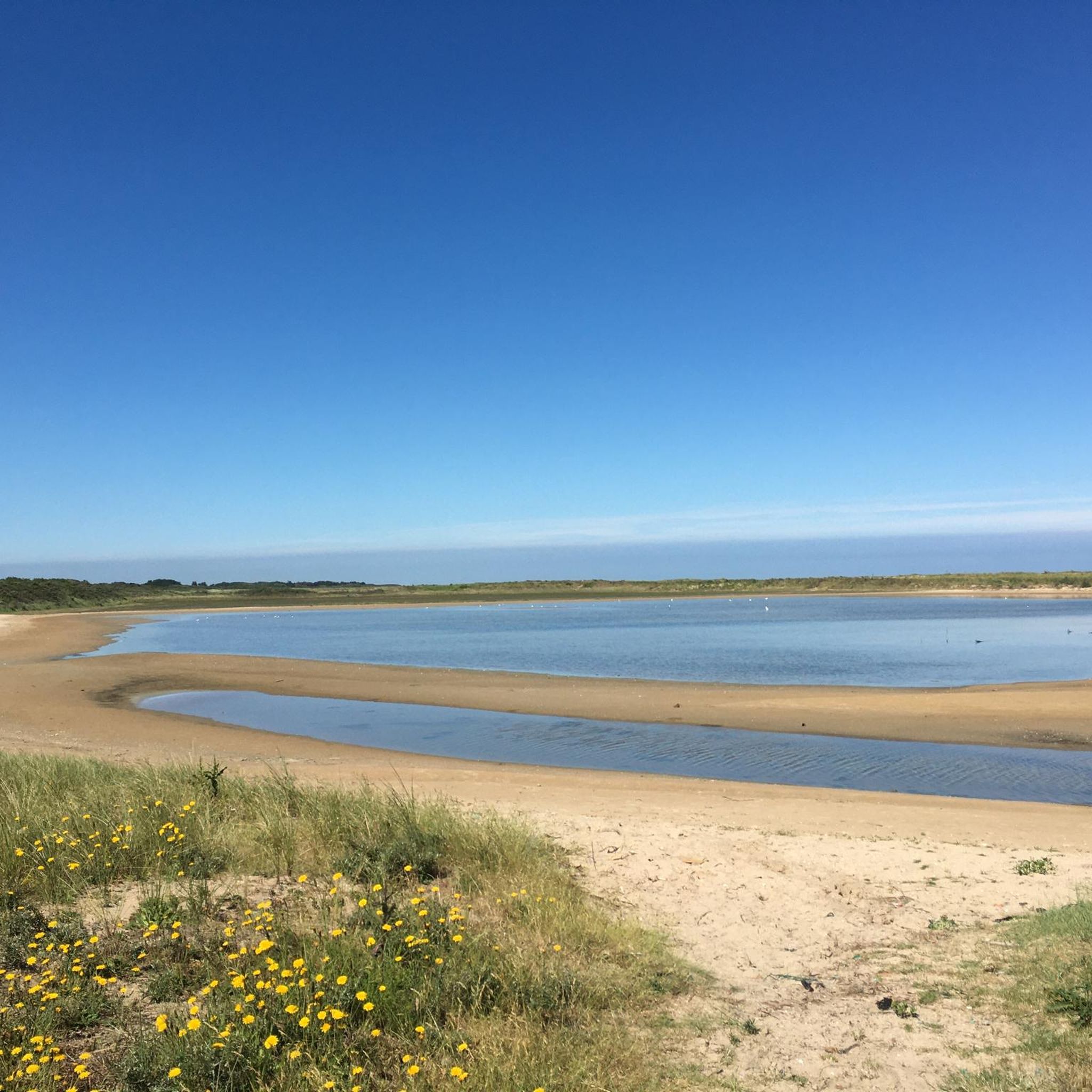
The Réserve Naturelle Nationale du Platier d'Oye is a magnificent nature reserve located near Dunkirk. This reserve covers an area of 391 hectares and offers a unique ecosystem with a rich biodiversity. Here you can discover 230 species of birds, 20 species of mammals and 361 species of flowers and plants. It is an important stopover for migratory birds along the coast of the Manche and the North Sea. There are three marked hiking trails through the dunes and wetlands, which are popular with botanists, birdwatchers and regular walkers. The reserve is always open and offers a wonderful place to explore nature and enjoy the peace and beauty of the area.
10
0
On the beach to the North of Les Ecardines there are some bunkers which belong to the Infantry Stützpunkt Martha. This strongpoint with 2 bunkers laying on the beach was part of the coastal defence and observation. One of the bunkers on the beach is a Regelbau R120 observation bunker with a 21P7 metal cupola on top. It has three entrances and a armoured close defence opening for a MG. A flanking wall lies next to it in the sand. Next to the observation bunker is a Regelbau R630 type bunker. It housed a gun behind a big armoured plate. The armament of Strongpoint Martha consisted of MG’s in the R630 (MG stand for Machine Gewehr – machine guns), a 5cm M19 mortar, a 5cm gun, a 3,7cm Anti Tank gun, a MG-cupola, 2 Mortars and 5 MG’s. This heavily defended strongpoint housed the observation bunker of HKB Murane, as well as the headquarters of the 8th kompagnie. These bunkers, are part of a Luftwaffe Field Division instead of the Kriegsmarine. InfStp. Martha has eight bunkers in total. The other bunkers of this strongpoint can be found further up the dunes.
11
0


Formerly a boathouse, the Gravelines Rescue Museum exhibits the history of sea rescuers and uses a launching ramp. This site, essential to understanding rescue operations, allows you to discover the techniques and equipment used over the years.
2
0


A paradise for ornithologists, the Oye Platier nature reserve is the first French stopover for many migratory birds. It has an area of 391 hectares. Shaped by the combined action of the sea, sand and wind, it is one of the must-see attractions on the Opal Coast.
3
0

A remnant of the Atlantic Wall and thus of the Second World War. Not necessarily beautiful but important as a memorial.
5
0
Frequently Asked Questions
What natural features can I explore around Nouvelle-Église?
The area is rich in natural landscapes, notably the Platier d'Oye National Nature Reserve. This 391-hectare reserve is shaped by the sea, sand, and wind, offering a unique ecosystem with dunes and wetlands. It's an important stopover for migratory birds and features marked hiking trails.
Are there opportunities for birdwatching in the area?
Yes, the Platier d'Oye National Nature Reserve is a paradise for ornithologists. It serves as the first French stopover for many migratory birds, hosting 230 species of birds, along with various mammals and plants. It's an ideal spot for birdwatching along the Opal Coast.
What historical sites can I visit around Nouvelle-Église?
You can explore several historical sites, including the Rescue Museum, housed in a former boathouse, which details the history of sea rescuers. The Écardines Bunkers offer a glimpse into the Atlantic Wall remnants from WWII. Additionally, the Porte aux Boules in Gravelines is a historic fortified gate.
Where can I see remnants of the Atlantic Wall?
The Écardines Bunkers are significant remnants of the Atlantic Wall from the Second World War. These historical structures are found on the beach and in the dunes, serving as witnesses to coastal defense and observation points.
Is there a museum dedicated to local history or maritime heritage?
Yes, the Rescue Museum is a historical museum housed in a former boathouse. It exhibits the history of sea rescuers and their operations, including techniques and equipment used over the years, providing insight into the region's maritime heritage.
Are there family-friendly attractions around Nouvelle-Église?
Many attractions are suitable for families. The Rescue Museum offers an engaging look at maritime history. Exploring the trails at Platier d'Oye National Nature Reserve can be an educational outdoor activity, and the historic Porte aux Boules is also considered family-friendly.
What hiking trails are available near the attractions?
The region offers various hiking opportunities. You can find marked trails through the dunes and wetlands at the Platier d'Oye National Nature Reserve. For more options, explore the dedicated guide to Hiking around Nouvelle-Église, which includes routes like the 'Platier d'Oye Loop' and trails near the 'Écardines Bunkers'.
Can I go cycling near Nouvelle-Église?
Absolutely. The area provides several cycling routes suitable for touring. You can discover routes like the 'Mills and Drying Houses Circuit' or a loop connecting the 'Rescue Museum' and 'Grand-Fort-Philippe Beach'. Find more details and routes in the Cycling around Nouvelle-Église guide.
What is the significance of the Porte aux Boules?
The Porte aux Boules, formerly known as 'Porte de Dunkerque', was one of only two access points to the fortified town of Gravelines. It was originally equipped with a drawbridge and is named after the two decorative stone spheres adorning it. This fortified gate is a significant historical monument, classified in 1936.
What kind of natural environment characterizes the area around Nouvelle-Église?
Nouvelle-Église is located in the Pas-de-Calais department, within the 'Caps and Marais d'Opale' natural park. The area is characterized by a blend of coastal features, including beaches and dunes, and diverse nature reserves like the Platier d'Oye National Nature Reserve, which features wetlands and a rich biodiversity.
What do visitors particularly enjoy about the attractions near Nouvelle-Église?
Visitors appreciate the blend of cultural heritage and natural beauty. The Platier d'Oye National Nature Reserve is highly regarded for its unique ecosystem and birdwatching opportunities. The historical sites, such as the Rescue Museum and Écardines Bunkers, are valued for their historical significance and insights into the past.
Can I visit a traditional fishing village nearby?
Yes, Grand-Fort-Philippe is a traditional fishing village located at the mouth of the River Aa. Its main activities have historically been linked to fishing, with a remaining smokehouse that traditionally brines, dries, and smokes fish on beech wood. It also has museums that preserve its maritime memory.
Most popular routes around Nouvelle-Église

Get inspired with the komoot mobile app


Explore more
Still not found the Highlight you’re looking for? See guides of the top attractions in other regions:
