The best road cycling routes around Offekerque
4.3
(180)
5,548
riders
413
rides
Road cycling routes around Offekerque are characterized by tranquil rural landscapes and traditional agricultural features within the Pas-de-Calais department. The terrain is generally flat to gently undulating, with elevations typically ranging from 1 to 5 meters, making it accessible for various fitness levels. The area features a network of quiet, often paved roads, providing comfortable cycling conditions through the local countryside and alongside distinctive "watergangs." Proximity to natural reserves and coastal attractions also offers varied scenery for road cyclists.
Best…
Last updated: July 1, 2026
4.9
(8)
68
riders
58.2km
02:59
160m
160m
Moderate road ride. Good fitness required. Some segments of this route may be unpaved and difficult to ride.
4.0
(1)
38
riders
54.0km
02:08
60m
60m
Moderate road ride. Good fitness required. Mostly well-paved surfaces and easy to ride.

Sign up for free
29
riders
102km
04:46
1,040m
1,040m
Hard road ride. Very good fitness required. Mostly well-paved surfaces and easy to ride.
4.0
(2)
21
riders
70.0km
03:08
530m
530m
Moderate road ride. Good fitness required. Some segments of this route may be unpaved and difficult to ride.
5.0
(2)
29
riders
61.6km
02:40
410m
410m
Moderate road ride. Good fitness required. Mostly well-paved surfaces and easy to ride.
Get access to more routes and recommendations from other explorers.
Sign up for free
Already have an account?
Our route recommendations are based on thousands of hikes, rides, and runs completed by other people on komoot.
Start today with a free account
Your next adventure awaits.
Login or Signup
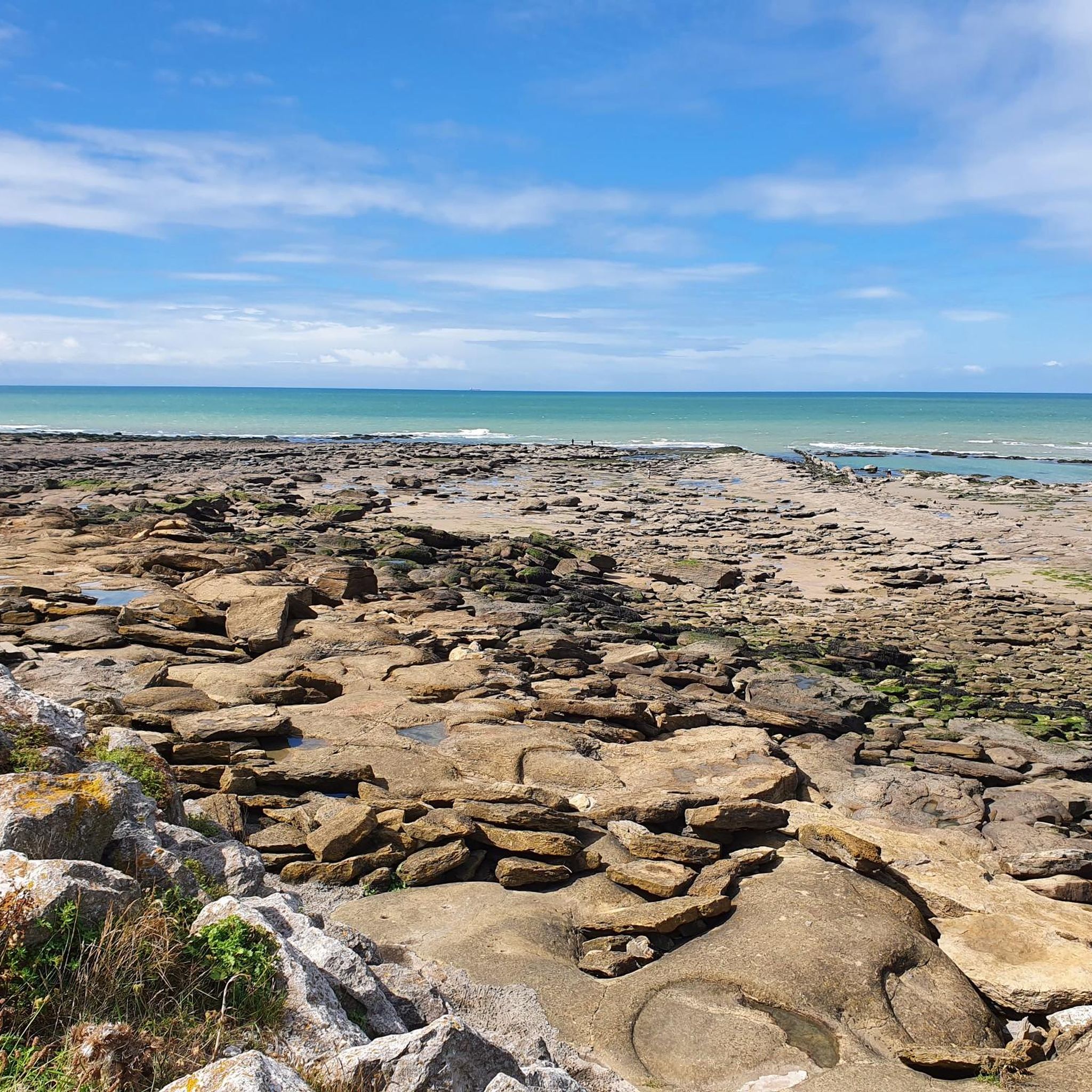
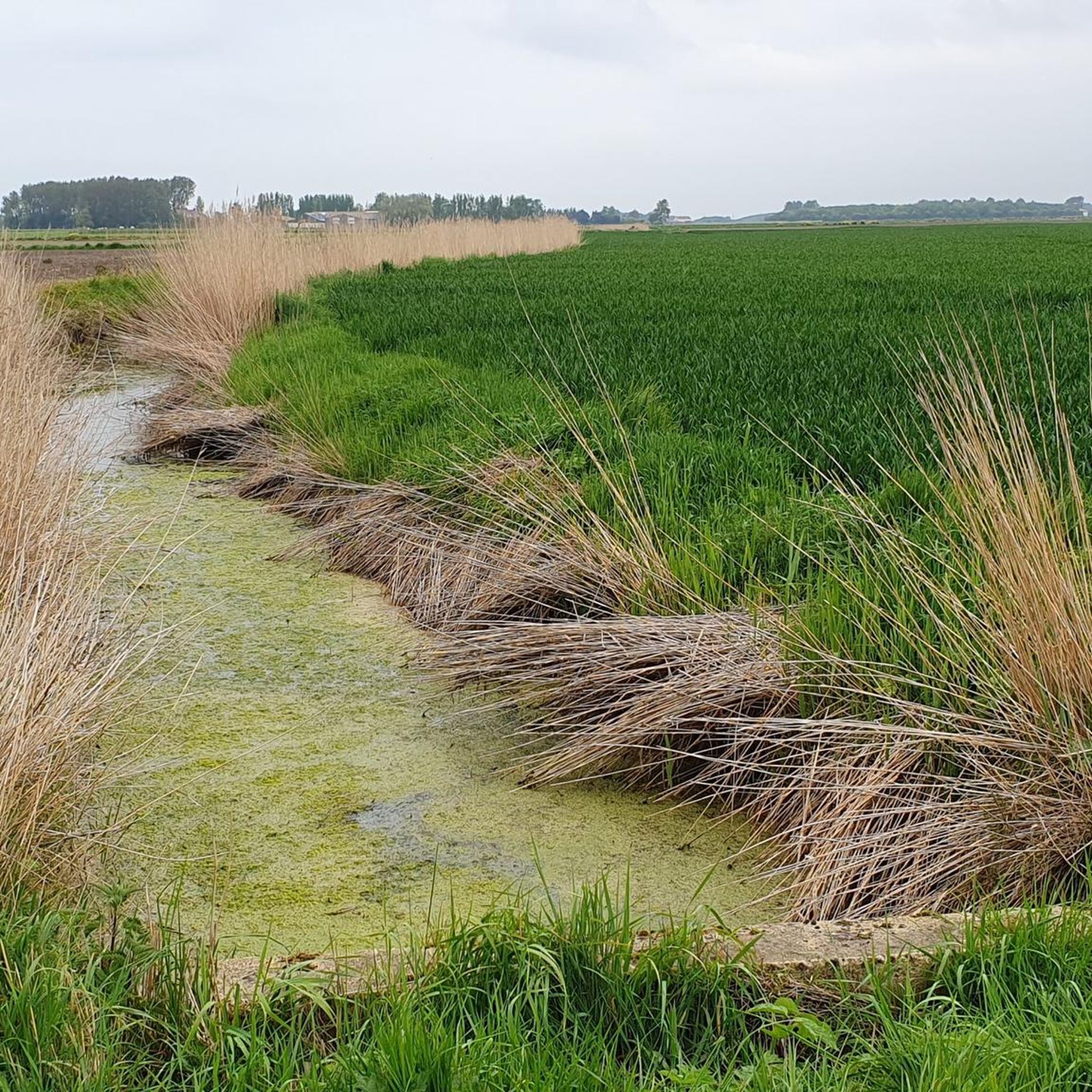
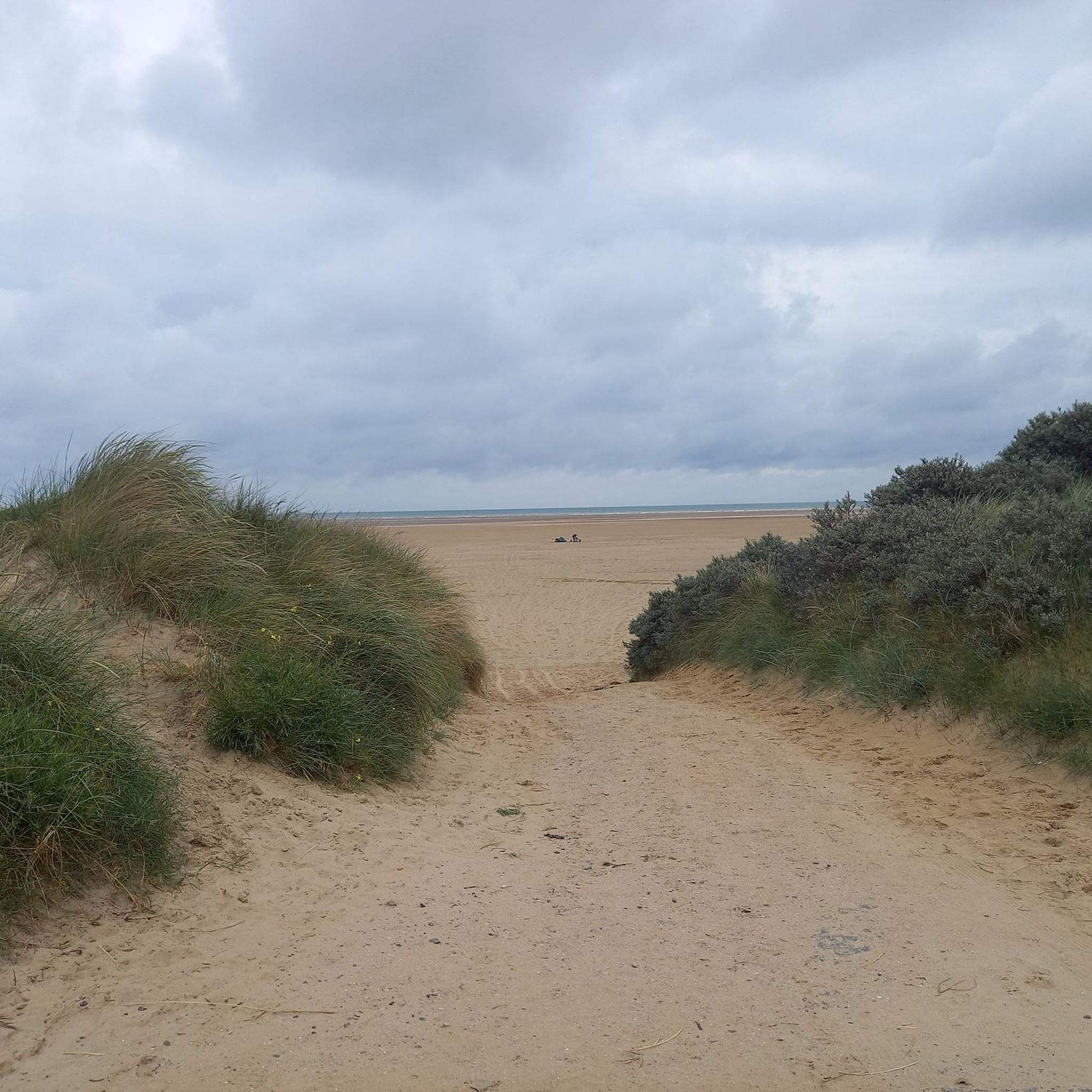

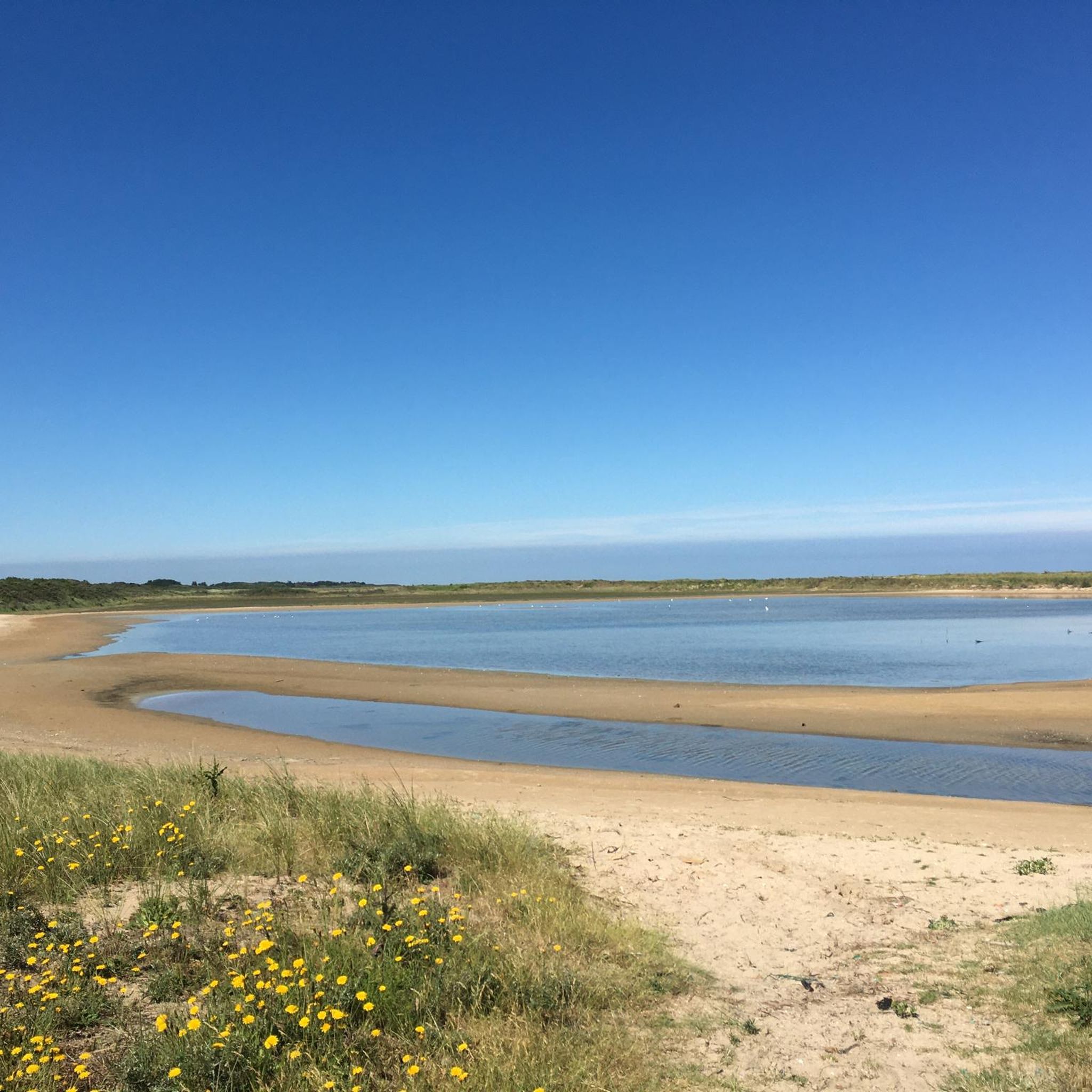
Tips from the Community


Magnificent articulated dragon that you can ride on
2
0
A very beautiful lighthouse located next to the town.
1
0

The Calais Lighthouse. The Calais Lighthouse has been in operation since 1848 and offers an exceptional panorama of the harbor and the Pas de Calais Strait. Overlooking the Courgain River, it features a classroom dedicated to maritime signaling.
2
0
Charles de Gaulle, the former president of the Republic and leader of Free France, had a special bond with Calais. This had a sentimental background, for Yvonne Vendroux, later Madame Charles de Gaulle (affectionately called "Aunt Yvonne" by the French), originally came from the port city in the Hauts-de-France region.
2
0

Construction of the Sacré-Coeur church began in 1867, and although it was not completed due to lack of funds, it was opened for worship in 1871. Work did not resume until 1877, finally being completed in 1892 with the addition of the bell tower.
0
0
In 1882, Father Debras was already thinking about building a sanctuary dedicated to the Virgin Mary. Seeing the deplorable state of the district known as "Cailloux", he intended to echo the Marian devotion of Father G. Bellanger (1861-1902) within this somewhat isolated space, north of the city, while paying homage to the Patron Saint of soldiers. Having never seen the completion of his work, it was Father Debout who took over the work in 1906. The new parish therefore acquired a vicar, Father Peugnet, who launched the bulletin "Notre-Dame des Armées" and a subscription to raise funds to continue the work on the church. However, the 1914-1918 war forced him to delay the work. Subscriptions declined, partly due to the devaluation, but, as a parish bulletin mentions, the number of faithful praying "for the salvation of France, for the protection of their soldiers, to obtain the grace of courage and resignation" increased. After the war, with numerous appeals in the local press and the Voix de Notre-Dame, Father Peugnet relaunched a special subscription for donors of 500 francs: "the godfathers and godmothers of Notre-Dame." Postcards with the caption "Subscribe in memory of our soldiers" were published at each stage of construction. Indeed, from an estimated cost of 100,000 francs in 1914, the expenditure rose to over a million francs. On December 2, 1940, the Kommandantur requisitioned the Cailloux Church for a service in memory of 18 teenage members of the Hitler Youth, killed the previous morning by a bomb from a lone plane, while they were gathering at the end of Cosmorama Street (Rue Monseigneur Piedfort) waiting for trucks to transport them to the construction sites on the coast. After the German occupation, the church was returned to worship.
0
0
The construction of the Sainte Germaine church was a long project, fraught with pitfalls and uncertainties. It was born from the will of two men: Monsignor Lobbedey and Abbot Constant Hanse, who wanted to open a new place of worship in an outlying district of Calais, linked to the industrial activity of artificial silk. A subscription was launched in 1918 and the first stone was laid on July 29, 1928. It is the work of the architect Julien Barbier (1869-1940). Facing construction problems (marshy soil), its construction extended over a long period and was completed in 1986 with the construction of the belfry by the diocesan architect Mr. Twitchett and the Payeux company in Arras. Inside, the church presents vast open spaces evoking the inspiration of early Christian basilicas. Its interior is quite refined, yet presents a unified decor and a very consistent stained-glass program. These stained-glass windows, the work of Louis Barillet, Théo Hanssen, and Jacques Le Chevallier around 1934, are protected as historic monuments by decree of February 3, 1997. The movable objects (baptismal font, Stations of the Cross) are of fine quality and blend perfectly into the building. Listed as a historic monument, in its entirety, by decree of October 13, 2021.
0
0
Frequently Asked Questions
What kind of terrain can I expect when road cycling around Offekerque?
Road cycling around Offekerque is characterized by tranquil rural landscapes and traditional agricultural features. The terrain is generally flat to gently undulating, with elevations typically ranging from 1 to 5 meters, making it accessible for various fitness levels. You'll find a network of quiet, often paved roads that wind through the local countryside and alongside distinctive 'watergangs'.
How many road cycling routes are available in the Offekerque area?
There are over 400 road cycling routes available around Offekerque, catering to a wide range of abilities. This includes approximately 100 easy routes, over 260 moderate routes, and more than 40 difficult routes for experienced cyclists.
Are there any challenging road cycling routes for experienced riders near Offekerque?
Yes, for experienced riders seeking a challenge, routes with significant ascent are available. For example, the Bois Lottin Climb – Ascent Route d'Audruicq loop from Nortkerque is a difficult 102.3 km trail with over 1000 meters of elevation gain, typically completed in about 4 hours 45 minutes.
What are some scenic highlights or landmarks I can see along the road cycling routes?
Many routes offer views of local landmarks and natural beauty. You might pass by the Town Hall and its belfry, or enjoy coastal scenery near the Calais Lighthouse. The wider region also features the Platier d'Oye National Nature Reserve and historical sites like the Écardines Bunkers.
Are there any road cycling routes that offer coastal views?
Absolutely. The region's proximity to the coast means several routes provide stunning seaside vistas. The Place d'Armes – Calais Lighthouse loop from Nortkerque is a popular moderate 53.1 km route that offers beautiful coastal scenery and passes by the Calais Lighthouse.
What do other road cyclists say about the routes around Offekerque?
The road cycling routes around Offekerque are highly rated by the komoot community, with an average score of 4.4 stars from over 190 reviews. Cyclists often praise the tranquil rural landscapes, the network of quiet roads, and the varied terrain that caters to different ability levels.
Are there any long-distance road cycling routes available?
Yes, there are several long-distance options. For instance, the Descent from Quercamps to Acquin – Étang d'Ardres loop from Nortkerque is a difficult 106.4 km route, offering a substantial ride for those looking for longer excursions.
Can I find circular road cycling routes in the Offekerque area?
Many of the road cycling routes around Offekerque are designed as loops, allowing you to start and finish at the same point. An example is the popular Marsh Cycle Route – Town Hall and its belfry loop from Nortkerque, a 58.8 km trail that showcases local landmarks.
What is the best time of year for road cycling in Offekerque?
The region is generally accessible for cycling for much of the year. Spring and autumn offer pleasant temperatures and beautiful scenery. Summer is also popular, though it can be warmer. Winter cycling is possible, but be prepared for cooler temperatures and potentially wet conditions.
Are there any routes that take me through the natural reserves?
While specific road cycling routes might not directly traverse the most sensitive areas of nature reserves, many routes pass nearby or offer views of them. The Réserve Naturelle Nationale du Platier d'Oye, a significant natural highlight, is approximately 8 km away and can be a destination or point of interest on a longer ride.
Are there any moderate-difficulty routes that offer a good balance of distance and scenery?
Yes, a great option for a moderate ride is the Wissant – Wissant Beach loop from Nortkerque. This 69.9 km route offers a good distance and varied scenery, including coastal elements, and typically takes around 3 hours 8 minutes to complete.
Most popular routes around Offekerque
Most popular attractions around Offekerque

Get inspired with the komoot mobile app


Explore more
Browse the best Road cycling routes in other regions.
