Attractions and Places To See around Éperlecques - Top 20
Best attractions and places to see around Éperlecques include a variety of natural landscapes and historical sites. The region features a mix of nature reserves with ponds and canals, significant historical monuments, and elevated viewpoints. Visitors can explore areas that offer panoramic views and delve into the rich cultural heritage of the area. These top rated attractions Éperlecques provide diverse experiences for those interested in history, nature, and easy walks Éperlecques.
Best attractions and places to see around Éperlecques
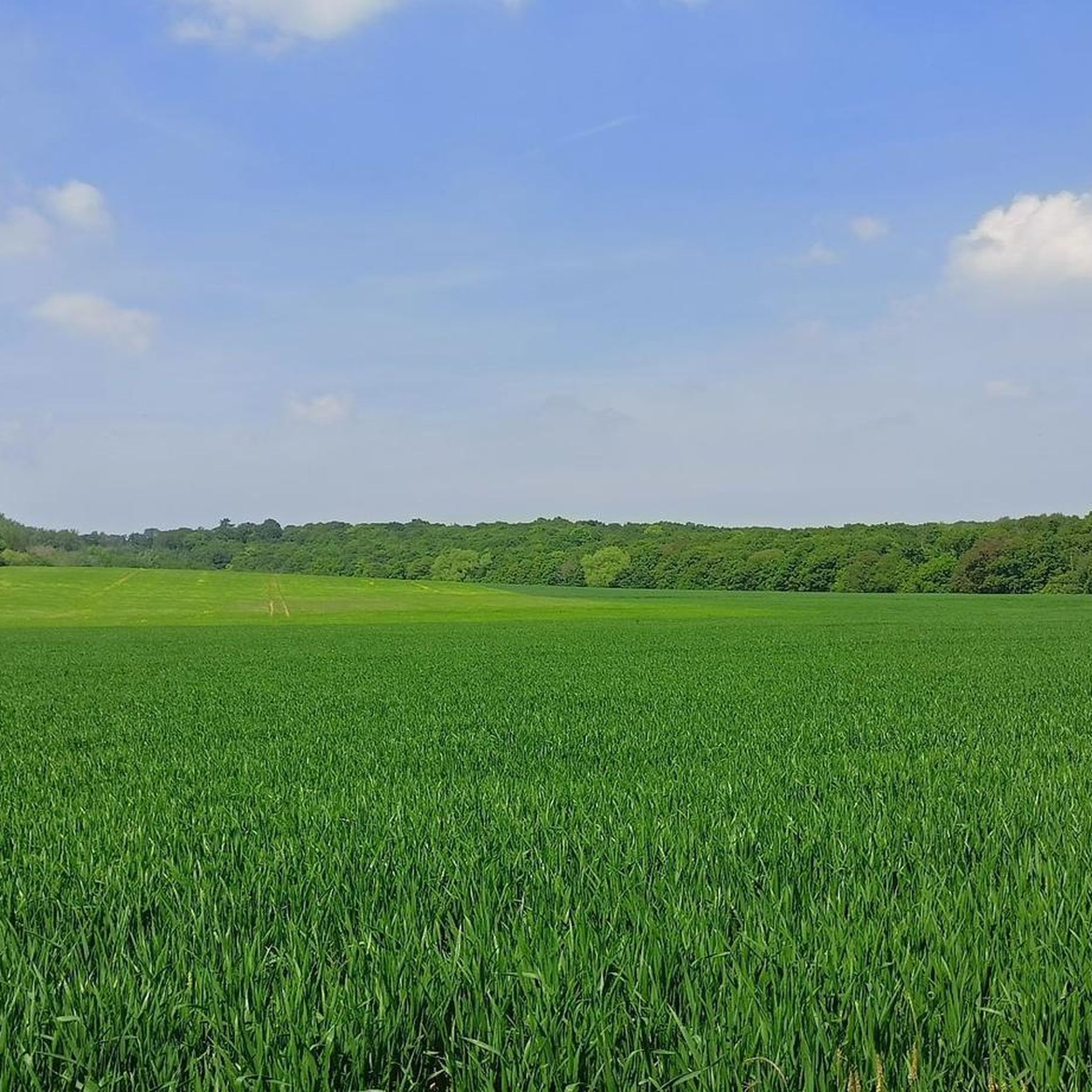
- The most popular attractions is Watten Hill, a summit that offers a panoramic view of the city and its surroundings. It dominates the Aa valley and the Flemish plain, providing a strategic lookout point.
- Another must-see spot is Romelaëre Ponds Nature Reserve, a nature reserve located in Clairmarais, Saint-Omer and Nieurlet. This area consists of ponds, canals, bridges, and chain pits, supporting a rich diversity of flora and fauna.
- Visitors also love Saint-Omer Cathedral, a religious building known for its impressive shape and dimensions. It features a 50 m high facade tower and a 15th-century statue of the Virgin Mary.
- Éperlecques is known for its nature reserves, historical monuments, and panoramic viewpoints. The region offers a variety of attractions to see and explore, from natural landscapes to significant architectural sites.
- The attractions around Éperlecques are appreciated by the komoot community, with 122 upvotes and 73 photos shared by visitors.
Last updated: August 26, 2026
Romelaëre Ponds Nature Reserve
Highlight • Other
Translated by Google •
Tip by

Watten Hill
Highlight • Summit
Translated by Google •
Tip by
Sign up now to discover places like this
Get recommendations on the best single tracks, peaks, & plenty of other exciting outdoor places.
Sign up for free
Saint-Omer station
Highlight • Monument
In 1904, a new, monumental station building was inaugurated, designed by the architect Clément Ligny. This building, with its neoclassical architecture, was built with high-quality materials such as blue stone from Soignies and white stone from Creil. The design reflects the grandeur of a 17th-century castle, complete with symmetrical pavilions and decorative elements such as triglyphs and pediments.
Translated by Google •
Tip by
Ruin of St Martin's church
Highlight • Other
Translated by Google •
Tip by
Clairmarais Church
Highlight • Other
Translated by Google •
Tip by
Sign up for free to discover even more attractions around Éperlecques.
Sign up for free
Already have an account?
Start today with a free account
Your next adventure awaits.
Login or Signup



Tips from the Community


After being closed for several years, the Saint-Omer train station has been given a facelift. The new, completely renovated building is dedicated to travelers, of course, but also to artists, craftspeople, entrepreneurs… La Station isn't just a station; it's "a space for innovation with a station inside." (c) https://nl.tourisme-saintomer.com/verwonderend/erfgoed-wonderen/meesterwerken-bewonderen/het-station-een-station-en-een-plaats-voor-innovatie/
0
0

starting point for quite a few hikes
0
0

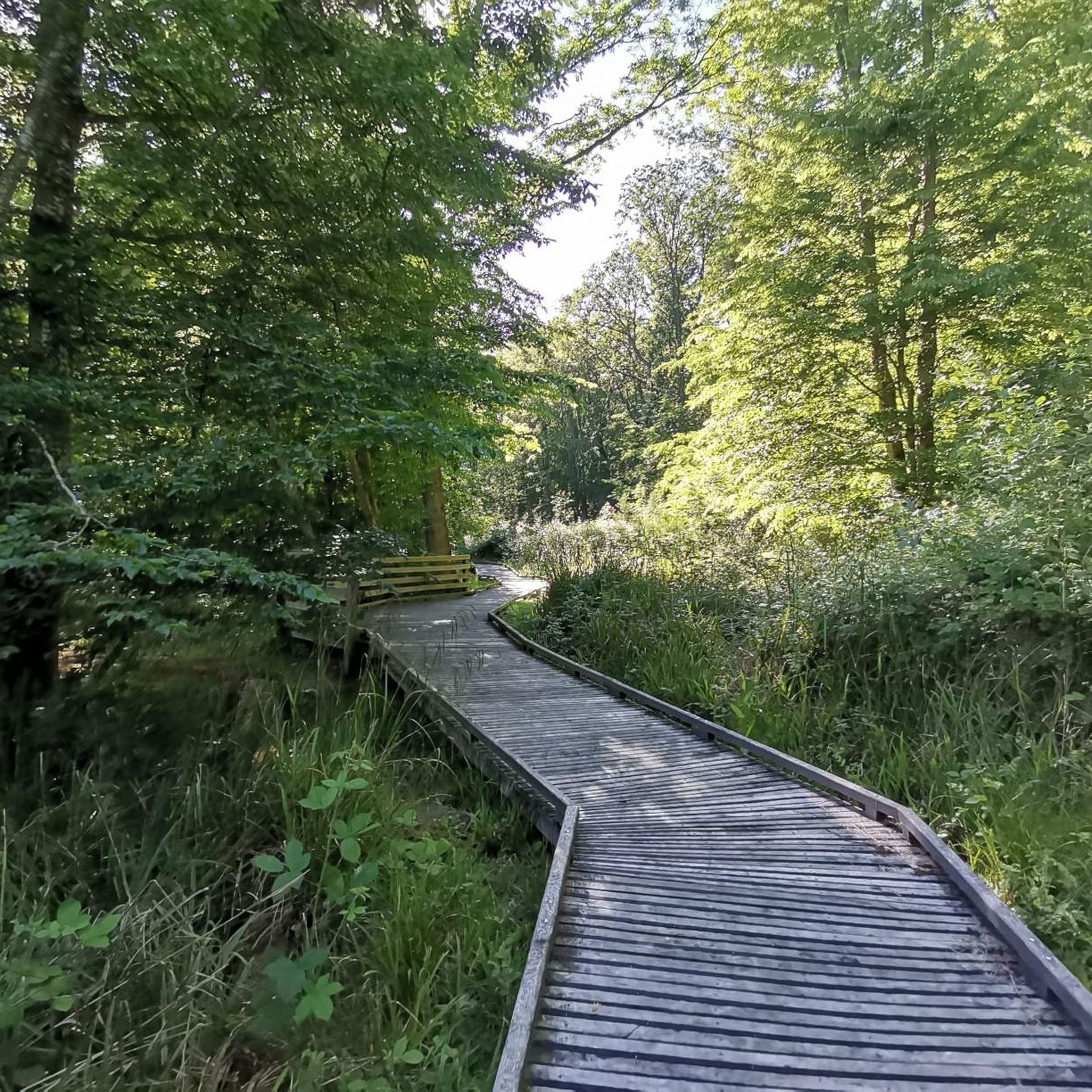
nature reserve where you can take a short circular walk (1 hour) and go to the observatory
0
0
here is an information board with all tourist information
0
0

The church of Clairmarais was built in 1873, near the ruins of the former Cistercian abbey that gave the village its name. It replaced the abbey church that was destroyed during the French Revolution. The church is dedicated to Saint Bernard of Clairvaux, the spiritual father of the abbey. Today it is a landmark in the village and a silent witness to the religious heritage of this region. Note the coloured memorial to the dead next to the church.
5
0

Imposing church in the town.
3
0
Frequently Asked Questions
What kind of natural attractions can I explore around Éperlecques?
The region offers beautiful natural landscapes, notably the Romelaëre Ponds Nature Reserve. This reserve features a network of ponds, canals, and bridges, supporting diverse flora and fauna. It's a remnant of an old peat cutting area and includes an observatory for wildlife viewing. Additionally, Watten Hill provides panoramic views over the Aa valley and the Flemish plain.
Are there any historical sites or monuments to visit near Éperlecques?
Yes, the area is rich in history. You can visit the impressive Saint-Omer Cathedral, known for its grand architecture, 50-meter high facade tower, and significant artworks like a 15th-century Virgin Mary statue and a Rubens painting. Another notable historical site is the Ruin of St Martin's church, which are the remains of the ancient Benedictine Abbaye Saint-Bertin, offering a glimpse into medieval history.
What are some good options for easy walks or beginner hikes in the Éperlecques area?
For easy walks, the Romelaëre Ponds Nature Reserve offers a pleasant, flat experience with a chain ferry crossing. While specific 'easy walks' are not detailed in the provided data, the general terrain around nature reserves often provides accessible paths. For more structured routes, consider exploring the Running Trails around Éperlecques guide, which includes moderate options that can be adapted for walking.
Are there any viewpoints offering scenic panoramas around Éperlecques?
Absolutely. Watten Hill is a prominent viewpoint, offering a panoramic vista of the city of Watten, the Aa valley, and the vast Flemish plain. It has historically served as a strategic lookout point.
What outdoor activities, such as cycling or running, can I do near these attractions?
The region around Éperlecques is excellent for outdoor activities. You can find numerous routes for different sports. For running, check out the Running Trails around Éperlecques guide, which includes loops from Éperlecques and Watten. Cyclists can explore the Cycling around Éperlecques guide, featuring routes like the 'Chestnut tree bridge – Guillotine Bridge loop'. For gravel biking, the Gravel biking around Éperlecques guide offers challenging trails.
Is public transport available to reach attractions in the Éperlecques area?
Saint-Omer, a nearby town, has a train station, Saint-Omer station, which is a beautifully renovated building with historical significance. From Saint-Omer, local bus services or taxis would likely connect to Éperlecques and its surrounding attractions. Specific routes and schedules should be checked with local transport providers.
Are there any attractions around Éperlecques that are wheelchair accessible?
The Saint-Omer station is noted as wheelchair accessible. For other attractions, accessibility can vary. While the Romelaëre Ponds Nature Reserve offers relatively flat paths, it's always advisable to check specific conditions for natural sites. Historical buildings like the Saint-Omer Cathedral or the Ruin of St Martin's church may have limited accessibility due to their age and structure.
What do visitors particularly enjoy about the attractions around Éperlecques?
Visitors appreciate the diverse experiences offered. For instance, the Romelaëre Ponds Nature Reserve is loved for its 'super 100% free walk' and the opportunity to use a unique chain ferry. Watten Hill is valued for its expansive panoramic views and historical context. The Saint-Omer Cathedral impresses with its grandeur and rich artistic and religious heritage.
Can I bring my dog to the nature reserves or trails in the area?
When visiting the Romelaëre Ponds Nature Reserve, it is important to note that dogs are generally not allowed to protect the delicate ecosystem and wildlife. For other trails, it's best to check local signage or specific guide information, as policies can vary.
Are there any specific tips for visiting the Romelaëre Ponds Nature Reserve?
Yes, visitors recommend taking the 'super 100% free walk' through the marshes. Be aware that dogs are not allowed. There's also an observatory at the end of the walk for birdwatching and enjoying the natural surroundings. You'll also encounter a unique chain ferry to cross a stream and pass by fields of cauliflower.
What is the best time of year to visit Éperlecques for walking and exploring attractions?
While specific seasonal data isn't provided, generally, spring (April-June) and autumn (September-October) offer pleasant temperatures for walking and exploring natural and historical sites without the peak summer crowds. These seasons also provide beautiful scenery, from blooming flora to vibrant autumn colors. Summer can be warm, ideal for longer daylight hours, while winter walks might be possible but could be chilly.
Are there any hidden gems or lesser-known spots worth discovering around Éperlecques?
While the main highlights are well-known, exploring the smaller paths and less-traveled areas around the Romelaëre Ponds Nature Reserve can reveal quiet corners and unique wildlife. The historical context of Watten Hill, with its mill and abbey ruins, offers a rich, layered experience beyond just the view. The renovated Saint-Omer station itself is an architectural gem worth appreciating.
Most popular routes around Éperlecques
Most popular attractions around Éperlecques

Get inspired with the komoot mobile app


Explore more
Still not found the Highlight you’re looking for? See guides of the top attractions in other regions:
