Top 8 Mountain Passes around Poliénas
Best mountain passes around Poliénas are located in the Isère department, within the Auvergne-Rhône-Alpes region of France. Poliénas is situated near mountainous areas such as the Vercors massif and is part of the Grenoble metropolitan area. This region offers numerous passes popular for cycling, hiking, and scenic drives. The surrounding landscape features diverse terrain, from lower altitudes to significant mountain ranges.
Best mountain passes around Poliénas
- The most popular mountain passes is La Molière Alpine Pasture and Panoramic View,…
Last updated: June 26, 2026
La Molière Alpine Pasture and Panoramic View
Highlight • Viewpoint
Hundreds of cows graze there every summer and enjoy a superb panoramic view of the Alps!
Translated by Google •
Tip by

Col de Romeyère
Highlight • Mountain Pass
Translated by Google •
Tip by

Sign up now to discover places like this
Get recommendations on the best single tracks, peaks, & plenty of other exciting outdoor places.
Sign up for free
Pas de Bellecombe
Highlight • Mountain Pass
Translated by Google •
Tip by

Toutes Aures Pass
Highlight • Mountain Pass
Translated by Google •
Tip by

Lachard Pass (695 m)
Highlight • Mountain Pass
Translated by Google •
Tip by

Sign up for free to discover even more mountain passes around Poliénas.
Sign up for free
Already have an account?
Start today with a free account
Your next adventure awaits.
Login or Signup
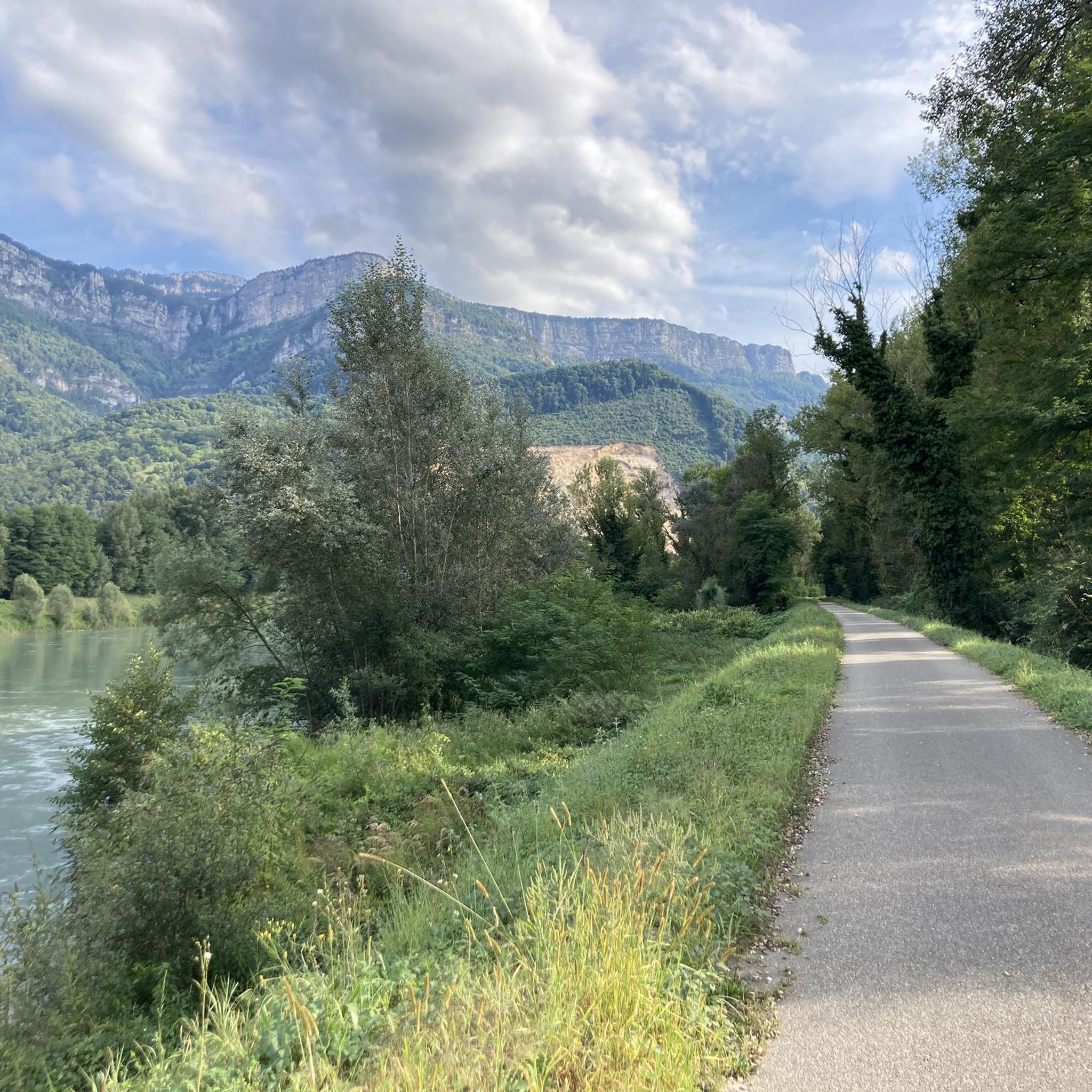
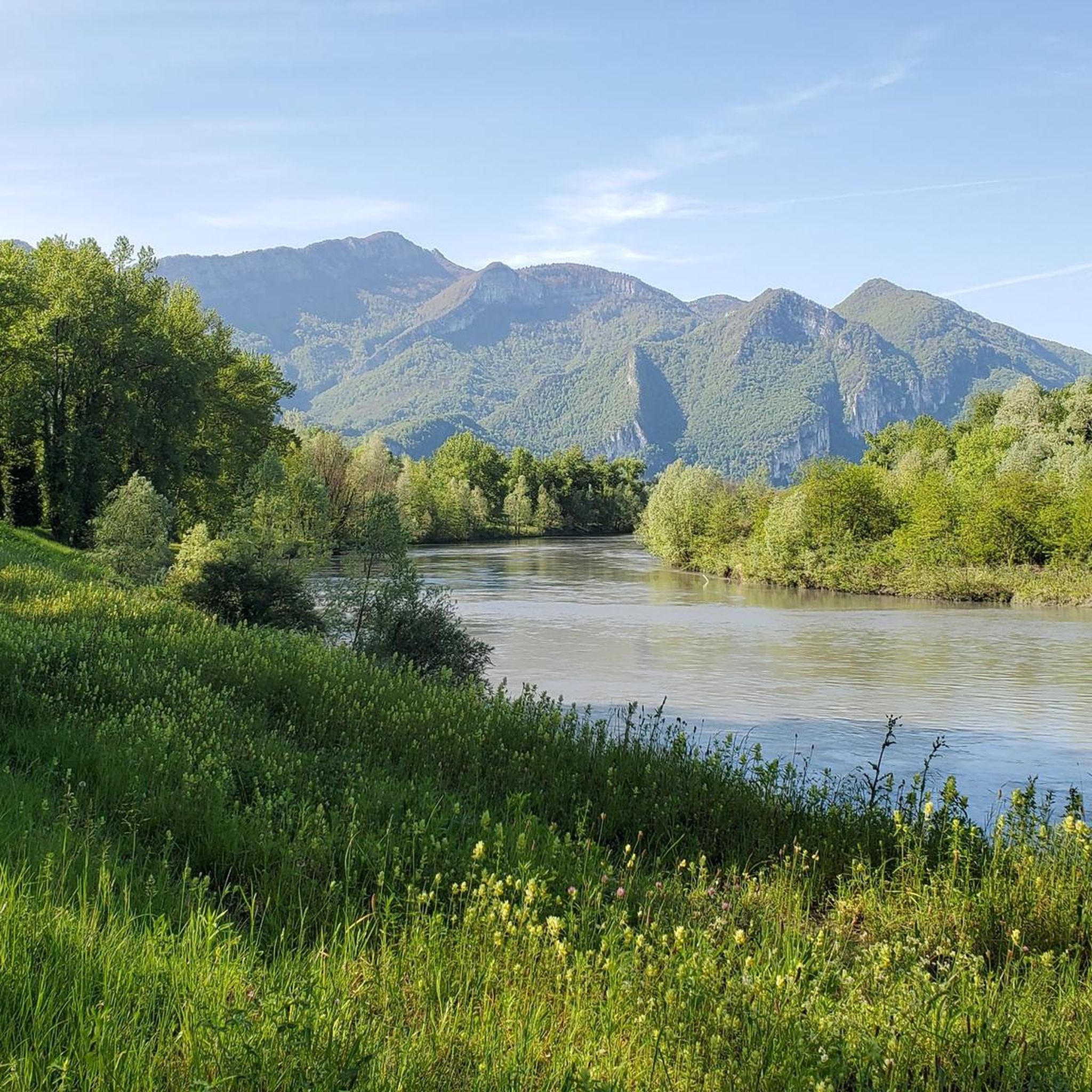
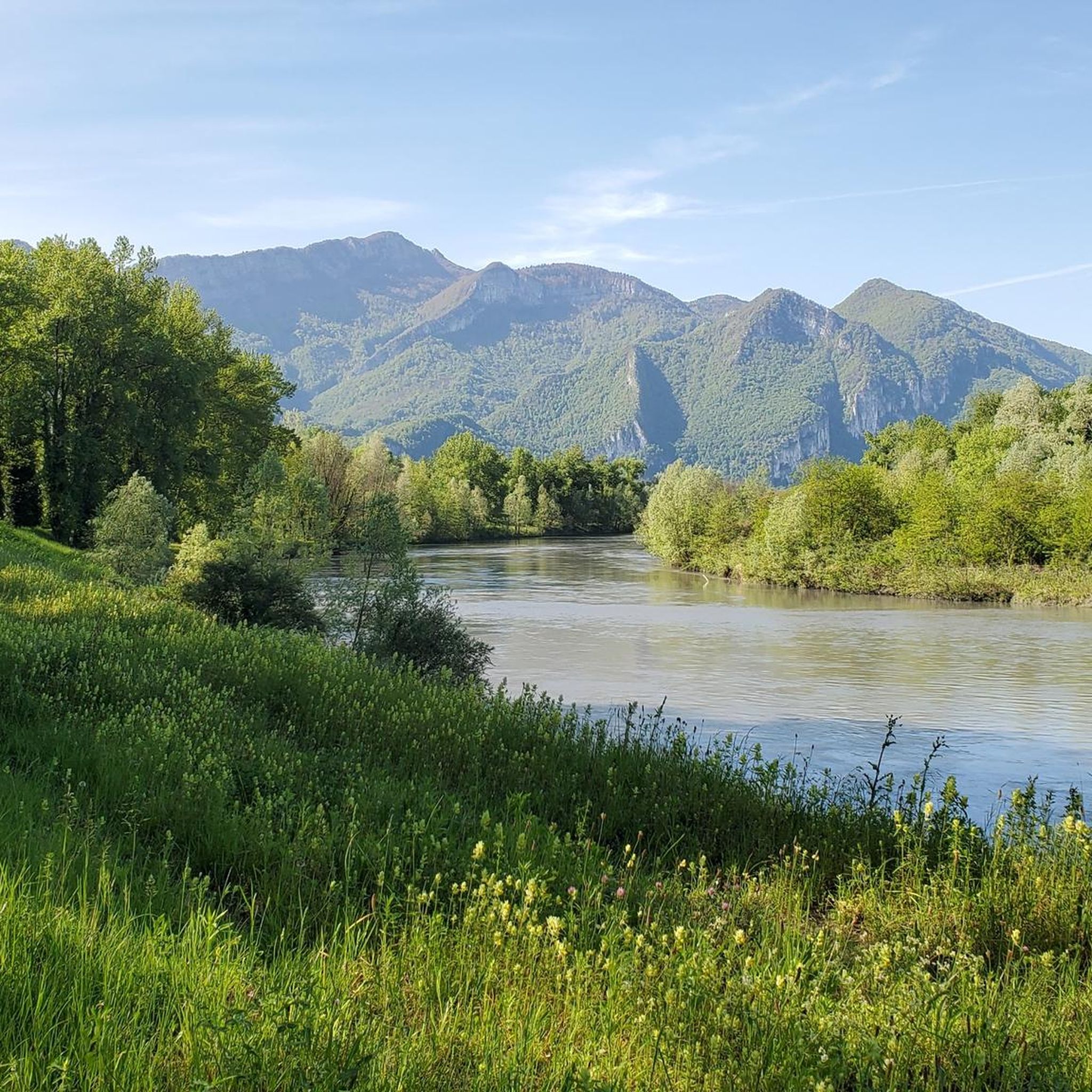
Tips from the Community

It goes up and down constantly along the ridge. Trail in S1, quite a few passages with roots and rolling stones. In gravel, you have to go down and push more than once but it's worth it.
0
1

A pass away from traffic, typical of the Vercors and its limestone atmosphere.
2
0

Not easy to reach, but once up there, all you have to do is go down!
0
0

Attached to the town of Rencurel in the Vercors park, the Col de Romeyère is at an altitude of 1,074 meters. There is a resort that offers outdoor activities in summer and winter.
0
0

An iconic pass in the Coulmes massif, accessible after a difficult climb on the north side, and an easier one on the south. It provides access to the Col du Mont Noir, the massif's benchmark pass.
2
0

The view from the pass is worth the effort!
0
0

Magnificent site with a superb view
0
0

There is a small cafe, a free water point and a small picnic area in the sun.
0
0
Frequently Asked Questions
What are some of the most popular mountain passes in the Poliénas region?
The Poliénas area, situated near the Vercors massif, offers several well-regarded mountain passes. Among them, La Molière Alpine Pasture and Panoramic View is a high-altitude viewpoint at 1,632 meters, known for its stunning panoramic views of the Alps. Another popular choice is Col de Romeyère, an iconic pass in the Coulmes massif, appreciated for its quiet, limestone atmosphere. Pas de Bellecombe also offers a distinct experience along a ridge with roots and rolling stones.
What kind of views can I expect from the mountain passes around Poliénas?
Many passes in the region offer magnificent vistas. From La Molière Alpine Pasture and Panoramic View, you can enjoy a superb panoramic view of the Alps, and on a clear day, even Mont Blanc. Toutes Aures Pass, at 628m, lives up to its name by providing a view of 'all horizons' between the Chambarans and the Bièvre plain. The Lachard Pass (695 m) also rewards climbers with worthwhile views from its summit.
Are there opportunities for cycling on the mountain passes near Poliénas?
Yes, the region is very popular for cycling. Passes like Col de Romeyère and Lachard Pass (695 m) are well-suited for road cycling, offering varying gradients. The broader Isère department features iconic climbs like the Alpe d'Huez and the Col de Sarenne for experienced cyclists. You can find numerous cycling routes, including challenging road cycling tours, in the area. For more details, explore the Cycling around Poliénas guide and the Road Cycling Routes around Poliénas guide.
What hiking experiences do the mountain passes around Poliénas offer?
The mountain passes near Poliénas provide diverse hiking opportunities. You can hike to high-altitude alpine pastures like La Molière Alpine Pasture and Panoramic View, or tackle ridge trails with roots and rolling stones at Pas de Bellecombe. The Vercors massif, which is nearby, is particularly known for its scenic trails. For specific hiking routes, check out the Hiking around Poliénas guide.
Are there challenging mountain passes for experienced cyclists or hikers in the region?
Absolutely. For cyclists, the ascent to Alpe d'Huez with its 21 hairpin bends is an iconic challenge, and the Col de Sarenne, reaching nearly 2,000 meters, demands good physical condition. Hikers looking for a demanding experience might find the ridge trail at Pas de Bellecombe challenging, especially on gravel bikes due to roots and rolling stones. The north side ascent to Col de Romeyère is also considered difficult.
What natural features are prominent around the mountain passes in Poliénas?
The region is characterized by diverse natural landscapes. You'll find high-altitude alpine pastures where cows graze, such as at La Molière Alpine Pasture and Panoramic View. Many passes are situated within massifs like the Vercors and Chartreuse, featuring limestone formations and forested areas. Ridge trails, like the one at Pas de Bellecombe, offer unique terrain with roots and rolling stones.
Are there any family-friendly mountain passes or activities near Poliénas?
While specific passes might vary in difficulty, many areas around Poliénas offer scenic drives and easier sections suitable for families. For instance, La Molière Alpine Pasture and Panoramic View is accessible by car (with shuttles available to limit traffic) and offers a beautiful setting where children can see hundreds of cows grazing. Passes like Col du Cucheron in the Chartreuse massif feature traffic-calmed climbs without extreme gradients, making them pleasant for family outings.
What amenities can I find at or near the mountain passes?
Some passes offer basic amenities. For example, Toutes Aures Pass provides a small picnic area, a free water point, and a small cafe. While many passes are more remote, nearby villages and towns will offer cafes, pubs, and accommodation options. It's always a good idea to check specific locations for available facilities before your visit.
What is the best time to visit the mountain passes around Poliénas?
The best time to visit largely depends on your planned activity. For cycling and hiking, late spring through early autumn (May to October) generally offers the most favorable weather conditions, with passes typically clear of snow. Passes like the Col du Petit Saint-Bernard are usually open during this period. During summer, high-altitude pastures like La Molière Alpine Pasture and Panoramic View are vibrant with grazing cows. Winter brings opportunities for snow-based activities, but many passes may be closed or require specialized equipment.
Can I find historical sites or points of interest near the mountain passes?
While Poliénas itself is not directly known for historical mountain passes, the broader region has some notable historical connections. For instance, the Col du Petit Saint-Bernard, though further afield on the France-Italy border, is historically significant, possibly used by Hannibal, and features a stone circle believed to date from the Iron Age. Many passes have also played roles in local history and transportation over centuries.
Are there any hidden gem mountain passes in the Vercors massif near Poliénas?
The Vercors massif, being a large and diverse area, certainly holds many less-trafficked gems. Col de Romeyère, for example, is described as a pass 'away from traffic, typical of the Vercors and its limestone atmosphere,' suggesting a more tranquil experience. Exploring the smaller roads and trails within the Vercors can often lead to beautiful, quieter passes and viewpoints that are not as widely known.
What do visitors enjoy most about the mountain passes in the Poliénas area?
Visitors frequently appreciate the stunning panoramic views, especially of the Alps and the Vercors massif. The diverse terrain offers something for everyone, from challenging climbs for experienced cyclists and hikers to scenic drives and tranquil spots for relaxation. The presence of high-altitude alpine pastures with grazing animals, like at La Molière Alpine Pasture and Panoramic View, also adds to the unique charm and appeal of the region's mountain passes.
Most popular routes around Poliénas
Most popular attractions around Poliénas

Get inspired with the komoot mobile app


Explore more
See even more epic mountain passes by checking out these guides around Poliénas:
