Attractions and Places To See around Réville - Top 20
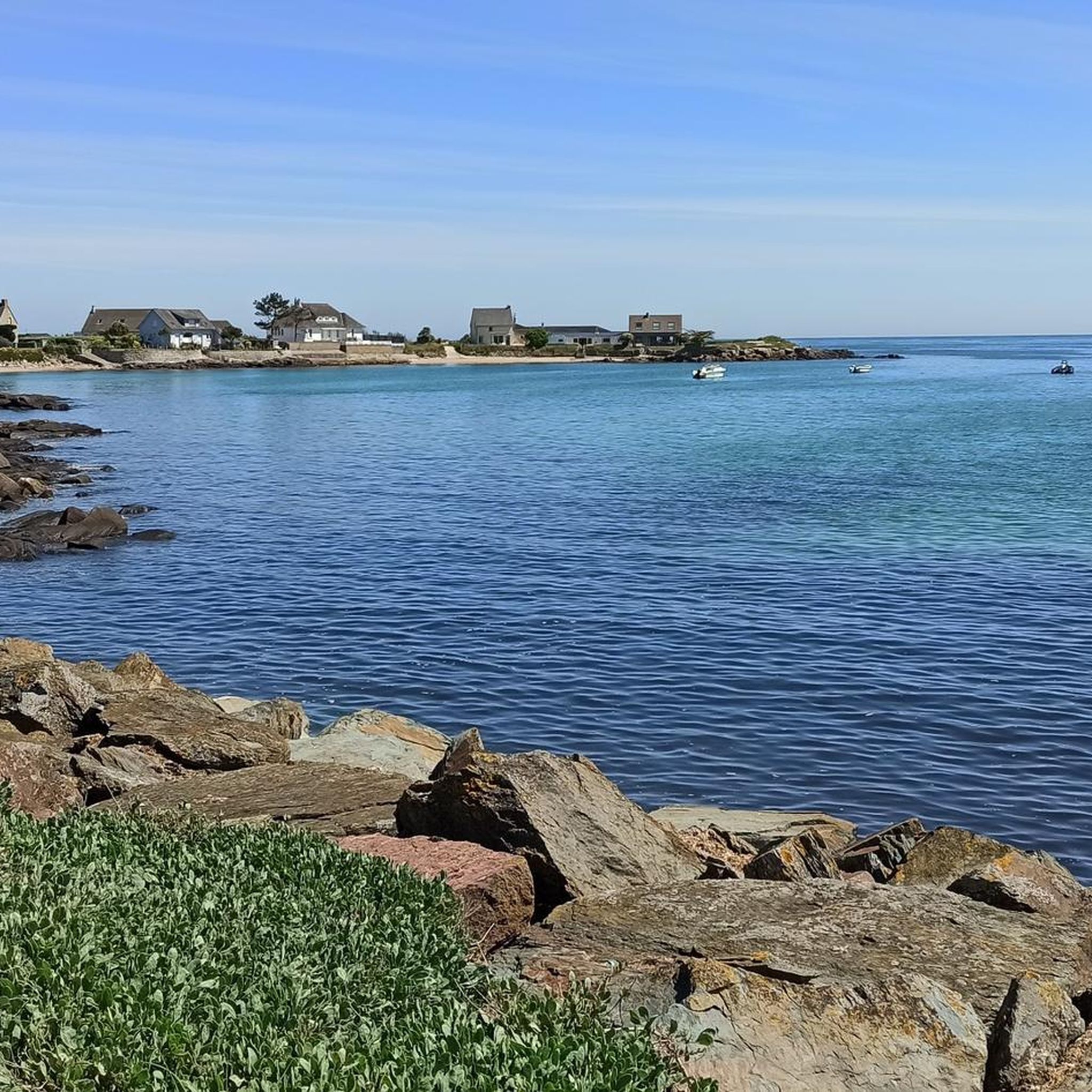
Best attractions and places to see around Réville, a commune on the Cotentin Peninsula in Normandy, France, offer a blend of historical landmarks and natural features. The region is characterized by its coastal landscape, including dramatic cliff tops, sheltered coves, and sandy areas. Réville is situated near the mouth of the Saire River, which flows into the English Channel. This area provides opportunities to explore both historical sites and the natural beauty of the Norman coastline.
Best attractions and places…
Last updated: July 6, 2026
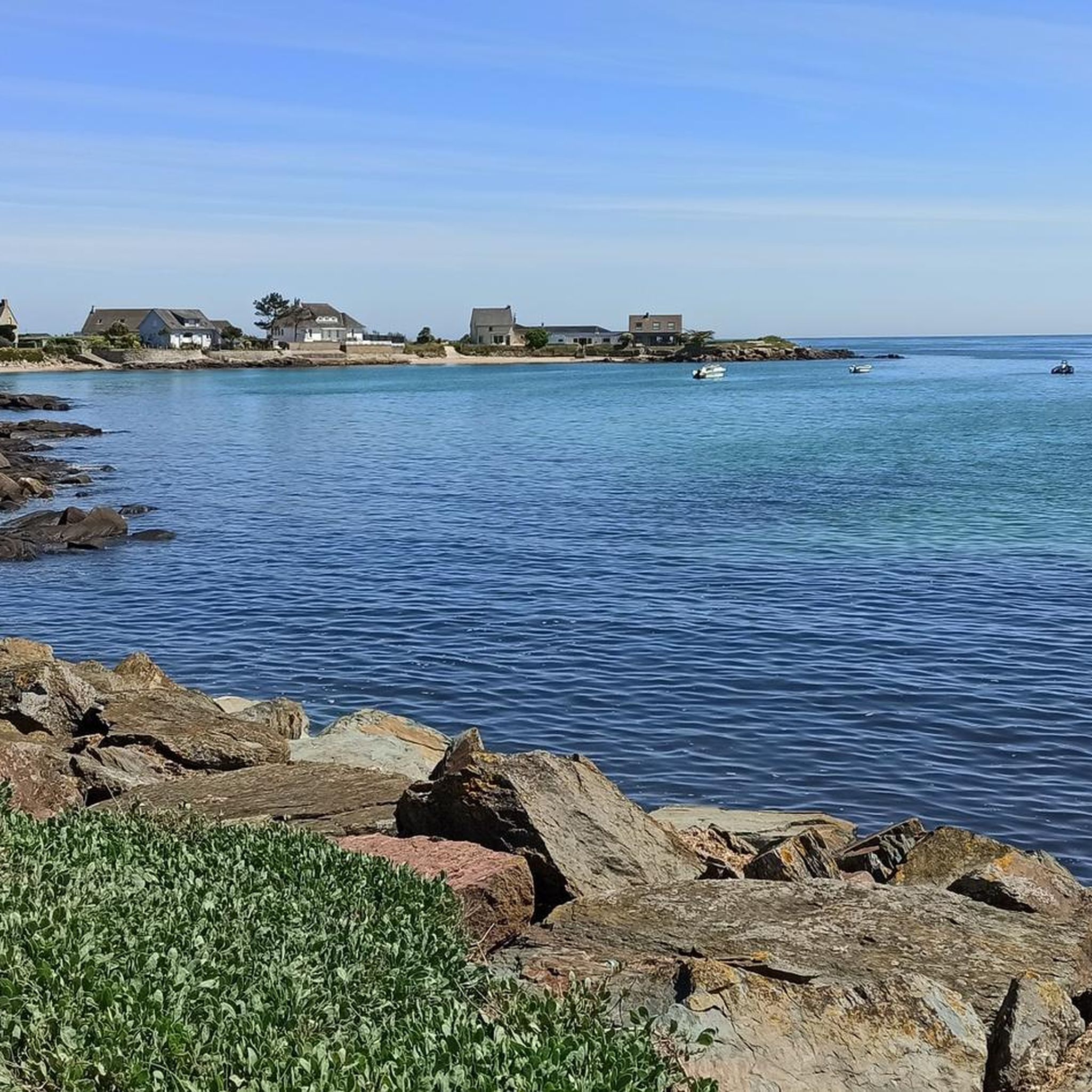
Barfleur Harbour
Highlight • Settlement
Translated by Google •
Tip by

Gatteville lighthouse
Highlight • Viewpoint
Translated by Google •
Tip by
Sign up now to discover places like this
Get recommendations on the best single tracks, peaks, & plenty of other exciting outdoor places.
Sign up for free
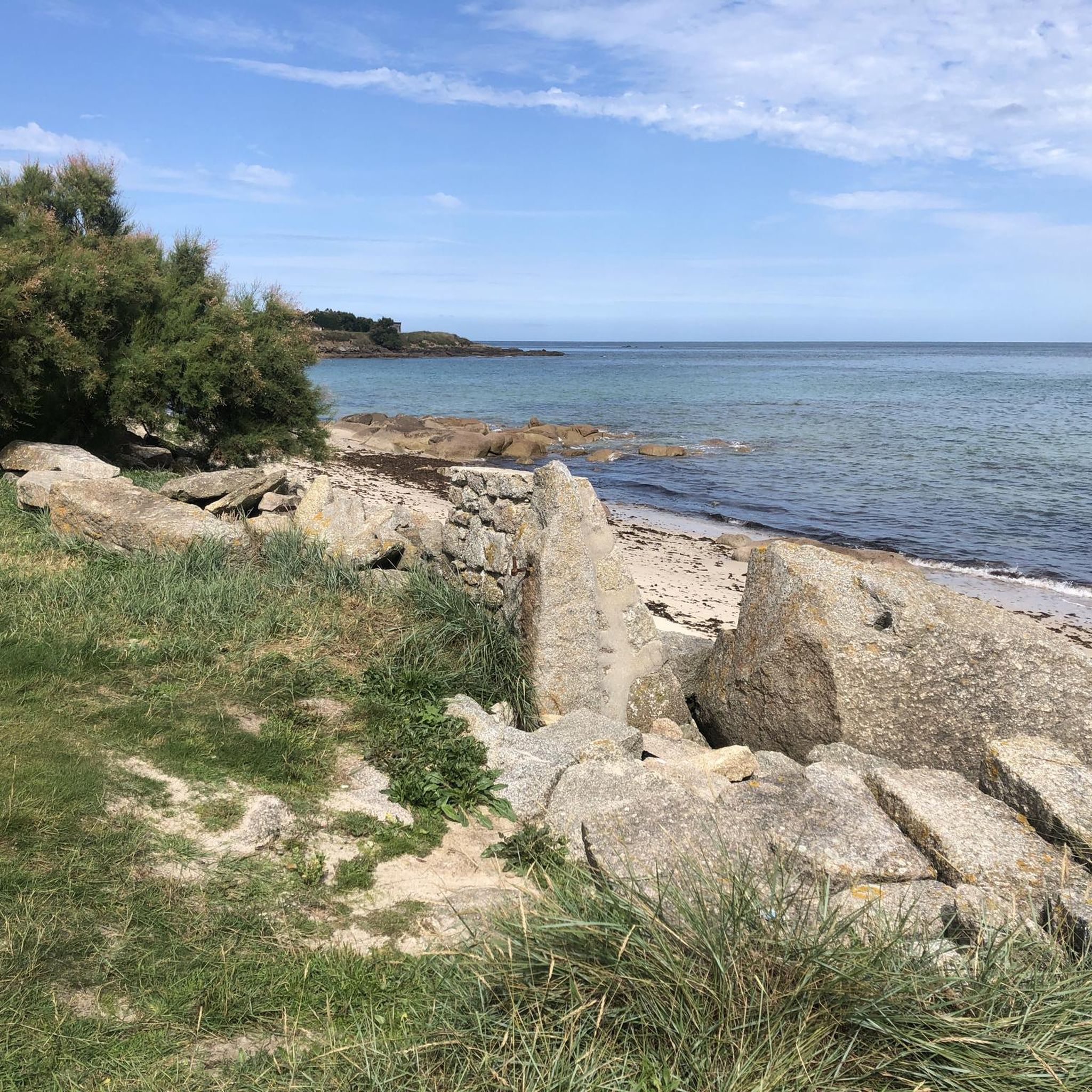
Mouth of the Saire
Highlight • Other
Translated by Google •
Tip by

Fort of La Hougue
Highlight • Castle
Tip by

Waterfall on the Saire at Le Vast
Highlight • Waterfall
Translated by Google •
Tip by
Sign up for free to discover even more attractions around Réville.
Sign up for free
Already have an account?
Start today with a free account
Your next adventure awaits.
Login or Signup

Tips from the Community

The hike is beautiful and safe. Except for one major drawback: if you have a dog, be careful because there are several farm properties with dogs running free!! There is a waterfall at the end of the hike.
1
0
Magnificent tour. Not to be missed. Battery well charged. We loved it.
0
0

The original lighthouse was built in 1775 to protect the dangerous waters around Pointe de Barfleur, which were known for numerous shipping disasters, including the sinking of the "White Ship" in 1120. Since the first tower did not meet the requirements of the 1825 national coastal lighting program, construction began on a new, larger tower in 1829. Completed in 1835 under the direction of architect Charles-Félix Morice de la Rue, it replaced the old tower, which was then used as an optical telegraph. The new tower is made of approximately 11,000 granite blocks and has 365 steps—symbolizing the days of a year. It also has 52 windows (representing the weeks) and 12 floors (representing the months).
6
0
The old granite harbor is the heart of Barfleur and is still used by small fishing boats.
6
0
A beautiful little fishing village that is worth a visit.
6
0

Impressive lighthouse, possibility to climb and have a spectacular view
3
0

Why visit Fort de La Hougue? History and Heritage: The fort is a crucial witness to French military history and an exceptional example of Vauban's genius, offering a fascinating dive into the past. Magnificent Landscapes: The fort offers sublime panoramic views of the sea and coastal landscapes, making the visit a moment of relaxation as much as discovery. Cultural Activities: The exhibitions and events organized at the fort enrich the visit by offering varied perspectives on local history and fortifications. In summary, Fort de La Hougue is a must-see site for lovers of history, military architecture, and beautiful landscapes. It combines culture, nature, and heritage in a unique setting in Normandy.
1
0
Fort de La Hougue is a remarkable historical site located in Saint-Vaast-la-Hougue, on the east coast of the Cotentin Peninsula, Normandy. This fort is one of two defensive works designed by the military engineer Vauban in the 17th century, the other being the fort of Tatihou, located on a neighboring island. Together, these fortifications have been classified as a UNESCO World Heritage Site since 2008 as an example of Vauban's military engineering. Points of Interest: Architecture and Military History: Fort de La Hougue was built between 1694 and 1699 on the orders of Louis XIV, following the French defeat at the Battle of La Hougue in 1692. This fort is a classic example of bastion fortifications, with thick walls, casemates, and a complex network of defenses designed to resist attacks from the sea. The 20-metre-high La Hougue Tower is the most emblematic element of the fort. This tower served as both an observation point and a last refuge in the event of an attack. UNESCO Heritage: The Fort de La Hougue is recognised by UNESCO as a masterpiece of Vauban's military engineering. This classification highlights the importance of the site in French and world military history, as well as the exceptional value of its architecture. A visit to this site allows you to better understand the defence techniques of the time and to appreciate Vauban's ingenuity in designing fortifications. Activities and Access: The fort is accessible on foot from Saint-Vaast-la-Hougue, and it is surrounded by coastal paths offering beautiful walks along the sea. These walks also allow you to discover the local flora and fauna. The nearby island of Tatihou can be reached by boat at high tide or on foot at low tide, offering a complementary excursion to explore another side of Vauban's fortifications.
1
0
Frequently Asked Questions
What historical sites can I explore around Réville?
The region is rich in history. You can visit the impressive Fort of La Hougue, a UNESCO World Heritage site built by Vauban's pupil, Benjamin de Combes. Other notable historical landmarks include the 13th-century Église Saint-Martin in Réville and the rebuilt Château de Réville, both recognized for their architectural and historical significance. The Former Redoute at Pointe de Jonville is also an inscribed historical monument.
Are there any lighthouses or viewpoints with panoramic views?
Absolutely! The Gatteville lighthouse, located on the tip of Barfleur, is one of France's tallest. You can climb its 365 steps for superb panoramic views of the entire east coast of the Cotentin peninsula. The Fort of La Hougue also offers great viewpoints over the surrounding area.
What natural features are prominent near Réville?
Réville's coastline is characterized by dramatic cliff tops, sheltered coves, and sandy areas, offering panoramic views of the English Channel. The Mouth of the Saire, where the Saire River flows into the English Channel, is a notable point of interest. You can also find the tranquil Plage de Réville, a south-facing beach ideal for walks.
What kind of outdoor activities can I do around Réville?
The area is perfect for outdoor enthusiasts. You can enjoy coastal walks along Réville's pathways, offering stunning views. Cycling is also popular, with routes like the Eurovelo 4 accompanying the Saire River. For more specific routes, explore the cycling guide around Réville or the hiking guide around Réville for detailed trails.
Are there family-friendly attractions in the Réville area?
Yes, several attractions are suitable for families. The tranquil Plage de Réville is perfect for beach games and walks. The Barfleur Harbour, a charming port village, is also considered family-friendly. Exploring the fortifications on Tatihou Island, accessible by boat or on foot at low tide, can be an exciting adventure for all ages.
Where can I find unique cultural experiences or local markets?
For cultural insights, visit the Musée maritime de Tatihou on Tatihou Island. You can also explore charming churches in the surrounding area, such as Église de Notre-Dame de Morsalines. To experience local culture and find regional products, visit the local markets in nearby towns like Saint-Vaast-la-Hougue, Quettehou, and Cherbourg.
What is the best time to visit Réville for outdoor activities?
The mild climate of the Cotentin Peninsula makes it enjoyable for outdoor activities for much of the year. The coastal areas, in particular, benefit from this climate. Spring and summer offer pleasant weather for coastal walks, cycling, and exploring the natural beauty.
Can I find waterfalls or rivers in the area?
Yes, the Saire River flows through the region. You can visit the Waterfall on the Saire at Le Vast. While access to the waterfall itself is private, it can be viewed from a distance, and the village of Le Vast is a pleasant place for a stroll.
Are there opportunities for boat trips or island visits?
Yes, you can take boat trips to experience the coastline from a different perspective. The islands of Tatihou and Saint-Vaast-la-Hougue are UNESCO World Heritage sites and offer unique island adventures. Tatihou Island is accessible by boat at high tide or on foot at low tide, allowing you to explore its fortifications and the Maritime Museum.
What are some popular hiking trails around Réville?
There are numerous hiking opportunities, including coastal paths that offer stunning views. For example, you can find routes like the 'Port of Saint-Vaast-la-Hougue – Lighthouse, Pointe de Saire loop' which is a moderate hike. For a comprehensive list of trails, check out the hiking guide around Réville.
Where can I find parking for major attractions like the Gatteville lighthouse or Fort de la Hougue?
Parking is generally available near major attractions. For the Gatteville lighthouse, there is parking at the site. Similarly, for the Fort of La Hougue, parking can be found at the southern edge of Saint-Vaast-la-Hougue, allowing access to the imposing outdoor area.
What kind of local produce or culinary experiences can I enjoy?
The region offers opportunities to indulge in tastings of Norman cheeses and cider. Exploring local markets in nearby towns is also a great way to discover regional products and engage with local culinary traditions.
Most popular routes around Réville

Get inspired with the komoot mobile app


Explore more
Still not found the Highlight you’re looking for? See guides of the top attractions in other regions:
