Top 5 Mountain Passes around Saint-Hilaire-Du-Rosier
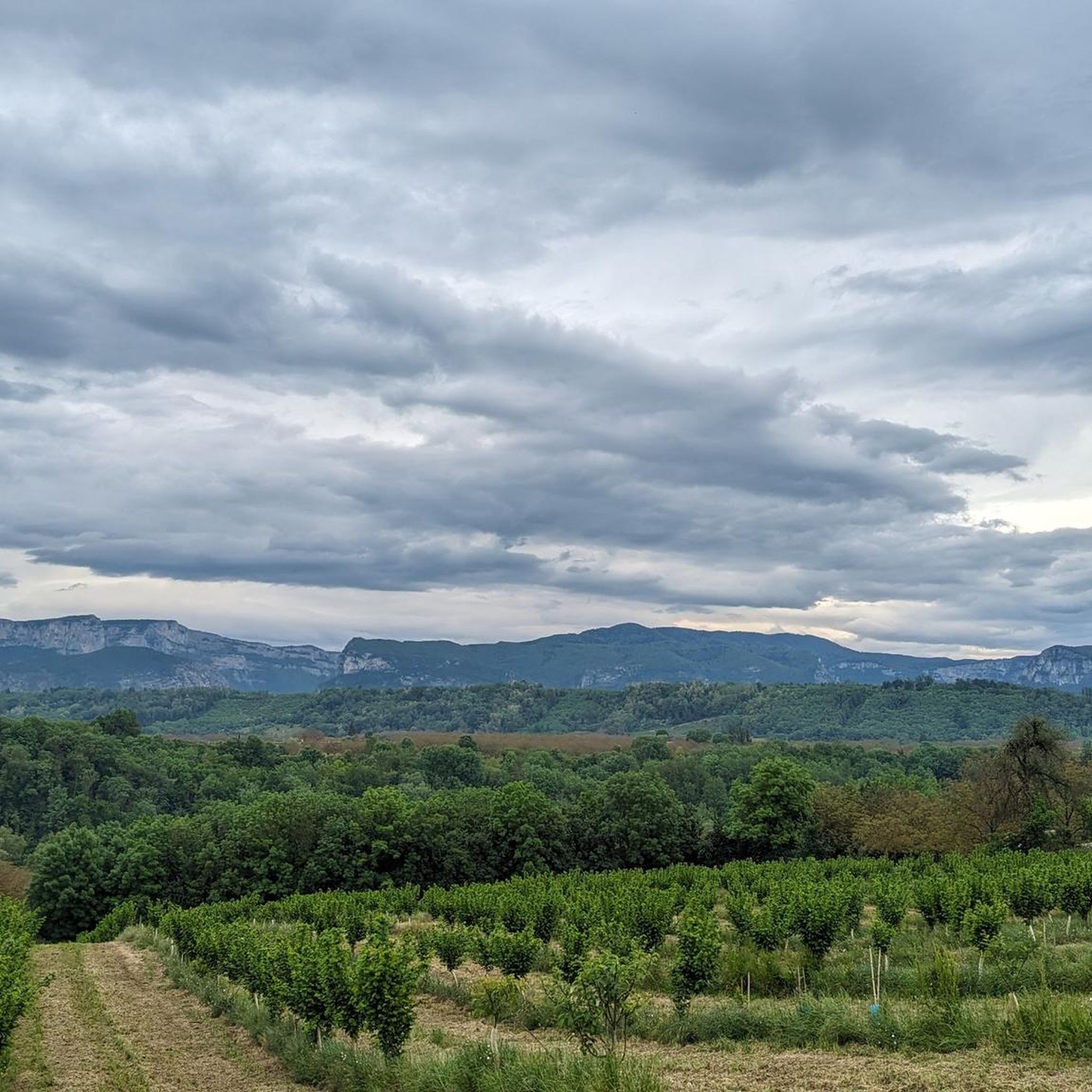
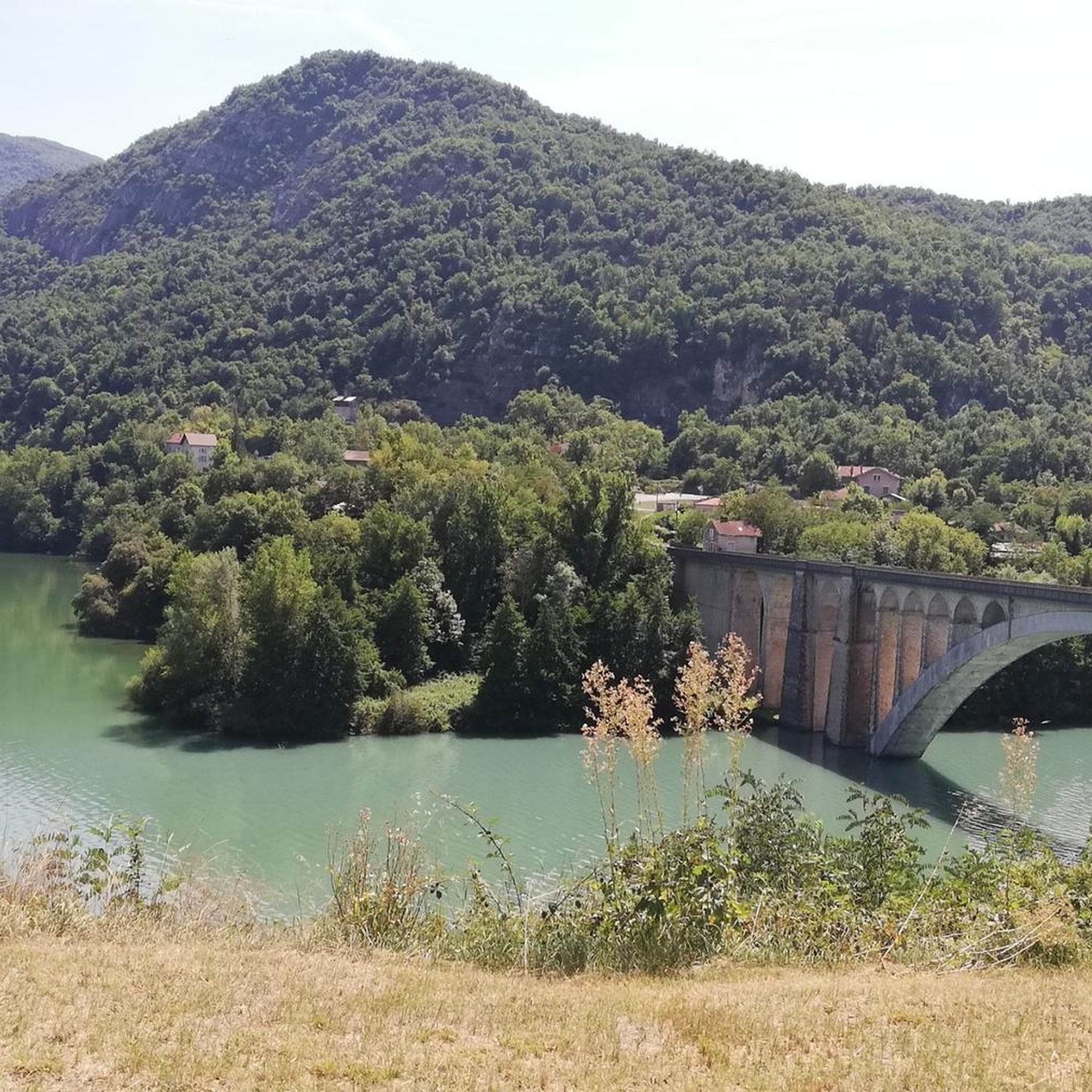
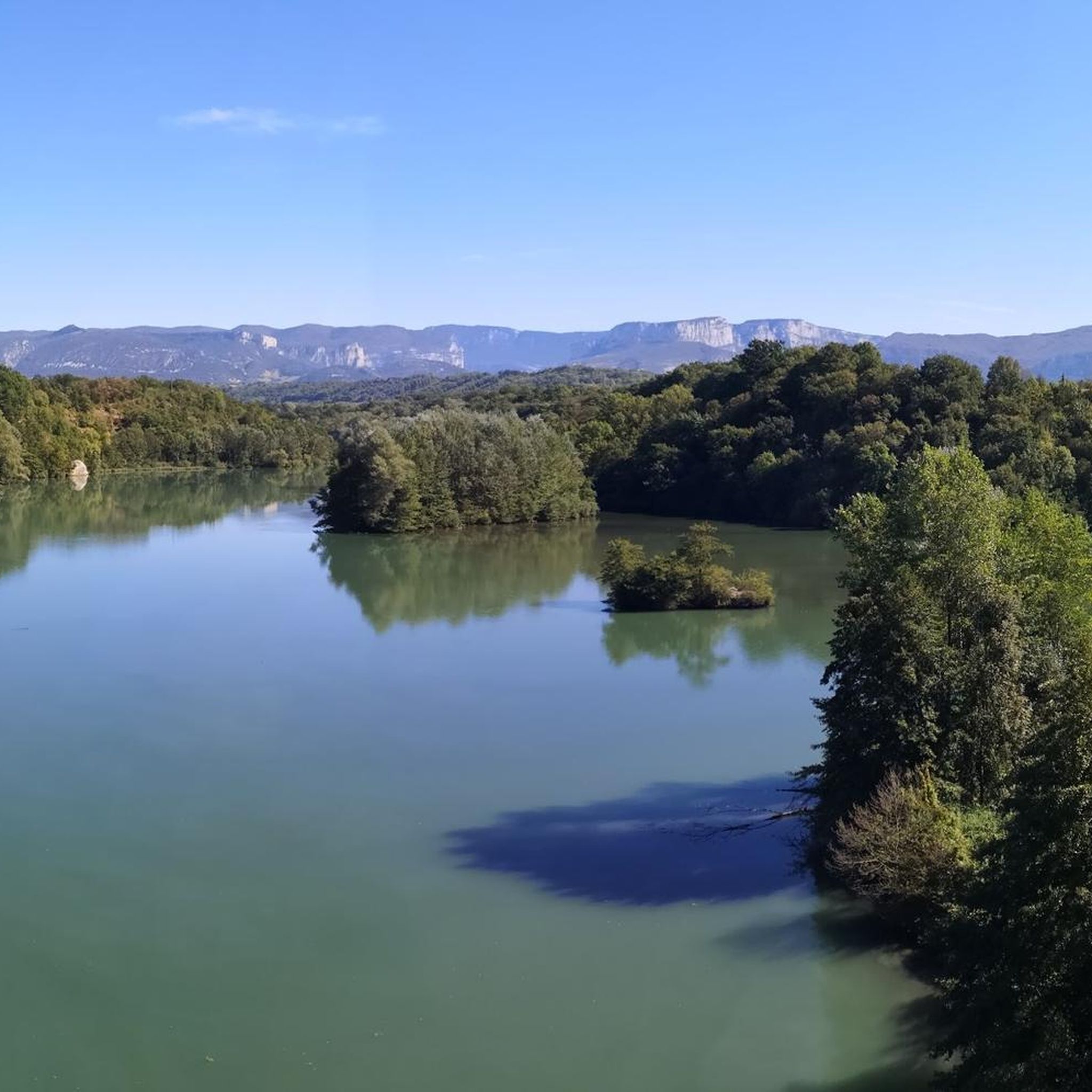
Best mountain passes around Saint-Hilaire-Du-Rosier are found within the Isère department, situated in the broader Dauphiné Alps and Dauphiné Prealps. This region in southeastern France is known for its diverse mountain terrain, including the Vercors Massif, which is directly accessible from Saint-Hilaire-Du-Rosier. The area features a range of passes, from challenging alpine routes to scenic pre-alpine roads, offering varied landscapes for outdoor activities.
Best mountain passes around Saint-Hilaire-Du-Rosier
- The most popular mountain passes is Ascent to the Col de la…
Last updated: June 26, 2026
Ascent to the Col de la Machine
Highlight (Segment) • Mountain Pass
Translated by Google •
Tip by

Combe Laval Cirque
Highlight (Segment) • Gorge
Translated by Google •
Tip by

Sign up now to discover places like this
Get recommendations on the best single tracks, peaks, & plenty of other exciting outdoor places.
Sign up for free
Descent between Presles et la Bournière
Highlight • Mountain Pass
Translated by Google •
Tip by

Col de la Madeleine (Chambarans)
Highlight • Mountain Pass
Translated by Google •
Tip by

Start today with a free account
Your next adventure awaits.
Login or Signup

Tips from the Community

Beautiful place and still preserved from the crowds
0
0

Here is the route for the ascent of the Col de la Machine starting from Saint-Jean-en-Royans, which passes through the incredible Combe Laval!
1
0

After a long section of "classic" pass, we suddenly find ourselves on the side of a cliff with a majestic view 😍. The valley is not very long but magnificent. Many nooks and crannies to stop and take a photo.
1
0

A fairly demanding pass at first, but it eventually eases off as the scenery becomes incredible! 6 km at 8%, then 6%, 4%, 5% (not sure, I was just looking at the scenery) and the last two km at 4%.
1
0

The landscape is an absolute eye-catcher, a great road with countless views.
1
0
Magnificent landscape, great road in the rocks. More information: https://www.quaeldich.de/touren/touren-im-parc-naturel-regional-du-vercors/route-combe-laval-variante-1/
0
0
Fantastic landscape, beautiful road. Combe Laval, a must in the Vercors.
1
1

In the Drôme section of the Vercors massif, a spectacular road runs for nearly 4 kilometres along the impressive limestone escarpments. This is the Combe Laval road, which connects Saint-Jean-en-Royans to the Col de la Machine. Opened in 1898, it was originally used to transport wood but soon became a tourist attraction. Today, the Combe Laval road is a must-see in the region, due to its location in the centre of a majestic cirque, with breathtaking scenery. The continuous alternation between tunnels and open-air sections leaves no room for monotony. It is also dotted with dizzying viewing points offering splendid views of the Royan landscape.
6
3
Frequently Asked Questions
What are some of the most popular mountain passes around Saint-Hilaire-Du-Rosier?
The region offers a variety of popular passes. Among them, the Ascent to the Col de la Machine is highly regarded for its breathtaking balcony road under limestone overhangs. Another favorite is the Combe Laval Cirque, a spectacular road carved into limestone escarpments. Visitors also appreciate the Descent between Presles et la Bournière for its quiet roads and stunning views towards the La Bourne river.
What kind of natural features can I expect to see on these mountain passes?
The mountain passes around Saint-Hilaire-Du-Rosier, particularly within the Vercors Massif, showcase dramatic limestone landscapes. You'll encounter impressive gorges, such as the Combe Laval Cirque with its carved roads and dizzying viewpoints. The Descent between Presles et la Bournière offers views of cliffs popular for climbing, and the region is generally characterized by alpine and pre-alpine scenery, including forests, rocky outcrops, and panoramic vistas.
Are there any challenging mountain passes for experienced cyclists or hikers?
Yes, the broader region of the Dauphiné Alps, accessible from Saint-Hilaire-Du-Rosier, is renowned for its challenging passes, many of which are Tour de France staples. These include the legendary Col du Galibier, Col de la Croix de Fer, and Col du Glandon, known for their demanding gradients and spectacular high-mountain scenery. Closer to Saint-Hilaire-Du-Rosier, the Ascent to the Col de la Machine also presents a significant challenge with its 11.6 kilometers and 736 meters of altitude gain.
What are some easier or more accessible mountain passes for beginners or families?
For a gentler experience, the Col de la Madeleine (Chambarans) offers a much smaller and gentler climb compared to its more famous namesake, providing nice views of the Isère valley, Royans, and Vercors. While many passes in the Vercors can be challenging, some sections or approaches might be suitable for families looking for scenic drives rather than strenuous climbs. Always check specific route details for difficulty.
What outdoor activities can I do near these mountain passes?
The area around Saint-Hilaire-Du-Rosier is excellent for various outdoor activities. You can find numerous MTB trails, including moderate loops around Saint-Jean-en-Royans. For runners, there are diverse running trails, from moderate loops near La Sône to more difficult routes like the Col des Bois Communaux. Gravel biking is also popular, with challenging gravel biking routes like the Cirque of Combe Laval – Machine Pass loop.
Are there hiking opportunities in the Vercors Massif near Saint-Hilaire-Du-Rosier?
Absolutely. Saint-Hilaire-Du-Rosier is situated near the Vercors Massif, part of the Dauphiné Prealps, which offers extensive hiking opportunities. Passes like the Pas de la Ville Pass provide entry points to the Hauts-Plateaux du Vercors with marvelous views. The Col de l'Aupet, with its geological significance, also offers access to the foot of Mont Aiguille's cliffs and the upper Vercors. Many of the mountain passes themselves are popular for hiking and cycling, allowing you to explore the diverse mountain ecosystems.
What is the best time of year to visit the mountain passes?
The best time to visit the mountain passes largely depends on the activity. For cycling and hiking, late spring (May-June) through early autumn (September-October) generally offers the most favorable weather conditions, with passes typically clear of snow. High alpine passes like Col du Galibier are usually only fully open from late May or early June to October. The Col du Lautaret, being at a more moderate altitude, is often accessible year-round. Always check local conditions and road closures before planning your trip, especially outside of peak summer months.
What do visitors enjoy most about the mountain passes in this region?
Visitors consistently praise the breathtaking landscapes and spectacular views offered by these mountain passes. The unique engineering of roads like the Ascent to the Col de la Machine and the Combe Laval Cirque, with their winding paths along rock walls and through tunnels, leaves a lasting impression. The quiet roads and opportunities for challenging physical activity amidst stunning natural beauty are also frequently highlighted by the komoot community.
Can I find mountain passes with historical significance in the area?
While the immediate passes around Saint-Hilaire-Du-Rosier are primarily known for their natural beauty and engineering, the broader Dauphiné Alps region is steeped in history, particularly through its connection to the Tour de France. Many of the high passes, such as Col du Galibier and Col de la Croix de Fer, have been decisive stages in the race for over a century, making them significant landmarks in cycling history. The Combe Laval road itself, opened in 1898, originally served to transport wood before becoming a tourist attraction.
Are there any specific mountain passes known for their unique geological features?
Yes, the Col de l'Aupet, located in the Dauphiné Prealps, is particularly noteworthy for its geological significance, as it sits along a fault line. This area provides insights into the region's complex geological history and offers access to the dramatic cliffs of Mont Aiguille. The limestone escarpments and formations seen at the Combe Laval Cirque also showcase impressive geological features.
What are the best mountain passes for scenic drives?
For scenic drives, the Combe Laval Cirque is a must-see, offering a spectacular road carved into limestone escarpments with continuous alternation between tunnels and open-air sections. The Ascent to the Col de la Machine also provides a breathtaking balcony road with panoramic views. Further afield, the Col du Lautaret is known for its year-round accessibility and stunning views of the Écrins National Park.
Are there any mountain passes that are less crowded but still offer great views?
If you're looking to avoid heavier traffic while still enjoying beautiful alpine landscapes, the Col de Sarenne is a great option. Though perhaps less famous than the Galibier or Croix de Fer, it offers a quieter alternative and provides access to Alpe d'Huez from a different approach. The Descent between Presles et la Bournière is also noted for its quiet roads and spectacular views.
Most popular routes around Saint-Hilaire-Du-Rosier
Most popular attractions around Saint-Hilaire-Du-Rosier

Get inspired with the komoot mobile app


Explore more
See even more epic mountain passes by checking out these guides around Saint-Hilaire-Du-Rosier:
