Attractions and Places To See around Brinon-Sur-Sauldre - Top 12
Best attractions and places to see around Brinon-Sur-Sauldre include historical landmarks, cultural sites, and natural features within the Sologne region. This village in the Cher department is known as "Raboliot country," a setting that inspired Maurice Genevoix's novel. The area is characterized by its forest-covered landscapes and offers insights into local history and nature.
Best attractions and places to see around Brinon-Sur-Sauldre
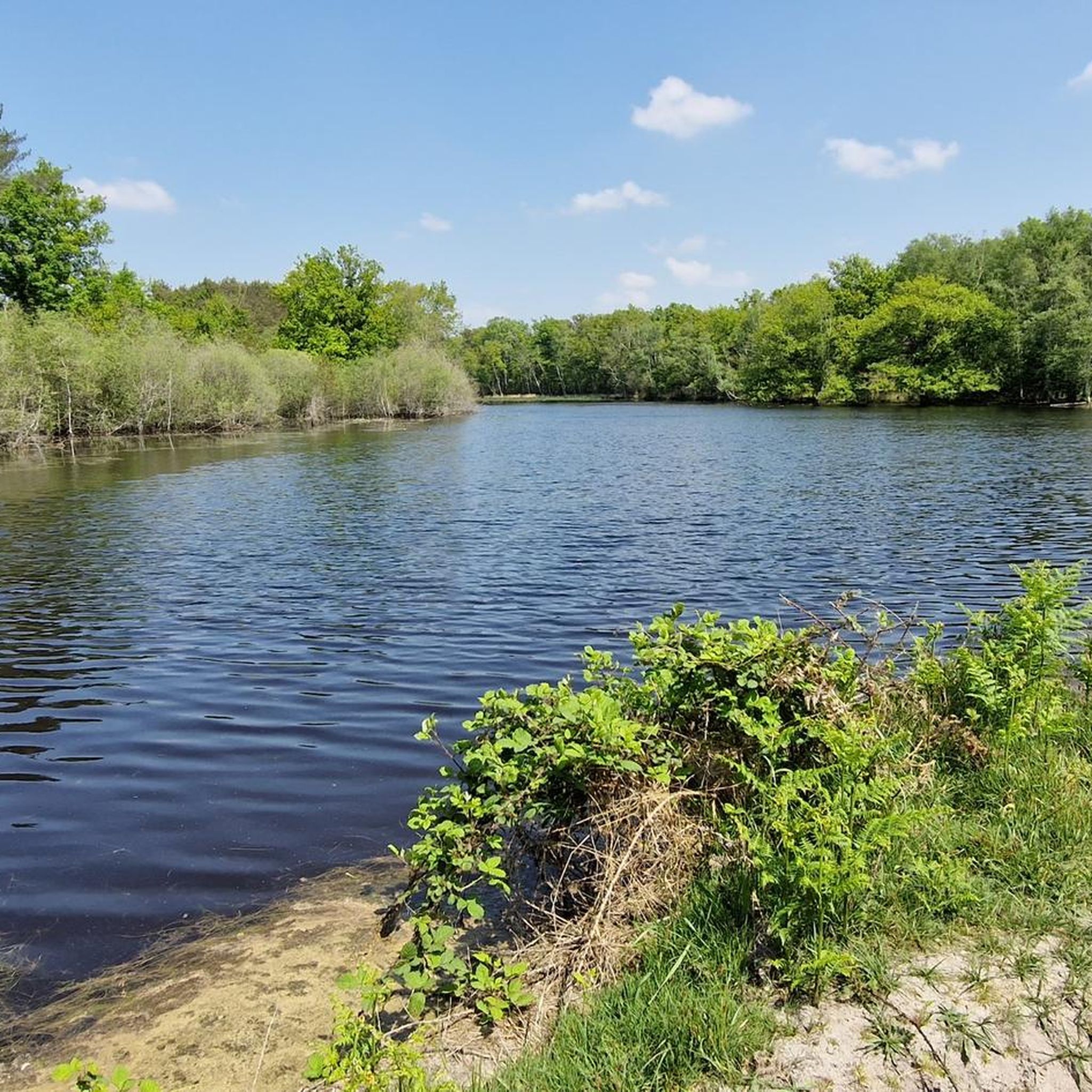
- The most popular attractions is Étang du Puits, a lake that covers 180 hectares, making it the largest in the Sologne. It was originally created in 1864 to supply the Sauldre canal with water and is now a recreational area with a beach and an ornithological reserve.
- Another must-see spot is Sologne Bird Observatory, a hut that offers opportunities for bird watching. Visitors can observe diverse bird life and enjoy the surrounding natural environment.
- Visitors also love Old Sauldre Canal, a historic waterway that once transported wood, lime, and peat. Today, its calm waters and old locks, bridges, and towpaths provide an ideal walking route through the Sologne forests.
- Brinon-Sur-Sauldre is known for its blend of historical sites, cultural insights, and natural beauty. Visitors can explore ancient churches, learn about local trades at the House of the Forest, and enjoy the region's lakes and canals.
- The attractions around Brinon-Sur-Sauldre are appreciated by the komoot community, with 30 upvotes and 14 photos shared by visitors.
Last updated: May 21, 2026
Étang du Puits
Highlight • Lake
Originally created in 1864 to supply the Sauldre canal with water.
Now partly developed as a recreational area: beach area, hiking trails, water sports (sailing, ski-nautique, pedalo), and an ornithological reserve.
For nature lovers: you'll find a rich bird life (cendré heron, grèbe huppé, etc.) and diverse flora along the banks.
For families: picnic areas, a beach area in the summer, and playgrounds.
Translated by Google •
Tip by

Sologne Bird Observatory
Highlight • Mountain Hut
Translated by Google •
Tip by

Sign up now to discover places like this
Get recommendations on the best single tracks, peaks, & plenty of other exciting outdoor places.
Sign up for free
Ford Crossing in Natura 2000 de Sologne
Highlight • River
Translated by Google •
Tip by

Saint-Étienne Church
Highlight • Religious Site
Translated by Google •
Tip by

Saint Martin's Church
Highlight • Other
Perched in the heart of Souvigny, an architectural treasure awaits visitors eager for historical and artistic discoveries: the church of Souvigny. Its aura of beauty has earned it official recognition as a Historic Monument since 1979, adding a touch of prestige to its timeless charm.
This medieval gem gradually reveals itself to those who venture outside. Upon entering its gate, visitors are greeted by the majesty of its 12th-century nave, adorned with a semicircular arch that seems to invite further exploration. Its red and black brick walls form diamond patterns, adding a touch of elegance to its architecture.
But it is the 16th-century choir that truly captures the attention, with its three-sided apse, testifying to the artistic refinement of the period. The molded pointed windows let light filter through, creating an atmosphere of mystery and serenity inside.
Outside, the 16th-century timber-framed porch stands elegantly, enveloping the west and south facades of the nave in a remarkable architectural embrace. Also known as the promenade or the caquetoire, this porch offers a welcome pause to contemplate the surrounding beauty. The joists that compose it bear witness to the expertise of the craftsmen of yesteryear, captivating the admiration of visitors.
The roof, crowning this architectural marvel, is a spectacle in itself, covered with tiles and supported by low posts and a balustrade with crossed timbers in an X shape, adding a touch of character to the ensemble.
Finally, the gaze rises to the slate spire overlooking the church, a work of art in its own right. While access to this marvel was once reserved for the bravest, today its charm remains accessible to all those who wish to delve into the fascinating history of Souvigny.
Translated by Google •
Tip by
Sign up for free to discover even more attractions around Brinon-Sur-Sauldre.
Sign up for free
Already have an account?
Start today with a free account
Your next adventure awaits.
Login or Signup
Tips from the Community

The lake covers 180 hectares, making it the largest in the Sologne. Originally created in 1864 to supply the Sauldre canal with water. Now partly developed as a recreational area: beach area, hiking trails, water sports (sailing, ski-nautique, pedalo), and an ornithological reserve. For nature lovers: you'll find a rich bird life (cendré heron, grèbe huppé, etc.) and diverse flora along the banks. For families: picnic areas, a beach area in the summer, and playgrounds.
4
0

The parish church of Saint-Étienne was at the disposal of the Abbot of Jargeau. Of Romanesque origin, the building has a single nave on which are grafted a chapel to the north and south, a straight bay under the bell tower, supported by a sacristy to the north and a polygonal choir. The latter belongs to the 16th century. It includes a three-sided apse preceded by a straight bay. The whole, vaulted with ribs, is lit by five bays with flamboyant tracery similar to the two windows of the bay of the bell tower, contemporary with the choir. This has a square plan. Four pillars projecting strongly from the interior of the nave, receiving the four arches which carry all the masonry of the bell tower, accentuate the tripartite division of the interior volume of the building. The open door, in the north gutter wall, on the sacristy rebuilt in the 20th century, is surmounted by two pinnacles resting on sculpted bases framing an accolade. The lintel was once decorated with a coat of arms. The nave, Romanesque in its external volumes, was necessarily reworked from the 16th to the 19th century. It was probably originally a simple framed vessel whose gutter walls were supported on the outside by flat buttresses with slight projections. In the 16th century, the paneled barrel vault, still preserved in the attic, was hidden by ribbed vaults; the engaged columns which receive the ribs, as well as the corner buttresses visible on the facade belong to this campaign of works. Subsequently, a rectangular chapel was attached to the north wall; the south chapel, built in brick and cut stone, dates from the 19th century, as do the six windows with trefoil lintels illuminating the nave, the rose window pierced in the facade and the gallery installed at its back. A brick vault replaced the 16th century vault on the nave. The semicircular portal, extensively reworked, was formerly protected by a timber-framed porch. The three parts of the building are clearly differentiated in the exterior elevation of the building. The nave, not very high, as well as the choir, with its more slender roof, are dominated by the silhouette of the bell tower. Square in plan, it has four levels punctuated by dripstones; the upper level is pierced with two twin bays per face. The bell tower is crowned by a timber spire. The Sauvegarde de l’Art Français granted aid of 50,000 F in 1993 for the repair of the exterior masonry.
0
0
Nestled in the heart of the peaceful Sologne countryside, the church of Souvigny-en-Sologne, a testament to the region's millennia-old history, is an architectural gem dating back to the 12th century. Built under the aegis of Guillaume de Bussy, Bishop of Orléans, it has survived the ages, preserving its charm and mystery over the centuries. Shrouded in legend and imbued with spirituality, this church contains artistic and religious treasures that captivate the imagination of visitors. Perched in the heart of Souvigny, an architectural treasure awaits visitors eager for historical and artistic discoveries: the church of Souvigny. Its aura of beauty has earned it official recognition as a Historic Monument since 1979, adding a touch of prestige to its timeless charm. This medieval gem gradually reveals itself to those who venture outside. Upon entering its gate, visitors are greeted by the majesty of its 12th-century nave, adorned with a semicircular arch that seems to invite further exploration. Its red and black brick walls form diamond patterns, adding a touch of elegance to its architecture. But it is the 16th-century choir that truly captures the attention, with its three-sided apse, testifying to the artistic refinement of the period. The molded pointed windows let light filter through, creating an atmosphere of mystery and serenity inside. Outside, the 16th-century timber-framed porch stands elegantly, enveloping the west and south facades of the nave in a remarkable architectural embrace. Also known as the promenade or the caquetoire, this porch offers a welcome pause to contemplate the surrounding beauty. The joists that compose it bear witness to the expertise of the craftsmen of yesteryear, captivating the admiration of visitors. The roof, crowning this architectural marvel, is a spectacle in itself, covered with tiles and supported by low posts and a balustrade with crossed timbers in an X shape, adding a touch of character to the ensemble. Finally, the gaze rises to the slate spire overlooking the church, a work of art in its own right. While access to this marvel was once reserved for the bravest, today its charm remains accessible to all those who wish to delve into the fascinating history of Souvigny.
0
0

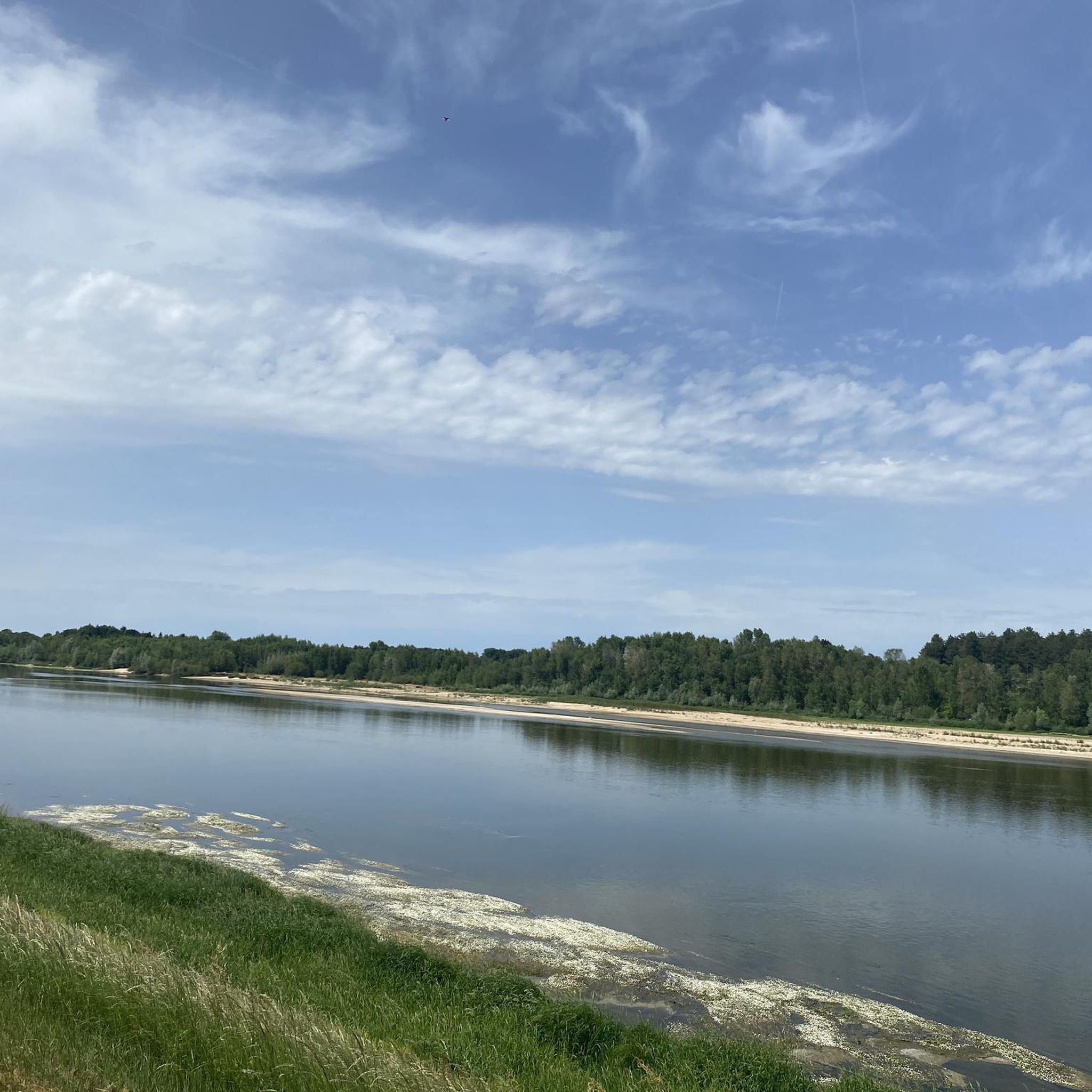
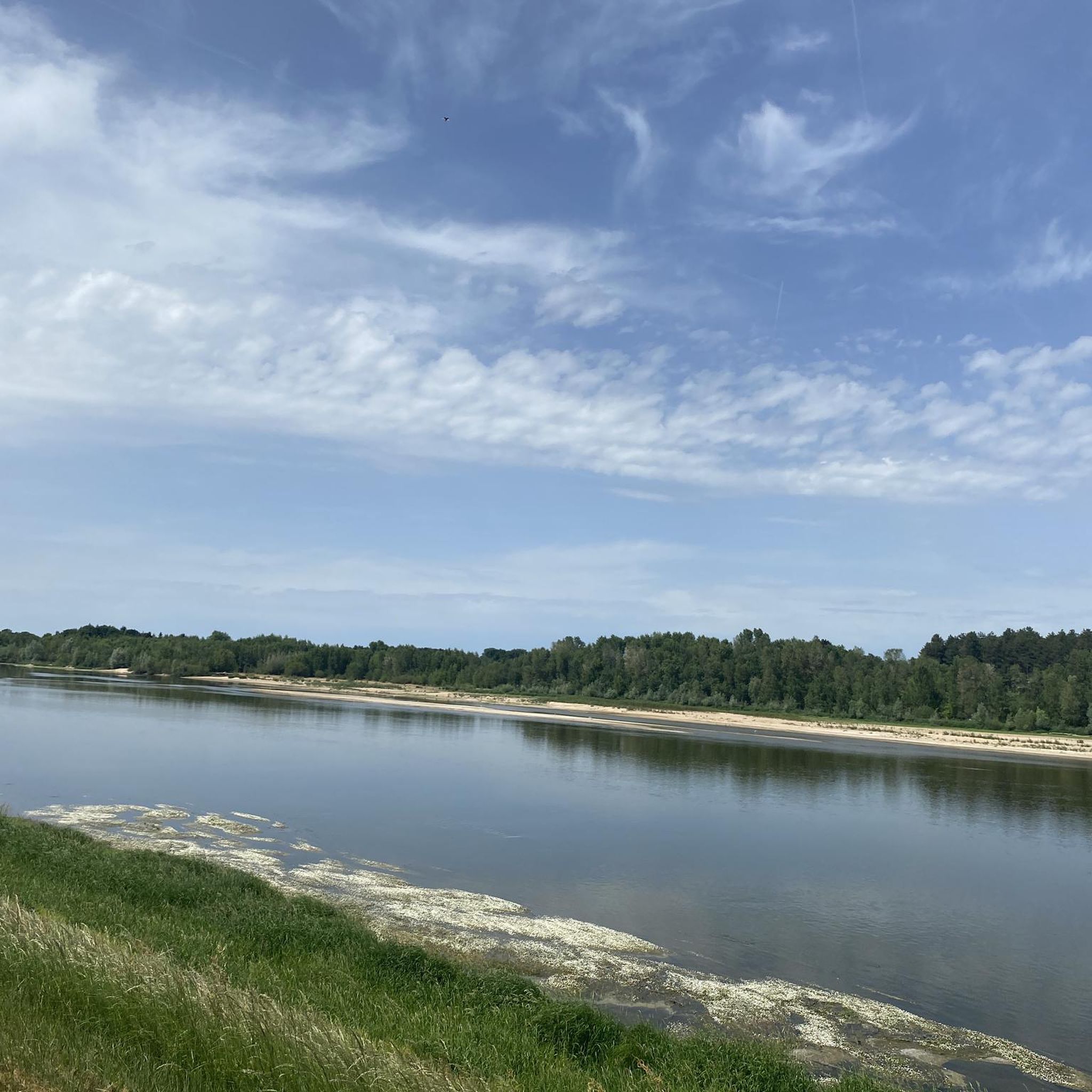
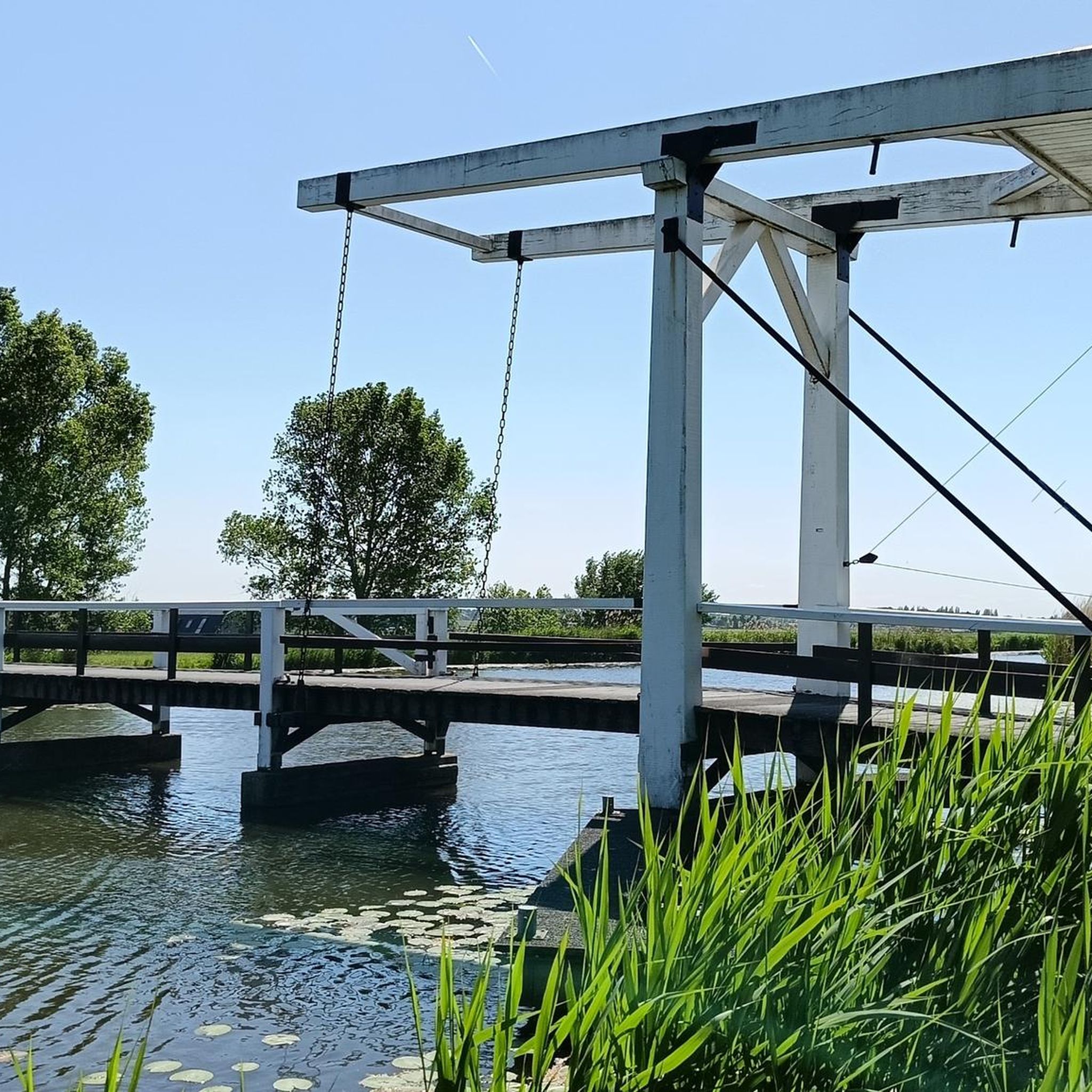
Couldn’t ride across in May 2025 but fun wading through!
1
0

In a sheltered hut the birds can be observed
3
0
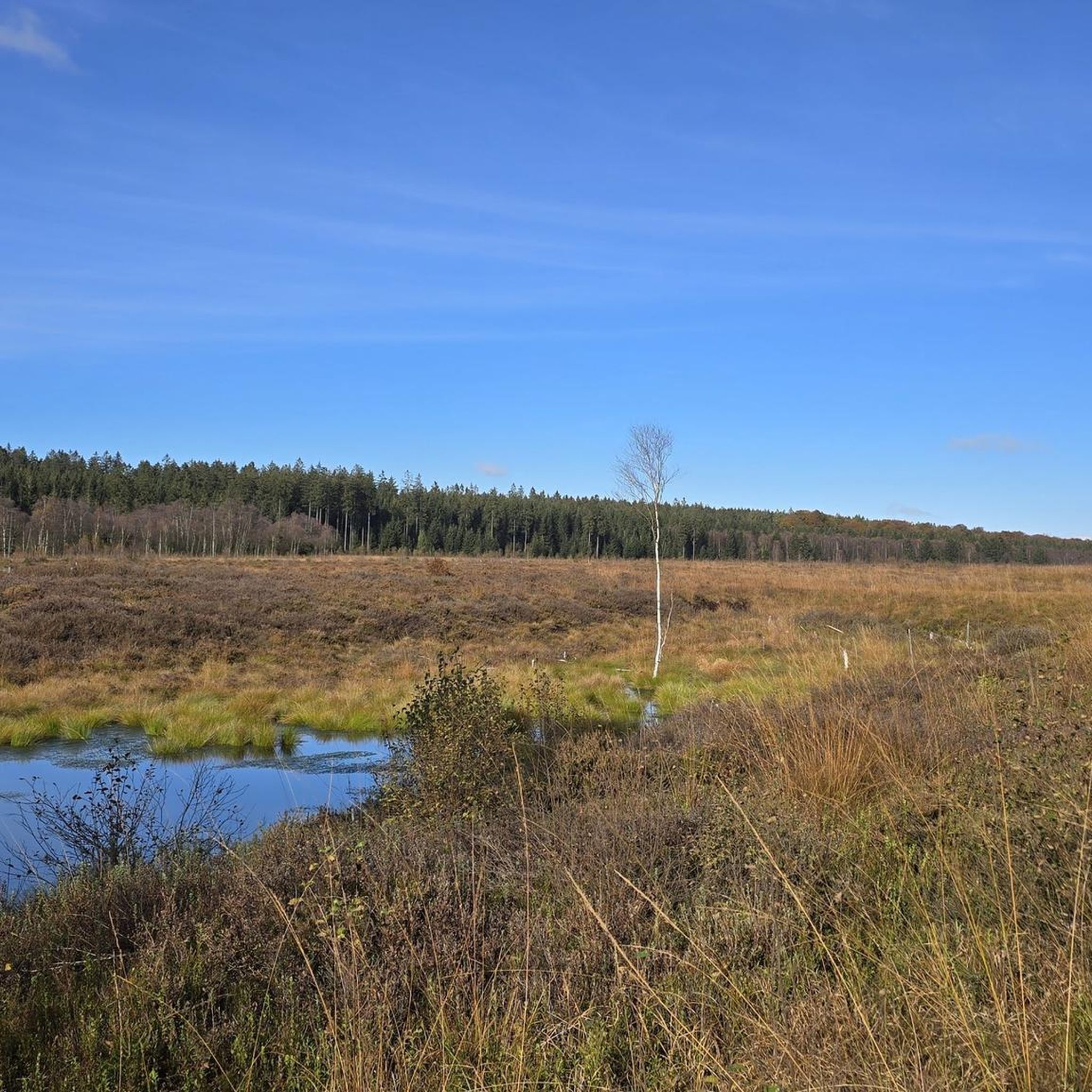
The beautiful lake invites you to linger.
3
0
Here you can watch birds with a bit of luck
3
0
Small and nice hut for bird watching
3
0
Frequently Asked Questions
What are the main natural attractions to explore around Brinon-Sur-Sauldre?
The region offers several natural highlights. The most prominent is Étang du Puits, the largest lake in the Sologne, covering 180 hectares. It's a recreational area with a beach, water sports, and an ornithological reserve. You can also explore the Old Sauldre Canal, a historic waterway now offering pleasant walking routes through the Sologne forests, with old locks and towpaths still visible.
Are there any historical sites or cultural landmarks in Brinon-Sur-Sauldre?
Yes, Brinon-Sur-Sauldre is rich in history. You can visit the Saint Bartholomew's Church, which features an 11th-century Romanesque nave and a unique 16th-century porch roof known as a 'caquetoire'. Another significant site is the House of the Forest (La Maison de la Forêt), a museum dedicated to ancient local trades, particularly woodwork, and the life of forest workers in the 'Raboliot country'.
What kind of outdoor activities can I do near these attractions?
The area around Brinon-Sur-Sauldre is excellent for outdoor enthusiasts. You can enjoy hiking, gravel biking, and cycling. For hiking, consider routes like the 'Riverside Spot on the Sauldre loop from Brinon-sur-Sauldre' or the 'Old Sauldre Canal loop from Ecluse de Lauroy'. Cyclists can explore the 'River Crossing loop from Brinon-sur-Sauldre'. You can find more details on these and other routes in the hiking guide, gravel biking guide, and cycling guide for the region.
Are there family-friendly attractions in Brinon-Sur-Sauldre?
Absolutely. Étang du Puits is a great choice for families, offering a beach area in summer, picnic spots, playgrounds, and various water sports. The Sologne Bird Observatory is also family-friendly, providing opportunities for bird watching in a natural setting.
Where can I go bird watching in the area?
For bird watching, the Sologne Bird Observatory is specifically designed for this purpose, offering a hut to observe diverse bird life. Additionally, Étang du Puits is an ornithological reserve where you can spot various species like the Cendré Heron and Grèbe Huppé.
What is the best time to visit Brinon-Sur-Sauldre?
The Sologne region, including Brinon-Sur-Sauldre, is beautiful year-round. However, for enjoying the recreational facilities at Étang du Puits, such as the beach and water sports, the summer months are ideal. Spring and autumn offer pleasant weather for hiking and exploring the forest-covered landscapes.
Can I go swimming in Brinon-Sur-Sauldre?
Yes, you can go swimming at Étang du Puits, which features a developed beach area during the summer months, making it a popular spot for relaxation and water activities.
Are there any unique historical features related to the Canal de la Sauldre?
The Old Sauldre Canal is a unique historical feature. It was originally built in the mid-19th century to transport wood, lime, and peat. Today, you can still see its old locks, bridges, and towpaths, which reveal its past function and offer a glimpse into the region's industrial history.
What is the 'Raboliot country' reference in Brinon-Sur-Sauldre?
Brinon-Sur-Sauldre is known as the 'Raboliot country' because it inspired Maurice Genevoix's famous novel, 'Raboliot'. The village and its surrounding Sologne forests provided the setting for the story, and you can even find sign-posted walks that allow visitors to follow in the footsteps of the novel's character.
What do visitors enjoy most about the attractions around Brinon-Sur-Sauldre?
Visitors particularly appreciate the blend of natural beauty and historical insights. The tranquility of the Étang du Puits and the opportunities for bird watching at the Sologne Bird Observatory are highly rated. Many also enjoy the peaceful walks along the Old Sauldre Canal, discovering its historical infrastructure.
Are there any other notable churches to visit besides Saint Bartholomew's?
Yes, in addition to Saint Bartholomew's Church, you can also visit Saint Barbara's Church. This religious building also has origins tracing back to the 11th century, featuring a Romanesque nave and a rib-vaulted choir, offering another example of the region's historical architecture.
Is there a historical fountain in Brinon-Sur-Sauldre?
Yes, there is a 13th-Century Fountain in Brinon-Sur-Sauldre. This historical fountain, built with stone and brick, was once a significant pilgrimage site for skin ailments. Although situated on private château grounds, it remains accessible to the public.
Most popular routes around Brinon-Sur-Sauldre

Get inspired with the komoot mobile app


Explore more
Still not found the Highlight you’re looking for? See guides of the top attractions in other regions:
