Attractions and Places To See around Ribécourt-Dreslincourt - Top 20
Best attractions and places to see around Ribécourt-Dreslincourt include a blend of historical sites, cultural points of interest, and natural landscapes. The commune is situated in the Oise department of France, offering access to forests, historical towns, and significant waterways like the Canal latéral à l'Oise and the Oise River. Visitors can explore remnants of ancient quarries, war memorials, and rebuilt churches within the area. The surrounding region provides additional natural and historical sites within a short distance.
Best attractions…
Last updated: May 26, 2026
Armistice Clearing (Clairière de l’Armistice), Compiègne
Highlight • Historical Site
Translated by Google •
Tip by

Ruin of the priory of Ste Croix
Highlight • Other
Translated by Google •
Tip by

Sign up now to discover places like this
Get recommendations on the best single tracks, peaks, & plenty of other exciting outdoor places.
Sign up for free
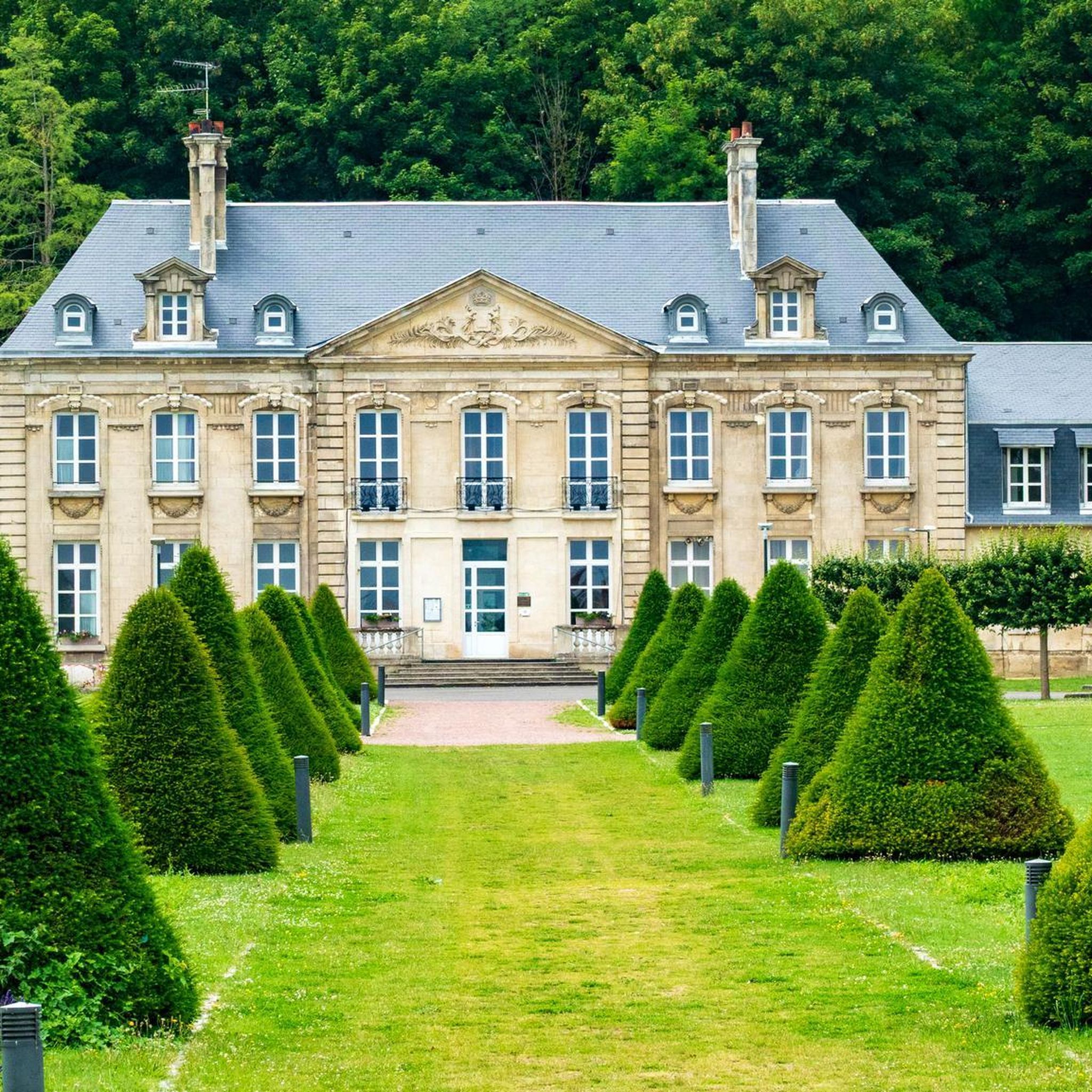
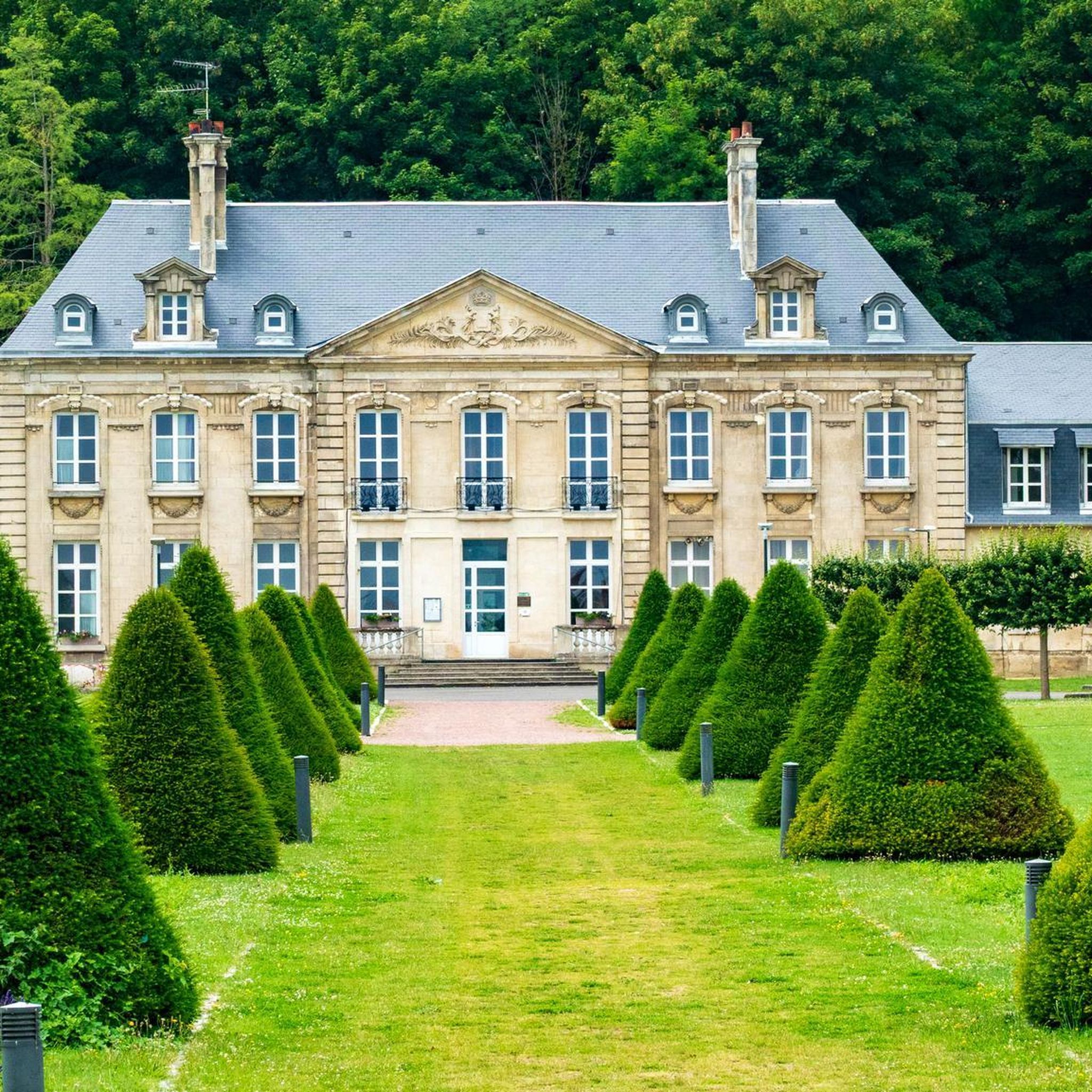
Château Mennechet
Highlight • Castle
Translated by Google •
Tip by

Notre-Dame de Noyon Cathedral
Highlight • Religious Site
Translated by Google •
Tip by
The Mont Saint Mard watchman
Highlight • Other
Translated by Google •
Tip by

Sign up for free to discover even more attractions around Ribécourt-Dreslincourt.
Sign up for free
Already have an account?
Start today with a free account
Your next adventure awaits.
Login or Signup


Tips from the Community

A must-see history
0
0

The Château Mennechet is a historic castle located in Chiry-Ourscamp, in the Hauts-de-France region. The castle was built at the end of the 19th century by Alphonse Mennechet de Barival, a wealthy and learned man. It was originally intended as a richly decorated gallery, but it was never completed. Architecture: The castle is an example of neo-Gothic architecture with beautiful sculptural decorations. The building is surrounded by an ornate garden and has an imposing facade with detailed stonework. The ruins of the castle can still be admired and offer a unique insight into the rich history and culture of the region.
2
0
The Cathedral of Notre-Dame de Noyon is an impressive Gothic building in the heart of Noyon, in the Oise department. Built between 1145 and 1235, the cathedral is a major religious and cultural monument. It exemplifies the transition from Romanesque to Gothic architecture. The cathedral is 103.11 meters long (exterior) and 91.33 meters (interior), with a nave height of 22.73 meters. The interior is richly decorated with works of art and features a magnificent Merklin organ from 1898. The cathedral also has a Louis XVI-style high altar.
1
1

The armistice agreement of World War I was signed here on November 11, 1918 in a clearing in the forest of Compiègne in a railway carriage. In June 1940, France's capitulation to the German Reich was also signed here and in the same carriage. For this purpose, the carriage was brought back here from a museum on Hitler's orders. The original carriage no longer exists, but you can admire an identical carriage here in the museum for a fee. Today you can also find a lot of patriotism and commemoration here.
1
0

The complex of buildings surrounding Notre-Dame Cathedral is one of the earliest examples of Gothic architecture. You can admire the cathedral's rich liturgical furnishings, the elegant canons' residences, the remains of the episcopal chapel, and the chapter library, one of the oldest in Europe. You'll also discover the history of Noyon, the ancient episcopal city that witnessed the coronation of Charlemagne and the birth of John Calvin. The cathedral chapter of Noyon is a true treasure trove of art and history that will delight both the eyes and the mind.
5
0
Mennechet Castle is now in ruins, but it still offers a glimpse of the grandeur and art of its former owner, Alphonse Mennechet de Barival. You can explore the remains of the castle-gallery, designed to house Mennechet's collection of paintings, sculptures and earthenware. You can also admire the panoramic views of Mont-Conseil and the Oise valley from the castle's location on the hillside. As the castle is private property, you will need to obtain permission from the owner before visiting.
3
0

This former monastery was dedicated to the Holy Cross (Latin “Santa Croce”). The patronage refers to the cross on which Jesus Christ died. The veneration of the Holy Cross goes back to a large extent to Saint Helena, who was the mother of Emperor Constantine the Great (who recognized Christianity as a religion after his victory at the “Milvian Bridge” in front of Rome and in the year 312 for a long time the persecution ended with the “tolerance edict” of Milan). In the early fourth century she undertook a pilgrimage to the Holy Land (Israel / Palestine) and from there brought numerous relics with her to Europe, including the "True Cross" on which Jesus Christ was crucified. Helena is therefore often depicted with a cross as an attribute. The church celebrates the festival of the discovery, public presentation and veneration of the Holy Cross – called “Exaltation of the Cross” – on September 14th.
0
0

Cathedral of Gothic architecture from the 12th century
0
0
Frequently Asked Questions
What historical sites can I explore in and around Ribécourt-Dreslincourt?
Ribécourt-Dreslincourt and its surroundings are rich in history. Within the commune, you can visit the remnants of La Grotte des 5 Piliers, an ancient stone quarry with a unique past, and the local War Memorials. Nearby, significant historical sites include the Armistice Clearing (Clairière de l’Armistice) in Compiègne, the Ruin of the priory of Ste Croix, and the impressive Notre-Dame de Noyon Cathedral.
Are there natural attractions or viewpoints near Ribécourt-Dreslincourt?
Yes, the region offers several natural escapes and viewpoints. The Mont Saint Mard watchman, a majestic black pine tree in the Compiègne Forest, offers a unique natural landmark and overlooks the Aisne valley. You can also explore the nearby Forêt de Laigue, just 5 km away, or Mont Ganelon, about 8 km from the commune, for more natural beauty.
What kind of outdoor activities can I do around Ribécourt-Dreslincourt?
The area around Ribécourt-Dreslincourt is excellent for outdoor enthusiasts. You can find numerous routes for hiking, cycling, and gravel biking. For detailed routes and maps, check out the Hiking around Ribécourt-Dreslincourt, Cycling around Ribécourt-Dreslincourt, and Gravel biking around Ribécourt-Dreslincourt guides.
Are there any family-friendly attractions in the area?
Absolutely! The Armistice Clearing (Clairière de l’Armistice) in Compiègne, with its museum and historical significance, is categorized as family-friendly. The Notre-Dame de Noyon Cathedral also welcomes families. Exploring the nearby forests like Forêt de Laigue or Compiègne Forest offers great opportunities for family walks and picnics.
What are the best times to visit Ribécourt-Dreslincourt for outdoor activities?
The best times for outdoor activities in Ribécourt-Dreslincourt are generally spring (April to June) and early autumn (September to October). During these periods, the weather is typically mild and pleasant, ideal for hiking, cycling, and exploring historical sites without the intense heat of summer or the chill of winter. The forests are particularly beautiful with spring blooms or autumn colors.
Can I visit Ourscamp Abbey, and what should I expect?
Ourscamp Abbey, located just 5 km from Ribécourt-Dreslincourt, is a notable historical site. While it is now largely in ruins, it offers a fascinating glimpse into medieval history and architecture. Visitors can explore the remaining structures and grounds. Access details and specific visitor information should be checked locally as it's a ruin.
What is the significance of the War Memorials in Ribécourt-Dreslincourt?
Ribécourt-Dreslincourt has two significant war memorials: the Ribécourt War Memorial and the Dreslincourt War Memorial. These memorials pay tribute to local residents who died in combat, particularly during World War I. They serve as poignant reminders of the commune's history and the sacrifices made, offering a place for reflection and remembrance.
Are there any castles or grand residences to see nearby?
Yes, about 18 km from the commune, you can find the impressive Pierrefonds Chateau, considered one of the most beautiful castles in northern France. Closer by, the Château Mennechet, though in ruins, still showcases its former grandeur and unique neo-Gothic architecture. Please note that Château Mennechet is private property, and permission from the owner is required for a visit.
What do visitors enjoy most about the attractions around Ribécourt-Dreslincourt?
Visitors particularly appreciate the blend of historical depth and natural beauty. The Armistice Clearing is highly valued for its historical significance and well-presented museum. The tranquility and unique natural feature of the Mont Saint Mard watchman also receive high praise, as do the atmospheric ruins of the priory of Ste Croix, offering a glimpse into medieval times.
Are there options for public transport to reach attractions around Ribécourt-Dreslincourt?
While Ribécourt-Dreslincourt itself is a smaller commune, public transport options may be limited for direct access to all attractions. It is advisable to check local bus schedules for connections between towns like Noyon and Compiègne, which are larger hubs. For exploring the more rural attractions and forest areas, having a car or using a bicycle is often the most convenient way to get around.
Can I find easy walking routes suitable for beginners near Ribécourt-Dreslincourt?
Yes, there are easy walking routes available. For example, the 'Belle vue loop from Chiry-Ourscamp' is categorized as an easy hiking route, covering about 6.1 km. You can find more details and other suitable options in the Hiking around Ribécourt-Dreslincourt guide.
Are there any specific regulations for hiking or visiting natural sites in the Oise region?
When hiking or visiting natural sites in the Oise region, it's generally important to respect local signage, stay on marked trails, and avoid disturbing wildlife. While specific permits for general hiking are not typically required, certain protected areas or private lands might have their own rules. Always practice 'Leave No Trace' principles by taking all your trash with you and respecting the natural environment.
Most popular routes around Ribécourt-Dreslincourt

Get inspired with the komoot mobile app


Explore more
Still not found the Highlight you’re looking for? See guides of the top attractions in other regions:
