Top 6 Castles around Choisy-Au-Bac
Best castles around Choisy-Au-Bac are situated in the Hauts-de-France region, offering a blend of historical significance and architectural interest. This area is known for its proximity to important historical events, including those related to World War I. The landscape features a mix of historical estates and natural surroundings, providing diverse exploration opportunities. Visitors can discover various châteaux, from 19th-century structures to grand royal palaces.
Best castles around Choisy-Au-Bac
- The most popular castles is Château de Compiègne, a castle that…
Last updated: August 23, 2026
Château de Compiègne
Highlight • Castle
Translated by Google •
Tip by

Compiègne Palace - Les Beaux Monts
Highlight (Segment) • Castle
Translated by Google •
Tip by

Sign up now to discover places like this
Get recommendations on the best single tracks, peaks, & plenty of other exciting outdoor places.
Sign up for free
The Château de Berneuil
Highlight • Castle
Translated by Google •
Tip by

Château des Bonshommes
Highlight • Castle
Tip by
What a castle!
Highlight • Viewpoint
Translated by Google •
Tip by

Sign up for free to discover even more castles around Choisy-Au-Bac.
Sign up for free
Already have an account?
Start today with a free account
Your next adventure awaits.
Login or Signup



Tips from the Community

The castle has not been under renovation for a long time. A pleasure for the eyes.
0
0


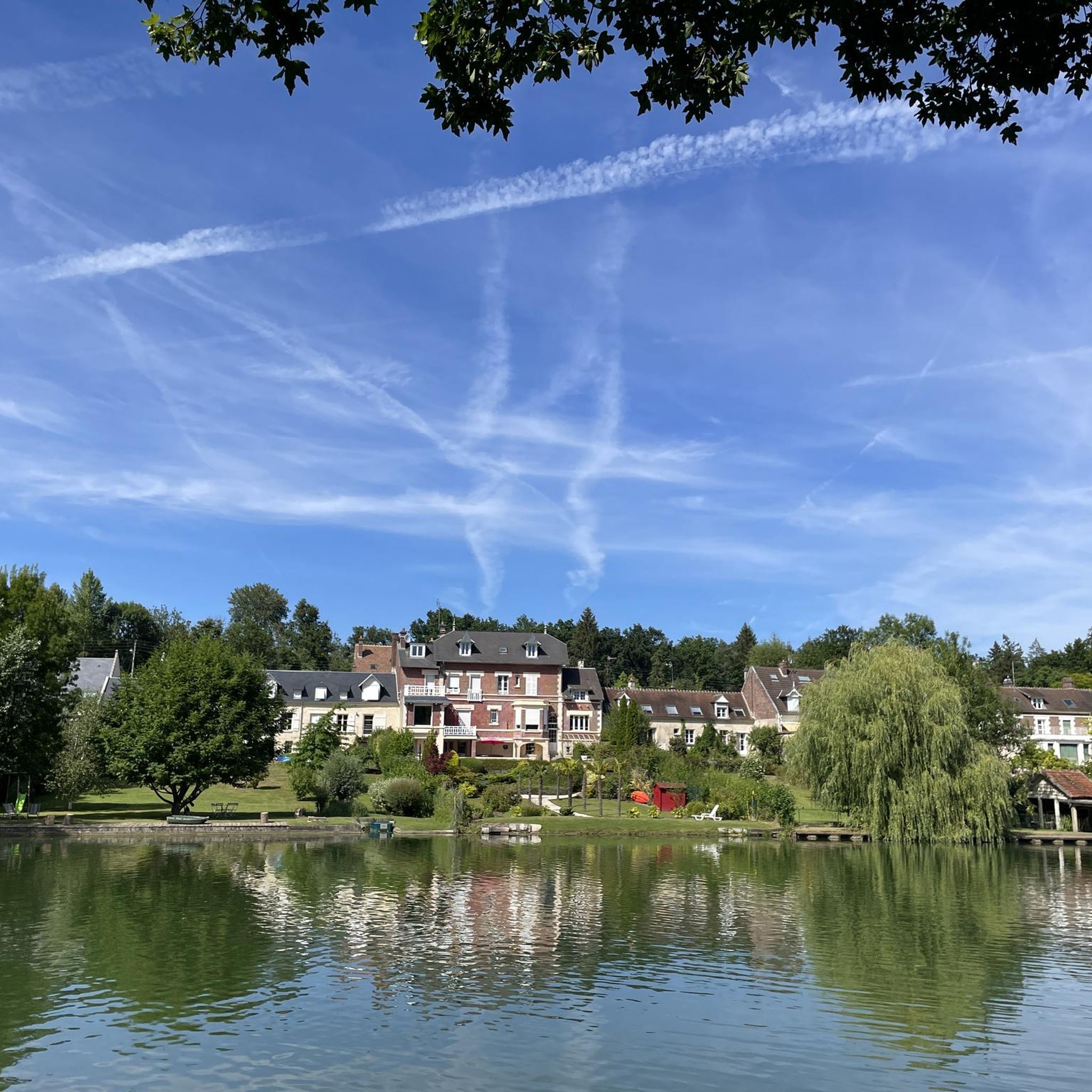
The Château du Francport is an historic château in Choisy-au-Bac, Oise, Hauts-de-France. It was built in the 19th century. A photograph taken by Count Olympe Aguado is in the collection of the J. Paul Getty Museum in Los Angeles, California. According to photographer Edward O. Haars for the War Department, this building is where German emissaries were housed during the Armistice negotiations in November 1918 at the Forest of Compiègne. See photos attached with NARA source on the images. Acquired by the Anglo-French Hotel Management Limited to turn it into a luxury hotel, the project fell through in 2009. However, by 2014 it was owned by Terres de Kéops and run as a restaurant known as the Château des Bonshommes.
5
0

Perfect for a picnic in the castle grounds!
0
0

In good weather, the garden is peaceful for relaxing or strolling. The cherry on the cake is inside the castle: beautiful reconstructions and conservations
0
0

Château de Pierrefonds with track to climb onto the square
0
0

You have no idea of the importance of the castle until you have stood in front of it: a magnificent complex with a wonderful park. Compiegne had great royal times before the name was much later overshadowed by the armistice in 1918.
1
0
Frequently Asked Questions
What are the most historically significant castles in the Choisy-au-Bac area?
The region boasts several castles with rich histories. The Château de Compiègne is a former royal and imperial residence built by Louis XV and XVI, later refurbished by Napoleon I and III. Another significant site is the Château des Bonshommes (also known as Château du Francport) in Choisy-au-Bac, which housed German emissaries during the Armistice negotiations in November 1918. The Ribécourt Castle, built in the 18th century, was notably used as a prison camp in 1919.
Are there any family-friendly castles to visit near Choisy-au-Bac?
Yes, the Château de Compiègne is considered family-friendly. Its large park is open daily with free admission, offering space for children to explore. The palace complex also contains three different museums that can be visited.
What outdoor activities can I do near these castles?
The area around Choisy-au-Bac offers various outdoor activities. You can find numerous routes for gravel biking, running, and mountain biking. For gravel biking, consider routes like the 'Vieux-Moulin – Allée des Beaux-Monts loop' or the 'Pierrefonds Castle – Pierrefonds Pond loop'. Running enthusiasts can explore trails such as the 'Étang des Cygnes loop' or 'The Banks of the Aisne loop'. For mountain biking, options include the 'Top of the Beautiful Hills' or 'Le Camp de César' loops. You can find more details on these activities in the Gravel biking around Choisy-Au-Bac, Running Trails around Choisy-Au-Bac, and MTB Trails around Choisy-Au-Bac guides.
Can I find viewpoints or scenic spots at the castles?
Yes, at Compiègne Palace - Les Beaux Monts, you can climb to the Beaux Monts for breathtaking views of Compiègne and its surrounding forest. This large alley was reportedly created by Napoleon I for Empress Marie-Louise to admire from her apartments.
What is the current status of the Château du Francport in Choisy-au-Bac?
The Château du Francport, also known as the Château des Bonshommes, was owned by Terres de Kéops and operated as a restaurant as of 2014. Its historical significance includes housing German emissaries during the 1918 Armistice negotiations. For current operating status and visitor information, it is advisable to check local sources or the official website if available. You can find more historical context on Wikipedia: Château du Francport.
Are there any castles undergoing restoration in the area?
Yes, The Château de Berneuil, located in Berneuil-sur-Aisne, is currently undergoing restoration. This historical site has been present in the town since the Middle Ages.
What is unique about Ribécourt Castle?
Ribécourt Castle, built in the 18th century, has a unique history as it was used as a prison camp in 1919. Its last owner, Miss Alyette de Lareinty Tholozan, donated the property to the Ministry of Veterans Affairs for the rehabilitation of the disabled. Today, it houses the Horticultural High School.
What kind of architecture can I expect to see among the castles?
The castles around Choisy-au-Bac showcase a range of architectural styles. The Château de Compiègne features a beautiful French neo-classical style, reflecting its royal and imperial history. The Château du Francport, built in the 19th century, exhibits traditional French architectural elements typical of the Hauts-de-France region.
What do visitors particularly enjoy about the castles in this region?
Visitors appreciate the blend of historical significance and architectural beauty. The large, freely accessible park of the Château de Compiègne is a highlight, as are the stunning views from Compiègne Palace - Les Beaux Monts. The historical context, particularly related to World War I events at the Château des Bonshommes, also draws interest.
Are there any castles with connections to famous historical figures?
Yes, the Château de Compiègne was built by Louis XV and XVI and later refurbished by Napoleon I and III. Napoleon I also created the grand alley leading to Compiègne Palace - Les Beaux Monts for Empress Marie-Louise. The Château du Francport is historically significant for its role in the 1918 Armistice negotiations.
What is the best time of year to visit the castles around Choisy-au-Bac?
While specific seasonal considerations for each castle may vary, generally, spring and autumn offer pleasant weather for exploring the castle grounds and parks, such as the extensive park at the Château de Compiègne. Summer can also be enjoyable, though it may be busier. Winter visits might offer a different, quieter atmosphere, but some outdoor areas or specific castle sections might have reduced hours.
Most popular routes around Choisy-Au-Bac
Most popular attractions around Choisy-Au-Bac

Get inspired with the komoot mobile app


Explore more
Looking for the best castles somewhere else? Discover other guides around Choisy-Au-Bac:
