The best road cycling routes around Cambronne-Lès-Ribécourt
4.4
(78)
2,400
riders
237
rides
Road cycling around Cambronne-Lès-Ribécourt offers varied terrain within the Oise Valley, characterized by expansive forests, verdant valleys with tree-covered hillsides, and open plains. The region features easy-to-cycle narrow roads and country lanes, often following the "vieille Oise" and Matz rivers, as well as their lateral canals. These waterways provide historically flat towpaths, ideal for tranquil journeys away from traffic. The landscape combines natural beauty with historical points of interest, making it suitable for diverse cycling experiences.
Best road cycling routes…
Last updated: July 2, 2026
28
riders
68.5km
03:30
830m
830m
Moderate road ride. Good fitness required. Some segments of this route may be unpaved and difficult to ride.
4.0
(6)
27
riders
45.8km
02:03
180m
180m
Moderate road ride. Good fitness required. Some segments of this route may be unpaved and difficult to ride.

Sign up for free
21
riders
47.1km
02:01
240m
240m
Moderate road ride. Good fitness required. Some segments of this route may be unpaved and difficult to ride.
13
riders
64.5km
02:43
330m
330m
Moderate road ride. Good fitness required. Mostly well-paved surfaces and easy to ride.
12
riders
53.6km
02:16
210m
210m
Moderate road ride. Good fitness required. Mostly well-paved surfaces and easy to ride.
Get access to more routes and recommendations from other explorers.
Sign up for free
Already have an account?
Our route recommendations are based on thousands of hikes, rides, and runs completed by other people on komoot.
Start today with a free account
Your next adventure awaits.
Login or Signup
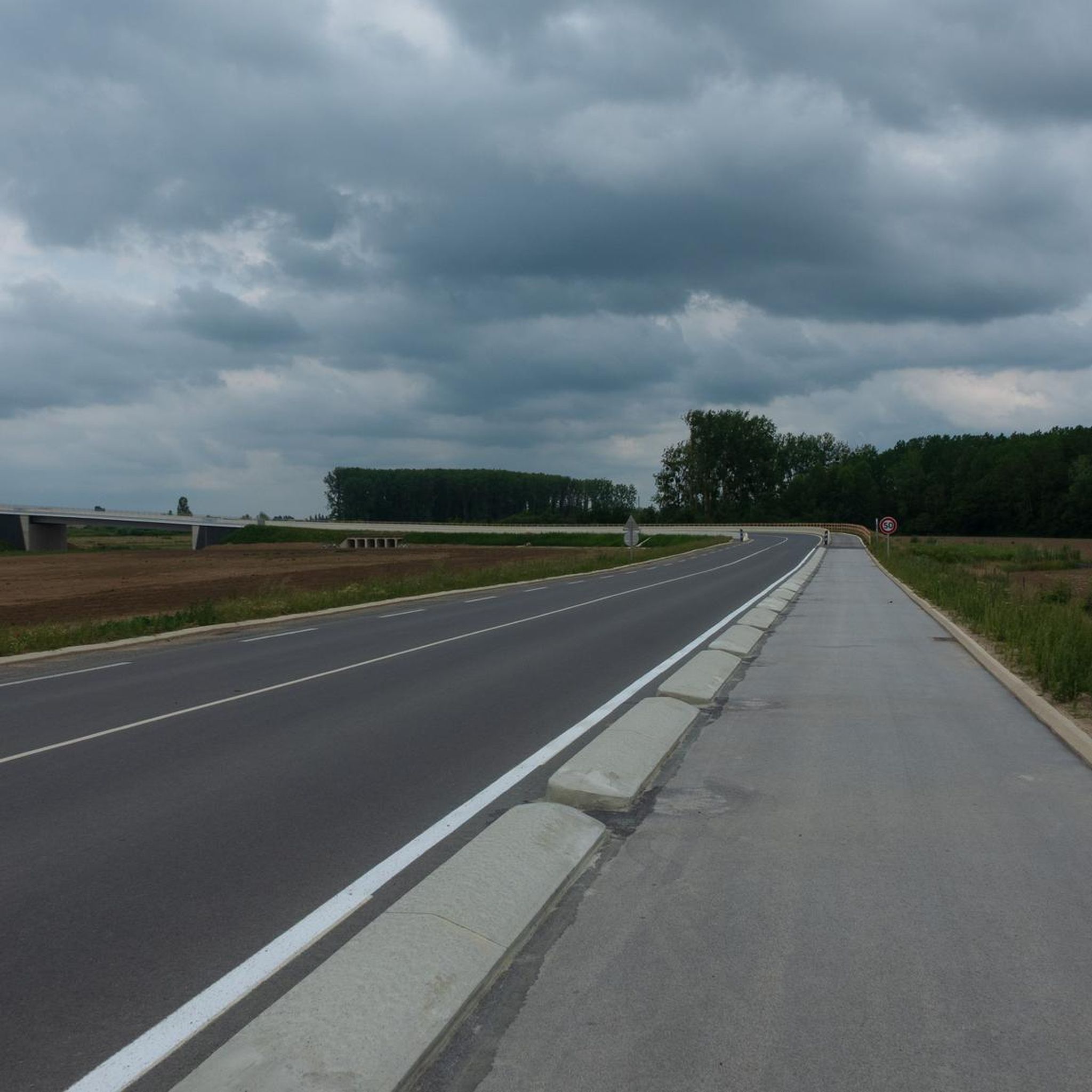
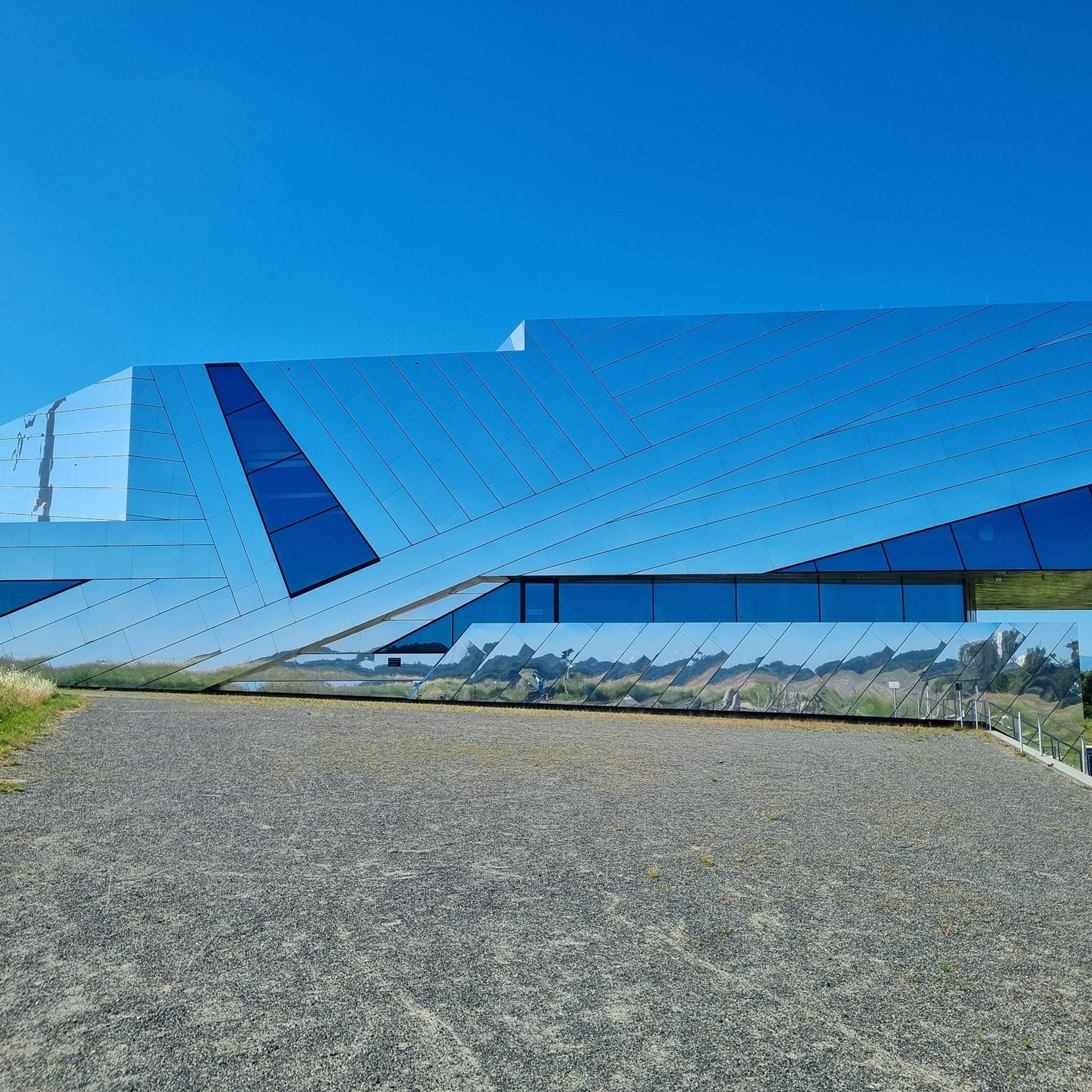

Tips from the Community


The sight of military cemeteries is always very sad, but we must not forget history.
0
0

The National Military Cemetery of Vic-sur-Aisne, created in 1921, is an impressive necropolis containing the remains of 3,046 French soldiers, mainly killed during the Battles of the Aisne in World War I. Of these, 932 are buried in two ossuaries, and seven others died during World War II. Among the thousands of French soldiers is Ma Yi Pao, a young Chinese legionnaire who died of wounds on September 2, 1918, at the age of 24. He was one of the few Chinese to actually serve as a soldier in the French Foreign Legion, while most of his compatriots were employed as laborers. His grave (plot F, grave 59) is unique: he is the only officially recognized Chinese soldier to have died for France in this war.
8
0
Rethondes is associated with the armistice of 1918. On Sunday 10 November, Foch and Weygand attended mass in the small church. Outside hangs a commemorative plaque. Inside, the portraits of the two commanders are included in the stained glass window of the apse.
4
0
This impressive cemetery was built in 1920-1921 on a site that was heavily contested during the First World War. It contains the remains of 1,258 French soldiers, 547 of whom are buried in two ossuaries. One French soldier from the Second World War is also buried here. Adjacent is a German military cemetery with the remains of 1,095 soldiers, 388 of whom are buried in collective graves, together with four British and two French soldiers. The necropolis is located in a region where the German advance towards Paris passed through in 1914, and where fierce fighting took place in 1918 during the Battle of Matz. Today it is a serene place of remembrance and reconciliation, in the middle of a landscape that was once the scene of devastating battles.
4
0

The church is believed to have been built in the 12th century under the authority of the Knights Templar[2]. The church was almost completely destroyed during the First World War and was rebuilt identically in its original Romanesque style. It received its new blessing on March 6, 1932. It is characterized by its two-story bell tower, one square and the other octagonal, the capitals in the shape of heads perched on small columns, numerous sculptures along the gutters, and the modillions carved with fantastical figures. Source: Wikipedia
0
0
Anecdote: Among the thousands of French soldiers lies Ma Yi Pao, a young Chinese legionnaire who died of his wounds on September 2, 1918 at the age of 24. He was one of the few Chinese who actually served as a soldier in the French Foreign Legion, while most of his compatriots were deployed as laborers. His grave (plot F, grave 59) is unique: he is the only officially recognized Chinese soldier who died for France in this war.
1
0
The National Military Cemetery of Vic-sur-Aisne, created in 1921, is an impressive necropolis containing the remains of 3,046 French soldiers, mainly killed during the Battles of the Aisne in World War I. Of these, 932 are buried in two ossuaries, and seven others died during World War II.
1
0
Frequently Asked Questions
What kind of terrain can I expect on road cycling routes around Cambronne-Lès-Ribécourt?
The region offers varied terrain, from easy-to-cycle narrow roads and country lanes to areas with more significant ascents. You'll find routes traversing expansive forests, verdant valleys with tree-covered hillsides, and open plains. Many paths follow the "vieille Oise" and Matz rivers, as well as their lateral canals, providing historically flat sections ideal for tranquil rides.
Are there road cycling routes suitable for beginners or those looking for an easier ride?
Yes, Cambronne-Lès-Ribécourt offers a good selection of routes for all abilities. Out of over 250 road cycling routes, 36 are classified as easy. These often follow the flat towpaths along the Oise and Matz rivers, providing gentle gradients and scenic views away from heavy traffic.
What are some notable landmarks or attractions I can see while road cycling in the area?
You can encounter various historical and natural points of interest. Routes often pass by sites like the Armistice Clearing (Clairière de l’Armistice), Compiègne, or historical churches such as the Church of Saint-Martin in Cambronne-lès-Ribécourt. The region's waterways, including the "vieille Oise" and Matz rivers, are also prominent natural features along many routes.
Are there any long-distance road cycling routes accessible from Cambronne-Lès-Ribécourt?
Yes, Cambronne-Lès-Ribécourt is situated within the Oise department, which is part of a larger network of cycle tourism. You can access segments of long-distance routes like the "Trans'Oise" greenway and EuroVelo 3, also known as "La Scandibérique" or the Pilgrims Route. These routes are designed to follow rivers and canals, offering extensive, often flat, journeys through fields and forests. For more information on EuroVelo 3, you can visit France Vélo Tourisme.
What do other road cyclists enjoy most about cycling in Cambronne-Lès-Ribécourt?
The area is highly rated by the komoot community, with an average score of 4.3 stars from over 100 reviews. Cyclists often praise the diverse landscapes, from riverbanks and canals to forests and valleys, and the quiet country lanes. The blend of natural beauty and historical sites also contributes to a rewarding cycling experience.
Are there circular road cycling routes available?
Yes, many of the road cycling routes around Cambronne-Lès-Ribécourt are designed as loops. For example, the Le lavoir – Montagne du Paradis loop from Ribécourt and the Varesnes Church – Notre-Dame d'Ourscamp Abbey loop from Ribécourt are popular circular options, allowing you to start and finish in the same location.
Can I find family-friendly road cycling routes in the region?
While specific 'family-friendly' designations for road cycling can vary, the numerous easy-rated routes and the flat towpaths along the rivers provide excellent options for families. These routes offer tranquil journeys away from traffic, making them safer and more enjoyable for cyclists of all ages. Consider routes that stick to the canal paths for the gentlest experience.
What is the best time of year to go road cycling around Cambronne-Lès-Ribécourt?
The region is generally pleasant for cycling from spring through autumn. Spring brings blooming landscapes, while autumn offers beautiful foliage. Summer is also popular, but it's advisable to cycle earlier in the morning or later in the afternoon to avoid the midday heat. Always check the local weather forecast before heading out.
Are there any specific viewpoints or scenic spots along the road cycling routes?
The Oise Valley itself is very scenic, with picturesque riverbanks, canals, and tree-covered hillsides. While specific named viewpoints on road cycling routes are less common than in hiking, the varied topography often provides elevated sections offering panoramic views of the surrounding forests and plains. The Beaux Monts Viewpoint, though not directly on a road cycling route, is a notable scenic spot in the wider area.
Are there any cafes or places to stop for refreshments along the cycling routes?
While specific cafes directly on every route are not guaranteed, the towns and villages you pass through, such as Ribécourt-Dreslincourt, will offer opportunities for refreshments. Planning your route to include stops in these settlements is recommended to find cafes, bakeries, or small shops.
What are some of the natural features I can explore while cycling in this region?
The region is rich in natural features, primarily centered around its waterways and forests. You'll cycle alongside the "vieille Oise" and Matz rivers, and their lateral canals. The wider Oise Valley is characterized by state-owned forests, wooded valleys, and open plains, offering a diverse natural backdrop. The Ponds of Cambronne-lès-Ribécourt also offer tranquil spots for relaxation.
How many road cycling routes are there in total around Cambronne-Lès-Ribécourt?
There are over 250 road cycling routes available around Cambronne-Lès-Ribécourt, catering to various skill levels. This includes 36 easy routes, over 200 moderate routes, and a few more challenging options for experienced cyclists.
Most popular routes around Cambronne-Lès-Ribécourt
Most popular attractions around Cambronne-Lès-Ribécourt

Get inspired with the komoot mobile app


Explore more
Browse the best Road cycling routes in other regions.
