Top 20 Natural Monuments around Avon
Best natural monuments around Avon offer a diverse landscape shaped by the River Avon, which flows through the region. This area, historically known for its natural beauty, features dramatic gorges, ancient woodlands, and unique geological formations. Visitors can explore a variety of natural settings, from river valleys to elevated viewpoints. The region provides opportunities to experience distinct ecosystems and geological features.
Best natural monuments around Avon
- The most popular natural monuments is Grotte du Serment, a gorge that features a vault made of a single rock. The letters D.F.D, meaning "Last Folie Denecourt," are engraved on the cave.
- Another must-see spot is Béatrix Cave, a cave carved into the rock. This spot is part of a rocky massif and is often found at the end of a hike.
- Visitors also love Gros Fouteau Road, a forest path winding through wild and varied landscapes. This route offers an immersion in unspoiled nature with century-old trees and green clearings.
- Avon is known for its gorges, caves, and forests. These natural monuments offer a variety of landscapes to see and explore.
- The natural monuments around Avon are appreciated by the komoot community, with more than 40 photos and over 150 upvotes.
Last updated: June 26, 2026
Grotte du Serment
Highlight • Gorge
Translated by Google •
Tip by

Béatrix Cave
Highlight • Cave
Translated by Google •
Tip by
Sign up now to discover places like this
Get recommendations on the best single tracks, peaks, & plenty of other exciting outdoor places.
Sign up for free
Béorlots Sand Dune
Highlight • Natural Monument
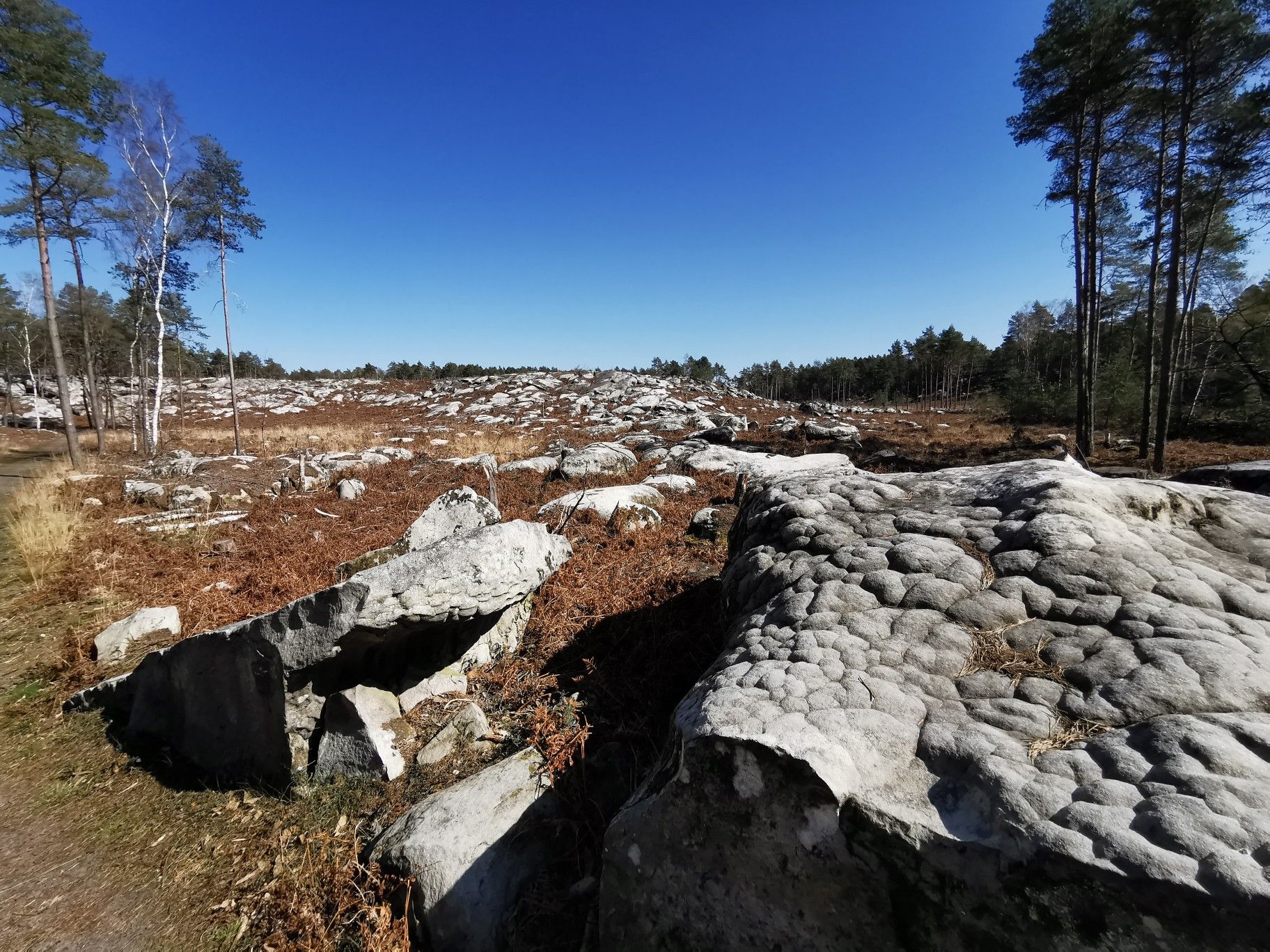
Yet these dunes are in danger. They were overgrown with tall pines. They were uprooted in 2001. But the pines, which grow easily in the open, are gradually coming back.
It is estimated that these quaternary dune fields, which appear here and there in the national forest, cover between 15 to 25% of the Massif de Fontainebleau.
Translated by Google •
Tip by

Piat Pond
Highlight • Lake
Translated by Google •
Tip by
Gros Fouteau Road
Highlight • Forest
Translated by Google •
Tip by

Sign up for free to discover even more natural monuments around Avon.
Sign up for free
Already have an account?
Start today with a free account
Your next adventure awaits.
Login or Signup
Popular around Avon
Nature and heritage around Paris – hiking the GR 11
Discover the Fontainebleau Forest – two must-do trail runs
Natural beauty on Île-de-France – mountain biking around Paris
In the heart of the Île-de-France countryside — 7 trails south of Paris
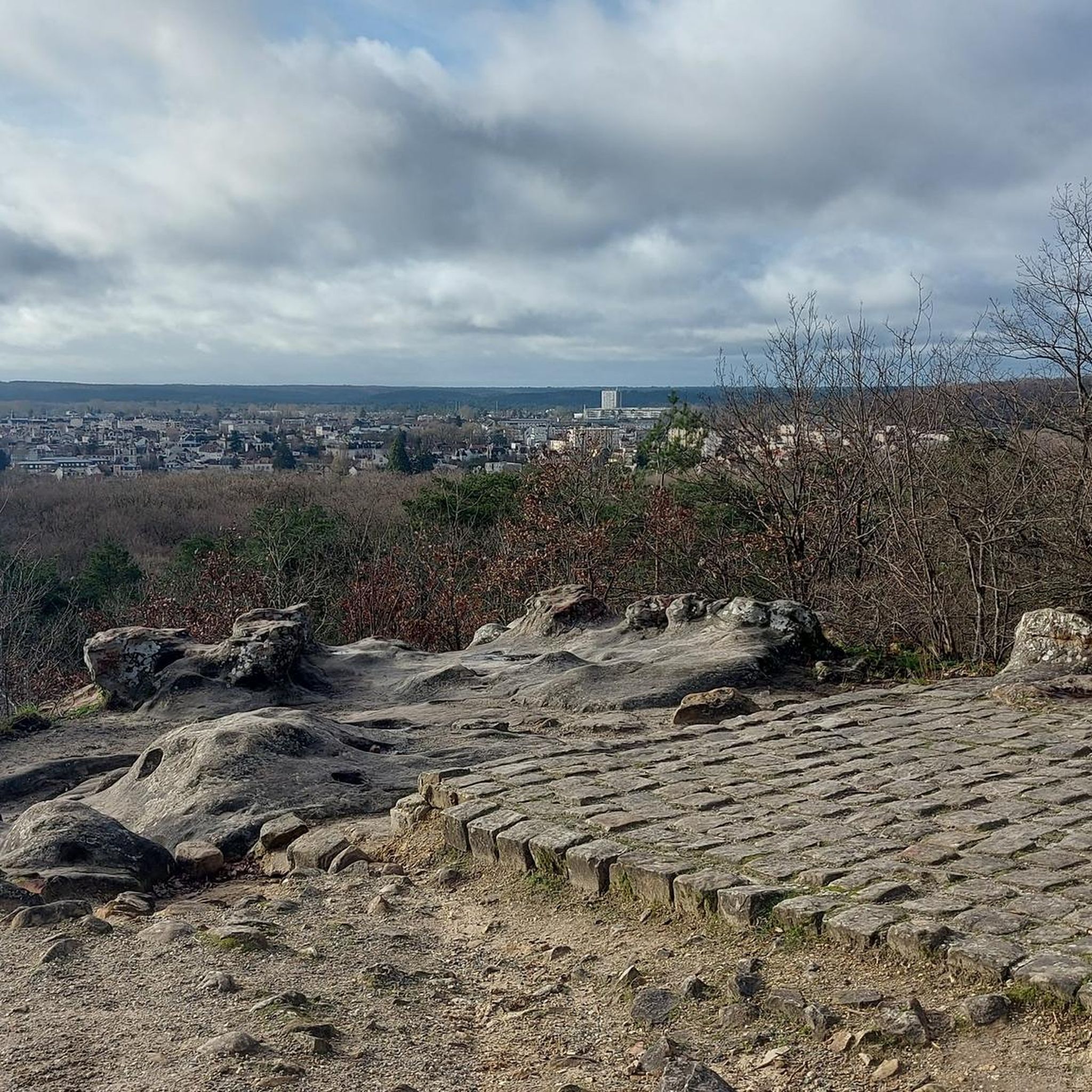
Hiking around Avon
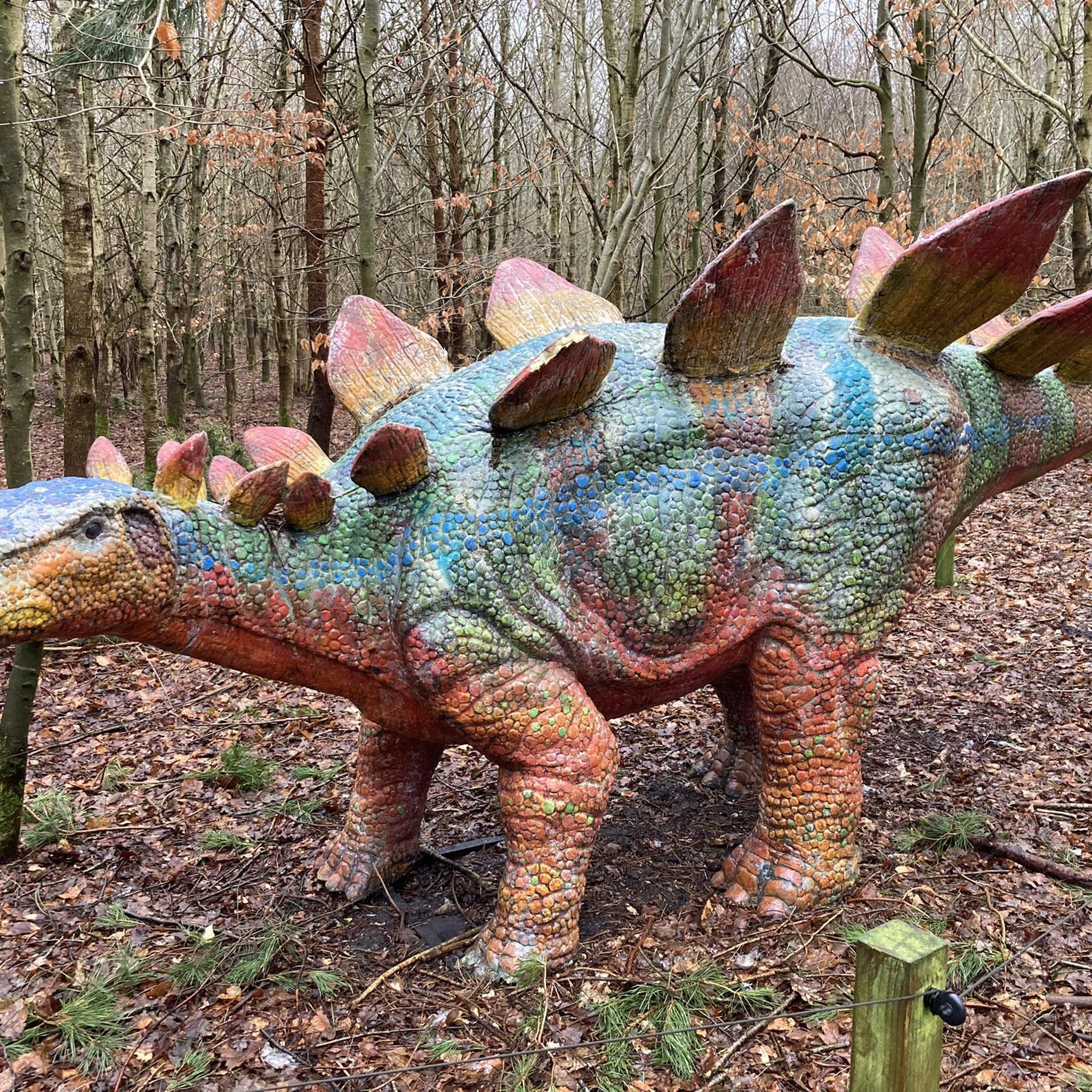
Running Trails around Avon
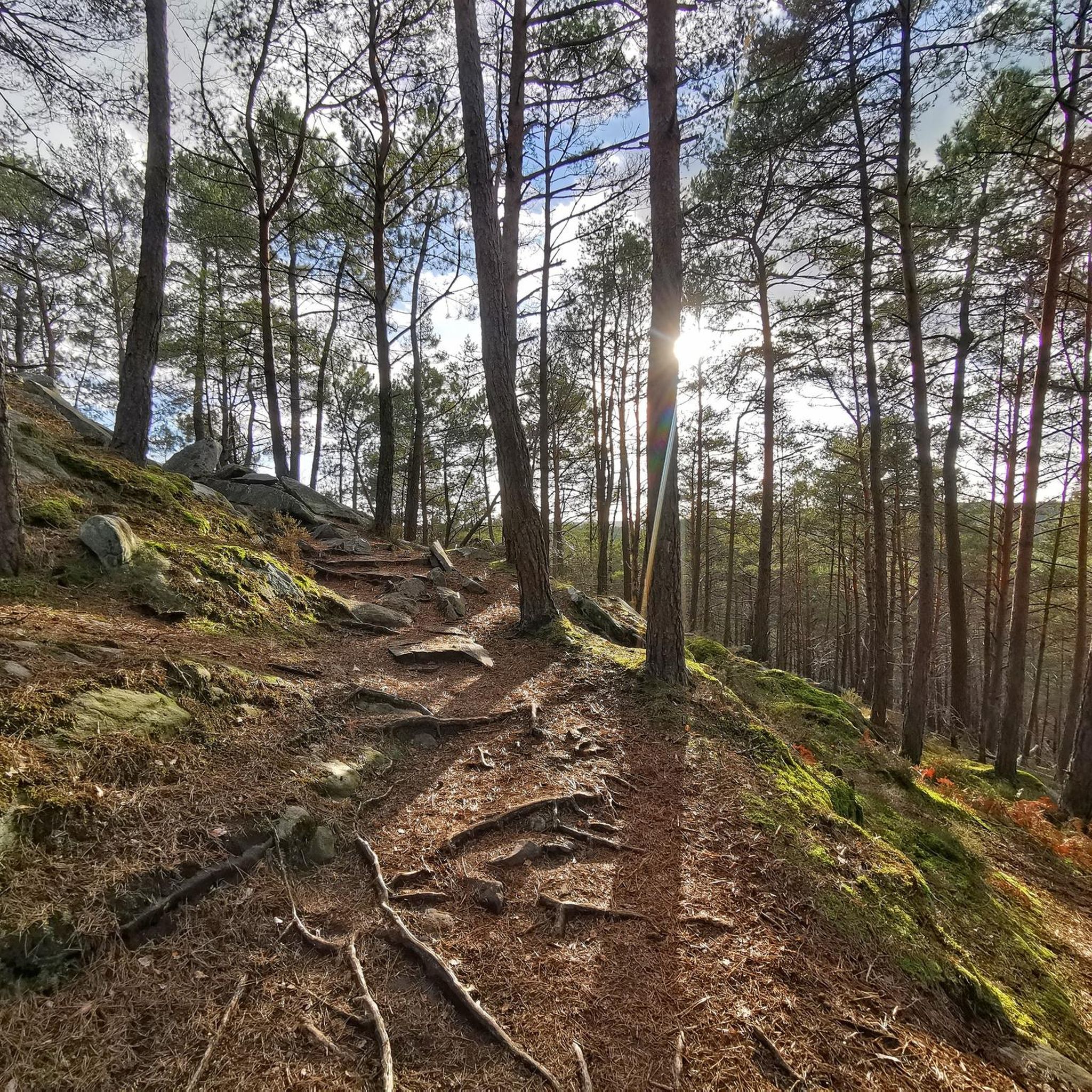
Road Cycling Routes around Avon
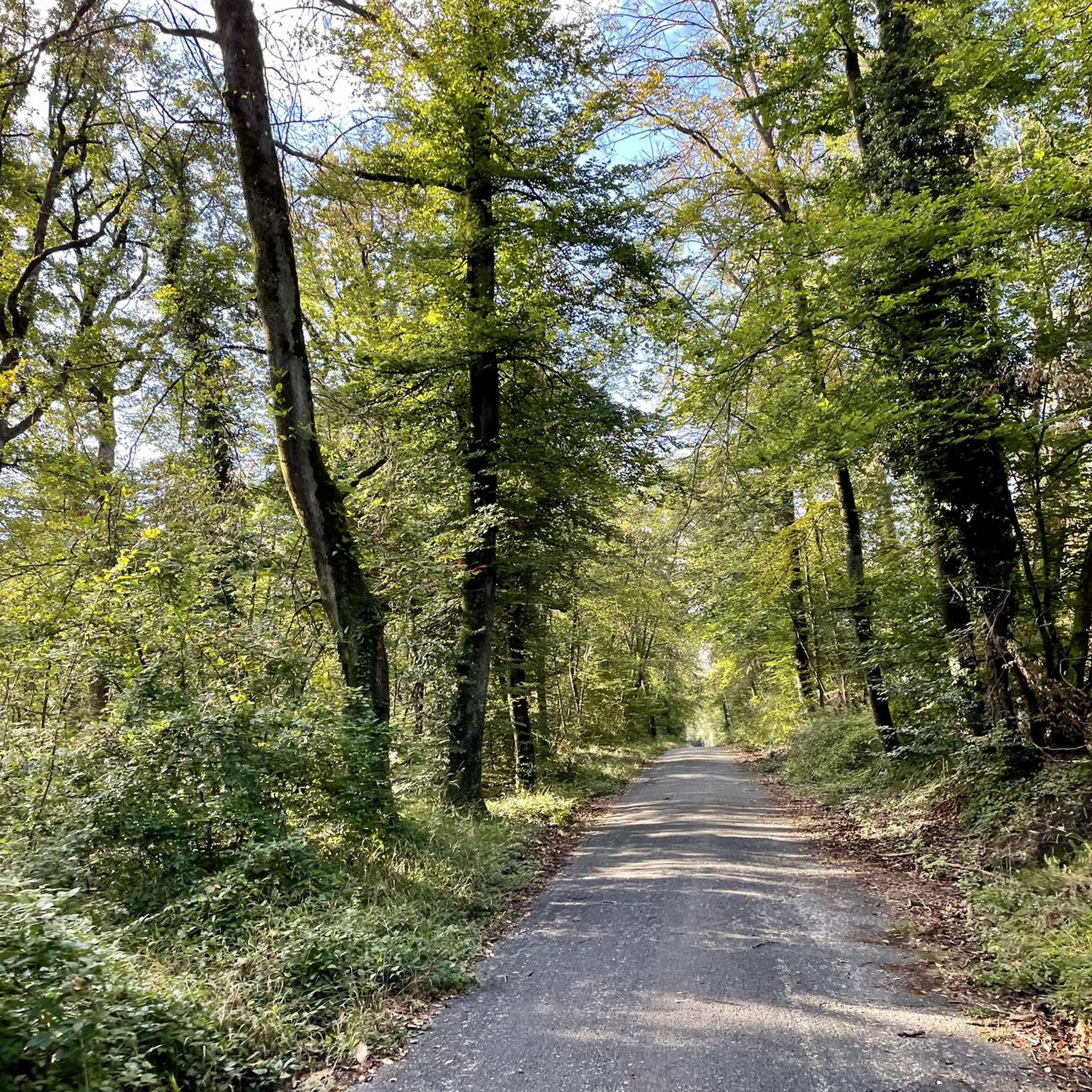
Cycling around Avon
MTB Trails around Avon

Gravel biking around Avon
Other adventures around Avon


Tips from the Community

Quite a nice route, with a short stretch of track between the 19th and 22nd km
0
0

I do believe this is an excellent website. I stumbled upon it I may revisit once again since I saved as a favorite it. https://www-sunpass.com
0
0

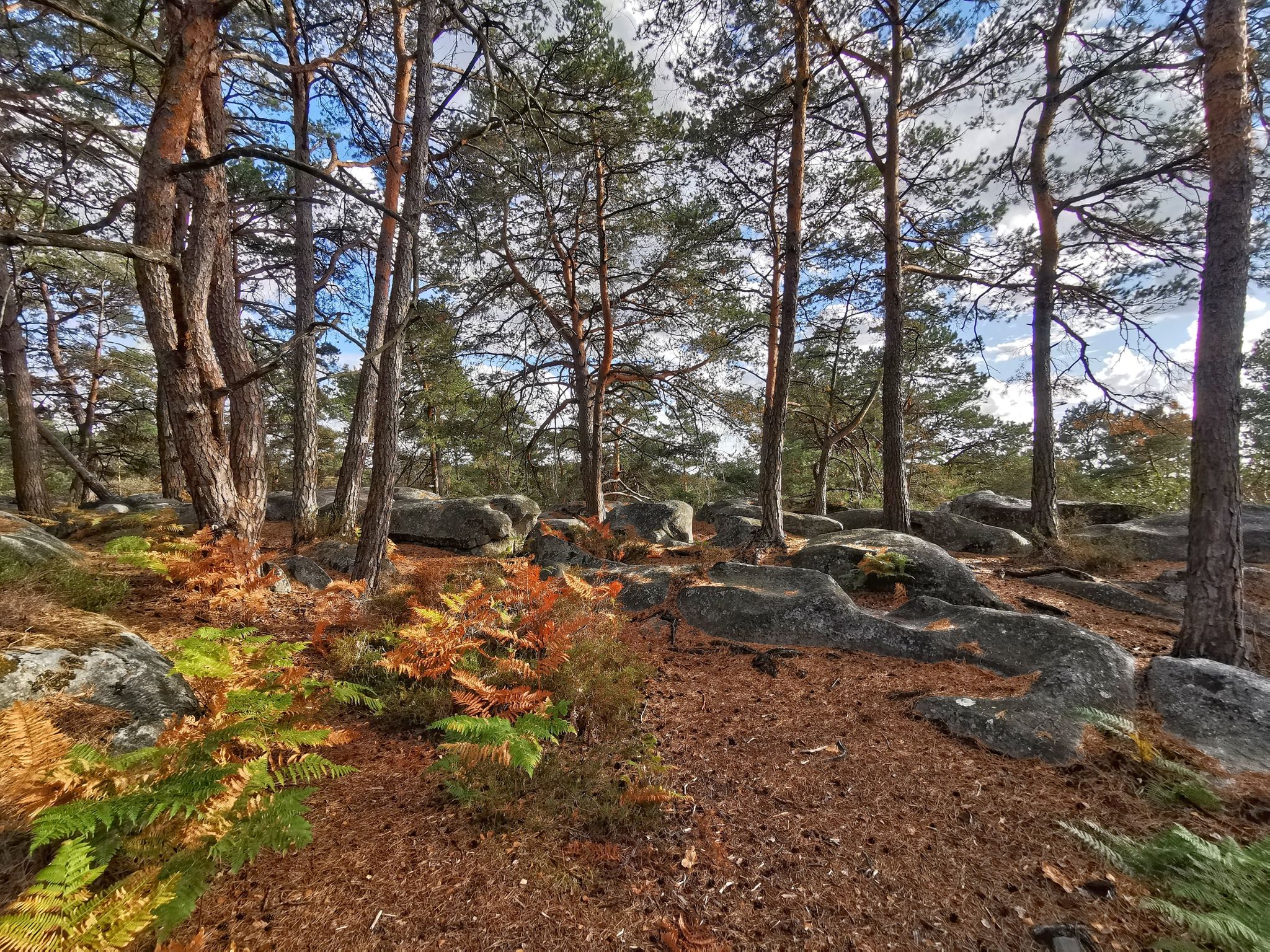
The Gros Fouteau road, in the heart of the managed biological reserve of Mont Ussy and Butte aux Aires, offers an immersion in unspoiled nature. This forest path winds through wild and varied landscapes, where century-old trees, such as the majestic Gros Fouteau, stand proudly. Here, you can discover the richness of the local biodiversity, with green clearings and magnificent viewpoints of the surrounding hills.
1
0


What immediately catches the eye are the water lilies which partly cover this 20 m diameter pond. In March, toads and frogs meet up to lay eggs. The name of this pond comes from the fact that a man named Piat, general forest guard, would have had trouble with people who had to complain about his severity in the service and who would have thrown him into the pond. This forced bath was not fatal to him, since he died at the age of 81, on August 26, 1805, leaving a large family.
0
0

The cave of the oath is quite surprising, especially because the vault is made of a single rock. The letters D.F.D were engraved on the cave by Denecourt himself and mean "Last Madness Denecourt".
1
0
The Béatrix cave is a natural wonder hidden in the forest of Fontainebleau. This cave, dug in the sandstone, is accessible during an outing in the forest. It offers an enchanting spectacle with its stalactites, its concretions and its walls covered with moss. It is also known to have been the place of meditation of Queen Marie-Antoinette.
0
0

Surprising to see this dune in the middle of the forest of Fontainebleau
0
0
Frequently Asked Questions
What natural features can I expect to see around Avon?
The Avon area is rich in diverse natural features, including dramatic gorges like the Avon Gorge, ancient woodlands, and unique geological formations. You can explore river valleys, such as those along the River Avon, and elevated viewpoints offering expansive vistas. The region also features caves like Grotte du Serment and Béatrix Cave, as well as tranquil lakes such as Piat Pond.
Are there any unique geological formations or ecosystems in the Avon area?
Yes, the Avon area boasts several unique geological features and ecosystems. The Avon Gorge is a Site of Special Scientific Interest due to its limestone geology and supports rare plant species like the Bristol whitebeam. Another unique spot is the Béorlots Sand Dune, a surprising geological remnant in the middle of a forest, formed from ancient marine invasions. Browne's Folly, near Bath, features flower-rich grasslands on old quarry remains, supporting nine species of orchid and providing sanctuary for the threatened greater horseshoe bat.
What kind of wildlife can be observed in Avon's natural monuments?
Avon's natural monuments are home to a variety of wildlife. In the Avon Gorge, you might spot rare invertebrate species. Welcombe Hills & Clopton Park are excellent for birdwatching, with great spotted woodpeckers, sparrowhawks, and little owls, and brimstone butterflies are abundant in spring. Along the Avon Valley Woodlands Nature Reserve, herons, kingfishers, and otters can be seen by the river, while the woodlands host woodpeckers and buzzards. Browne's Folly is notable for its rare orchids and is a sanctuary for greater horseshoe bats.
Are there walking trails near the natural monuments in Avon?
Absolutely. Many natural monuments in Avon are perfect for walking. The Avon Valley Woodlands Nature Reserve offers riverside paths along the River Avon. Welcombe Hills & Clopton Park provide tranquil natural scenery for walks. For more structured routes, you can explore various walking trails, including those around the natural monuments around Avon.
What outdoor activities can I do near these natural monuments?
Beyond walking, the area around Avon's natural monuments offers diverse outdoor activities. You can enjoy gravel biking, mountain biking, and road cycling on various routes. For example, there are numerous gravel biking routes, MTB trails, and road cycling routes that pass through or near these natural sites, offering opportunities to explore the landscape actively.
Are there family-friendly natural monuments around Avon?
Yes, several natural monuments in Avon are suitable for families. Piat Pond is a lovely spot for a leisurely visit, and the Gros Fouteau Road offers an immersive forest path that is family-friendly. The Avon Valley Woodlands Nature Reserve also provides easy walking and cycling paths along the river, perfect for a family outing.
What are some natural monuments with panoramic views in the Avon area?
For breathtaking panoramic views, consider visiting Ebrington Hill, the highest point in Warwickshire, which offers vistas stretching to Birmingham's skyline and the Malvern Hills. Dover's Hill in the Cotswolds also provides expansive views, with a toposcope indicating distant landmarks like the Black Mountains. The Avon Gorge has stunning viewpoints, including from the Clifton Observatory, and Browne's Folly offers commanding views towards Bath.
When is the best time of year to visit the natural monuments in Avon?
The best time to visit Avon's natural monuments largely depends on your interests. Spring (April-May) is ideal for seeing wildflowers, such as the rare orchids at Browne's Folly, and for observing brimstone butterflies at Welcombe Hills. Summer (June-August) offers pleasant weather for walking and cycling. Autumn (September-November) brings beautiful foliage to the woodlands. While many sites are accessible year-round, checking local conditions is always recommended.
Can I find tranquil spots for nature observation in Avon?
Absolutely. The Avon area has many tranquil spots perfect for nature observation. Welcombe Hills & Clopton Park offer peaceful grasslands and woodlands ideal for wildlife spotting. The Avon Valley Woodlands Nature Reserve provides a serene riverside setting where you can observe birds and other wildlife. Piat Pond is also highlighted as a quiet spot for observation.
What are some less-known or 'hidden' natural monuments worth visiting in Avon?
Beyond the more prominent sites, you might enjoy exploring the Béorlots Sand Dune, a unique geological feature hidden within the forest. Browne's Folly, near Bath, is another less-known gem, offering a haven for botanical and wildlife enthusiasts with its rare orchids and bat populations, set amidst old quarry remains.
Are there any historical or cultural connections to the natural monuments in Avon?
Many natural monuments in Avon have rich historical and cultural connections. The Avon Gorge is overlooked by three Iron Age hill forts and the iconic Clifton Suspension Bridge. Welcombe Hills & Clopton Park are said to have inspired parts of Shakespeare's *Hamlet*. Dover's Hill features a monument commemorating Robert Dover, founder of the Cotswold Olimpick Games, adding a unique cultural dimension to its natural beauty.
Most popular attractions around Avon

Get inspired with the komoot mobile app


Explore more
Extend your search for the best caves by checking out these guides of the top ones around Avon:
