The best road cycling routes around Fontenay-Sur-Eure
4.4
(194)
4,953
riders
729
rides
Road cycling around Fontenay-Sur-Eure offers diverse terrain within the Eure-et-Loir department, characterized by the Eure river valley and a succession of artificial lakes. The region features rolling green hills, dense woodlands, and the expansive agricultural plains of the Beauce. Cyclists can experience rural French scenery, with routes often traversing fields and quiet country roads.
Best road cycling routes around Fontenay-Sur-Eure
- The most popular road cycling route is Ponds of Fontenay sur Eure – Ponds of Fontenay-sur-Eure loop from Fontenay-sur-Eure,…
Last updated: July 5, 2026
5.0
(2)
17
riders
61.1km
02:22
200m
200m
Moderate road ride. Good fitness required. Mostly well-paved surfaces and easy to ride.
4.0
(1)
10
riders
35.7km
01:23
110m
110m
Easy road ride. Great for any fitness level. Mostly well-paved surfaces and easy to ride.

Sign up for free
11
riders
Moderate road ride. Good fitness required. Mostly well-paved surfaces and easy to ride.
6
riders
53.4km
02:06
170m
170m
Moderate road ride. Good fitness required. Mostly well-paved surfaces and easy to ride.
5.0
(1)
6
riders
35.6km
01:23
110m
110m
Easy road ride. Great for any fitness level. Mostly well-paved surfaces and easy to ride.
Get access to more routes and recommendations from other explorers.
Sign up for free
Already have an account?
Our route recommendations are based on thousands of hikes, rides, and runs completed by other people on komoot.
Start today with a free account
Your next adventure awaits.
Login or Signup
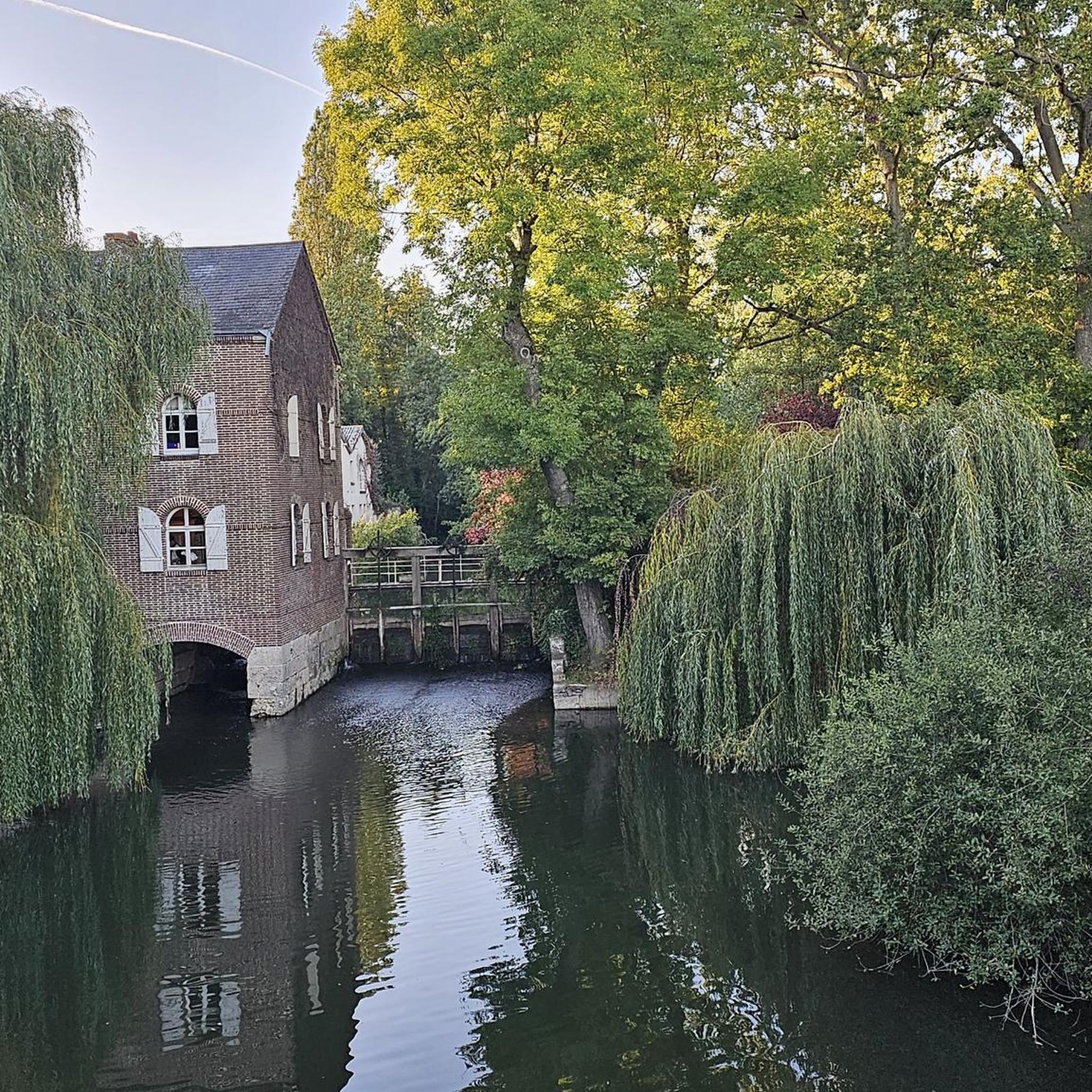
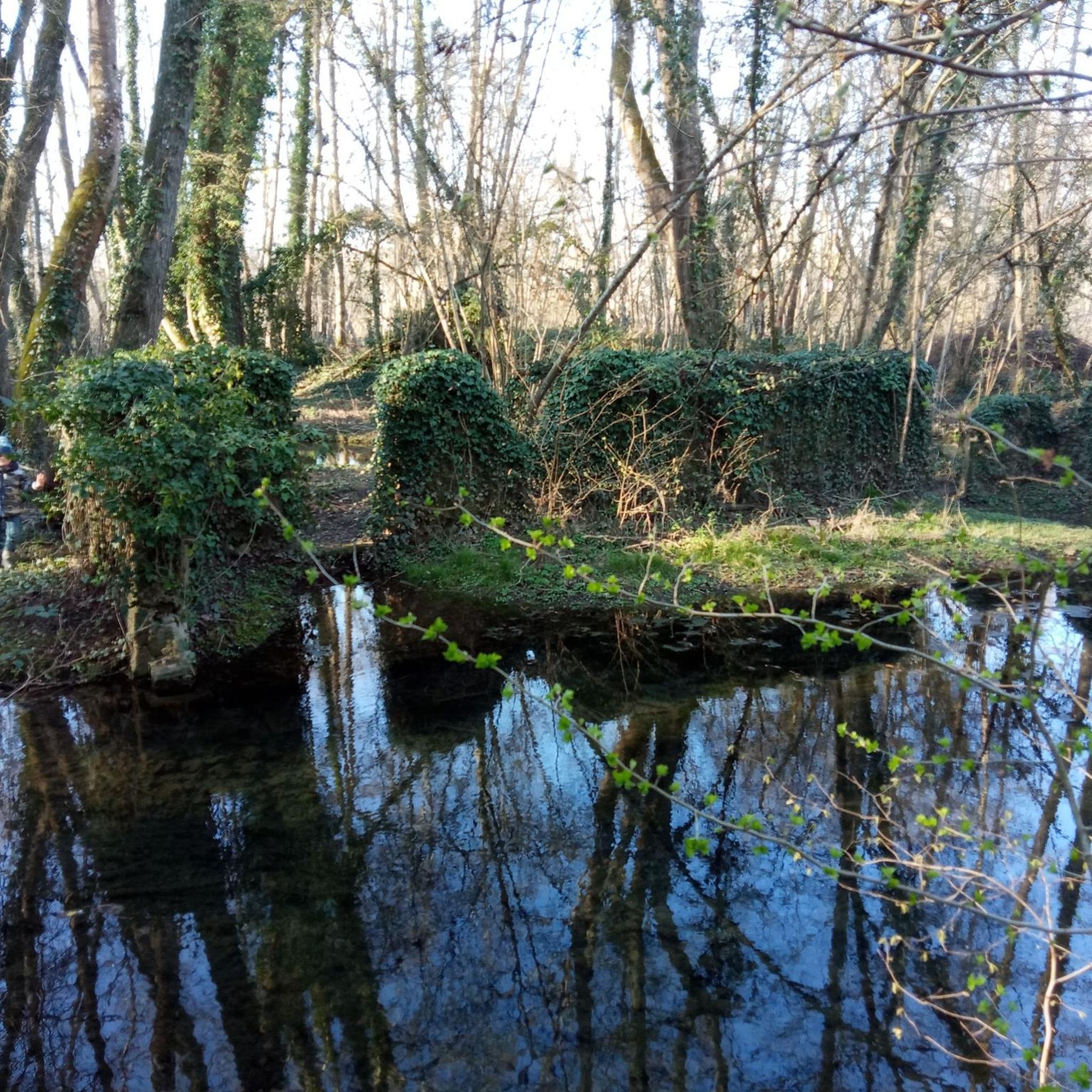

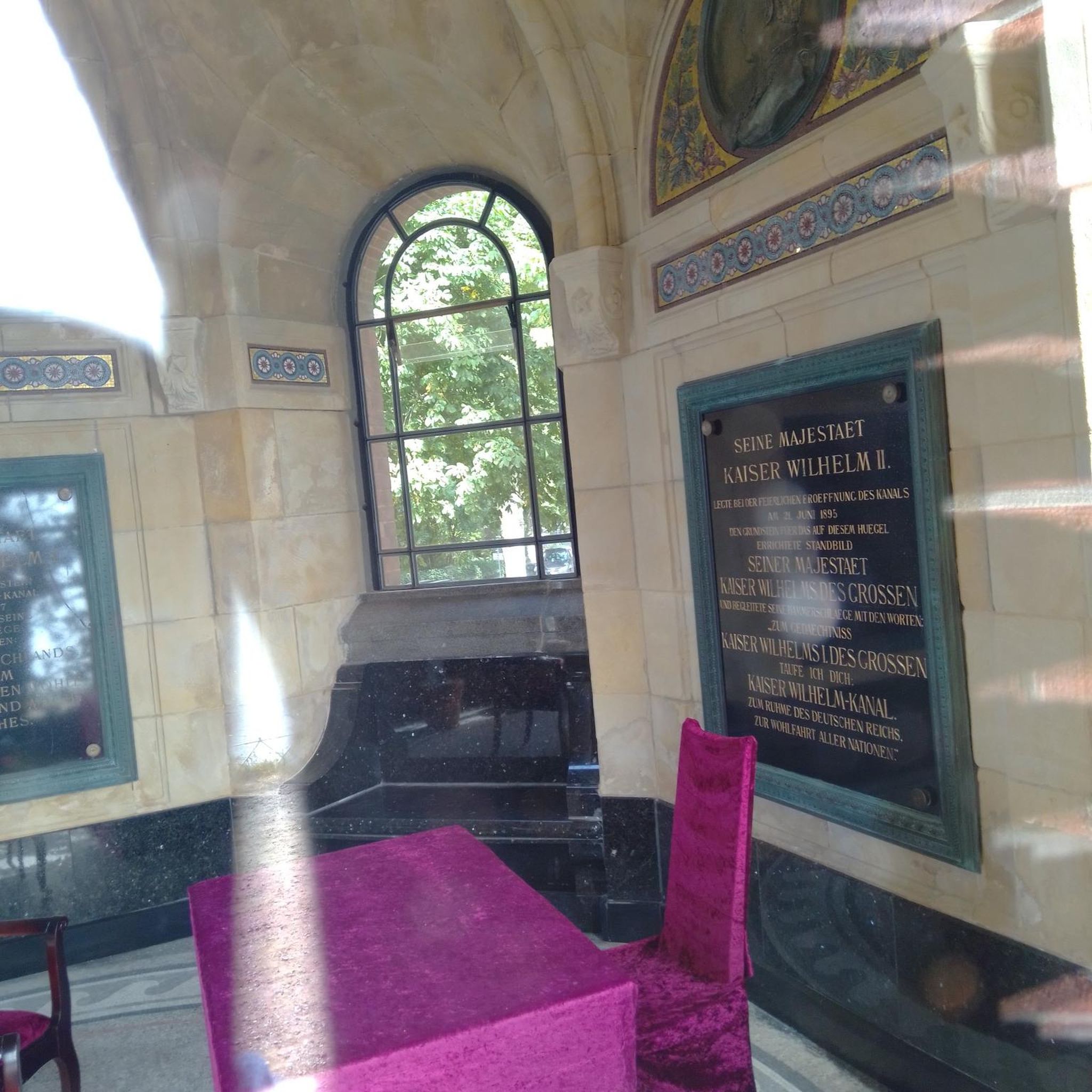

Tips from the Community

The main nave, ending in a semicircular apse, is preceded by a timber-framed porch and opens to the north onto a chapel through a wide archway. The timber-framed bell tower, clearly from the same period as the 17th-century wainscoting, rests on a base spanning the nave. A second nave is covered with quadripartite masonry vaults from different periods. Of a dressed stone tower, only the spiral staircase and the first level remain, built between the 11th and 13th centuries. The side aisle was built in the 14th century and enlarged in the 16th. 1660: Supposed collapse of the tower attached to the nave, of which only the first level remains. 1679: Paneling on the nave and probable construction of the small timber-framed spire. 19th century: Supposed construction of the timber-framed chapel. The church was under the jurisdiction of the chapter of Notre-Dame de Chartres (the chapter's name can be seen on the lock of the small door on the right and is painted on the walls of the capital with stars and the date 1733 L.M.M.P.).
0
0
The Romanesque church of Saint George was rebuilt in 1540 after a fire destroyed it during the conflicts between the French, English, and Burgundians. It is said that the villagers took refuge in the church, especially in the tower, and that the English did not hesitate to set it ablaze. The two bells, dating from 1816, and a beam bearing the carpenters' names are listed as historical monuments. Exploring the village, you will discover several ponds and old water pumps, a Caesar's Way (Chemin d'Arcé), and a wood.
0
0


Unfortunately, the church was not accessible when I visited (mid-September 2024). You could only look in through a gate and the dance of death depictions on the left side were not really visible. In front of them were transparencies with skeleton drawings. Maybe those were the depictions...
0
0
Historically, our small medieval Romanesque church, dedicated to Saint Silvanus, was an integral part of a lordship. We can, still today, guess the vestiges of the seigniorial coat of arms on the liter (the banner) located just below the windows on the north face. Located near the old castle moat, the cemetery flanked it, on the north side in place of the current car park and the multi-purpose room, on the south side at the level of the green space currently planted with lime trees. Originally only the central building existed and the bell tower topped it in its center. This is the reason why at the beginning of the 1980s, the framework began to collapse, weakened by the weight and the marks of time left by the old bell tower. This renovation proved, if necessary, through the design of the framework, the existence of the central bell tower. The time when the bell tower was moved off-center is at the end of the 16th century, beginning of the 17th century. Concerning the creation of the sacristy and the side chapels, the departmental archives hold a plan of the church, dated August 19, 1853 which clearly indicates the existence of the sacristy and only the north chapel, the construction of the South chapel was therefore not concomitant. In the masonry, the small Romanesque windows can still be seen, the only one remaining, unwalled, opens to the east and still today offers a light entrance into the apse. Around the church we notice two types of buttresses, the first, the narrower ones date from the creation of the building, the more massive ones date from the 18th century, placed as reinforcements Neo-classicism at the end of the 18th century and the beginning of the 19th century left its mark on this building. Outside, as we have seen, by the addition of the sacristy as well as the small side chapels now forming a transept.
0
0
Thivars is mentioned in 966 in the Chartres cartulary. In the 12th century, the church became the property of Josaphat Abbey. The current church was built in the 16th century: a date of 1545 is engraved on a cherub in the turret. It is a very high construction but very irregular, this comes from the fact that it belongs to several eras: ogival style in the windows, the entrance door is Romanesque (it may be the door of the first Romanesque church) . The choir was formerly separated from the nave by an iron grille which disappeared during the French Revolution. The ceiling has pretty paneling dating from 1645. The two side altars are dedicated: one to Notre Dame des Victoires and the other to Saint Joseph. Among the furniture we can note an interesting painting which represents Our Lord pronouncing on a coin. In 1940, two bombs fell less than 30 m from the church, destroying the stained glass windows on the south side which were replaced by grisailles in 1987. Three pretty stained glass windows light up this church: Nativity stained glass window installed by Mr Campin in 1955 Stained glass windows of the village's patron saints, Saint Radegonde and Saint Hilaire, installed in 1900 and 1987 respectively.
1
0

Porte de Boisville Its ogival portal opens into a thick quadrangular massif where there was a room for operating the portcullis. We can still see the groove in the thickness of the walls. On the left and right two small funnel-shaped spaces allowed the defenders to observe and repel the enemies who appeared on the bridge. The gate was topped by a building serving as a guardhouse which was demolished in 1761. The guarding of these doors and their keys was in the troubled times of the Hundred Years' War the subject of concern for the inhabitants and also a source of quarrels and trials between the city and the abbey. This gate is preceded by a bridge of 5 stone arches, the one adjoining the gate was built in 1774 and replaced a drawbridge which defended the entrance.
0
0

Very beautiful church and the public toilets next to it are perfect, even for filling water bottles too large for the classic sinks.
0
0
Frequently Asked Questions
How many road cycling routes are available around Fontenay-Sur-Eure?
There are over 700 road cycling routes available around Fontenay-Sur-Eure, offering a wide variety of options for cyclists. These routes are highly rated by the komoot community, with an average score of 4.4 stars.
What is the general terrain like for road cycling in Fontenay-Sur-Eure?
The terrain around Fontenay-Sur-Eure is diverse, characterized by the picturesque Eure river valley, rolling green hills, and the expansive agricultural plains of the Beauce. You'll also find dense woodlands and a succession of artificial lakes, providing varied and scenic backdrops for your rides.
What is the best season for road cycling in the Fontenay-Sur-Eure region?
The region is particularly beautiful from April to June when the agricultural plains of the Beauce are vibrant with green and yellow rapeseed crops. Generally, spring through early autumn offers pleasant weather for road cycling, allowing you to fully enjoy the rural French scenery.
Are there options for different skill levels, such as easy or challenging routes?
Yes, the Fontenay-Sur-Eure area caters to various skill levels. Out of over 700 routes, you'll find approximately 225 easy routes, nearly 500 moderate routes, and a smaller selection of challenging routes, ensuring there's something for everyone.
What natural features can I expect to see while road cycling around Fontenay-Sur-Eure?
You can expect to cycle alongside the refreshing Eure river valley and past several artificial lakes, such as Etang des Chênes and Etang du Bois du Clos, which are known for their rich birdlife. The routes also traverse bordering forests with alder, ash, and willow trees, and the expansive agricultural plains of the Beauce.
Are there any historical landmarks or cultural attractions accessible by road bike near Fontenay-Sur-Eure?
Yes, Fontenay-Sur-Eure's proximity to Chartres means you can easily visit the iconic Notre-Dame de Chartres Cathedral, a UNESCO World Heritage site. Cycling routes often pass charming old mills along the Eure river, and you might encounter other historic sites like the Château de Maintenon in the broader region.
Are there any circular road cycling routes available?
Many routes in the area are designed as loops. For example, the Ponds of Fontenay sur Eure – Ponds of Fontenay-sur-Eure loop from Fontenay-sur-Eure is an easy 30.4 km circular trail exploring the local artificial lakes. Another option is the Ponds of Fontenay sur Eure – Orrouer Church loop from Fontenay-sur-Eure, a 35.8 km easy path that includes views of the Orrouer Church.
What are the typical distances and elevations for road cycling routes here?
Routes vary in length, from shorter loops like the 30.4 km Ponds of Fontenay sur Eure – Ponds of Fontenay-sur-Eure loop with about 115m of elevation gain, to longer rides such as the 51.5 km Vérigny Castle – Château de Fontaine-la-Guyon loop from La Taye, which features around 190m of elevation gain. The area generally offers moderate elevation changes, making it accessible for many cyclists.
Can I find routes that connect to longer-distance cycling itineraries?
Yes, Fontenay-Sur-Eure is situated along a section of the Véloscénie, a renowned long-distance cycling route connecting Paris to Mont-Saint-Michel. This offers opportunities to integrate local rides with a broader cycling adventure. For more information on regional cycling, you can visit tourisme28.com.
Are there any specific routes that showcase the Eure river valley?
Absolutely. The region is defined by the Eure river valley. A notable route is The Eure at Ver les Chartre – Église de Corancez loop from Luisant, a 41.4 km trail that leads directly through the scenic Eure river valley. Another option is the The Eure at Ver les Chartre – Ponds of Fontenay sur Eure loop from Fontenay-sur-Eure, which combines river views with the local ponds.
What do other road cyclists enjoy the most about road cycling in Fontenay-Sur-Eure?
The area is highly rated by the komoot community, with an average score of 4.4 stars from over 170 reviews. Reviewers often praise the quiet country roads, the picturesque Eure river valley, and the peaceful environment around the artificial lakes. The varied landscapes, from rolling hills to agricultural plains, are also frequently highlighted as enjoyable aspects of cycling here.
Most popular routes around Fontenay-Sur-Eure
Most popular attractions around Fontenay-Sur-Eure

Get inspired with the komoot mobile app


Explore more
Browse the best Road cycling routes in other regions.
