The best road cycling routes around Oupia
4.4
(96)
1,881
riders
222
rides
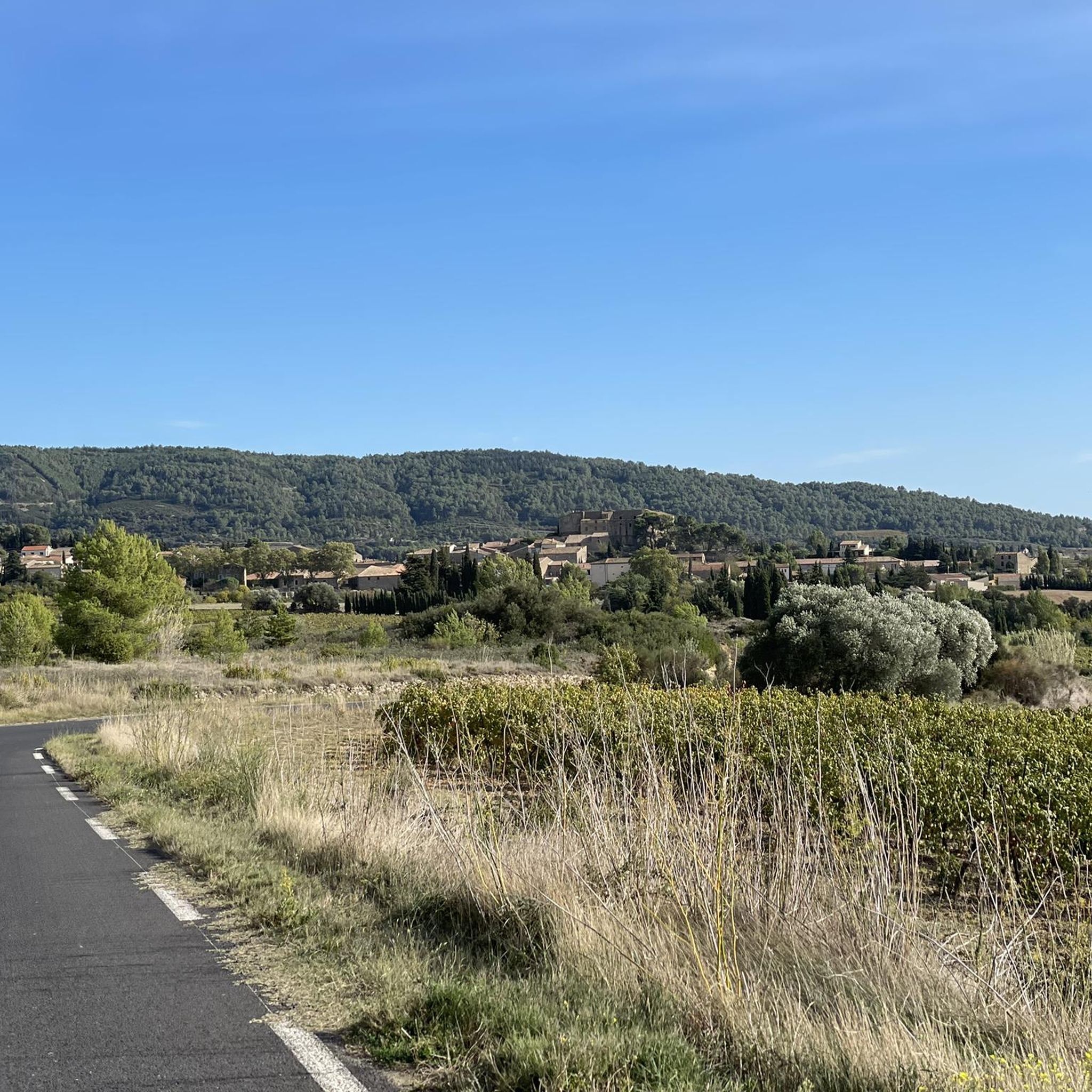
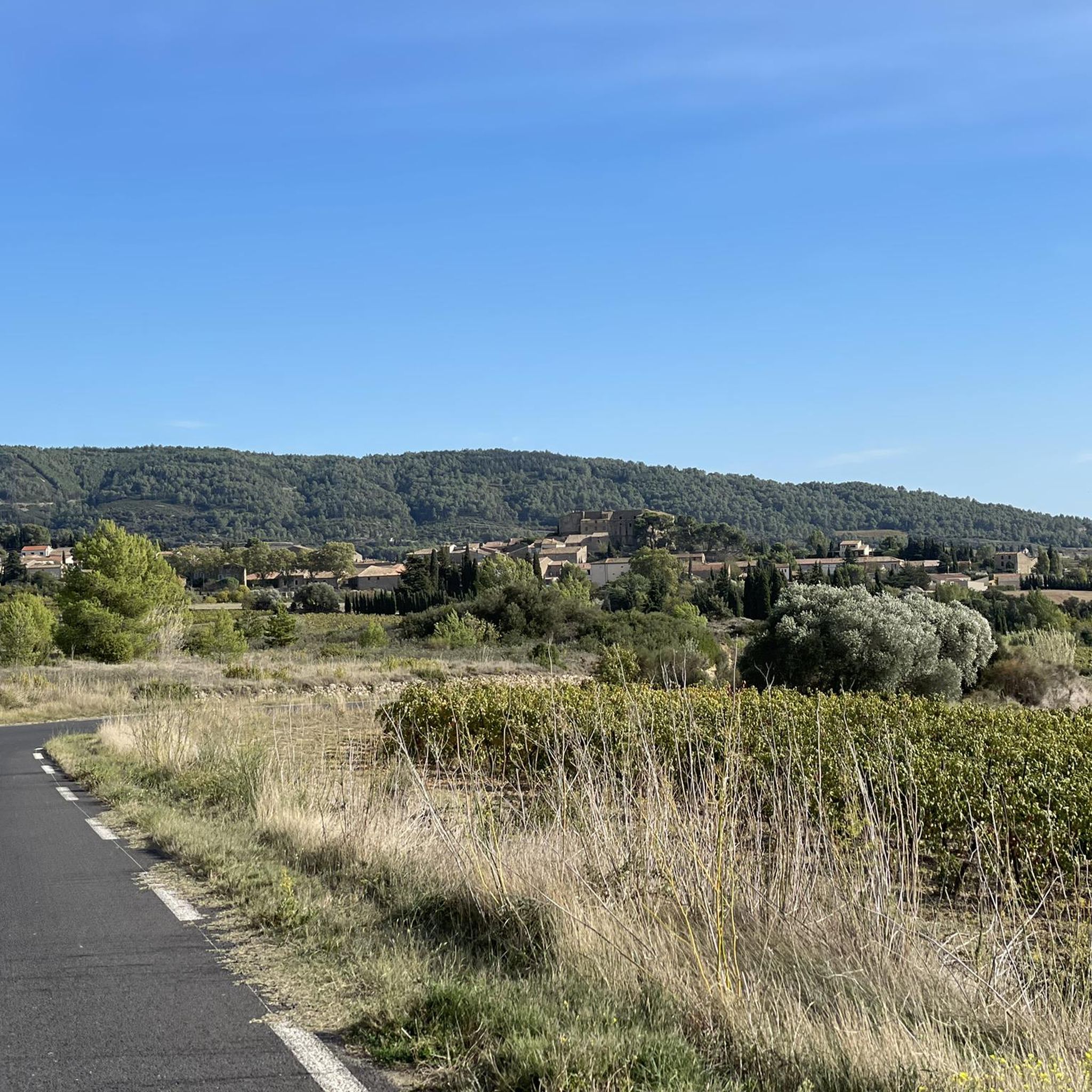
Road cycling routes around Oupia traverse a landscape characterized by rolling hills, extensive vineyards, and river valleys within the Minervois region. The terrain offers a mix of gentle gradients and more challenging ascents, often leading through picturesque villages and past historic sites. This area provides varied road cycling experiences, from leisurely rides through agricultural lands to routes with significant elevation gain.
Best road cycling routes around Oupia
- The most popular road cycling route is Grotte Pont Petite – Minerve loop…
Last updated: November 4, 2026
32
riders
Easy road ride. Mostly well-paved surfaces and easy to ride.
14
riders
60.5km
03:03
810m
810m
Moderate road ride. Good fitness required. Mostly well-paved surfaces and easy to ride.

4.0
(1)
12
riders
71.2km
03:05
400m
400m
Moderate road ride. Good fitness required. Some segments of this route may be unpaved and difficult to ride.
10
riders
24.6km
01:00
160m
160m
Easy road ride. Mostly well-paved surfaces and easy to ride.
5.0
(1)
7
riders
32.0km
01:38
360m
360m
Moderate road ride. Good fitness required. Mostly well-paved surfaces and easy to ride.
Get access to more routes and recommendations from other explorers.
Already have an account?
Our route recommendations are based on thousands of hikes, rides, and runs completed by other people on komoot.
Start today with a free account
Your next adventure awaits.

Tips from the Community

There is no other way from Bastide Saint louis to the Cité than this stone link, laden with 2000 years of History: Le Pont Vieux. The stone bridge that replaced the feudal structure once built upstream, on the site of the Roman bridge, dates from the early 14th century. The work was underway in 1315, and was probably only completed around 1320.
0
0
The ramparts of Carcassonne were built in several stages over more than a millennium by the Romans (3rd-4th centuries), the viscounts Trencavel (12th century), and then the kings of France (13th century). The ensemble was then extensively restored in the 19th century by the architect Eugène Viollet-le-Duc.
0
0
The ramparts of Carcassonne were built in several stages over more than a millennium by the Romans (3rd-4th centuries), the Trencavel viscounts (12th century), and then the kings of France (13th century). The complex was then largely restored in the 19th century by the architect Eugène Viollet-le-Duc.
0
0
The ramparts of Carcassonne were built in several stages over more than a millennium by the Romans (3rd-4th centuries), the viscounts Trencavel (12th century), and then the kings of France (13th century). The entire complex was then extensively restored in the 19th century by the architect Eugène Viollet-le-Duc.
0
0

The church of the Nativity of Saint John the Baptist bears witness to the gradual shift of the religious heart of Saint-Jean-de-Minervois. For centuries, parish life was linked to the Saint-Jean de Dieuvaille chapel, now nicknamed "the church of the Hole", isolated in a canyon between the hamlets of Gimios and Barroubio. At the beginning of the 18th century, the current village became the new center of the community, around this current parish church.
2
0
From the bridge over the Cesse, a magnificent perspective opens up onto La Caunette, a village nestled at the foot of the limestone reliefs of the Minervois. The houses clinging to the rock and the bell tower of the Notre-Dame de l’Assomption church create a landscape where the architecture seems to naturally extend the stone of the causse. Originating from the Occitan cauneta, meaning "small cavity", this term evokes the numerous cavities dug into the limestone that characterize this area.
2
0
Viewpoint over Azillanet ! A nice stop to enjoy a superb perspective over Azillanet, a village whose history dates back to at least the 9th century, when it was mentioned under the name of Azelanum.
2
0
At the entrance to La Livinière stands a monument astonishing in its size and history: the Notre-Dame du Spasme basilica. This Marian shrine, which became a minor basilica in 1959, has been a major pilgrimage site in the Minervois for several centuries. Its origin is linked to Nicolas de La Jugie, lord of La Livinière in the 14th century, who is said to have brought back from Jerusalem a statue representing the Virgin at the moment of her swoon at the foot of the Cross. The interior of the building reveals an architecture vaster than one might imagine from the road: three naves and a large space capable of accommodating many pilgrims. A detail that gives the place a unique history: the original statue of Notre-Dame du Spasme, venerated for centuries by the inhabitants and pilgrims, disappeared during a theft in 1960.
2
0
Frequently Asked Questions
How many road cycling routes are available around Oupia?
There are over 240 road cycling routes around Oupia, offering a wide variety of experiences. This includes 28 easy routes, 157 moderate routes, and 62 difficult routes, catering to all skill levels.
What kind of terrain can I expect on road cycling routes in Oupia?
Road cycling around Oupia is characterized by rolling hills, extensive vineyards, and picturesque river valleys within the Minervois region. You'll find a mix of gentle gradients for leisurely rides and more challenging ascents for those seeking significant elevation gain.
Are there any easy road cycling routes suitable for a relaxed ride?
Yes, for an easier ride through vineyard landscapes, consider the D20 Road to Rieux-Minervois – Beautiful, peaceful spot! loop from Pouzols-Minervois. This 15.5-mile (24.9 km) route is often completed in about an hour and offers a peaceful experience.
Can you recommend a moderate road cycling route that explores the region?
A popular moderate option is the Grotte Pont Petite – Minerve loop from Aigne. This 31.7-mile (51.0 km) trail takes about 2 hours 37 minutes and includes varied terrain, passing through the historic Minerve area.
Are there challenging road cycling routes with significant climbs around Oupia?
Absolutely. For a more challenging ride with substantial elevation gain and expansive views, try the View to Olonzac – Minerve loop from Aigne. This difficult 39.2-mile (63.1 km) path features over 1,100 meters of ascent.
What are some scenic attractions or landmarks I can see along the road cycling routes?
Many routes offer views of the region's natural beauty and historic sites. You might pass by the charming village of Minerve, or the unique geological formation of Grotte Pont Petite. The area also features highlights like the Port of Somail and various points along the Canal du Midi.
What do other cyclists say about road cycling in Oupia?
The komoot community highly rates road cycling in Oupia, with an average score of 4.5 stars from over 80 reviews. Cyclists often praise the varied terrain, the beautiful vineyard landscapes, and the opportunities to explore historic villages.
When is the best time of year for road biking in Oupia?
The Minervois region, including Oupia, generally offers pleasant cycling conditions from spring through autumn. Spring brings mild temperatures and blooming landscapes, while autumn provides comfortable weather and the beauty of the grape harvest. Summers can be warm, so early morning rides are often preferred during peak season.
Are there circular road cycling routes available?
Yes, the majority of road cycling routes around Oupia are designed as loops, allowing you to start and finish at the same point. This makes planning your ride convenient, whether you're looking for a short spin or a longer excursion.
Are there any routes that offer a different starting point for exploring Minerve?
If you're looking to explore the Minerve area from a different starting point, consider the difficult Minerve – Grotte Pont Petite loop from Homps. This 58.6-kilometer route provides another perspective on the region's challenging terrain and scenic beauty.
Can I find routes that combine natural sights with historical elements?
Many routes in the Oupia area naturally combine both. For instance, the Grotte Pont Petite – Minerve loop from Homps not only takes you past the natural wonder of Grotte Pont Petite but also through the historic Minerve region, offering a rich blend of experiences.
Most popular attractions around Oupia

Get inspired with the komoot mobile app


Explore more
Browse the best Road cycling routes in other regions.
