Attractions and Places To See around Loupian - Top 20
Best attractions and places to see around Loupian include a blend of historical sites, natural landscapes, and coastal experiences. Situated between the Étang de Thau and garrigue landscapes, Loupian offers a rich history, notably with its Gallo-Roman heritage. The area provides opportunities for exploring ancient ruins, enjoying scenic viewpoints, and engaging in outdoor activities along the lagoon. Its diverse attractions cater to those interested in culture, nature, and active exploration.
Best attractions and places to see around Loupian
- The most…
Last updated: August 16, 2026
Chemin de la plage, Agde to Sète
Highlight (Segment) • Beach
Translated by Google •
Tip by

Royal Canal of Sète
Highlight • River
Translated by Google •
Tip by

Sign up now to discover places like this
Get recommendations on the best single tracks, peaks, & plenty of other exciting outdoor places.
Sign up for free
Port of Mèze
Highlight • Settlement
Translated by Google •
Tip by

Abbaye Saint Félix de Montceau
Highlight • Religious Site
Translated by Google •
Tip by

Sète
Highlight • Settlement
Translated by Google •
Tip by

Sign up for free to discover even more attractions around Loupian.
Sign up for free
Already have an account?
Start today with a free account
Your next adventure awaits.
Login or Signup
Tips from the Community

Sète is an insider tip; the city has a lot of charm!
3
0

Yes, a very beautiful climb to get to the abbey, a magnificent, top place 👍👍
0
0

Small idyllic harbor to take a break. Not too crowded like so many harbors. Greetings Marcus
0
0


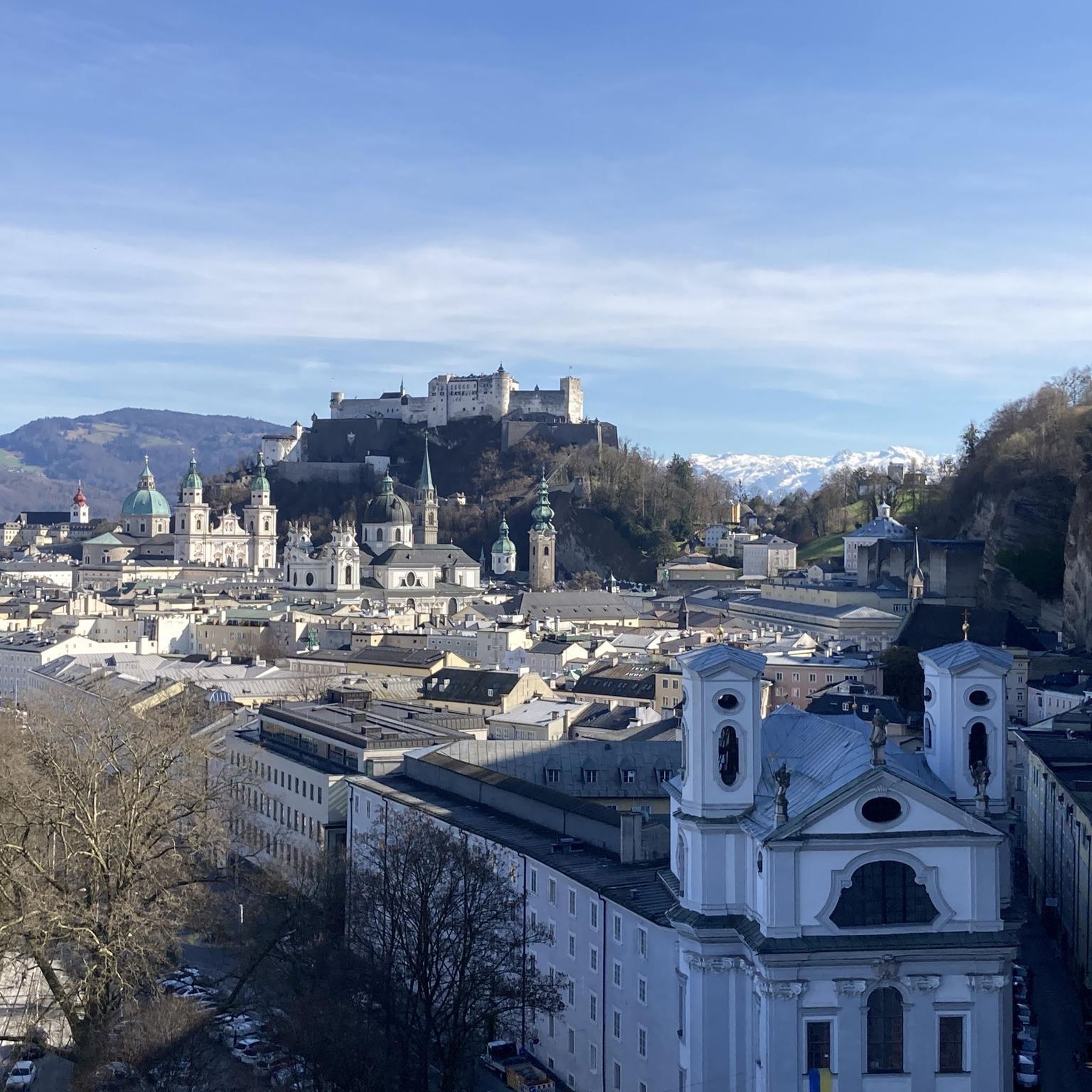
Sète is a port city with around 45,000 inhabitants on the Mediterranean coast in the Occitanie region of southern France. The city is surrounded by water on almost all sides and is crossed by canals - which is why it is also known as the "Little Venice of the Languedoc".
1
0

Between tasty local specialties and a rich cultural heritage, Sète is full of treasures, both cultural and culinary. The historic centre, the port, the famous Cadre Royal, the beaches, Mount Saint-Clair or the Pointe Courte district, there is so much to discover.
1
0
In the evening when the restaurants are busy there is a great atmosphere.
1
0

Sète [sɛt] or Sete (until January 19, 1928: Cette; in the 17th and 18th centuries also spelled Sette, Septe, Cète, Cept; Occitan: Seta [ˈseta]) is a port city on the Mediterranean coast of southern France. With 44,712 inhabitants (as of January 1, 2021), it is the third largest city in the Hérault department in the Occitanie region. The Bureau centralisateur of the canton of the same name, which is identical to the urban area, is located in Sète. The residents are called Sétois and Sétoises.
1
2
Frequently Asked Questions
What historical sites can I explore in Loupian?
Loupian boasts a rich history. You can visit the significant Gallo-Roman Villa of Loupian, an archaeological site and museum showcasing exceptional mosaics and ancient wine production. Other notable historical landmarks include the 11th-century Chapel of Saint-Hippolyte, the 14th-century Gothic Church of Saint-Cecile, and the historic village center with its 14th-century fortifications, gates, and Renaissance houses.
Are there natural attractions or scenic viewpoints near Loupian?
Yes, Loupian is situated on the northern edge of the Étang de Thau, a large saltwater lagoon known for its natural beauty and oyster farming. You can enjoy scenic viewpoints along its banks. For panoramic vistas, consider visiting Vue du Mont Saint-Clair sur l'étang de Thau, which offers great views of Sète, the Canal du Sète, and the Mediterranean Sea.
What outdoor activities are available around Loupian?
The area around Loupian is excellent for outdoor activities. You'll find several marked trails for hikers and cyclists, including the "Voie Verte" (Greenway) which connects Loupian to Balaruc and Mèze, offering protected routes with views of the Étang de Thau. The vineyards and garrigue landscapes also provide great walking opportunities. For more specific routes, explore the Road Cycling Routes around Loupian, Gravel biking around Loupian, or Running Trails around Loupian.
Are there family-friendly attractions or activities in Loupian?
Families can enjoy the Vue du Mont Saint-Clair sur l'étang de Thau for a rewarding view, though the climb can be challenging. The Jardin des Remparts, located on Rue d'Albenas, offers a relaxing space with playgrounds and views of the old town. The "Voie Verte" cycling path is also suitable for families looking for a safe and scenic ride.
Where can I find charming towns or villages near Loupian?
Beyond Loupian, you can visit the picturesque fishing villages of Mèze and Bouzigues, both located on the Étang de Thau. Port of Mèze is particularly known for its charming harbor, cafes, and restaurants, perfect for a stroll and enjoying fresh seafood.
What is the best time of year to visit Loupian attractions?
The region around Loupian is enjoyable throughout much of the year. Spring and autumn offer pleasant temperatures ideal for outdoor activities like walking and cycling. Summer is perfect for enjoying the beaches and coastal paths, though it can be warmer. The Étang de Thau and its surrounding villages offer charm in all seasons.
What kind of cycling routes are available near Loupian?
Loupian offers diverse cycling options. The "Voie Verte" provides a protected path along the Étang de Thau. For more adventurous rides, you can explore the vineyards and garrigue landscapes. Komoot users recommend routes like "View of the Étang de Thau and Sète – The land of oyster beds loop" for road cycling or "The land of oyster beds – View of Sète loop" for gravel biking. Find more details in the Road Cycling Routes around Loupian and Gravel biking around Loupian guides.
Are there any notable religious or architectural sites in the area?
Absolutely. The Abbaye Saint Félix de Montceau is a significant religious building with historical ruins and a beautifully maintained garden, offering a peaceful setting. Within Loupian itself, the Chapel of Saint-Hippolyte is a remarkable example of Romanesque fortified architecture, and the Church of Saint-Cecile showcases austere Languedoc Gothic design. The village also features old houses with Renaissance facades and the 16th-century Maison Garcia with its carved wooden elements.
What is the <a href="https://www.komoot.com/highlight/318783" target="_blank" rel="noopener">Chemin de la plage, Agde to Sète</a> like?
This is a highly recommended beach area with a cycle path that runs along a narrow sandbank. It separates the Étang de Thau from the Mediterranean Sea, offering scenic views and direct access to the beaches. It's a relatively new cycle path, particularly beautiful between Marseillan Plage and Sète, with frequent paths leading to the beach.
What can I expect at the <a href="https://www.komoot.com/highlight/1037826" target="_blank" rel="noopener">Royal Canal of Sète</a>?
The Royal Canal of Sète is a vibrant hub in the city nicknamed the "Little Venice of Languedoc." It's a large fishing port and an important ferry terminal to North Africa. The canal is surrounded by beautiful houses, souvenir shops, and numerous terrace restaurants. If visiting in summer, you might catch the traditional Sète jousts held on the canal.
Are there places to relax and enjoy local cuisine near Loupian?
Yes, the Port of Mèze is a charming little harbor with many opportunities to enjoy a drink or coffee in a pleasant setting, as well as restaurants serving local cuisine, especially fresh oysters and mussels from the Étang de Thau. Sète, with its Royal Canal, also offers numerous terrace restaurants.
What makes the Étang de Thau special?
The Étang de Thau is a large saltwater lagoon that plays a central role in the region's identity. It's renowned for its natural beauty, but also for its significant oyster and mussel farming industry. The banks offer picturesque views, and the lagoon itself is a hub for local aquaculture, making it a unique natural and cultural landscape.
Most popular routes around Loupian
Most popular attractions around Loupian

Get inspired with the komoot mobile app


Explore more
Still not found the Highlight you’re looking for? See guides of the top attractions in other regions:
