The best road cycling routes around Saint-Martin-De-L'Arçon
4.6
(114)
1,977
riders
54
rides
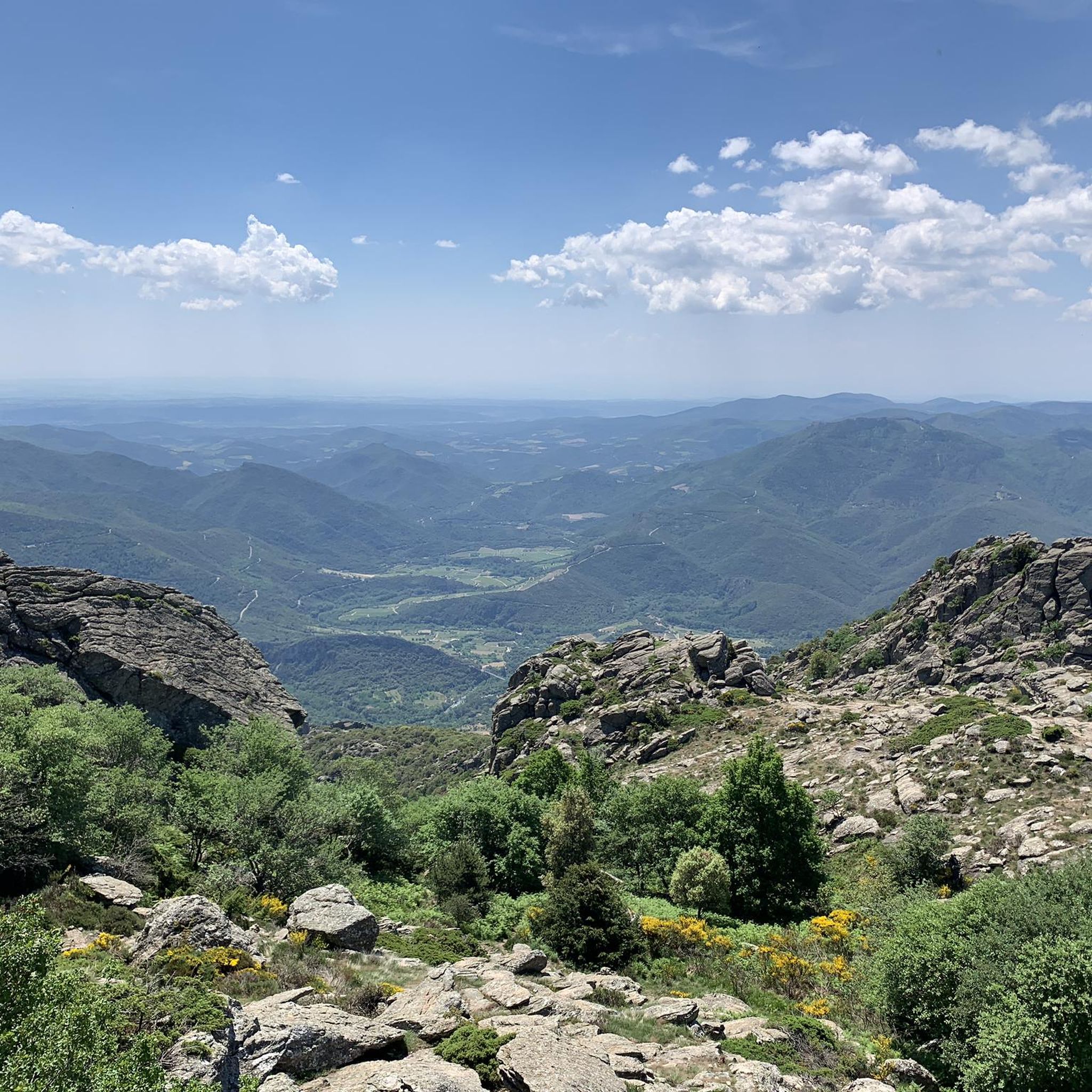
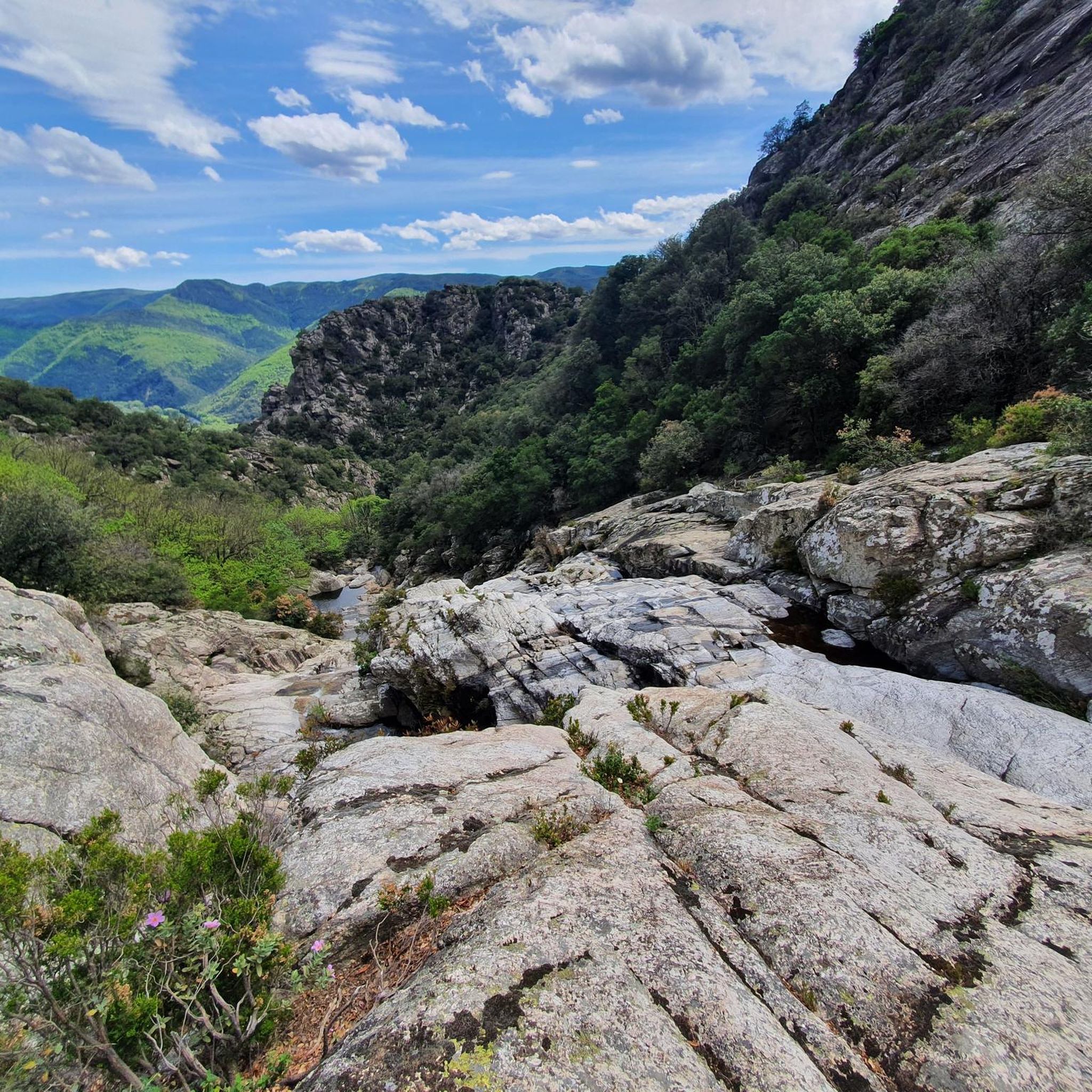
Road cycling around Saint-Martin-De-L'Arçon offers diverse terrain within the Haut-Languedoc Natural Park. The region is characterized by the prominent Caroux Massif, providing challenging climbs, and deep river gorges such as the Héric Gorges and Gorges de Colombières. Cyclists can navigate varied landscapes, from steep ascents to serene river valleys like those of the Orb and Jaur. These natural features contribute to a range of cycling terrain suitable for different skill levels.
Best road cycling routes around Saint-Martin-De-L'Arçon
- The most popular…
Last updated: October 27, 2026
4.4
(8)
74
riders
Moderate road ride. Good fitness required. Mostly well-paved surfaces and easy to ride.
4.0
(2)
75
riders
Moderate road ride. Good fitness required. Some segments of this route may be unpaved and difficult to ride.

5.0
(2)
69
riders
35.8km
02:09
880m
880m
Moderate road ride. Good fitness required. Some segments of this route may be unpaved and difficult to ride.
5.0
(1)
45
riders
Easy road ride. Mostly well-paved surfaces and easy to ride.
4.0
(1)
20
riders
Moderate road ride. Good fitness required. Mostly well-paved surfaces and easy to ride.
Get access to more routes and recommendations from other explorers.
Already have an account?
Our route recommendations are based on thousands of hikes, rides, and runs completed by other people on komoot.
Start today with a free account
Your next adventure awaits.

Tips from the Community

if the lilly passeur ferry is not there on the Orb, you have to go back to Sérignan and take this bridge
0
0

The former Saint-Pons Cathedral It is difficult to understand Saint-Pons-de-Thomières without stopping here. The building is the former abbey church of a Benedictine monastery founded in 936, around which the town developed. In 1318, the abbey became the seat of a new bishopric: the church then took on the status of a cathedral, which it retained until the Revolution. The Romanesque building, most of which dates back to the second half of the 12th century, still bears the traces of this turbulent history. Fortified in the Middle Ages, the cathedral was heavily damaged in 1567 during the Wars of Religion. Then, in the 18th century, its appearance was profoundly transformed: in 1716, the orientation of the choir was reversed and a new classical facade was built to the east. The medieval remains are particularly remarkable: the two crenellated towers on the north facade recall the defensive character of the building, while the former west facade preserves precious Romanesque reliefs depicting, in particular, the Last Supper, the Washing of the Feet, the Ascension and the Crucifixion. Inside, there are also marble decorations, choir stalls and an organ dating from 1772.
3
0
In the heart of the village stands the church of the Invention of Saint Stephen (l’église de l’Invention-de-Saint-Étienne), named in reference to the discovery of the relics of Saint Stephen, the first martyr of Christianity. The current building mainly dates from the 18th century, but its bell tower base is older. Its bell, cast in 1719, bears witness to this long history. Around the church, ancient tombs covered with flagstones also remain, a characteristic element of the funerary heritage of the Hautes Terres de l’Hérault. The village itself was formerly called "Mas de l’Église" and depended on the neighboring parish of Prémian. It was only after the Revolution that Saint-Étienne-d’Albagnan became an independent commune.
2
0
The landscape opens onto the hamlet of Ceps, nestled on the banks of the Orb river. This village boasts a Romanesque church from the 12th century, a testament to ancient human presence in this enclosed area. Behind it, the wooded reliefs of the Haut-Languedoc form a natural backdrop that seems to protect the village.
2
0
In the heart of Colombières-sur-Orb, the Saint-Pierre church has watched over the village for several centuries. Its origins date back to the Middle Ages, and some elements of the building, such as the western wall and part of the southern wall, still bear witness to this ancient history. Its Romanesque bell tower, topped with an elegant stone pyramidal roof, is one of the markers of the local landscape. Enlarged in the 19th century with the addition of chapels and a sacristy, it tells the story of the evolution of a mountain village nestled in the heart of the Orb valley. The very name Colombières is said to be linked to the tradition of Saint Colombe, a young Christian martyr whose cult is thought to have shaped the village's identity over the centuries.
2
0
In the heart of the old village, the Saint-Jean-l'Évangéliste church bears witness to the history of Le Poujol-sur-Orb. For several centuries, the inhabitants depended on the old priory of Saint-Pierre-de-Rhèdes, located on the other side of the valley, in present-day Lamalou-les-Bains. In 1646, by decision of the bishop, a new church was built in Le Poujol to bring the place of worship closer to the inhabitants. Remodeled over the centuries, it notably retains beautiful 19th-century frescoes depicting saints and prophets.
2
0
The Saint-Martial church is unlike any other in Haut-Languedoc. Built in 1858-1859 to replace the village's old church, which had become too cramped, it occupies the north wing of the former castle of the viscounts of Narbonne, built in the 15th century. Even more surprisingly, this castle housed a black glass workshop until 1848, before being transformed into a place of worship. The bell tower, added in 1877, completes this original ensemble where religious heritage, seigneurial architecture, and industrial history blend. Observing the buildings surrounding the church, several elements of the original castle can still be distinguished. A few steps away is the old Saint-Martial church, now private property. Built on probably Romanesque foundations, it preserves parts dating back to the 15th century. Having become too dilapidated and too small to accommodate a growing population, it was replaced in 1859 by the new Saint-Martial church. Deconsecrated and then sold by the municipality in 1867, it remains a discreet but precious witness to the religious history of Hérépian.
3
0
Mentioned as early as the 12th century, the church of Saint-Alexandre has had a turbulent history. It was first destroyed in 1364 by English troops during the Hundred Years' War, then in 1563 during the Wars of Religion, when Bédarieux fell into the hands of the Protestants. A third destruction occurred in 1622, during the campaigns led by Louis XIII to retake the Protestant strongholds of Languedoc. Rebuilt in the 17th century, it features a surprising architectural detail: its choir is slightly off-center, a layout that would symbolize the head of Christ inclined on the Cross.
3
0
Frequently Asked Questions
How many road cycling routes are available around Saint-Martin-De-L'Arçon?
There are over 60 road cycling routes around Saint-Martin-De-L'Arçon, offering diverse terrain within the Haut-Languedoc Natural Park. These routes cater to various skill levels, from moderate to challenging.
What are the difficulty levels of road cycling routes in the region?
The routes around Saint-Martin-De-L'Arçon offer a range of difficulties. You'll find 5 easy routes, 30 moderate routes, and 25 difficult routes. The region's terrain varies from serene river valleys to the challenging ascents of the Caroux Massif, ensuring options for different abilities.
Are there any family-friendly road cycling options in Saint-Martin-De-L'Arçon?
While many routes involve ascents, the region does offer some easier sections suitable for families. Greenways like the Passa Païs provide safe and picturesque routes, often extending for considerable distances, making them ideal for a more relaxed cycling experience away from heavy traffic.
What kind of natural features can I expect to see along the road cycling routes?
Road cycling routes in Saint-Martin-De-L'Arçon traverse diverse and dramatic landscapes. You'll encounter deep river gorges such as the Héric Gorges and the Gorges de Colombières, as well as scenic river valleys like those of the Orb and Jaur. The prominent Caroux Massif offers challenging climbs and rewarding panoramic views, often through lush chestnut forests.
Are there any specific viewpoints or landmarks worth visiting on a road cycling tour?
Yes, the region is rich in scenic spots. You can find stunning views from the Orientation table at Mont Caroux. The Héric Gorge is a particularly notable feature with a spectacular road, and the picturesque Héric Hamlet adds to the charm. You might also encounter natural pools like the Gouffre du Cerisier Natural Pool and Waterfall, perfect for a refreshing stop.
Are there circular road cycling routes available?
Yes, many of the road cycling routes around Saint-Martin-De-L'Arçon are designed as loops. For example, the Pont de Vieussan – View of the village of Ceps loop from Mons and the Olargues Railway Bridge – View of Olargues Village loop from Mons are popular circular options that allow you to start and finish in the same location.
What is the best time of year for road cycling in Saint-Martin-De-L'Arçon?
The region generally offers good cycling conditions for much of the year. Spring and autumn provide pleasant temperatures and vibrant scenery, ideal for tackling the varied terrain. Summers can be warm, making early morning or late afternoon rides preferable, especially when exploring the shaded river valleys.
Where can I find parking for road cycling routes?
Parking is typically available in the villages and towns that serve as starting points for routes, such as Saint-Martin-De-L'Arçon itself or nearby Mons. It's advisable to check specific route descriptions for recommended parking areas, especially for popular spots like the Héric Gorge.
Can I access road cycling routes using public transport?
While direct public transport options specifically for cyclists with bikes might be limited in some rural areas, regional buses or trains often connect larger towns. It's recommended to research local transport services in advance to see if they accommodate bicycles, particularly if you plan to start or end your ride away from your accommodation.
What do other road cyclists enjoy most about cycling in Saint-Martin-De-L'Arçon?
The area is highly rated by the komoot community, with an average score of 4.6 stars from over 90 reviews. Cyclists frequently praise the diverse terrain, from challenging climbs in the Caroux Massif to scenic rides through river valleys, and the stunning natural beauty of the gorges and forests.
Are there any routes that pass through the Caroux Massif?
Yes, the Caroux Massif is a defining feature of the region and many routes incorporate its challenging ascents and rewarding views. Cyclists can explore routes that climb towards the Espinouse and into the mineral landscape of the Caroux, offering a true test of endurance and spectacular panoramas.
Are there any routes that follow river valleys?
Absolutely. The valleys of the Orb and Jaur rivers provide scenic cycling paths, often shaded by lush chestnut forests. The Bédarieux Aqueduct – Bédarieux, on the banks of the Orb loop from Saint-Martin-de-l'Arçon is an excellent example of a route that leads through the Orb river valley, offering a more gentle and picturesque ride.
Most popular routes around Saint-Martin-De-L'Arçon
Most popular attractions around Saint-Martin-De-L'Arçon

Get inspired with the komoot mobile app


Explore more
Browse the best Road cycling routes in other regions.
