The best road cycling routes around Turquant
4.3
(123)
4,075
riders
193
rides
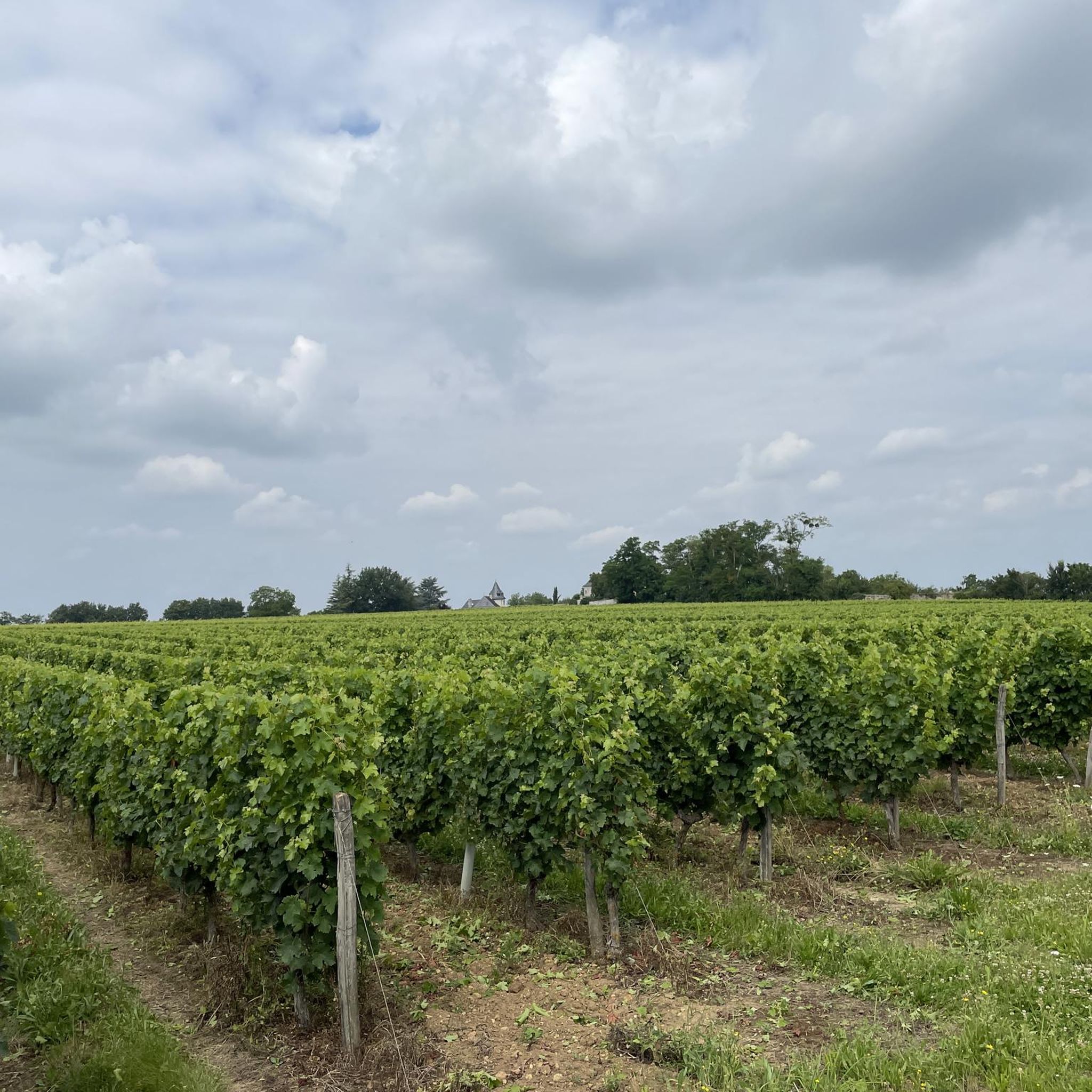
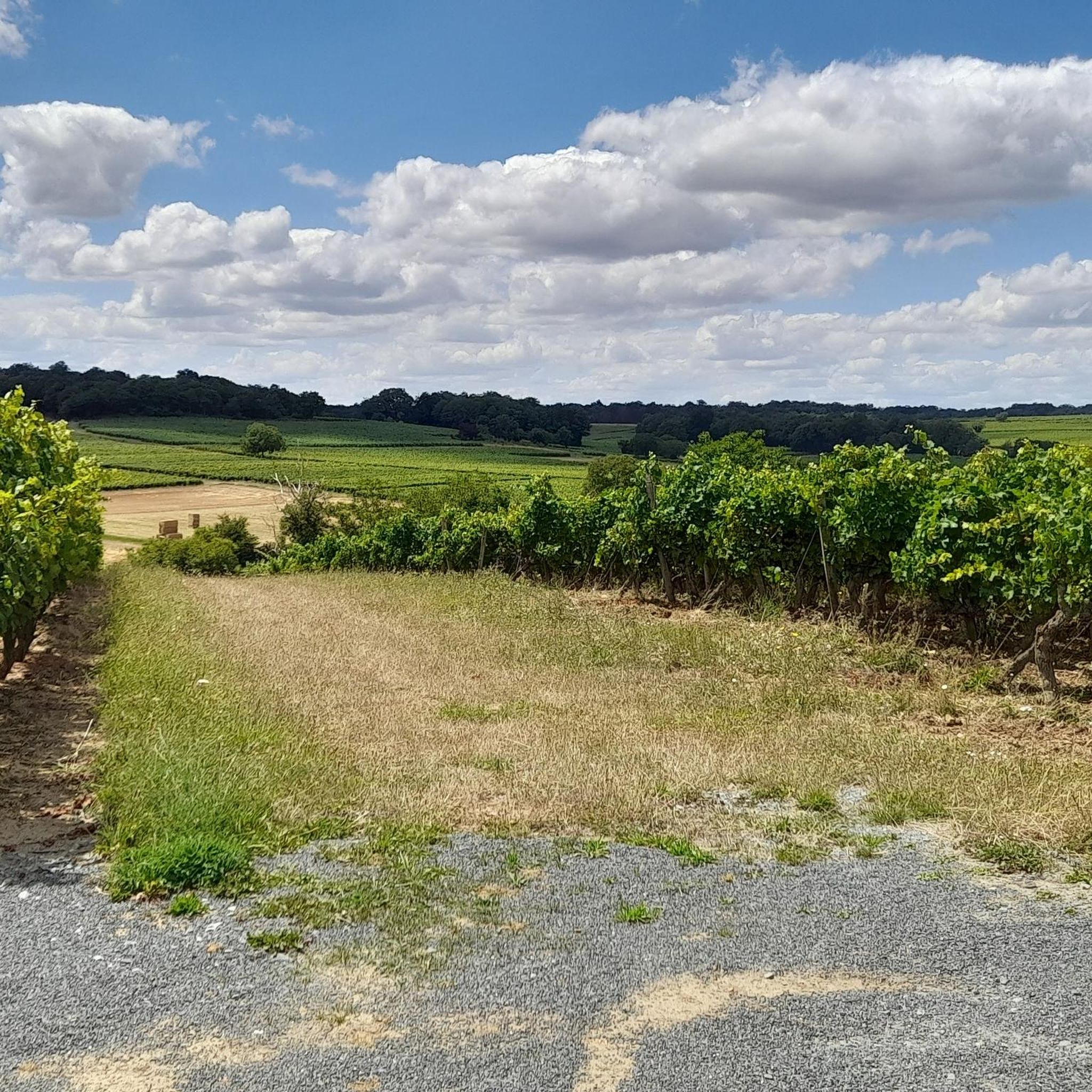
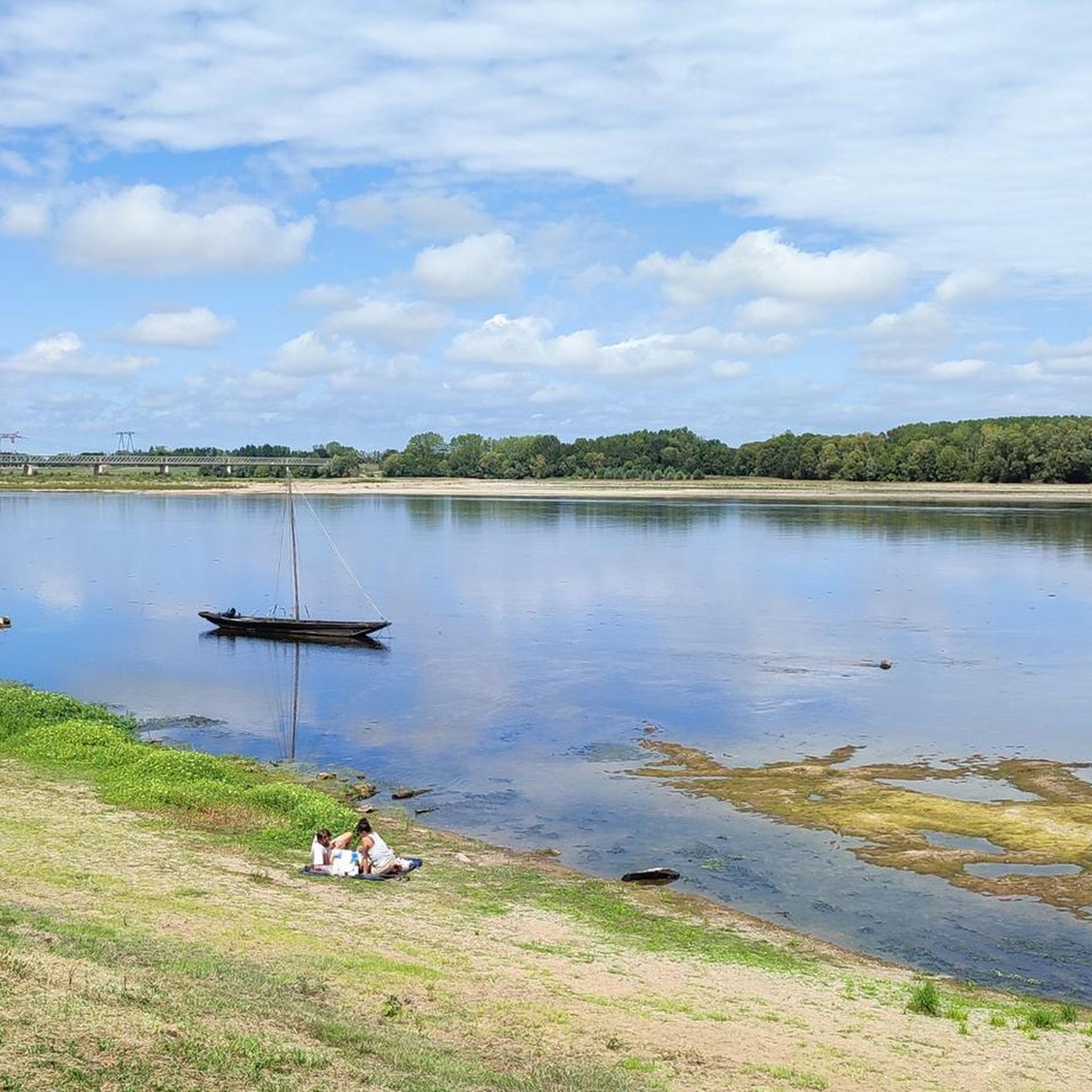
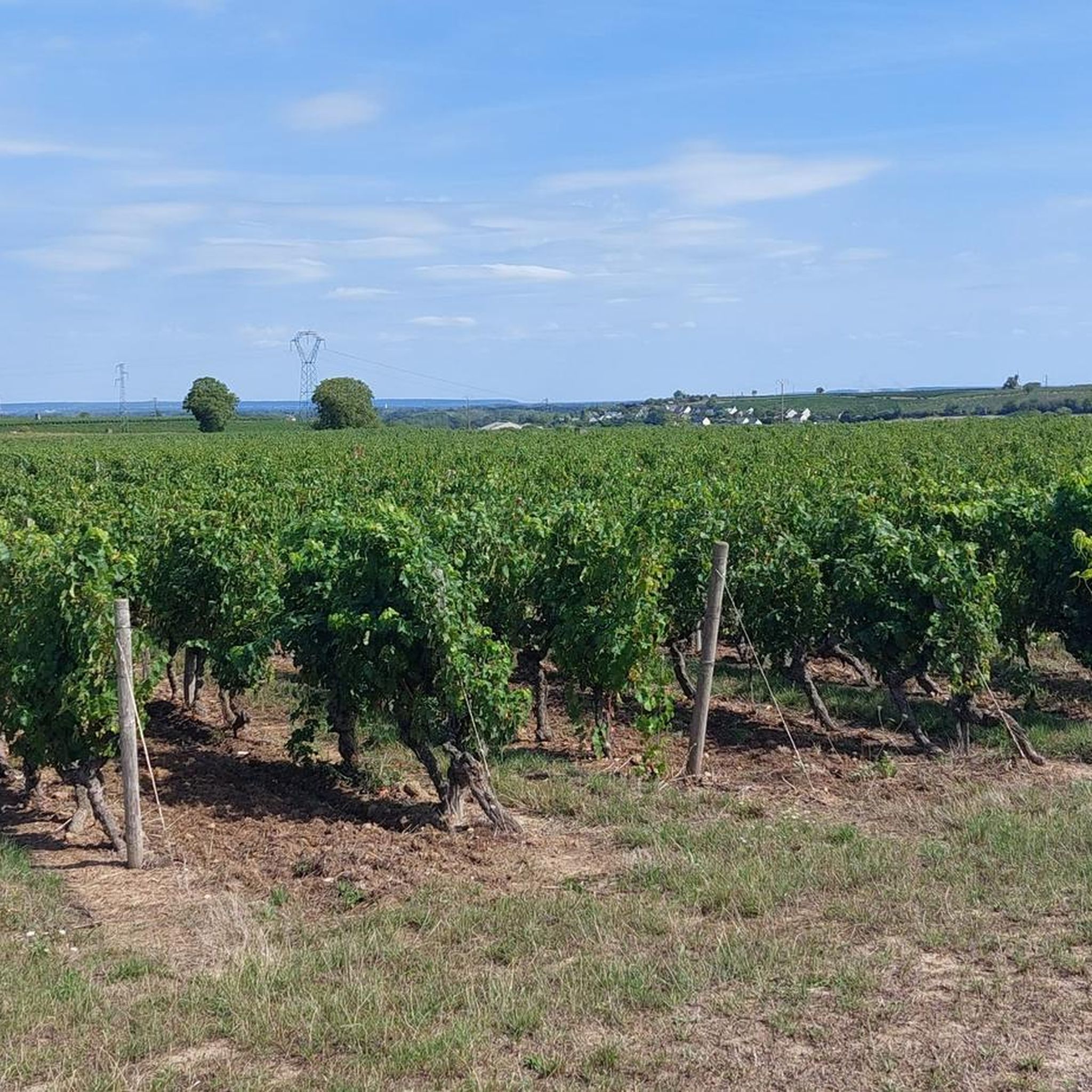
Road cycling routes around Turquant are situated in the Loire Valley, a region characterized by its gentle river landscapes, vineyards, and historic villages. The terrain typically features rolling hills and relatively flat sections along the riverbanks, with elevations generally remaining below 200 meters. This area offers a mix of open countryside and routes passing through cultural landmarks.
Best road cycling routes around Turquant
- The most popular road cycling route is Saumur – troglodytes loop from Varennes-sur-Loire, a 21.3 miles (34.3 km) trail that takes 1 hour 42 minutes to complete. This moderate route explores the Saumur region, passing by troglodyte dwellings.
- Another top favourite among local road cyclists is Fontevraud Royal Abbey – View of Candes-Saint-Martin loop from Fontevraud-l'Abbaye, an easy 27.8 miles (44.8 km) path. This route offers views of Candes-Saint-Martin and passes by the historic Fontevraud Royal Abbey.
- Local road cyclists also love the Fontevraud Royal Abbey – troglodytes loop from Montsoreau, a 27.2 miles (43.7 km) trail leading through historic sites and troglodyte areas, often completed in about 1 hour 53 minutes.
- Road cycling around Turquant is defined by river valleys, vineyards, and historic village roads. The network offers options for different ability levels, including 45 easy, 159 moderate, and 1 difficult route.
- The routes in Turquant are highly rated by the komoot community with an average score of 4.4 stars from over 150 reviews. More than 4,800 road cyclists have used komoot to explore Turquant's varied terrain.
Last updated: June 26, 2026
5.0
(2)
77
riders
Moderate road ride. Good fitness required. Some segments of this route may be unpaved and difficult to ride.
4.0
(2)
21
riders
43.7km
01:52
280m
280m
Easy road ride. Great for any fitness level. Mostly well-paved surfaces and easy to ride.

Sign up for free
5.0
(1)
24
riders
45.3km
02:03
380m
380m
Moderate road ride. Good fitness required. Mostly well-paved surfaces and easy to ride.
23
riders
53.1km
02:31
280m
280m
Moderate road ride. Good fitness required. Some segments of this route may be unpaved and difficult to ride.
5.0
(1)
25
riders
66.5km
02:38
100m
100m
Moderate road ride. Good fitness required. Mostly well-paved surfaces and easy to ride.
Get access to more routes and recommendations from other explorers.
Sign up for free
Already have an account?
Our route recommendations are based on thousands of hikes, rides, and runs completed by other people on komoot.
Start today with a free account
Your next adventure awaits.
Login or Signup

Tips from the Community

The Royal Abbey of Fontevraud is one of the largest monastic communities in Europe dating back to the Middle Ages. It is a place with a rich history, located in the heart of the Loire Valley and listed as a UNESCO World Heritage Site. The abbey is a unique cultural site! An abbey with a royal destination, a formidable prison is today a place of creation (museum of modern art).
3
0
History in brief Antiquity: the site is strategically located on a promontory and has been inhabited for 3,000 years. It was not fortified until the end of the Roman Empire. Middle Ages: in 1154, the new King of England, Henry II Plantagenet, became ruler of an empire stretching from Scotland to the Pyrenees and made Chinon his continental capital. He had a large palace built next to the fortress, which has now disappeared. In 1189, abandoned by his sons, Richard the Lionheart and John Lackland, and fleeing from the King of France, he eventually died there. Philippe Auguste had the defensive Tour du Coudray built there after the siege of 1205. Renaissance: in 1454, the fortress became the main residence of Queen Marie d'Anjou, who lived there without her husband. She spent lavishly on decorating the house to her taste. From the 16th century onwards, the fortress was gradually abandoned and fell into disrepair. Despite the dangerous nature of the terrain, it became a public promenade in 1824 and was listed as a monument in 1840. The restoration of the estate began in 1854 thanks to the efforts of the writer Prosper Mérimée. Source: https://loirelovers.fr/en/visit-royal-fort-chinon/
6
0
The Royal Abbey of Fontevraud is one of the largest monastic communities in Europe dating back to the Middle Ages. It is a place steeped in history, located in the heart of the Loire Valley and listed as a UNESCO World Heritage Site. Let yourself be carried away by the magic of this ancient site and discover the Royal Abbey of Fontevraud, an architectural and historical jewel that will fascinate young and old alike. Thanks to captivating exhibitions, fascinating guided tours and a rich cultural programme, you will immerse yourself in the unique world of this abbey, founded in the 11th century and once a necropolis of the Plantagenets. Every stone, every vault, every corner tells a story... But Fontevraud is much more than a historical site... Broaden your discovery with a visit to the Fontevraud Museum of Modern Art, which houses more than 800 works donated by Martine and Léon Cligman. A prestigious collection that combines ancient and modern art, for an artistic immersion through the ages. Triggered? Find out more at https://www.ot-saumur.fr/en/abbeys-and-religious-heritage/royal-abbey-of-fontevraud-5344942/
4
0

nice village, with a nice restaurant near the church
0
0
The Royal Abbey of Fontevraud is one of the largest monastic communities in Europe dating back to the Middle Ages. It is a place with a rich history, located in the heart of the Loire Valley and listed as a UNESCO World Heritage Site.
5
0
The river Roumer, whose source is in the municipality of Ambillou, has a length of 27 km and flows into the municipality of Langeais. At this location you can take a beautiful photo with beautiful half-timbered houses and Roumer in the background.
5
0
This impressive suspension bridge spans the Loire between La Chapelle-aux-Naux and Langeais and was originally completed in 1849. The bridge has been repaired and rebuilt many times and has a two-lane road over the Loire. On the Langeais side, a walk along the banks of the Loire, on both sides of the bridge, is highly recommended. The Langeais bridge is a stubborn bridge. It has been rebuilt five times! The story begins in 1848, the year in which King Louis Philippe authorised the construction of a "wire bridge", as it was then called (bridge 1). But wires are excellent lightning conductors! And 10 years after its opening in 1859, the bridge collapsed into the Loire after a heavy storm, its deck and suspension elements. Two years later in 1861, the bridge was repaired and operational again as a toll bridge (bridge 2). But shortly afterwards, in 1870, war broke out and the advance of the Prussian enemy had to be slowed down. Boom! Bridge was blown up (bridge 3) The fourth was completed in 1914, but then came the... car! They were heavy, they came and went! The bridge therefore had to be extensively rebuilt to bear the weight of modernity. This happened in the 1930s, and the opportunity was taken to decorate the bridge with its very special Gothic pillars, which reflected the Gothic style of the castle; the two form a mirror image. Bridge 4 was built! All is well, all is well... but then it is June 1940. And this time it is the Germans who have to be stopped. To stop the invader, the bridge was blown up again. After first using a ferry and then a temporary footbridge, the inhabitants waited until 1949 for a bridge over the Loire (bridge 5). The bridge of Langeais is the only bridge between Tours and Port Boulet. It is now a rather imposing bridge with a turbulent history.
2
0
Very tasty food. Nice menu with a range of different flavours. Staff is very friendly. A great recommendation to come and eat here. A recommendation in the shadow of the castle.
5
0
Frequently Asked Questions
What kind of terrain can I expect on road cycling routes around Turquant?
The Loire Valley, where Turquant is located, features gentle river landscapes, vineyards, and historic villages. The terrain generally includes rolling hills and relatively flat sections along the riverbanks, with elevations typically below 200 meters. You'll find a mix of open countryside and routes passing through cultural landmarks.
Are there road cycling routes suitable for beginners in Turquant?
Yes, Turquant offers 45 easy road cycling routes. A great option for an enjoyable ride is the Fontevraud Royal Abbey – View of Candes-Saint-Martin loop from Fontevraud-l'Abbaye, which is an easy 27.8-mile (44.8 km) path offering scenic views.
What are some longer distance road cycling routes available near Turquant?
For those looking for a longer ride, the Langeais Bridge – Château de Langeais loop from Varennes-sur-Loire covers 41.3 miles (66.5 km). This moderate route offers a good challenge while exploring the wider region.
What attractions can I see along the road cycling routes around Turquant?
Many routes pass by significant landmarks. You can explore sites like the Montsoreau Castle, the historic Château de Saumur, or the Souzay-Champigny troglodyte site. The region is rich in castles and unique geological formations.
Are there any circular road cycling routes in the Turquant area?
Yes, many routes around Turquant are designed as loops. For example, the popular Saumur – troglodytes loop from Varennes-sur-Loire is a 21.3-mile (34.3 km) moderate circular trail that explores the Saumur region and its troglodyte dwellings.
What is the best time of year for road cycling in Turquant?
The Loire Valley generally enjoys a mild climate, making spring (April-May) and autumn (September-October) ideal for road cycling. During these seasons, temperatures are pleasant, and the landscapes are particularly beautiful with blooming flowers or autumn colors. Summer can also be good, but be prepared for warmer temperatures.
Are there road cycling routes that pass through villages with cafes or places to stop?
Yes, many routes are designed to pass through or near charming villages where you can find cafes and local shops. The region is known for its culinary delights and wine, so you'll have opportunities to refuel and experience local culture. Look for routes that connect several villages, such as those around Fontevraud-l'Abbaye or Montsoreau.
What do other road cyclists enjoy most about road cycling in Turquant?
The area is highly rated by the komoot community, with an average score of 4.4 stars from over 150 reviews. Reviewers often praise the beautiful river valleys, vineyards, and historic village roads, as well as the variety of routes suitable for different ability levels.
How many road cycling routes are available around Turquant?
There are over 200 road cycling routes available around Turquant, offering a wide range of options for different preferences and skill levels. This includes 45 easy, 159 moderate, and 1 difficult route.
Where can I find parking for road cycling trails in Turquant?
Parking is generally available in the villages and towns that serve as starting points for many routes, such as Turquant itself, Varennes-sur-Loire, Fontevraud-l'Abbaye, or Montsoreau. Look for public parking areas, often near town centers or local attractions. Specific parking information can sometimes be found in the route descriptions on komoot.
Are there any advanced road cycling challenges in the Turquant area?
While the region is largely characterized by gentle terrain, there is at least one difficult route available for those seeking a greater challenge. These routes might feature steeper climbs or more demanding distances, offering a more intense cycling experience within the Loire Valley's landscape.
Can I find scenic viewpoints along the road cycling routes?
Absolutely. The routes often follow the Loire River, providing expansive views of the river itself, its banks, and the surrounding vineyards. Routes passing near Candes-Saint-Martin, for instance, offer picturesque vistas. Many historic villages and castles also provide elevated points with beautiful panoramas of the landscape.
Most popular attractions around Turquant

Get inspired with the komoot mobile app


Explore more
Browse the best Road cycling routes in other regions.
