Attractions and Places To See around Le Coudray-Macouard - Top 20
Best attractions and places to see around Le Coudray-Macouard include historical landmarks, natural riverbanks, and unique cultural sites within the Loire-Anjou-Touraine Regional Natural Park. This medieval village, recognized as a "Small City of Character," offers a blend of architectural heritage and scenic landscapes. Situated in the Maine-et-Loire department, the area provides opportunities to explore castles, ancient churches, and local craftsmanship.
Best attractions and places to see around Le Coudray-Macouard
- The most popular attractions is Château de Saumur, a castle…
Last updated: May 26, 2026
Loire Riverside Gravel Trail
Highlight (Segment) • Trail
Translated by Google •
Tip by

Château de Saumur
Highlight • Castle
Translated by Google •
Tip by

Sign up now to discover places like this
Get recommendations on the best single tracks, peaks, & plenty of other exciting outdoor places.
Sign up for free
Souzay-Champigny troglodyte site
Highlight • Monument
But watch out for the ribs, short but intense!
Translated by Google •
Tip by

Montreuil-Bellay Castle
Highlight • Castle
Translated by Google •
Tip by

Notre Dame des Ardillieres
Highlight • Religious Site
In 1454, while ploughing his field, a farmer discovered in the "ardille" (clay, a word that according to legend gave its name to Notre-Dame-des-Ardilliers) a stone statuette about thirty …
Translated by Google •
Tip by
Sign up for free to discover even more attractions around Le Coudray-Macouard.
Sign up for free
Already have an account?
Start today with a free account
Your next adventure awaits.
Login or Signup

Tips from the Community


A castle-palace of the Dukes of Anjou in the 19th and 19th centuries, the Château de Saumur, where King René resided, is the last example of the princely palaces built by the Valois dynasty. It served as the residence of the city's governors, a prison, and later an arms and ammunition depot. It was purchased by the city in 1906 to house the municipal museum, now the Musée de France. Today, we discover the rich collections scattered throughout the former apartments of the Dukes of Anjou in an educational museography. Want to know more? Click here: https://www.ot-saumur.fr/en/castles-and-country-houses/Saumurcastle-5261718/
3
0
History: In 1454, while ploughing his field, a farmer discovered in the "ardille" (clay, a word that according to legend gave its name to Notre-Dame-des-Ardilliers) a stone statuette about thirty centimetres high representing a Pietà. The farmer took it home. Twice he discovered that the Pietà returned to its place of discovery, near a fountain that was already known for its healing properties. From that moment on, devotions developed around this statuette, which was placed in a niche under a stone arch. Jean Olivier, Bishop of Angers, laid the foundations of the Notre-Dame-des-Ardilliers chapel. Bishop Gabriel Bouvery, Bishop of Angers, opened the new church on 30 July 1553. It was a place of pilgrimage. The fountain was said to perform miracles. In 1614, thanks to the support of Marie de Medici, the management of the sanctuary was entrusted to the Order of Oratorians. In 1619, they settled in Ardilliers and founded a royal college in 1624. Louis XIII granted it the status of royal chapel and, from 1628 to 1643, the Oratorians built the buildings to the east of the chapel that would house their community, the classrooms and the students' dormitories. From 1634, Richelieu had a chapel built on the north wall of the chapel for votive and funeral purposes. The chapel was closed during the Revolution. The Oratorian house became a barracks and the rotunda was converted into an ammunition store. In 1796, the Sisters of Sainte-Anne-de-la-Providence opened a hospice there for the expelled. In 1798, the hospice became the property of the city of Saumur. The chapel was put back into use in 1799, but was damaged by damp. From 1849, architect Charles Joly-Leterme began restoring the building. The Sisters of Sainte-Anne-de-la-Providence became the owners of the former Oratorian House in 1866. During the Battle of the Cadets, in June 1940, the bombing destroyed the roof structures of the chapel and the Oratorian House. The vault of the nave collapsed. The buildings were restored between 1947 and 1957. The oak frame of the dome was replaced by a concrete shell to reduce the pressure on the walls. The Oratorian House was converted into a school in 1953. In February 2025, a fire broke out. Source Wikipedia
4
0
History: In 1454, while ploughing his field, a farmer discovered in the "ardille" (clay, a word that according to legend gave its name to Notre-Dame-des-Ardilliers) a stone statuette about thirty centimetres high representing a Pietà. The farmer took it home. Twice he discovered that the Pietà returned to its place of discovery, near a fountain that was already known for its healing properties. From that moment on, devotions developed around this statuette, which was placed in a niche under a stone arch. Jean Olivier, Bishop of Angers, laid the foundations of the Notre-Dame-des-Ardilliers chapel. Bishop Gabriel Bouvery, Bishop of Angers, opened the new church on 30 July 1553. It was a place of pilgrimage. The fountain was said to perform miracles. In 1614, thanks to the support of Marie de Medici, the management of the sanctuary was entrusted to the Order of Oratorians. In 1619, they settled in Ardilliers and founded a royal college in 1624. Louis XIII granted it the status of royal chapel and, from 1628 to 1643, the Oratorians built the buildings to the east of the chapel that would house their community, the classrooms and the students' dormitories. From 1634, Richelieu had a chapel built on the north wall of the chapel for votive and funeral purposes. The chapel was closed during the Revolution. The Oratorian house became a barracks and the rotunda was converted into an ammunition store. In 1796, the Sisters of Sainte-Anne-de-la-Providence opened a hospice for the expelled. In 1798, the hospice became the property of the city of Saumur. The chapel was put back into use in 1799, but was damaged by damp. From 1849, architect Charles Joly-Leterme began restoring the building. The Sisters of Sainte-Anne-de-la-Providence became the owners of the former Oratorian House in 1866. During the Battle of the Cadets, in June 1940, the bombing destroyed the roof structures of the chapel and the Oratorian House. The vault of the nave collapsed. The buildings were restored between 1947 and 1957. The oak frame of the dome was replaced by a concrete shell to reduce the pressure on the walls. The Oratorian House was converted into a school in 1953. A fire broke out in February 2025. Source Wikipedia
4
0
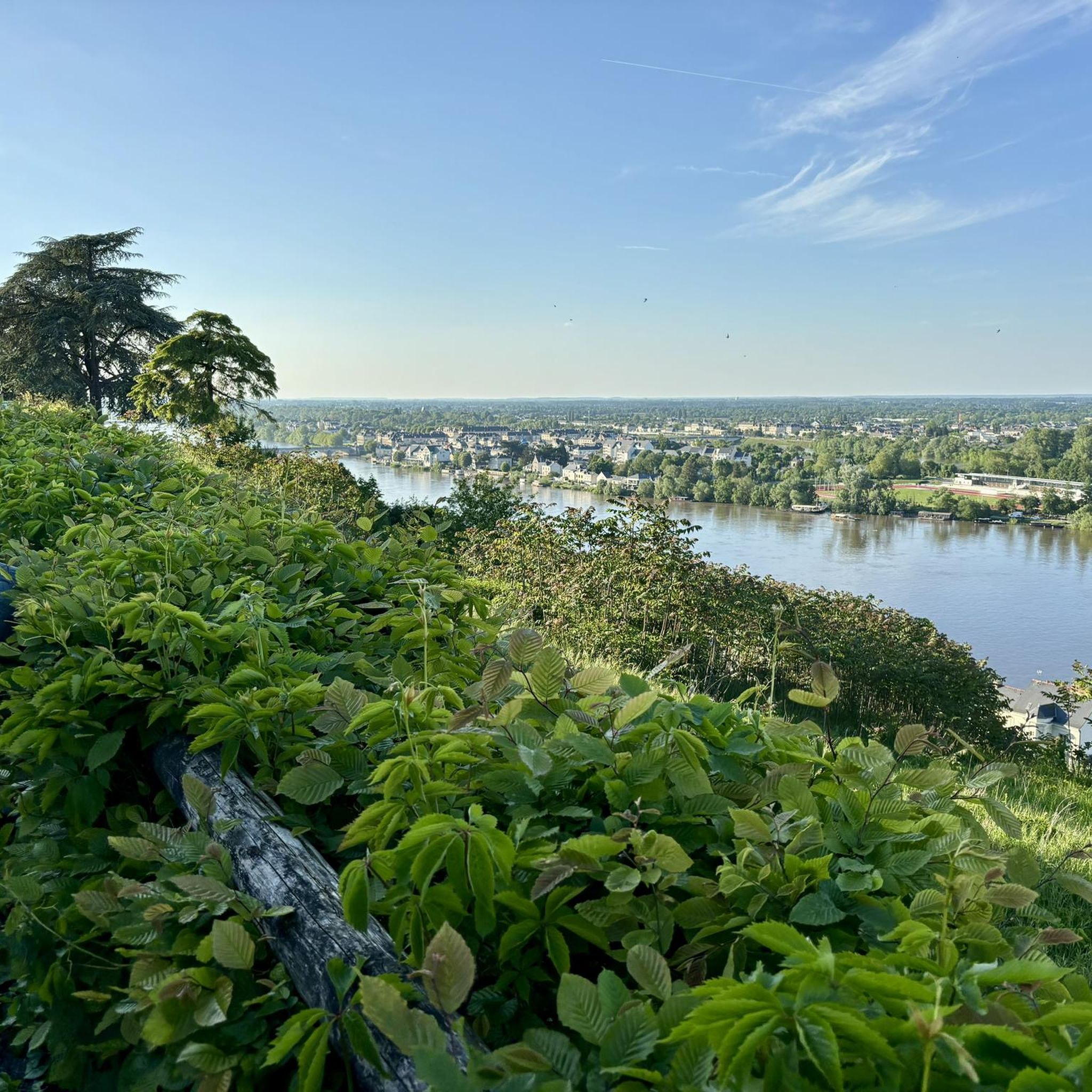
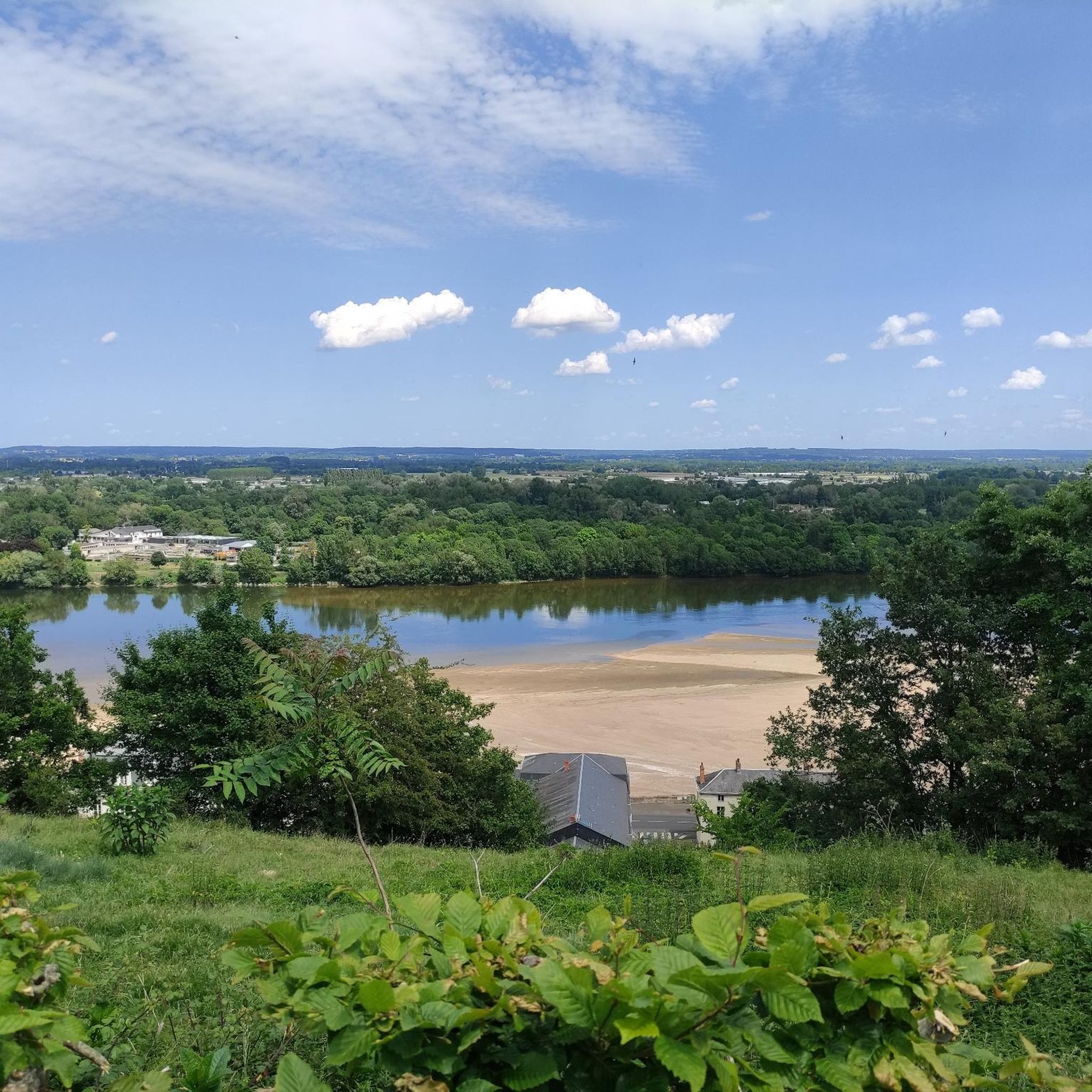
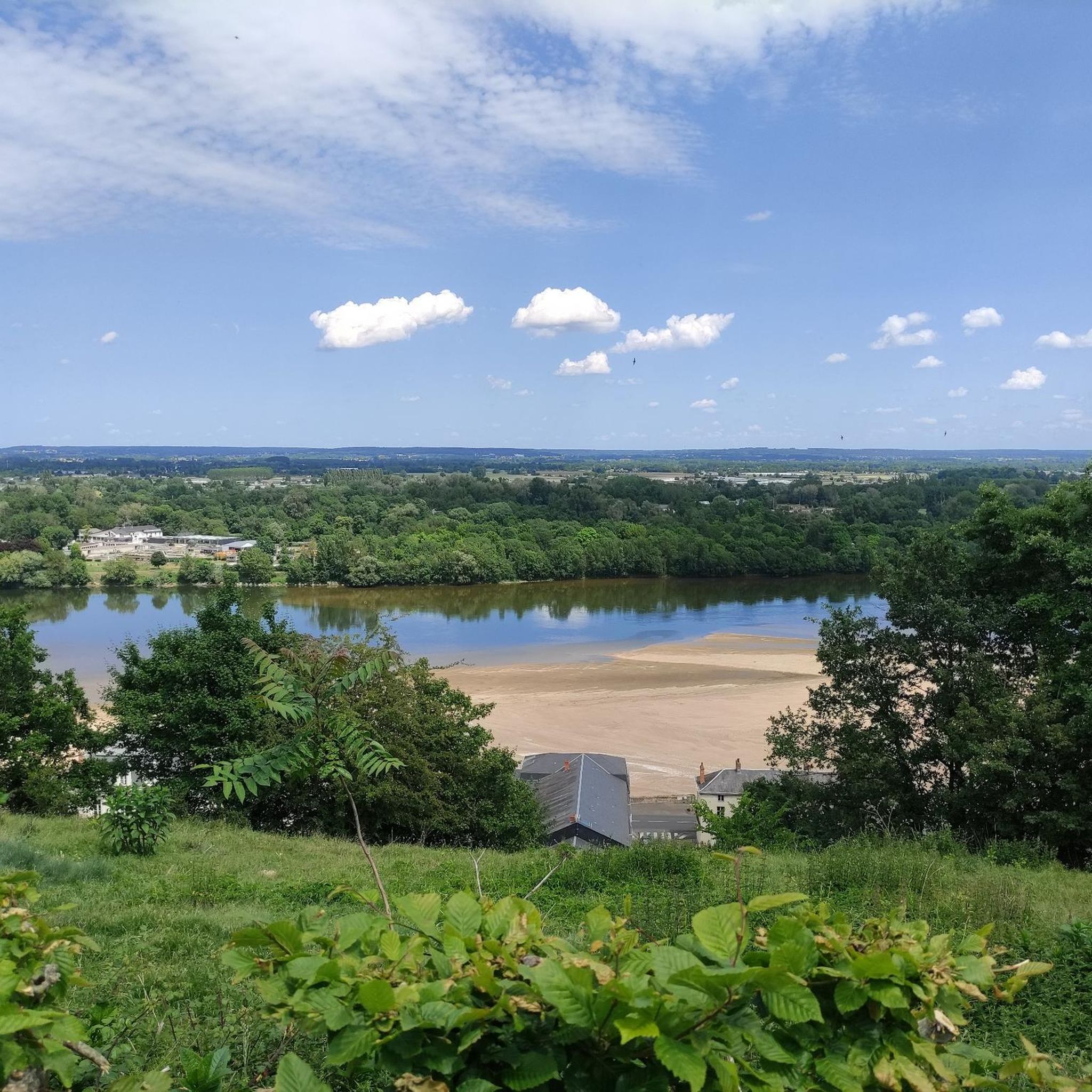
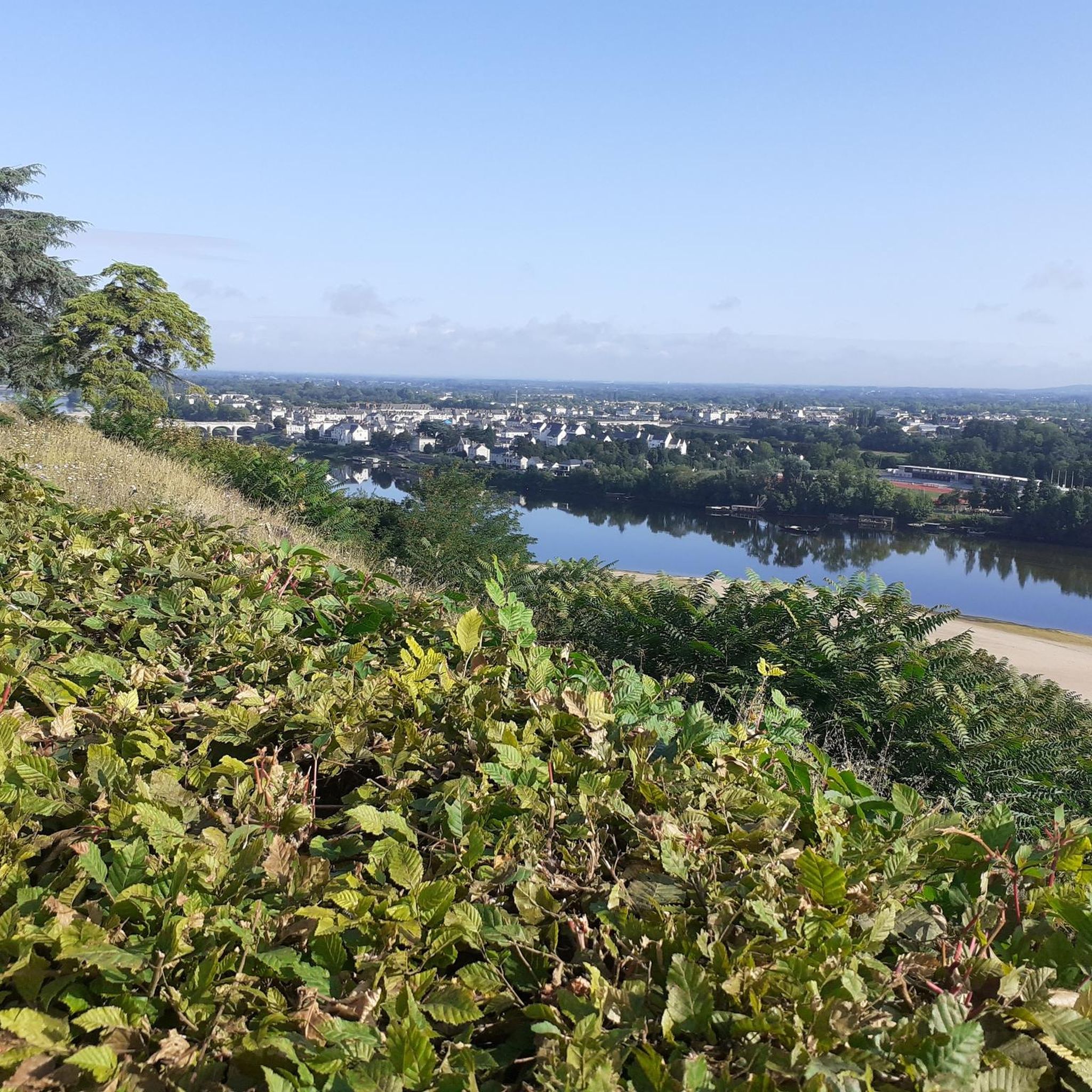
Very nice gravel along the banks of the Loire. Know that you are not alone here. Enjoy together, each at their own pace.
3
0
At this location you are in the middle of an underground labyrinth of Souzay-Champigny. Explanation: underground, in the cliffs and hills, the troglodytes of Saumurois form an enormous underground network. These are unique in France. More than 1 km of tunnels have been dug by man over the centuries to live, shelter and work. Here you can literally dive into a cool past.
2
0

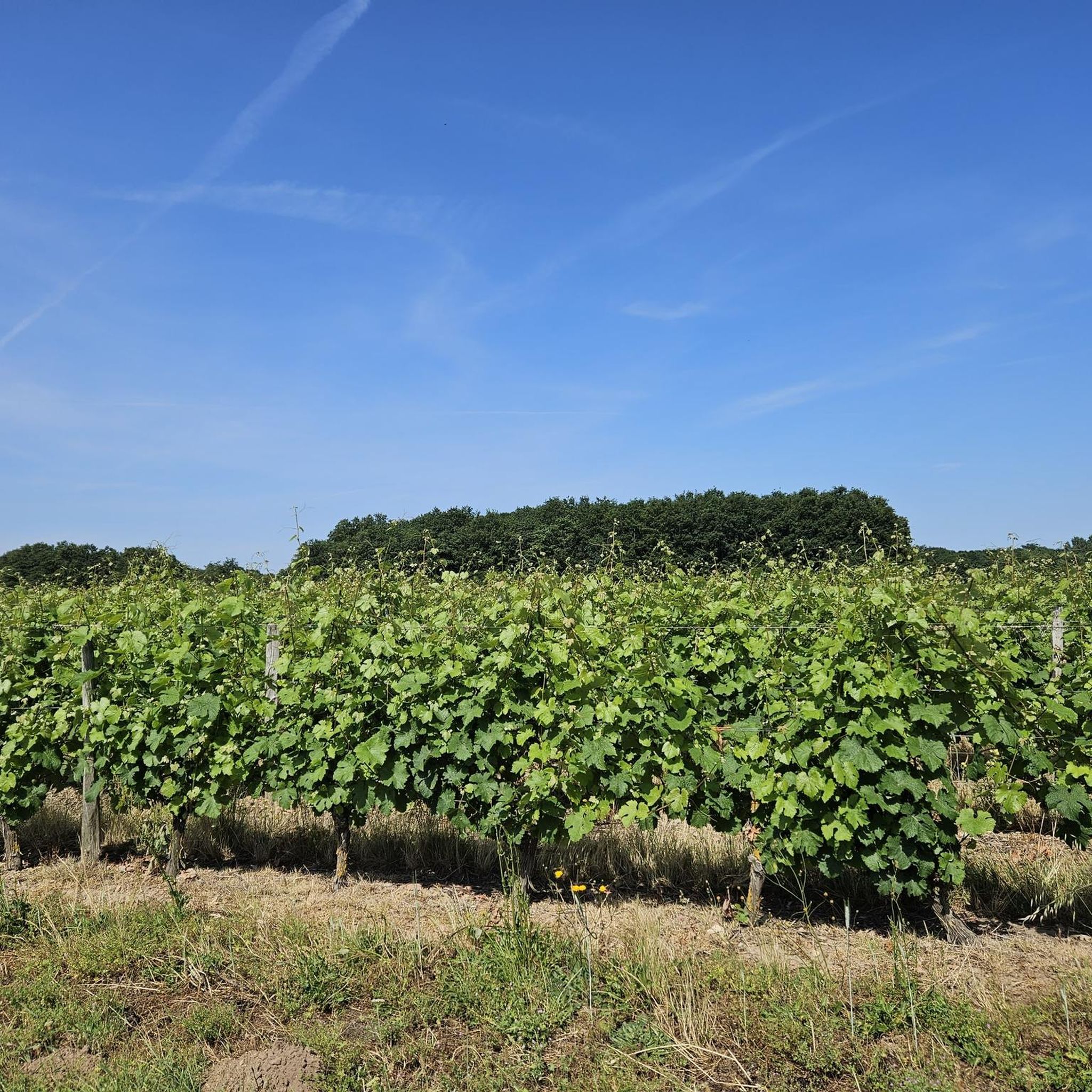
Beautiful town with castle and majestic ramparts, located in the heart of the Loire-Anjou-Touraine regional natural park on the edge of the Thouet. In the heart of the Saumur vineyards, Montreuil-Bellay is the perfect place to visit cellars and taste regional wines.
1
0

The Chapelle Royale Notre-Dame des Ardilliers in Saumur is a magnificent 17th century chapel which was once one of the most important Marian sanctuaries in France. There you can admire beautiful architecture, as well as rich paintings and sculptures. The chapel is also surrounded by a pretty park and gardens, where you can take a peaceful stroll along the Loire. Don't forget to taste the local wine, Coteaux de Saumur, which is produced from the vineyards located near the chapel.
3
0
Frequently Asked Questions
What historical landmarks can I explore within Le Coudray-Macouard itself?
Within the village, you can visit the Saint-Aubin Church, with parts dating back to the 12th century, featuring a Plantagenet-type vault and a superb altarpiece. Explore the elegant Seigneurie du Bois, a restored dwelling from the 15th and 16th centuries. Don't miss the picturesque medieval alleys and charming tufa stone houses that characterize the village's rich architectural heritage.
Where can I learn about local craftsmanship in Le Coudray-Macouard?
Le Coudray-Macouard is known as the 'village aux 1,000 girouettes' (village of 1,000 weathervanes). You can visit the Girouetterie Workshop, active for over 25 years, to see handcrafted weathervanes and signs made from copper, zinc, and brass. Visitors can view around a hundred models and learn about the history and manufacturing process.
Are there any unique natural features or gardens to visit in the area?
Yes, a unique Botanical Garden has been arranged around the theme of textile and dye plants, and those belonging to silkworms. You can explore it via a 2 km route that incorporates some of the village's alleys. Additionally, the village is bordered by the Banks of the Thouet River to the south, offering a green setting for outdoor activities.
What kind of outdoor activities can I do along the Thouet River?
The green setting of the Banks of the Thouet River offers excellent opportunities for hiking and mountain biking. There are circuits of 12, 19, and 24 km available. You might even spot beavers near an old 17th-century lock in Bron while exploring.
What castles are located near Le Coudray-Macouard?
Several impressive castles are a short drive away. You can visit Château de Saumur, an impressive castle built from the 10th century, offering views of the city and the Loire. Also nearby is Montreuil-Bellay Castle, a 15th-century fortress surrounded by medieval ramparts along the Thouet River.
Are there any significant religious or historical sites beyond the village church?
Yes, about 13 km to the east, you'll find Fontevraud Abbey, a major historical site with a great deal to see. Another notable site is the Candes-Saint-Martin Collegiate Church, located 15 km away in one of France's 'most beautiful villages', boasting numerous medieval statues.
Can I explore troglodyte dwellings near Le Coudray-Macouard?
The region is known for its unique troglodyte dwellings. You can explore the Souzay-Champigny troglodyte site, which features an underground labyrinth of tunnels dug over centuries, offering a glimpse into an atypical way of life.
What cycling opportunities are available around Le Coudray-Macouard?
The area offers diverse cycling experiences. You can enjoy the Loire Riverside Gravel Trail, a well-shaded path along the Loire. For more routes, check out the Gravel biking around Le Coudray-Macouard guide or the Road Cycling Routes around Le Coudray-Macouard guide for specific tours like the 'Saumur Wine Route'.
Are there running trails near the attractions?
Yes, there are several running trails in the vicinity. You can find routes like 'The Banks of the Thouet loop from Distré' or 'Running loop from Montreuil-Bellay'. For a comprehensive list, refer to the Running Trails around Le Coudray-Macouard guide.
What do visitors particularly enjoy about the attractions around Le Coudray-Macouard?
Visitors appreciate the historical significance and scenic beauty. For instance, the Château de Saumur is loved for its magnificent medieval architecture and exceptional panoramic views. The Loire Riverside Gravel Trail is praised for its calm, pleasant, and well-shaded environment, perfect for cycling or walking.
Is Le Coudray-Macouard part of a larger natural park or protected area?
Yes, Le Coudray-Macouard is situated within the Loire-Anjou-Touraine Regional Natural Park and is also part of the UNESCO-listed Loire Valley, highlighting its significant natural and cultural heritage.
Can I experience local viticulture or wine tasting in the area?
Absolutely. Part of the local land is dedicated to viticulture. Exploring the surrounding vineyards and participating in local wine tastings is a recommended activity, allowing you to experience the region's renowned wine culture.
Most popular routes around Le Coudray-Macouard
Most popular attractions around Le Coudray-Macouard

Get inspired with the komoot mobile app


Explore more
Still not found the Highlight you’re looking for? See guides of the top attractions in other regions:
