Top 11 Castles around Huisseau-Sur-Cosson
Castles around Huisseau-Sur-Cosson offer a glimpse into French history and architecture within the Loire Valley. The region is characterized by its historical châteaux, many of which are situated directly within the commune or in its immediate vicinity. These structures reflect various architectural styles and historical periods, from Renaissance to classical designs. The area provides opportunities to explore historical sites and their surrounding parks.
Best castles around Huisseau-Sur-Cosson
- The most popular castles is Chambord Castle, a castle that was built…
Last updated: October 23, 2026
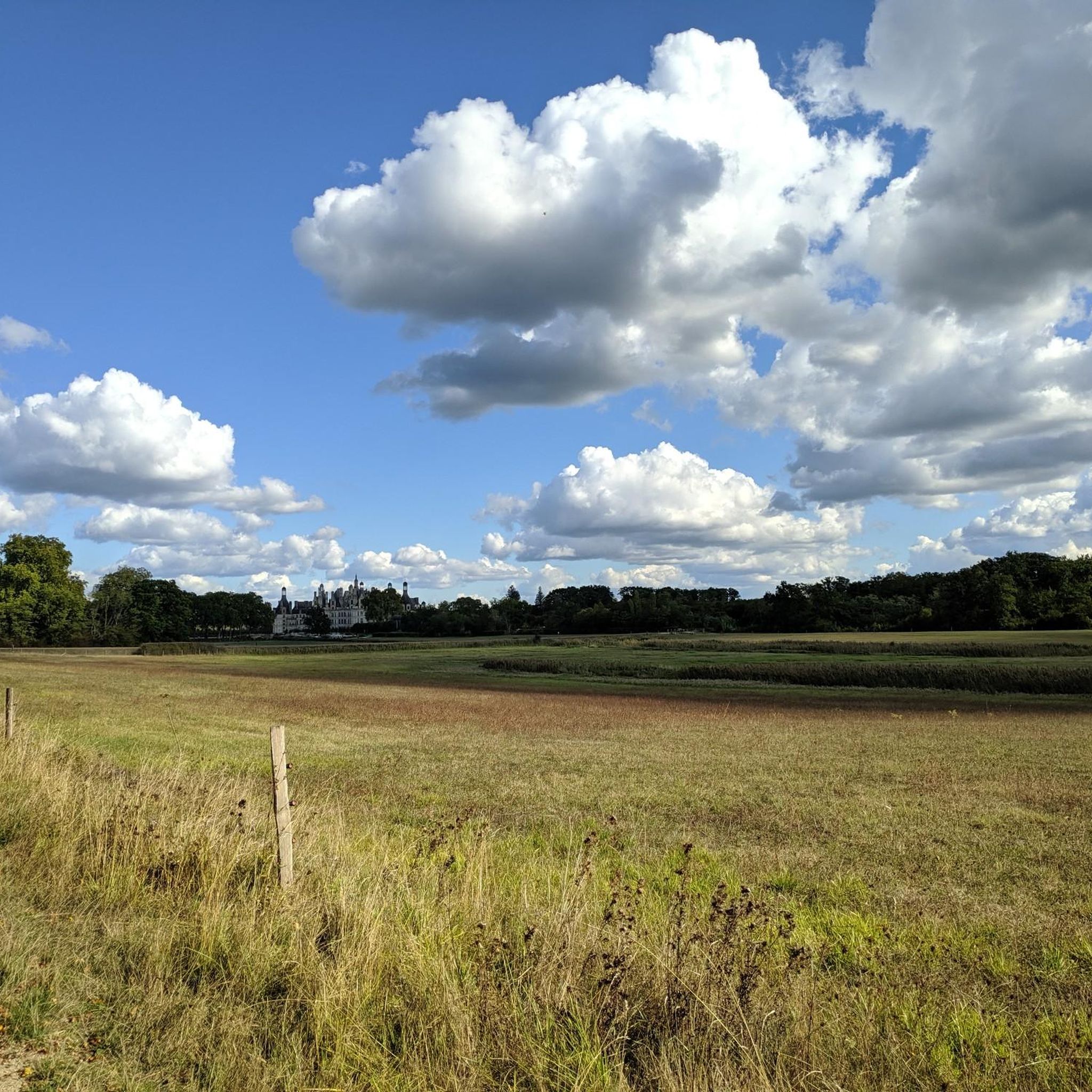
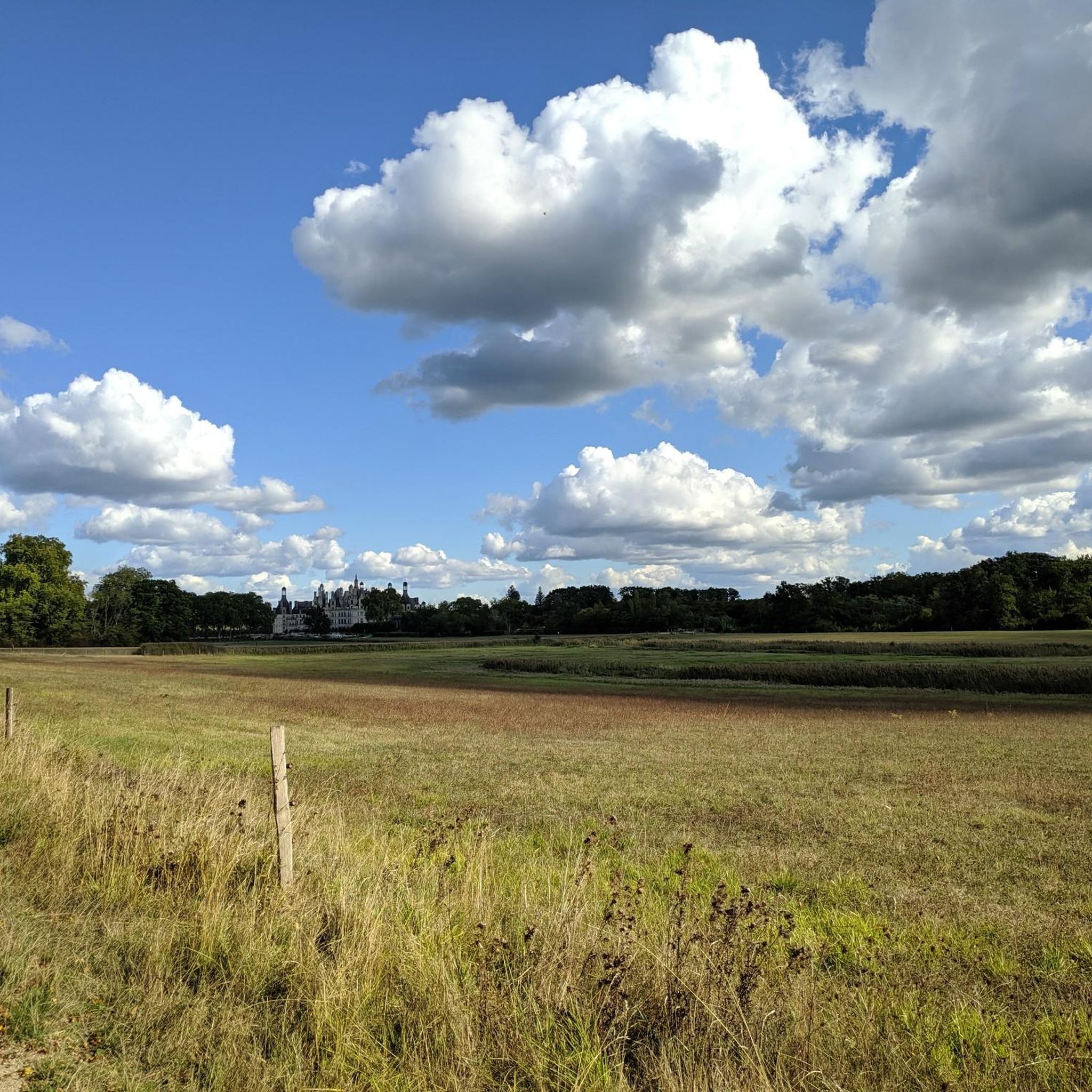
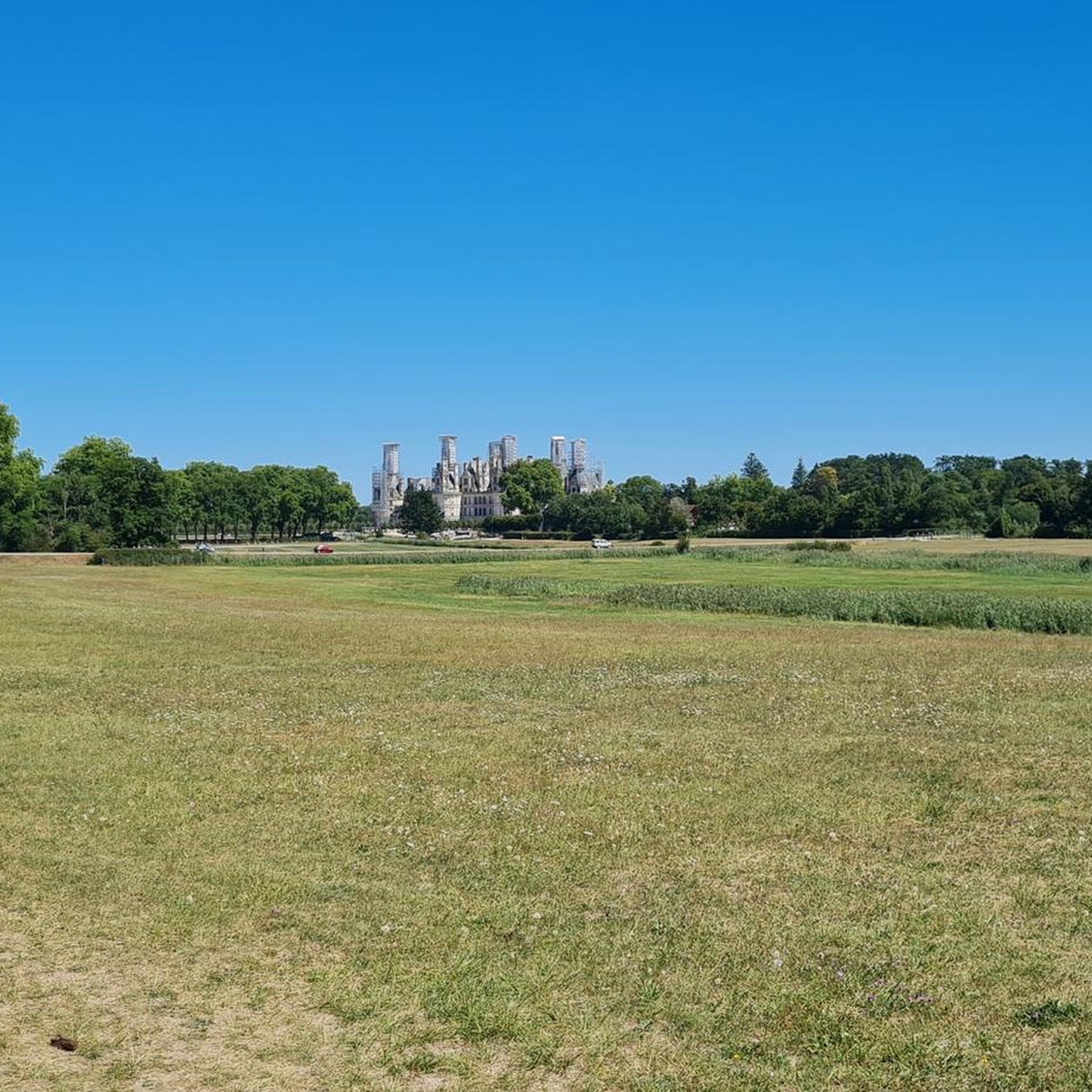
Chambord Castle
Highlight • Castle
Translated by Google •
Tip by

Cheverny Castle
Highlight • Castle
Listed as historical monuments since 1926, it is open to the public. More information on: chateau-cheverny.fr.
Translated by Google •
Tip by

Sign up now to discover places like this
Get recommendations on the best single tracks, peaks, & plenty of other exciting outdoor places.
Blois Castle
Highlight • Castle
Translated by Google •
Tip by

Beauregard Castle
Highlight • Castle
Translated by Google •
Tip by

Grotteaux Castle
Highlight • Castle
Translated by Google •
Tip by

Sign up for free to discover even more castles around Huisseau-Sur-Cosson.
Already have an account?
Start today with a free account
Your next adventure awaits.

Tips from the Community


The Royal Château of Blois was the residence of queens, kings, and princes for more than four centuries. It was the preferred residence of Duke Charles of Orléans, the birthplace of Louis XII, who lived here with his wife Anne of Brittany, the first building constructed by the king and architect Francis I, the deathbed of Catherine de' Medici, and the home of Marie de' Medici in exile.
1
0

Here you can spend the night like a prince
0
0

A worthwhile castle with its four construction periods. Make sure you take the time to visit.
1
0

Built in a Classical style, the Cherveny castle has belonged to the same family for more than six centuries, the Huraults, financiers and officers in the service of several kings of France. The current castle was built around 1625 by Henri, son of Philippe Hurault, and his wife Marguerite Gaillard de la Morinière. They launched the construction of the current castle and entrusted the execution of the work to the architect Jacques Bougier. He uses “Bourré stone”, a stone from the Cher valley which has the particularity of whitening and hardening as it ages. Sobriety and symmetry characterize the Château de Cheverny, a precursor of the French style which established itself under the reign of Louis XIV. The work is of such magnitude that it will not see the end of the project. Their daughter Elisabeth, Marquise de Montglas, completed the interior decoration which was entrusted to Jean Monier. During the following hundred and fifty years, the Château de Cheverny changed owners several times. In 1825, Anne Denis Hurault, Marquis de Vibraye, bought the property from her ancestors. The Château de Cheverny, which has always been inhabited, presents remarkably well-preserved pieces of furniture and interior fittings. The first floor apartments bear witness to the French art of living. An English-style park and gardens surround the Château de Cheverny. Visitors can discover the Jardin des Apprentis, a contemporary designed garden created in 2006 which was inspired by the found plans of an old French garden and the vegetable garden, designed by the Marquise de Vibraye, it combines the use original of different colored materials, vegetables and flowers. The Garden of Love, created in 2019, presents six monumental statues by Gudmar Olovson which reflect Love in all its forms. Cheverny constitutes a heritage of stones, land but also of tradition with venery or hunting with hounds. The Cheverny crew was founded in 1850 by the Marquis de Vibraye. Nowadays, in the Cheverny forest and neighboring forests, the crew harvests exclusively deer. Every day, from April to September 14, subject to reservations, at 11:30 a.m., visitors can attend the dog meal. The Château de Cheverny inspired the Château de Moulinsart to the Belgian comic book author, Hergé. The Domaine de Cheverny and the Hergé Foundation have joined forces to create and set up a permanent exhibition on the theme: the secrets of Moulinsart.
1
0

Largest portrait collection in Europe
0
0
You can cycle through the castle park
0
0

The Château de Beauregard is a Renaissance castle which was once the hunting lodge of François I and a residence for the kings' ministers in the 16th and 17th centuries. You can enjoy the 40-hectare landscaped park, which includes a portrait garden designed by the famous landscape architect Gilles Clément. A great way to discover a jewel of the Loire Valley and immerse yourself in history and nature.
2
0
Frequently Asked Questions
What castles are located directly within Huisseau-sur-Cosson?
Within Huisseau-sur-Cosson, you can explore the historic Château des Grotteaux, known for its 17th-century architecture, unique English-style park with trees gifted by Napoleon, and original murals. Another notable site is Château de Saumery, which has a history dating back to the 16th century and strong connections to the nearby Château de Chambord. Please note that Château de Saumery is private property and generally not open for public tours.
Are there family-friendly castles to visit near Huisseau-sur-Cosson?
Yes, several castles in the vicinity offer family-friendly activities. Chambord Castle, the largest of the Loire Valley castles, is well-equipped for visitors of all ages. Cheverny Castle, famous for inspiring Hergé's Moulinsart, also welcomes families. Additionally, Château de Villesavin, often called 'Chambord's construction site hut,' offers a riddle and game trail for children in its park, along with museums featuring horse-drawn carriages and wedding artifacts.
What historical connections do the castles in Huisseau-sur-Cosson have?
The castles in and around Huisseau-sur-Cosson are rich in history. Château des Grotteaux was visited by King Louis XIII and Cardinal Richelieu, and its park features trees from Napoleon's botanical expeditions. Château de Saumery had owners who served as governors of Chambord and advisors to King Louis XV. Chambord Castle itself was built for François I, with design input from Leonardo da Vinci. Blois Castle was a residence for several French kings and played a role in Joan of Arc's history.
Can I visit the parks or gardens of these castles by bike?
Yes, some castle parks are accessible by bike. The vast park surrounding Chambord Castle is largely open for cycling. Additionally, the 40-hectare landscaped park of Beauregard Castle is known to be bike-friendly, offering a unique way to explore its grounds and the portrait garden.
Are there any smaller, less-known castles worth visiting near Huisseau-sur-Cosson?
For a more intimate experience, consider Troussay Castle. It's a 15th-century private property considered the smallest of the Loire castles, offering a unique historical glimpse. While Château des Grotteaux is also smaller, it provides a rich historical and architectural experience directly in Huisseau-sur-Cosson.
What kind of outdoor activities can I do near the castles around Huisseau-sur-Cosson?
The region offers various outdoor activities. You can find numerous cycling routes, such as the 'Chambord Castle – Chambord Castle loop from Huisseau-sur-Cosson' (25.3 km, easy) or the 'Old viaduct – View of Chambord Castle loop from Huisseau-sur-Cosson' (38.4 km, moderate). For gravel biking, explore routes like the 'Chambord Park – Port of Saint-Dyé-sur-Loire loop from Huisseau-sur-Cosson' (52 km, moderate). There are also running trails, including a 'Running loop from Huisseau-sur-Cosson' (7.8 km, moderate). You can find more details on these and other routes in the Cycling around Huisseau-Sur-Cosson, Gravel biking around Huisseau-Sur-Cosson, and Running Trails around Huisseau-Sur-Cosson guides.
What architectural styles can I expect to see in the castles of this region?
The castles around Huisseau-sur-Cosson showcase a blend of architectural styles reflecting different eras. You'll find grand Renaissance architecture at Chambord Castle and Château de Villesavin, which was inspired by Italian Renaissance villas. Cheverny Castle is a prime example of classical 17th-century design. Blois Castle features a mix of styles from the 13th to the 17th century, showcasing its evolution over time.
What unique features does Château des Grotteaux offer visitors?
Château des Grotteaux offers a rich experience with its 17th-century architecture, original murals by Jean Mosnier, and Latin maxims on its facade. Its English-style park is particularly unique, featuring trees gifted by Emperor Napoleon, including bald cypresses along the Cosson riverbanks, and even a standing stone (menhir). Visitors can also enjoy guided tours and wine tasting in its medieval cellars.
What do visitors appreciate most about the castles around Huisseau-sur-Cosson?
Visitors frequently appreciate the rich history and architectural diversity of the castles. The sheer scale and historical significance of Chambord Castle are often highlighted, along with its expansive park. The well-preserved interiors and furnishings of Cheverny Castle, and its connection to Tintin, are also popular. The variety, from royal castles to smaller, private residences like Troussay Castle, allows for diverse exploration.
How can I explore the natural surroundings of the castles?
Many castles are set within beautiful natural landscapes. The extensive park of Chambord Castle is ideal for cycling and walking. Château des Grotteaux features a unique English-style park with ancient trees and a menhir, perfect for a stroll. The Sologne region, where Huisseau-sur-Cosson is located, is known for its forests and rivers like the Cosson, offering opportunities for hiking and enjoying nature. You can find specific routes in the Cycling around Huisseau-Sur-Cosson and Running Trails around Huisseau-Sur-Cosson guides.
Is there a castle near Huisseau-sur-Cosson that offers unique collections or museums?
Yes, Château de Villesavin, located nearby, houses several interesting museums. These include an important collection of 19th-century horse-drawn carriages and children's carriages in its former stables, as well as a museum dedicated to weddings, showcasing artifacts from 1840 onwards, such as dresses and headdresses.
Most popular routes around Huisseau-Sur-Cosson
Most popular attractions around Huisseau-Sur-Cosson

Get inspired with the komoot mobile app


Explore more
Looking for the best castles somewhere else? Discover other guides around Huisseau-Sur-Cosson:
