Attractions and Places To See around Le Cloître-Saint-Thégonnec - Top 20
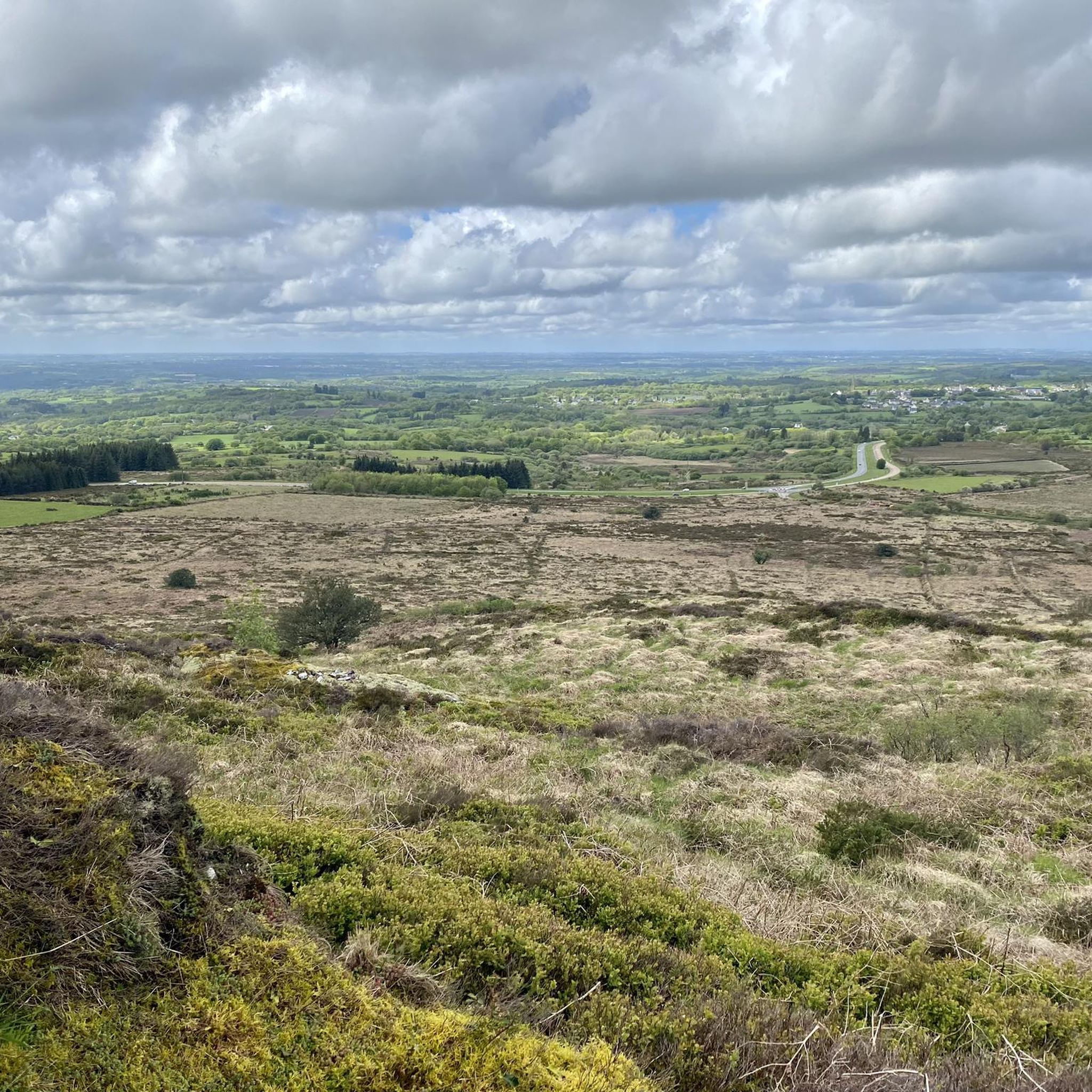
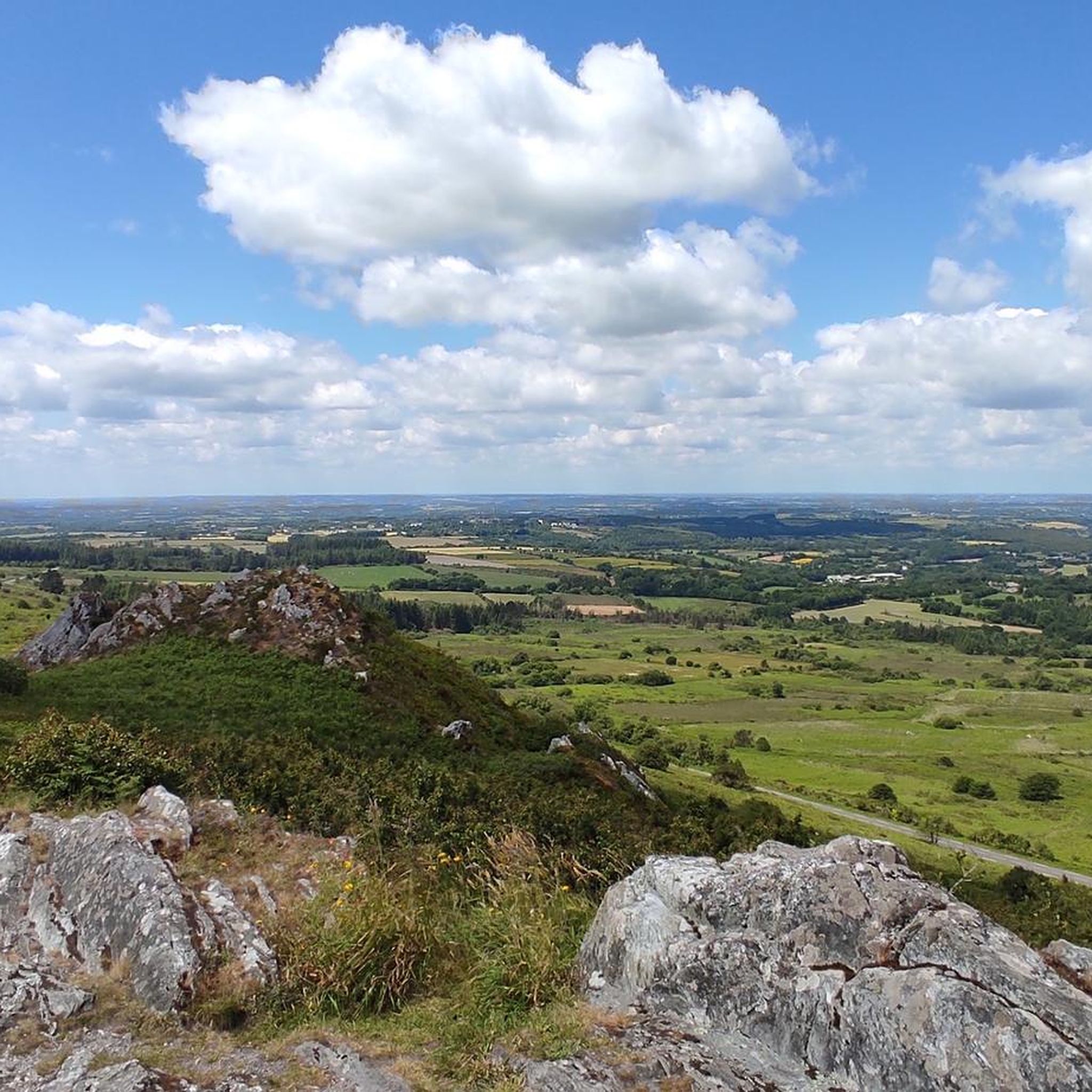
Best attractions and places to see around Le Cloître-Saint-Thégonnec include a mix of cultural heritage, historical sites, and preserved natural landscapes. The commune is situated in the northwestern part of the Monts d'Arrée, featuring hilly and green scenery traversed by several rivers. It is integrated into the Armorique Regional Natural Park, offering diverse landscapes and a preserved environment. Visitors can explore historical sites and enjoy outdoor activities like hiking.
Best attractions and places to see around Le Cloître-Saint-Thégonnec
- The most…
Last updated: May 25, 2026
Huelgoat Forest
Highlight • Other
Well signposted path - free admission.
Translated by Google •
Tip by

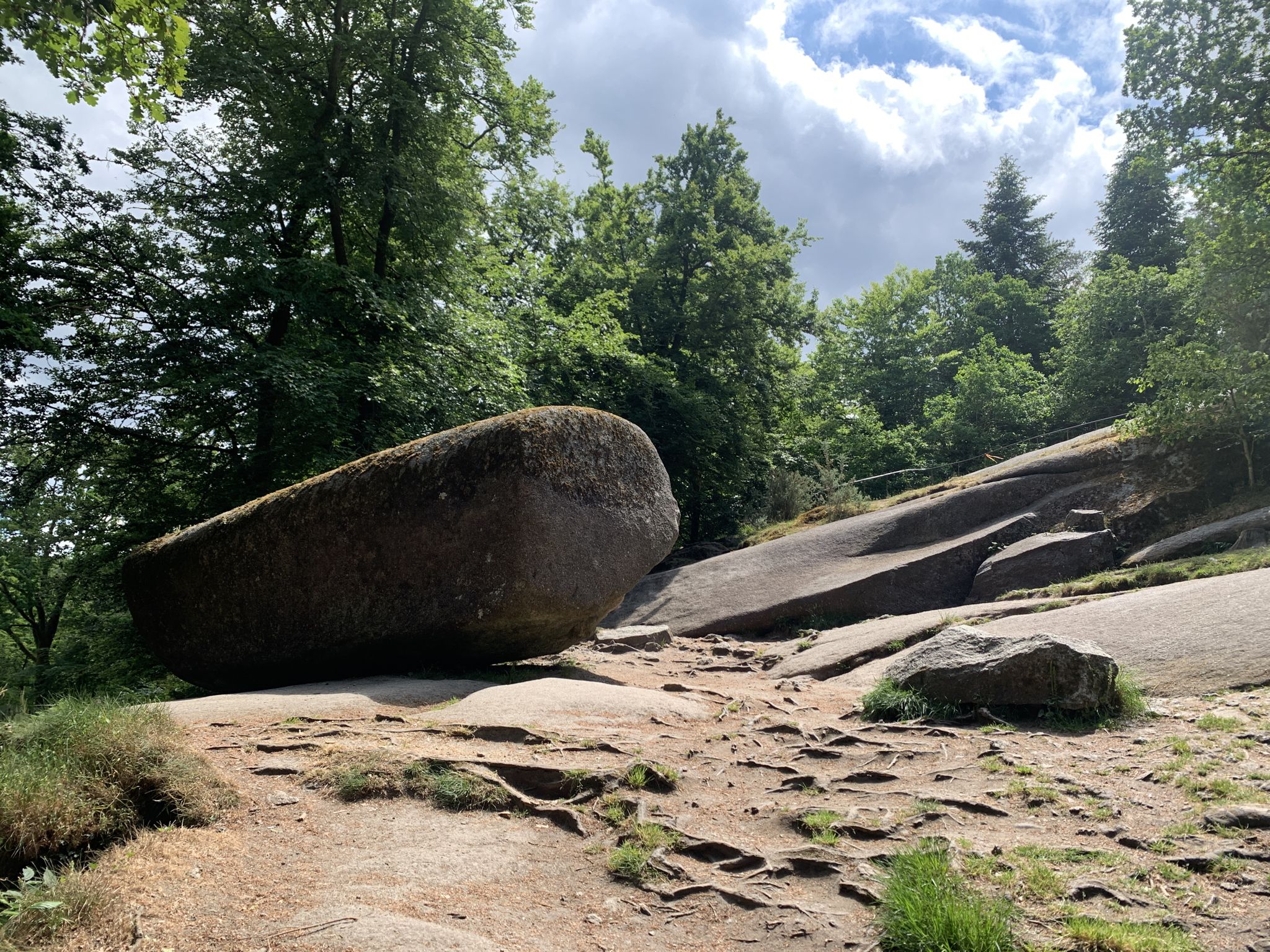
Trembling Rock
Highlight • Natural Monument
Many people try it, which …
Translated by Google •
Tip by

Sign up now to discover places like this
Get recommendations on the best single tracks, peaks, & plenty of other exciting outdoor places.
Sign up for free
Arthur's Cave
Highlight • Gorge
So is this cave …
Translated by Google •
Tip by
Chaos Mill
Highlight • Other
Translated by Google •
Tip by

Gouffre de Huelgoat Waterfall
Highlight • Waterfall
Translated by Google •
Tip by
Sign up for free to discover even more attractions around Le Cloître-Saint-Thégonnec.
Sign up for free
Already have an account?
Start today with a free account
Your next adventure awaits.
Login or Signup
Popular around Le Cloître-Saint-Thégonnec
Tour des Monts d'Arrée in France — the GR 380

Gravel biking around Le Cloître-Saint-Thégonnec
Cycling around Le Cloître-Saint-Thégonnec
MTB Trails around Le Cloître-Saint-Thégonnec
Hiking around Le Cloître-Saint-Thégonnec
Road Cycling Routes around Le Cloître-Saint-Thégonnec
Running Trails around Le Cloître-Saint-Thégonnec
Other adventures around Le Cloître-Saint-Thégonnec

Tips from the Community


huge rock that can be moved with some effort
0
0

Brilliant. I highly recommend this magical place.
0
0

How much poorer would European literature be if he didn't exist: the heroic King ARTHUR has - at least in the fantasy world of countless authors who have told his story over and over again for centuries, and above all in their ever-fascinating readers or listeners - conquered a permanent place in the collective memory of people. Everyone can decide for themselves what historical connection this hiking highlight has with the person of the legendary king. But the main thing is: the myth lives on!
2
0
There are some stunning aspects to this hike. Amazing huge boulders, beautiful trees and waterways. HOWEVER, during our hike in June 2024 there was logging on parts of the track and significant number of trees down. Also (or perhaps in part because of these issues) the track was not always easy to follow. In particular the starting point, which extended off of private driveways shortly after creperie. No signage to direct walkers. We were only a lento complete this walk by turning around and walking in reverse direction of track. Not a problem with reversing direction, but it was quite stressful working out where track was.
0
0
Many centuries ago, our ancestors discovered the possibility of harnessing the power of the elements - which on the one hand were helpful and useful, but on the other hand could also be a threat as untamed forces of nature - for different purposes and thus did without human or animal muscle power can. Such mills are a good example of the human engineering skills of earlier generations: the heavy millstones with which, for example, grain was ground into grain or oil was pressed, could be powered with the help of the wind or - as here - water.
0
0
Frequently Asked Questions
What natural attractions can I explore around Le Cloître-Saint-Thégonnec?
The region is rich in natural beauty. You can discover the mystical Huelgoat Forest, known for its impressive granite formations and gigantic boulders. Within the forest, don't miss the Gouffre de Huelgoat Waterfall, where a river dramatically disappears into a chasm. The Cragou Moors (Landes du Cragou) also offer a remarkable natural space with preserved flora and fauna, ideal for hiking.
Are there any historical or cultural sites to visit in the area?
Absolutely. Le Cloître-Saint-Thégonnec boasts several historical and cultural gems. Explore the Chaos Mill, a 16th-century granite mill at the edge of the Huelgoat forest. The commune is also home to the Notre-Dame Cloister-Saint-Thégonnec Church with its distinctive twisted bell tower, the unique Musée du Loup (Wolf Museum), and the ancient Menhir de Saint-Thégonnec, a 5,000-year-old standing stone.
What kind of outdoor activities are available near Le Cloître-Saint-Thégonnec?
The area is perfect for outdoor enthusiasts. You can enjoy extensive hiking in the Cragou Moors and the surrounding countryside, offering a blend of natural beauty and architectural heritage. For more structured routes, explore the various hiking trails around Le Cloître-Saint-Thégonnec, including easy and moderate options. There are also dedicated MTB trails and running trails for different activity levels.
Are there family-friendly attractions around Le Cloître-Saint-Thégonnec?
Yes, several attractions are suitable for families. The Trembling Rock in Huelgoat Forest is a fun natural monument where visitors try to make a massive monolith move. The Gouffre de Huelgoat Waterfall also offers a fascinating natural spectacle that children often enjoy. The Musée du Loup (Wolf Museum) provides an engaging and educational experience for all ages, exploring the history and legends of wolves.
What is the best time of year to visit Le Cloître-Saint-Thégonnec for outdoor activities?
The region is beautiful year-round, but for outdoor activities like hiking and exploring, spring (April-June) and autumn (September-October) offer pleasant temperatures and vibrant landscapes. Summer (July-August) is also popular, though it can be busier. Winter can be a unique experience for those who enjoy crisp air and quieter trails, but some services might have reduced hours.
Can I find any unique geological formations in the area?
Absolutely. The Huelgoat Forest is renowned for its unique geological features, including gigantic round boulders scattered throughout. The most famous is the Trembling Rock, a 137-ton monolith that can be made to move with effort. The Gouffre de Huelgoat Waterfall also showcases dramatic rock formations where the river disappears into a chasm.
Are there any legends or mystical places to discover?
Le Cloître-Saint-Thégonnec and its surroundings are steeped in local legends. The Huelgoat Forest is often described as a mystical place, sometimes feeling like the 'land of giants.' Within it, Arthur's Cave is a magical spot where legend says King Arthur once took refuge. The Menhir de Saint-Thégonnec also carries ancient tales of giants.
What are some notable historical buildings or monuments nearby?
Beyond the local church, just 5 km from Le Cloître-Saint-Thégonnec, you can visit the Abbaye du Relecq. This Cistercian abbey, built in 1132, is a significant historical monument. The region is also known for its unique parish enclosures, with examples in nearby towns like Saint-Thégonnec and Guimiliau, showcasing intricate religious architecture.
Where can I find local food or drinks after exploring?
For a taste of local flavors, the Bistrot du Cragou, located opposite the Wolf Museum, offers original and innovative cuisine made with local and organic products. You'll also find various cafes and restaurants in the village and surrounding towns to refuel after your adventures.
What makes the Armorique Regional Natural Park special in this area?
Le Cloître-Saint-Thégonnec is integrated into the Armorique Regional Natural Park, which means it benefits from an exceptional diversity of landscapes and a preserved environment. The park encompasses the hilly and green scenery of the Monts d'Arrée, including areas like the Cragou Moors, making it a prime location for experiencing Brittany's natural heritage and outdoor activities.
Are there any easy walking trails suitable for a leisurely stroll?
Yes, there are several easy walking options. The Cragou Heath loop from Le Cloître-Saint-Thégonnec is an easy 4.5 km hike. Additionally, the Relecq Abbey – Ty Croas loop is another easy option at just over 6.5 km, offering a pleasant walk around the historic abbey.
What is the Monument aux Loups?
The Monument aux Loups (Monument to Wolves) is a sculpted work by local artist Alain Milan, located in the town square of Le Cloître-Saint-Thégonnec. Unveiled in 1992, it symbolizes the commune's deep connection to the wolf, complementing the nearby Musée du Loup and reflecting the animal's historical and legendary presence in Brittany.
Most popular routes around Le Cloître-Saint-Thégonnec
Most popular attractions around Le Cloître-Saint-Thégonnec

Get inspired with the komoot mobile app


Explore more
Still not found the Highlight you’re looking for? See guides of the top attractions in other regions:
