The best road cycling routes around Reviers
4.5
(102)
3,164
riders
249
rides
Road cycling around Reviers, France, is characterized by its location near the confluence of the Seulles and Mue rivers, offering routes through tranquil natural features. The region provides access to both the picturesque Norman countryside and the historic D-Day landing beaches. Cyclists can expect a mix of flat coastal paths and gently rolling inland terrain. This area features a network of routes that cater to various preferences, from easier rides along rivers to moderate coastal loops.
Best road cycling routes…
Last updated: August 26, 2026
4.7
(7)
202
riders
Moderate road ride. Good fitness required. Some segments of this route may be unpaved and difficult to ride.
15
riders
25.5km
01:02
120m
120m
Easy road ride. Great for any fitness level. Mostly well-paved surfaces and easy to ride.

Sign up for free
11
riders
40.0km
01:37
240m
240m
Easy road ride. Great for any fitness level. Mostly well-paved surfaces and easy to ride.
14
riders
17.9km
00:44
110m
120m
Easy road ride. Great for any fitness level. Mostly well-paved surfaces and easy to ride.
8
riders
55.9km
02:19
350m
350m
Moderate road ride. Good fitness required. Mostly well-paved surfaces and easy to ride.
Get access to more routes and recommendations from other explorers.
Sign up for free
Already have an account?
Our route recommendations are based on thousands of hikes, rides, and runs completed by other people on komoot.
Start today with a free account
Your next adventure awaits.
Login or Signup

Tips from the Community

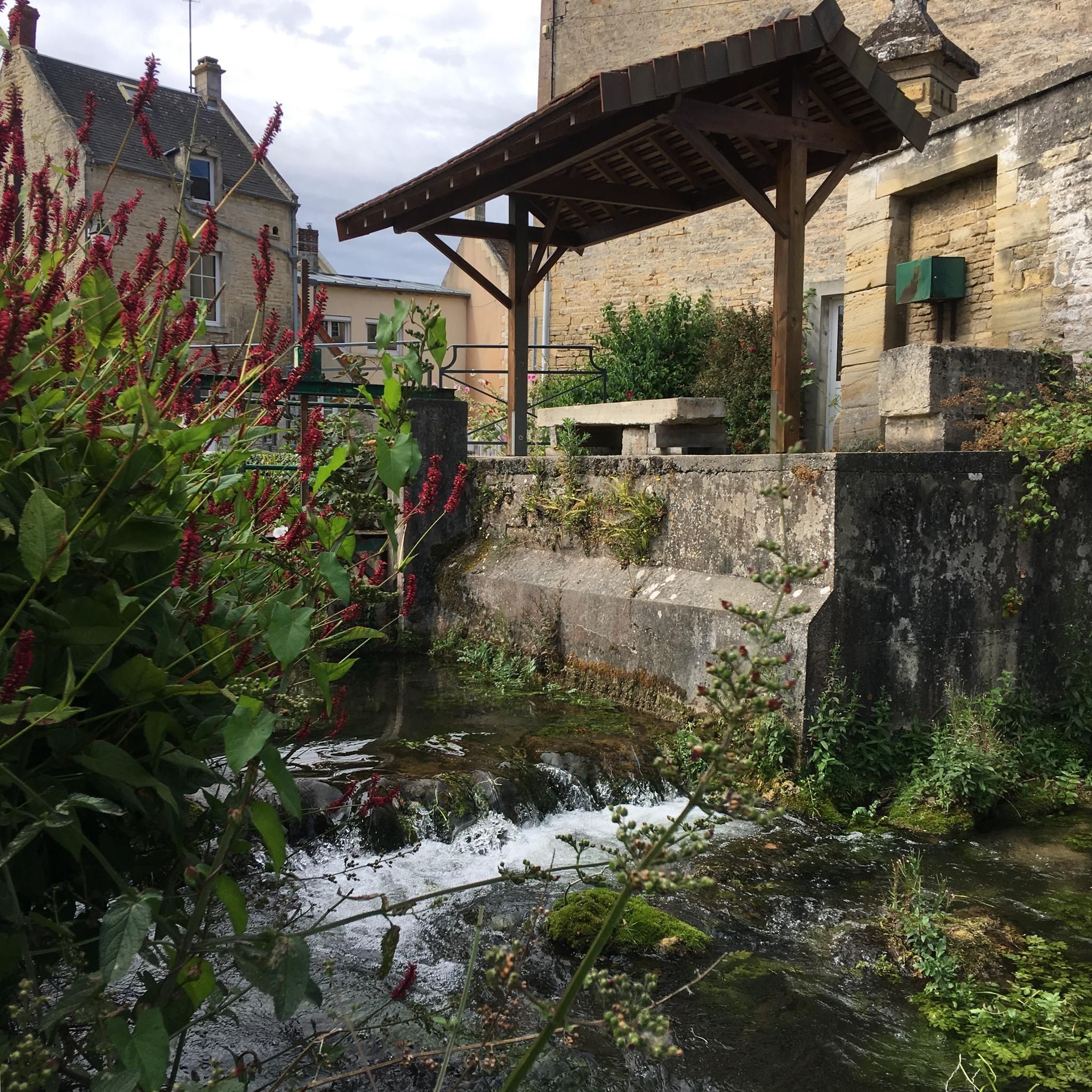
Very pretty little road that winds between Reviers and Fontaine-Henry, bordered in places by the river "La Mue". Very beautiful bucolic place with the arrival in Fontaine-Henry and its old stones including the castle.
0
0

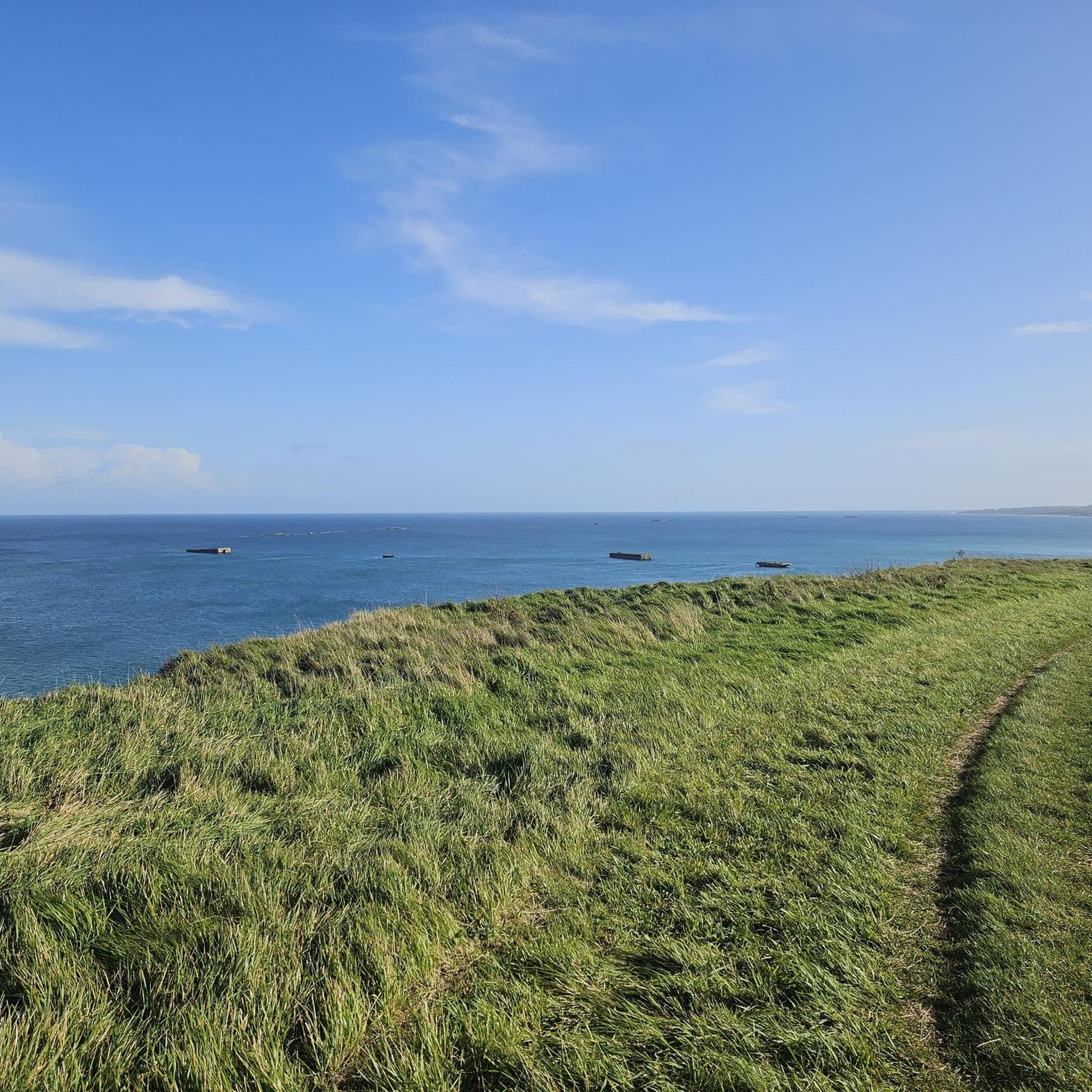
Wonderful section to drive through beautiful nature
0
0


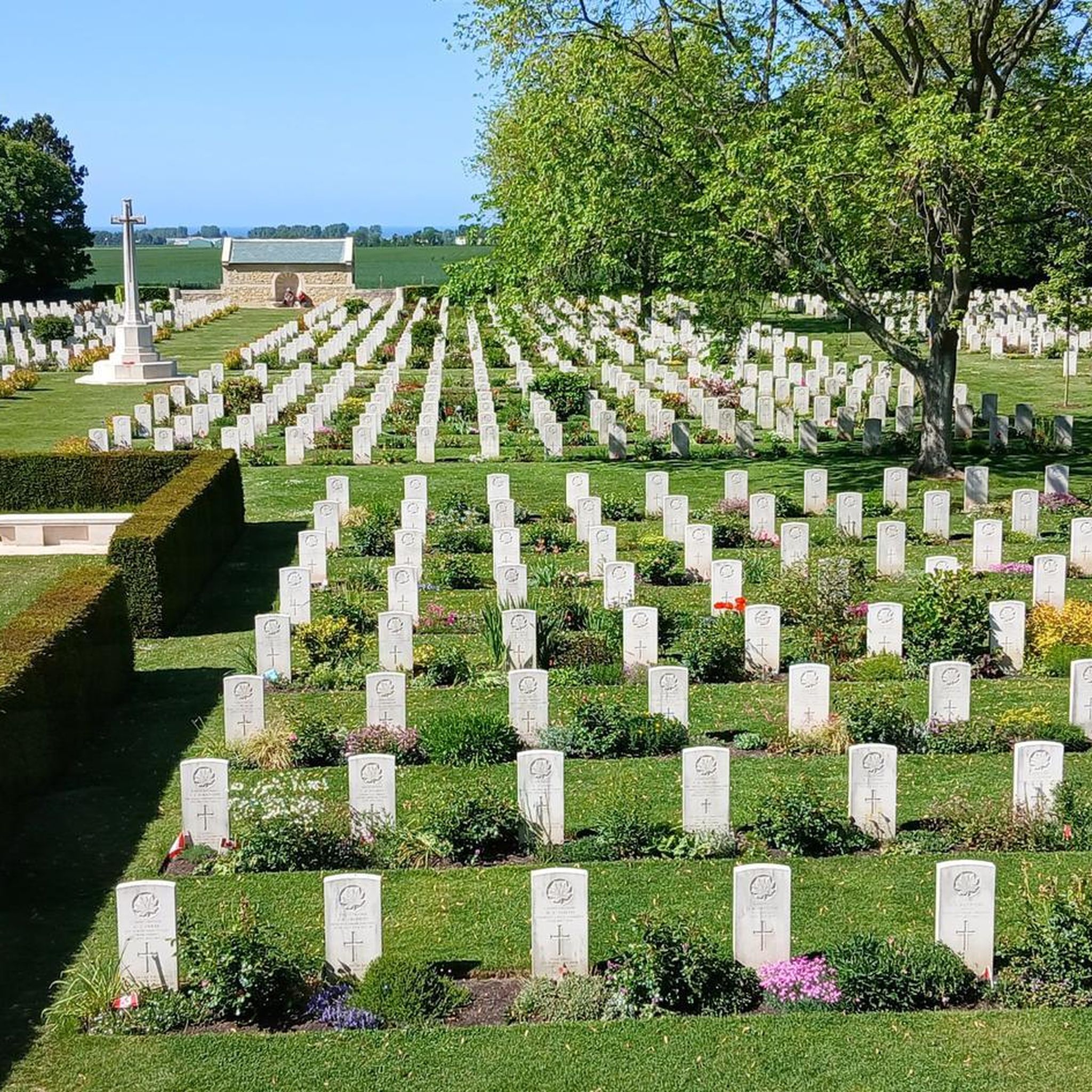
On June 6, 1944, the Canadians landed here in Normandy.
1
0

A moving combination of wartime artefacts and modern outdoor sculpture, including one of a present day WW2 veteran looking at an image of himself as a soldier in 1944.
0
0

Caen, first mentioned in documents in 1027, experienced rapid urban development in the 11th century. It was called a burgus (bourg), was the centre of an extensive ducal domain, lay at the crossroads of important roads and had markets and a port. It first developed as an important city in the Duchy of Normandy under William the Conqueror. He had a strong fortress built in Caen and around 1059 an abbey for women (Abbaye aux dames) and one for men (Abbaye aux hommes), in which he was also buried. Later, during the Huguenot Wars (1562), his grave was destroyed and his bones were lost. William's gravestone can still be seen in the church today. He had the monasteries built to atone for his marriage to his cousin Mathilde, which was disapproved of by the Pope. Both monasteries are among the most important monuments in Normandy and are today – by the monks and nuns during the French Revolution
2
0

Unfortunately, the château was closed due to an event and could only be viewed from the outside. The park was freely accessible, but not particularly noteworthy.
0
0
Frequently Asked Questions
How many road cycling routes are available around Reviers?
There are over 250 road cycling routes around Reviers, offering a wide variety of experiences. These routes cater to different preferences, from easy riverside paths to more challenging inland and coastal loops.
What kind of terrain can I expect when road cycling near Reviers?
The region around Reviers offers diverse terrain. You'll find a mix of flat coastal paths, gently rolling inland countryside, and routes that wind through the picturesque Norman landscape. The area is characterized by its proximity to both the tranquil Seulles and Mue rivers and the historic D-Day landing beaches.
Are there road cycling routes suitable for beginners or those looking for an easy ride?
Yes, Reviers offers plenty of options for less experienced cyclists or those seeking a relaxed ride. There are 84 easy routes available. For example, the Route des Marais – Graye-sur-Mer Memorial loop from Graye-sur-Mer is an easy 11.1-mile (17.8 km) trail that provides a gentle introduction to the area's scenery.
What are some notable landmarks or attractions I can see along road cycling routes near Reviers?
Many routes in the area pass by significant historical sites and natural beauty. You can explore the D-Day landing beaches and memorials, or discover charming Norman villages. Specific highlights include the Juno Beach Centre, the British Normandy Memorial, and various castles like Lantheuil Castle and Creully Castle.
Are there any circular road cycling routes around Reviers?
Yes, many of the road cycling routes around Reviers are designed as loops, allowing you to start and finish in the same location. Examples include the popular View of the artificial harbour – Artificial harbour end loop from Les Pérelles and the Artificial harbour end – Quai du Canada loop from Courseulles-sur-Mer, both offering scenic circular journeys.
What do other road cyclists enjoy most about cycling in Reviers?
The area is highly rated by the komoot community, with an average score of 4.6 stars from over 100 reviews. Cyclists often praise the unique blend of poignant history, picturesque countryside, and charming coastal routes. The well-maintained paths and diverse scenery are frequently highlighted as key attractions.
When is the best time of year for road cycling in Reviers?
The region is enjoyable for road cycling throughout much of the year. Spring and autumn offer pleasant temperatures and beautiful scenery, with fewer crowds. Summer is also popular, especially for coastal rides, though it can be busier. During winter, the Seulles river can overflow, creating unique 'white marshes' in the fields, which can be a scenic, albeit cooler, experience.
Are there any longer, more challenging road cycling routes for experienced riders?
While the immediate Reviers area is known for its moderate terrain, there are longer routes that offer more of a challenge. For instance, the Notre Dame Du Marais – Vieux-la-Romaine Villa loop from Ponts sur Seulles covers 36.1 miles (58.1 km) with notable elevation changes, providing a more demanding ride through the Norman countryside.
Can I find places to eat or stay along the road cycling routes?
Reviers and the surrounding villages offer various amenities. You'll find charming towns and villages along the routes where you can stop for refreshments at local cafes or restaurants. Accommodation options, including guesthouses and hotels, are also available in the area, particularly in coastal towns and larger villages.
Are there specific routes that highlight the D-Day landing beaches?
Yes, many routes are specifically designed to incorporate the historic D-Day landing beaches and associated memorials. The Artificial harbour end – Quai du Canada loop from Courseulles-sur-Mer is a prime example, following the coastline and passing significant D-Day landmarks, allowing cyclists to combine physical activity with historical exploration.
What are the typical distances and elevations for road cycling routes in Reviers?
Route distances vary significantly, from shorter easy rides of around 10-15 miles (16-24 km) to longer, moderate routes exceeding 30 miles (48 km). Elevation gains are generally moderate, with many routes featuring rolling hills rather than steep climbs. For example, a moderate 27-mile (43.6 km) route might have around 1,000 feet (300 meters) of elevation gain.
Is public transport or parking available for accessing the cycling routes?
While specific public transport links directly to trailheads might be limited in smaller villages like Reviers, the region is accessible. Parking is generally available in the towns and villages that serve as starting points for many routes, such as Courseulles-sur-Mer or Ponts sur Seulles. It's advisable to check local parking regulations upon arrival.
Most popular attractions around Reviers

Get inspired with the komoot mobile app


Explore more
Browse the best Road cycling routes in other regions.
