Top 5 Castles around La Pommeraye
Best castles around La Pommeraye are situated in the heart of Normandy's valleys, a region characterized by its historical significance and natural landscapes. The area features a blend of medieval defensive structures and later architectural renovations from the 17th and 19th centuries. Visitors can explore a variety of historical sites set within tranquil environments, offering insights into centuries of regional history.
Best castles around La Pommeraye
- The most popular castles is Château Ganne, an 11th-century castle ruin. Its remains…
Last updated: August 22, 2026
Château d'Harcourt
Highlight • Castle
Translated by Google •
Tip by

Château Ganne
Highlight • Castle
Translated by Google •
Tip by

Sign up now to discover places like this
Get recommendations on the best single tracks, peaks, & plenty of other exciting outdoor places.
Sign up for free
Château de la Pommeraye
Highlight • Castle
Translated by Google •
Tip by
Château de Saint-Sauveur
Highlight • Castle
Translated by Google •
Tip by

Start today with a free account
Your next adventure awaits.
Login or Signup

Tips from the Community


Unfortunately, you cannot enter the castle grounds.
0
0

Château des ducs d'Harcourt: Ruins of a castle built in the 17th and 18th centuries in Thury-Harcourt. Unfortunately, the castle, praised as the "Versaille of Normandy", was destroyed in fighting in August 1944. Today only parts of the facade and two guard pavilions remain. The chateau is a good starting point for numerous hikes in the beautiful "Normandie Suisse".
0
0

This 17th and 18th century castle did not survive the Second World War. Today only part of the main facade and a chapel remain. If the private domain is closed to the public, the main buildings that remain standing can be seen from the public road.
0
0
This castle is not one of the many places of memory of Protestantism in the Bocage. The “De Grésille” will remain Catholic. However, the existing rivalry between the two lordly families “Payen” of the Château de La Poupelière and “De Grésille” of the Château de St Sauveur, concerning the supremacy of Ste Honorine la Chardonne, fueled the conflicts and pillaging during the religious wars of the Bocage. To go further: How did Nicolas de Grésille end up in prison in Avranches in 1566 following the looting of the castle of St Sauveur ordered by Guillaume Payen? https://1drv.ms/b/s!AvZwDDO2nEl-gSKo6J3jG1hKRgP7?e=jKF7Ty
0
0

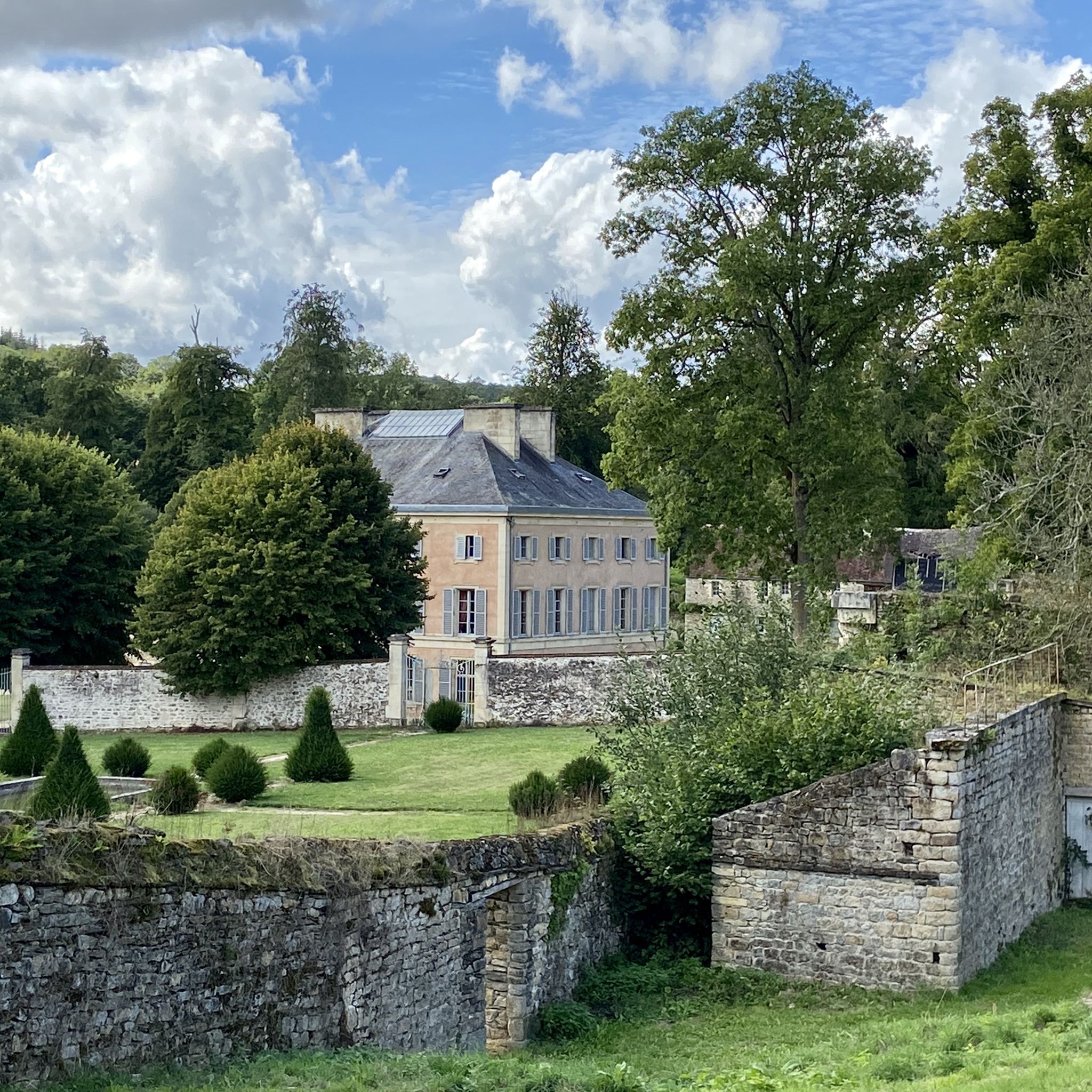
Since the 11th century, this place has always had a defensive position and structure. On the remains of the medieval structure, this castle was built from the 1600s and, as you see it today, from the 1850s. The buildings house stables, a wine press and a bakery, among other things. The castle park, which once covered hundreds of hectares, covers only 20 today and is a classified ornithological reserve.
2
0
Château Ganne is an old castle from the 11th century. Its remains are a delight for walkers. There is something so much more accessible to getting a sense of a place than when visiting some much grander intact castles. You can run your fingers over the walls, walk among the ruins, and explore.
2
0

The Château d'Harcourt was built in the 17th century and only a ruin remains today, due to battles during the Second World War which destroyed an already dilapidated building. The ruins are well enough preserved to be worth a visit if you pass by.
2
0
Frequently Asked Questions
What kind of historical architecture can I expect to see at the castles around La Pommeraye?
The region showcases a blend of architectural styles. You'll find remnants of medieval defensive structures, such as the 11th-century origins of Château de la Pommeraye and the ruins of Château Ganne. There are also significant renovations and constructions from the 17th and 19th centuries, including Louis XIII-style pavilions and Restoration-era facades, as seen at Château de la Pommeraye.
Are there any medieval ruins to explore near La Pommeraye?
Yes, Château Ganne is an excellent example of an 11th-century castle ruin. Its remains are openly accessible, allowing you to walk among the ruins and get a tangible sense of its history. Small wrought iron figures and explanatory signs help illustrate the different parts of the original castle.
Which castles have significant historical importance in the region?
Château de la Pommeraye has maintained a defensive position since the 11th century, with its current structure dating from the 1600s and 1850s. Château d'Harcourt, once known as the 'Versailles of Normandy,' despite being largely destroyed in WWII, still offers a glimpse into its grand past through its remaining facade and chapel.
Are there family-friendly castles around La Pommeraye?
Both Château Ganne and Château de la Pommeraye are noted as family-friendly. Château Ganne, with its accessible ruins, allows for interactive exploration, while Château de la Pommeraye offers extensive grounds including a park and orchards that families can enjoy.
What natural features can I find near these castles?
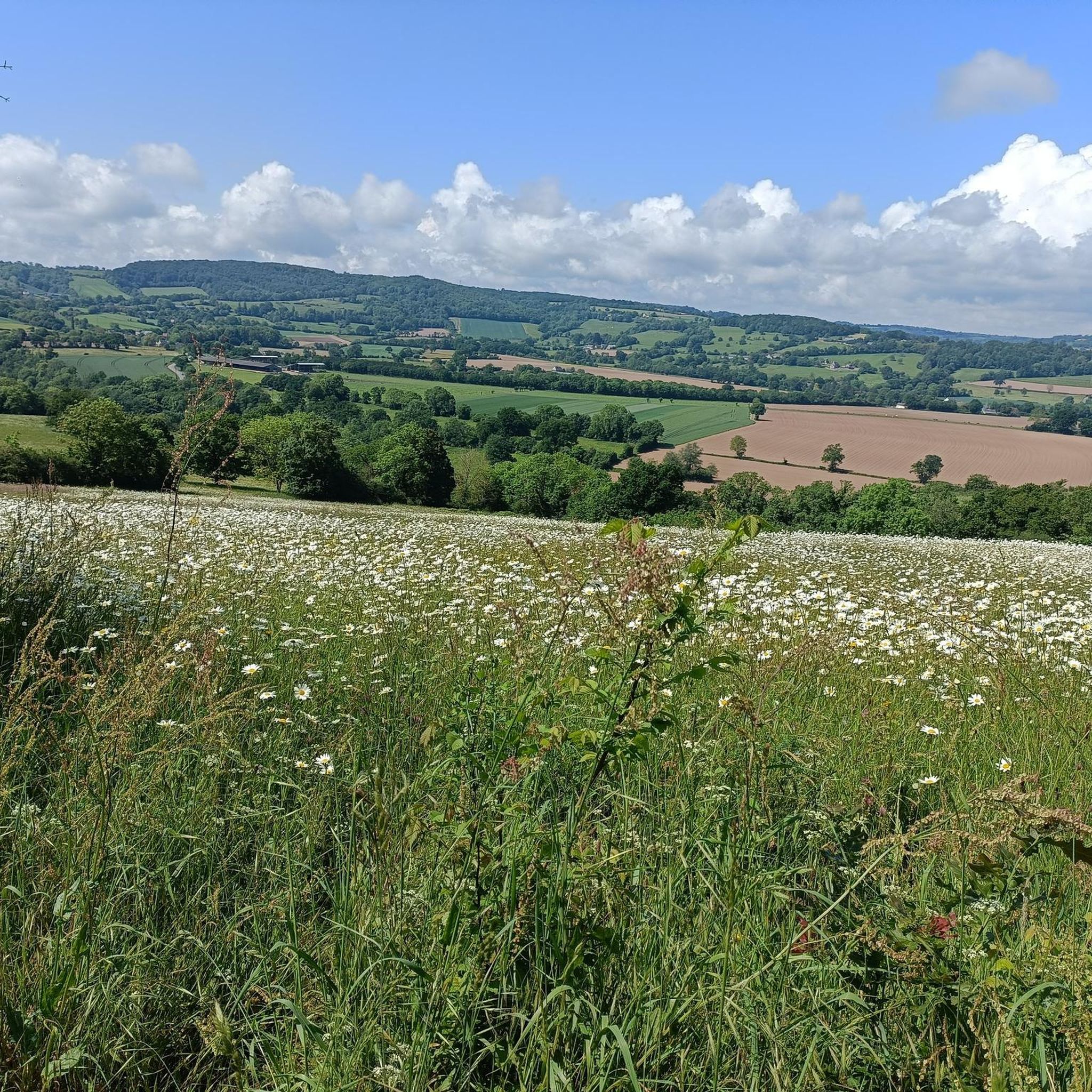
The region is set in the heart of Normandy's valleys, offering tranquil natural environments. The park of Château de la Pommeraye, covering 20 hectares, is a classified ornithological reserve. Château Ganne is situated in a green setting, perfect for walkers. The area is also known for its proximity to the Orne Valley, providing scenic views and opportunities for outdoor activities.
Are there hiking trails near the castles?
Yes, the region around La Pommeraye is excellent for hiking. You can find routes like the 'Suisse Normande Countryside – Château de la Pommeraye loop from La Pommeraye' which is a moderate 9.6 km hike. For more options, explore the Hiking around La Pommeraye guide.
What other outdoor activities are available near the castles?
Beyond hiking, the area offers various outdoor activities. You can find numerous mountain biking trails, including the 'Magnificent panorama over the Orne – Ridge trail for mountain bikes loop from La Cambronnerie'. Cycling routes are also popular, such as the 'Clécy Viaduct – Viaduc de Clécy loop from Le Bô'. For detailed routes, check the MTB Trails around La Pommeraye and Cycling around La Pommeraye guides.
What is the best time of year to visit the castles around La Pommeraye?
The region is beautiful throughout the warmer months, typically from spring to early autumn (April to October), when the weather is pleasant for exploring the castle grounds and engaging in outdoor activities. The extensive grounds and parks of castles like Château de la Pommeraye are particularly enjoyable during this period.
Can I stay overnight at any of the castles?
Yes, Château de la Pommeraye operates as a hotel, offering exceptional guest rooms, luxury cottages, and executive suites. This provides a unique opportunity for an immersive stay within a historic estate.
Are there cafes or accommodation options near the castles?
While specific cafes directly adjacent to all castle ruins are not detailed, the region offers various local establishments. As mentioned, Château de la Pommeraye itself provides accommodation and embraces gastronomy, offering a cultural experience for guests. The surrounding towns and villages will have options for dining and lodging.
What do visitors enjoy most about the castles in this region?
Visitors appreciate the blend of historical exploration and natural beauty. The ability to walk among the ruins of Château Ganne, the tranquil setting and ornithological reserve at Château de la Pommeraye, and the historical significance of sites like Château d'Harcourt are frequently highlighted. The region's peaceful environment and opportunities for outdoor activities also contribute to its appeal.
How long does it take to visit the castles near La Pommeraye?
The time required varies depending on the castle. For ruins like Château Ganne, you might spend 1-2 hours exploring. For larger estates like Château de la Pommeraye, especially if you're exploring its extensive grounds, you could easily spend half a day or more. If you plan to visit multiple castles, allocate a full day or spread your visits over several days to fully appreciate each site and its surroundings.
Most popular routes around La Pommeraye
Most popular attractions around La Pommeraye

Get inspired with the komoot mobile app


Explore more
Looking for the best castles somewhere else? Discover other guides around La Pommeraye:
