Attractions and Places To See around Saonnet - Top 20
Best attractions and places to see around Saonnet include a blend of historical sites and natural landscapes. This commune in Normandy, France, is situated within the Marais du Cotentin et du Bessin Regional Natural Park, offering a rich natural environment. Saonnet is also strategically located near significant historical attractions, particularly those related to the D-Day landings. The area features historical monuments such as the Château de Berné and a 12th-century church, alongside its natural features like the Tortonne River.
Best attractions and places to see around Saonnet
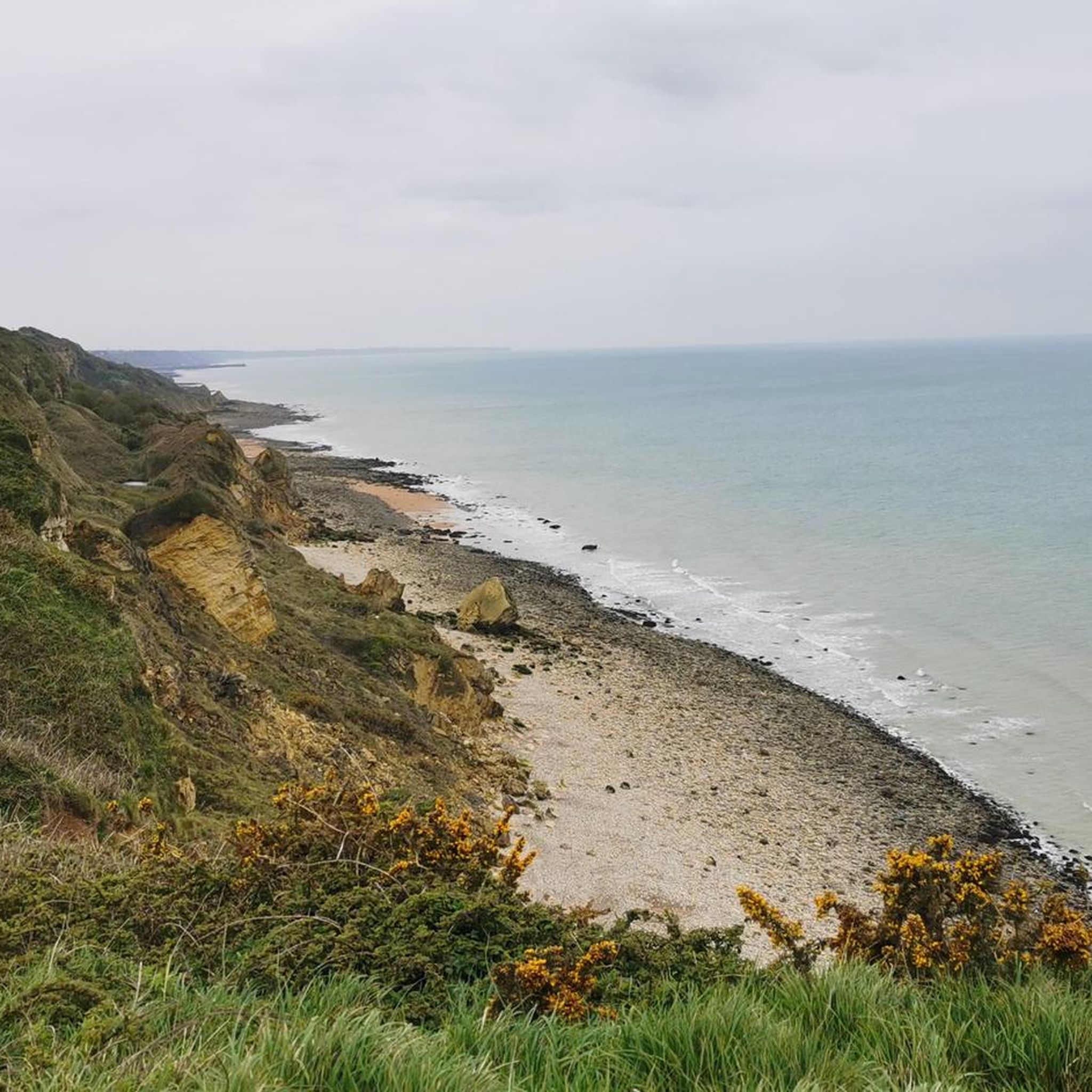
- The most popular attractions is Seine Bay, a lake that is located directly below the military cemetery. This area offers hiking possibilities and holds significant historical importance related to the events of 1944.
- Another must-see spot is 1st Infantry Division Memorial (The Big Red One), Colleville-sur-Mer, a man-made monument. This memorial honors the US Army's 1st Infantry Brigade, known as "The Big Red One," which played a pivotal role in the Allied landings on Omaha Beach in 1944.
- Visitors also love Omaha Beach, a beach that was one of the five major landing beaches during the Second World War. It is a historical site where US troops landed in June 1944 as part of Operation Overlord.
- Saonnet is known for its historical sites, natural features, and war memorials. The area offers a variety of attractions to see and explore, from ancient churches and châteaux to significant D-Day landing sites and natural parks.
- The attractions around Saonnet are appreciated by the komoot community, with 51 photos and 291 upvotes.
Last updated: June 22, 2026
Saint-Siméon Chapel (ruins), Omaha Beach
Highlight • Religious Site
Limestone building was built in the 13th or 14th century. It was rebuilt in the 19th century.
The chapel is mentioned in the book Pelut de Bayeux under the name
from “capella sancti simeones”.
The chapel was a place of pilgrimage until it was damaged during the landings in June 1944. Below, on the cliffside, the Saint-Siméon fountain has no longer been accessible since 1960. Until the Second World War, the faithful came to the chapel to implore Saint Simeon for healing from “fevers”: malaria called “trembling fever”, Malta fever, etc. The sick went to drink the water from the fountain, or even soaked their cloths in it. We also bathed rickety children there. The statue of Saint Simeon is preserved today.
in the church of Sainte-Honorine-des-Pertes and continues to be the object of practices
of pilgrimage.
Translated by Google •
Tip by

Seine Bay
Highlight • Lake
Translated by Google •
Tip by

Sign up now to discover places like this
Get recommendations on the best single tracks, peaks, & plenty of other exciting outdoor places.
Sign up for free
Monument to the 5th Engineer Special Brigade
Highlight • Other
Translated by Google •
Tip by

1st Infantry Division Memorial (The Big Red One), Colleville-sur-Mer
Highlight • Monument
The 1st Infantry Division played a central role in the Allied landings in Normandy at Omaha Beach.
The 1st Infantry Division fought its way up the beach under heavy fire, eventually securing strategic points to enable the Allied advance inland.
Showing Translation
Tip by
Omaha Beach
Highlight • Beach
Translated by Google •
Tip by

Sign up for free to discover even more attractions around Saonnet.
Sign up for free
Already have an account?
Start today with a free account
Your next adventure awaits.
Login or Signup



Tips from the Community

The memorial was erected in 1956 to honor the brave soldiers of the 1st U.S. Infantry Division, known as the "Big Red One," who fought in the Easy Red sector during the D-Day landings on June 6, 1944. The memorial consists of an obelisk-like pillar of gray granite surrounded by a circular bench. Engraved on the obelisk are the names of 627 fallen soldiers who fell between June 6 and July 24, 1944. It stands on the site of the former German resistance position WN62, one of the strongest defensive positions in the area.
1
0
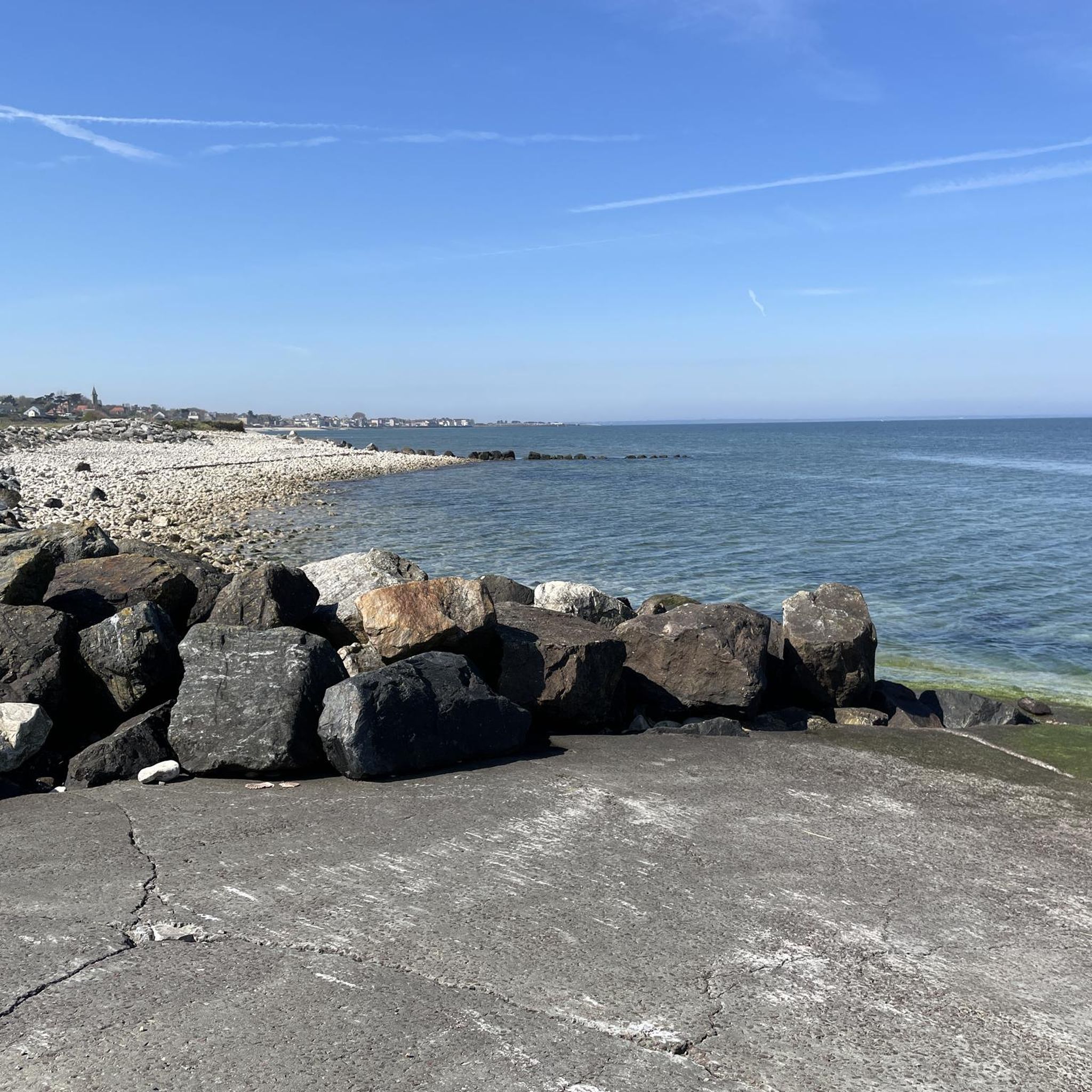
GPS coordinates: N 49° 21.616, W 0° 50.876 The monument of the 5th Engineer Special Brigade honors the US Combat Engineers who fought during the Normandy landings on June 6, 1944. It stands on the site of a former German strongpoint and consists of a concrete base with granite and bronze plaques, which specifically honor the subunits of the brigade – including the 299th Engineer Combat Battalion. The 5th Engineer Special Brigade was responsible for the Omaha Beach sector. Their main tasks included clearing mines and obstacles, creating lanes for vehicles, rescuing the wounded, and supporting the infantry during the landings. Despite heavy shelling, the brigade succeeded in securing the landing zones, thereby enabling the supply and movement of Allied troops. The monument commemorates their courage and sacrifices.
1
0

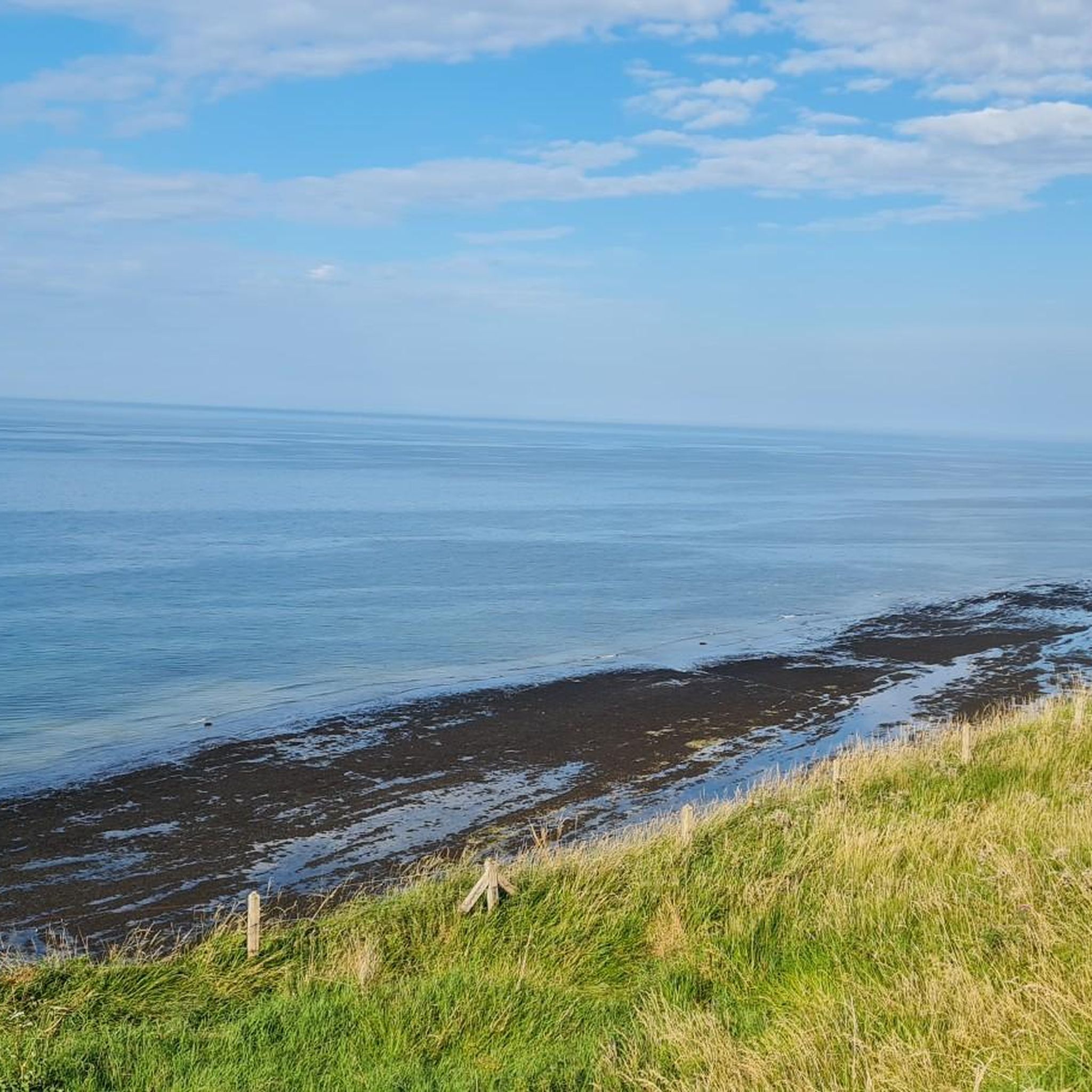
You also have a good view from here!
0
0

How many people lost their lives here. Here, history comes alive.
0
0
How many people lost their lives here. Here, history comes alive.
0
0

When you walk along the beach today... you are horrified to think that so many soldiers/people lost their lives here.
4
0
The 5th Engineer Special Brigade was a special unit of the U.S. Army that played a crucial role in the Normandy landings on D-Day, June 6, 1944. Their primary task was to remove beach obstacles and create paths for the following troops. Despite heavy losses, they managed to remove enough obstacles and build passable paths to allow American troops and equipment to land and leave the exposed beach.
5
0
The 1st Infantry Brigade, better known as the 1st Infantry Division or by its nickname "The Big Red One", is one of the oldest and most famous divisions of the US Army. The 1st Infantry Division played a central role in the Allied landings in Normandy at Omaha Beach. The 1st Infantry Division fought its way up the beach under heavy fire, eventually securing strategic points to enable the Allied advance inland.
6
0
Frequently Asked Questions
What historical sites can I visit around Saonnet?
The area around Saonnet is rich in history, particularly related to the D-Day landings. You can visit significant sites like Omaha Beach, one of the five major landing beaches. Other historical monuments include the 1st Infantry Division Memorial (The Big Red One) in Colleville-sur-Mer, and the Monument to the 5th Engineer Special Brigade. Within Saonnet itself, you'll find the historic Château de Berné, Château de la Mazinerie, and a 12th-century church.
Are there any D-Day related memorials or museums nearby?
Yes, Saonnet is very close to several D-Day related sites. Besides Omaha Beach and various memorials like the 1st Infantry Division Memorial, the Overlord Museum in Colleville-sur-Mer is approximately 8.9 km away and offers extensive exhibits on the D-Day landings and the Battle of Normandy.
What natural attractions can I explore near Saonnet?
Saonnet is situated within the Marais du Cotentin et du Bessin Regional Natural Park, offering a rich natural environment. You can visit Seine Bay, a beautiful lake directly below the military cemetery, which also offers hiking possibilities. The Tortonne River also traverses the commune, contributing to the local landscape.
Are there opportunities for hiking or walking around Saonnet?
Absolutely. The area provides various hiking opportunities, with trails ranging from easy to moderate difficulty. You can find routes like the 'Roman Bridge – Trévières, village center loop' or the 'Chemin des Gosnons loop'. For more detailed information and route options, explore the hiking guide for Saonnet.
Can I go cycling or gravel biking near Saonnet's attractions?
Yes, there are several cycling and gravel biking routes available. For road cycling, you might consider routes like the 'Voie de la Liberté' or the 'Omaha Beach – Gold Beach - Arromanches loop'. Gravel biking options include the 'Gravel Route 'Libération'' or the 'Port-en-Bessin – Port Panoramic Overlook loop'. You can find more routes and details in the cycling guide and gravel biking guide for Saonnet.
What is the best time to visit Saonnet for outdoor activities?
The best time to visit Saonnet for outdoor activities is generally during the spring (April to June) and early autumn (September to October). During these months, the weather is typically mild and pleasant, ideal for hiking, cycling, and exploring historical sites without the peak summer crowds.
Are there family-friendly attractions around Saonnet?
Many of the historical sites, such as Omaha Beach and the 1st Infantry Division Memorial, are suitable for families, offering educational experiences. The natural park setting also provides opportunities for walks and enjoying the outdoors together. Always check specific site details for any age recommendations.
Are there any dog-friendly places or walks in the Saonnet area?
The natural environment around Saonnet, including trails within the Marais du Cotentin et du Bessin Regional Natural Park, offers many opportunities for dog-friendly walks. While specific rules may vary by location, many outdoor paths and beaches (outside of peak season or designated areas) are generally welcoming to dogs on a leash. Always ensure to clean up after your pet.
What do visitors enjoy most about the attractions near Saonnet?
Visitors frequently express being deeply moved by the historical significance of sites like Seine Bay and Omaha Beach, often describing a 'goosebumps moment' when reflecting on the events of 1944. The scenic views, especially from places like the Saint-Siméon Chapel ruins, and the peaceful atmosphere of the natural landscapes are also highly appreciated.
What is the Saint-Siméon Chapel and its significance?
The Saint-Siméon Chapel, now in ruins near Omaha Beach, is a limestone building dating back to the 13th or 14th century. It was a significant pilgrimage site until it was damaged during the D-Day landings in June 1944. The statue of Saint Simeon is now preserved in the church of Sainte-Honorine-des-Pertes, continuing its legacy as an object of pilgrimage.
Are there any hidden gems or less-known spots worth visiting?
Beyond the major D-Day sites, the ruins of the Saint-Siméon Chapel offer a poignant and less-crowded historical experience with beautiful views. Exploring the smaller villages and the quiet paths within the Marais du Cotentin et du Bessin Regional Natural Park can also reveal charming, less-trafficked spots and local wildlife.
What kind of wildlife can I expect to see in the Saonnet area?
Given its location within the Marais du Cotentin et du Bessin Regional Natural Park, the Saonnet area is home to diverse wildlife. You might spot various bird species, including migratory birds, as well as small mammals in the marshlands and along the Tortonne River. The natural park is known for its rich biodiversity.
Most popular routes around Saonnet

Get inspired with the komoot mobile app


Explore more
Still not found the Highlight you’re looking for? See guides of the top attractions in other regions:
