The best running trails around Schönau
4.4
(312)
4,210
runners
492
runs
Jogging routes around Schönau traverse a landscape characterized by its flat terrain and proximity to waterways. The region offers running opportunities through riparian areas, open fields, and along dikes, with minimal elevation changes. This environment is ideal for runners seeking gentle paths and scenic views of the local flora and fauna.
Best jogging routes around Schönau
- The most popular jogging route is Taubergießen Stream – Start Taubergießen Run loop from Rheinhausen, a 3.9 miles (6.3 km) trail that takes…
Last updated: June 28, 2026
4.7
(3)
17
runners
Moderate run. Good fitness required. Mostly paved surfaces. Suitable for all skill levels.
5.0
(1)
12
runners
5.64km
00:36
10m
10m
Moderate run. Good fitness required. Mostly paved surfaces. Suitable for all skill levels.

Sign up for free
4
runners
4.86km
00:33
10m
10m
Easy run. Great for any fitness level. Mostly paved surfaces. Suitable for all skill levels.
4
runners
8.66km
00:55
10m
10m
Moderate run. Good fitness required. Mostly paved surfaces. Suitable for all skill levels.
3
runners
11.7km
01:18
10m
10m
Moderate run. Good fitness required. Mostly paved surfaces. Suitable for all skill levels.
Get access to more routes and recommendations from other explorers.
Sign up for free
Already have an account?
Our route recommendations are based on thousands of hikes, rides, and runs completed by other people on komoot.
Start today with a free account
Your next adventure awaits.
Login or Signup
Tips from the Community

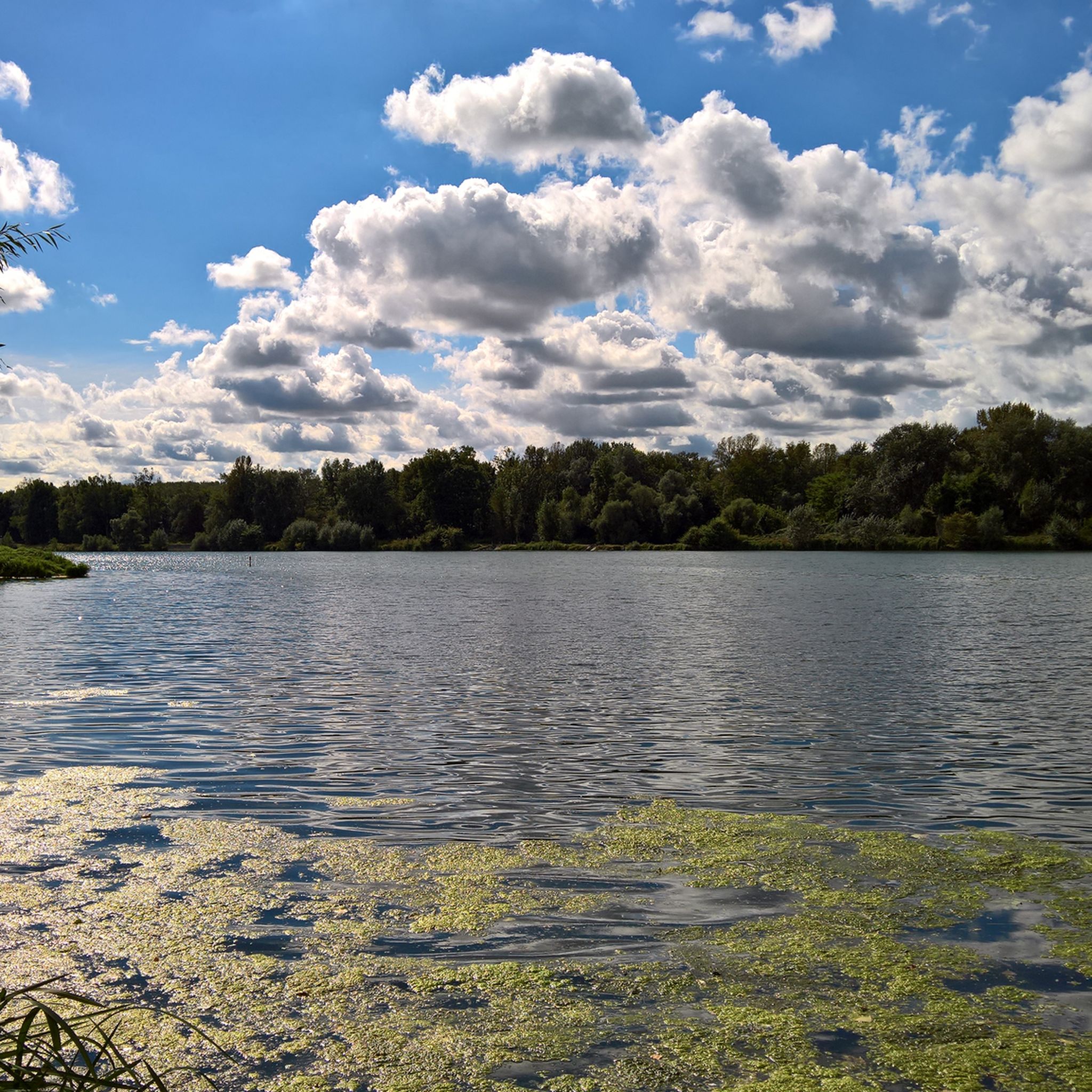
It's simply wonderful to sit here "on the beach" on sunny days 😉
0
0

The Rhine is 1,232 km long. It originates in the canton of Graubünden and flows into the North Sea in the Netherlands.
0
0

Take off your shoes and get ready for some fun… 🤪
0
0

Beautiful cycle path on the Rhine dam with the best view of the water and across to France.
1
0

When following the Leopold Canal on the dam, it may happen that you have to turn back shortly before reaching the canal mouth.
0
0

Tulla, the man who tamed the Rhine: https://youtu.be/geLoJQgfbIU Tulla, der Fuss Bau Meister: https://youtu.be/vqFS7lvYxQA The first works to rectify the Rhine (1817-1876): In the past, the Rhine floods were very devastating in this area. Floods were frequent and the bed of the Rhine was mobile, it moved laterally with the floods. These floods were linked to weather conditions. In 1812, the engineer Johann-Gottfried Tulla presented his first report on the correction of the Rhine. To do this, he wanted to unite all the arms of the Rhine into a single wide and deep bed. 25 loops of the river must then be drilled. The proposed route was very straight. To achieve its ambition, it will need the support and financing of the Grand Duchy of Baden. The ultimate goal of this project was to gain arable land and reduce the spread of the river. The Rhine correction projects aimed to enclose the Rhine in a fixed and rectilinear bed 200 to 250 meters wide. The objectives of Tulla were to protect the riverside villages from flooding, clean up the marshes, ensure better flood drainage, create a continuous towpath and recover new land for agriculture. The dams were designed to contain a thousand-year flood of around 6000 m3/s. The completion of the Tulla project came to fruition with the signing of the convention of April 5, 1814. The other engineers did not all agree with this project, and moreover, certain entire villages revolted for fear of losing their place of residence. fishing and others, for fear of crossing to the French side of the Rhine. For this, the army had to be engaged. But the work was finally carried out between 1817 and 1876. In 1825, JG. Tulla writes a new memoir on the rectification of the Rhine. He died in 1828, probably of malaria, and never saw the completion of the Rhine works. But thanks to him, the river became the first waterway in Europe. Its correction resulted in a reduction of 81 km in distance between Basel and Worms.
0
0

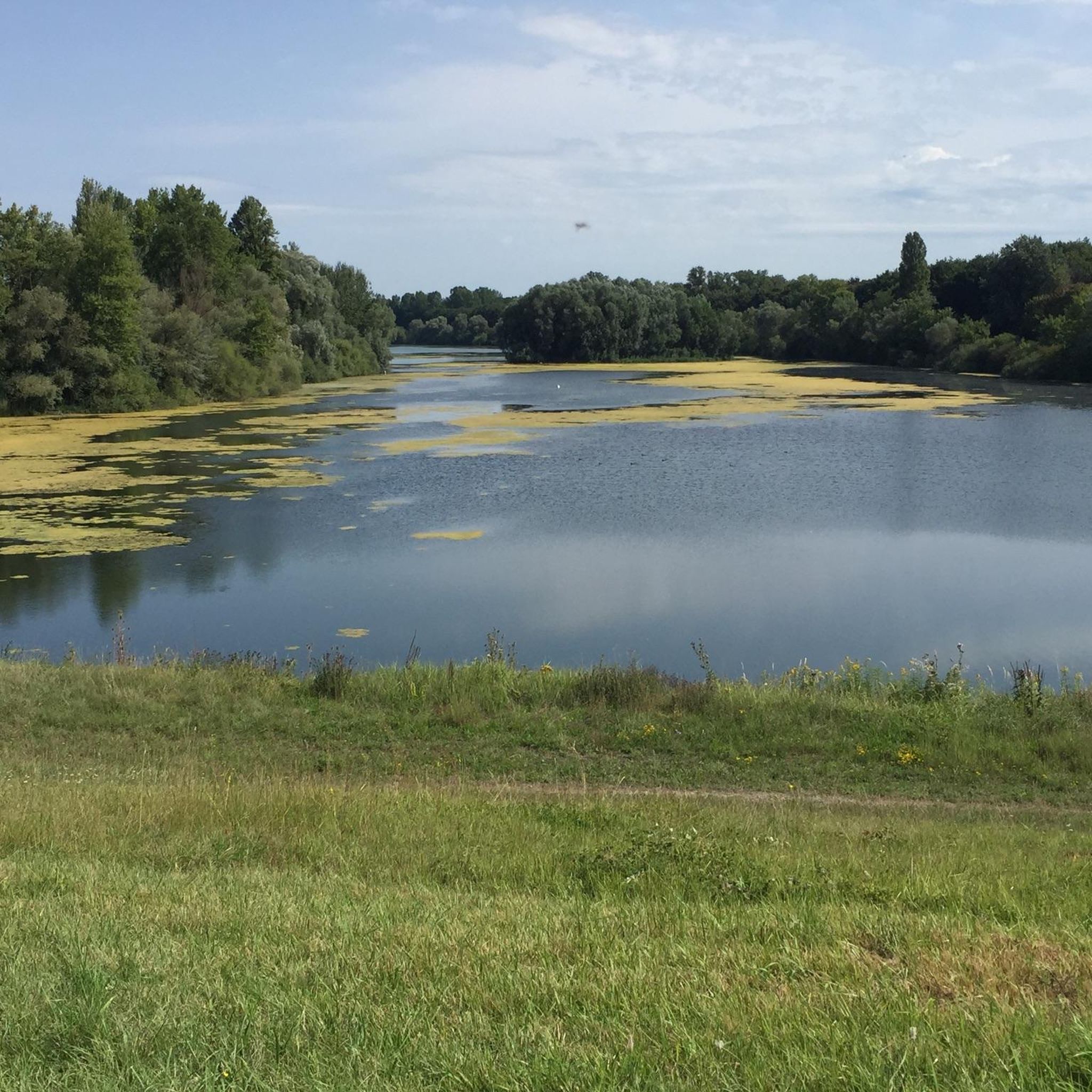
With around 1,682 hectares, Tauber Gießen, which was declared a nature reserve in 1979, is one of the largest protected areas in Baden-Württemberg. It is located in the southern Upper Rhine plain - between Freiburg and Offenburg, mainly in the districts of the communities of Kappel-Grafenhausen, Rust and Rheinhausen. The name "Taubergießen" comes from a watercourse in the north of the area. "Gießen" means watercourses fed by groundwater; Fishermen describe nutrient-poor waters with low fish stocks as "deaf".
3
0

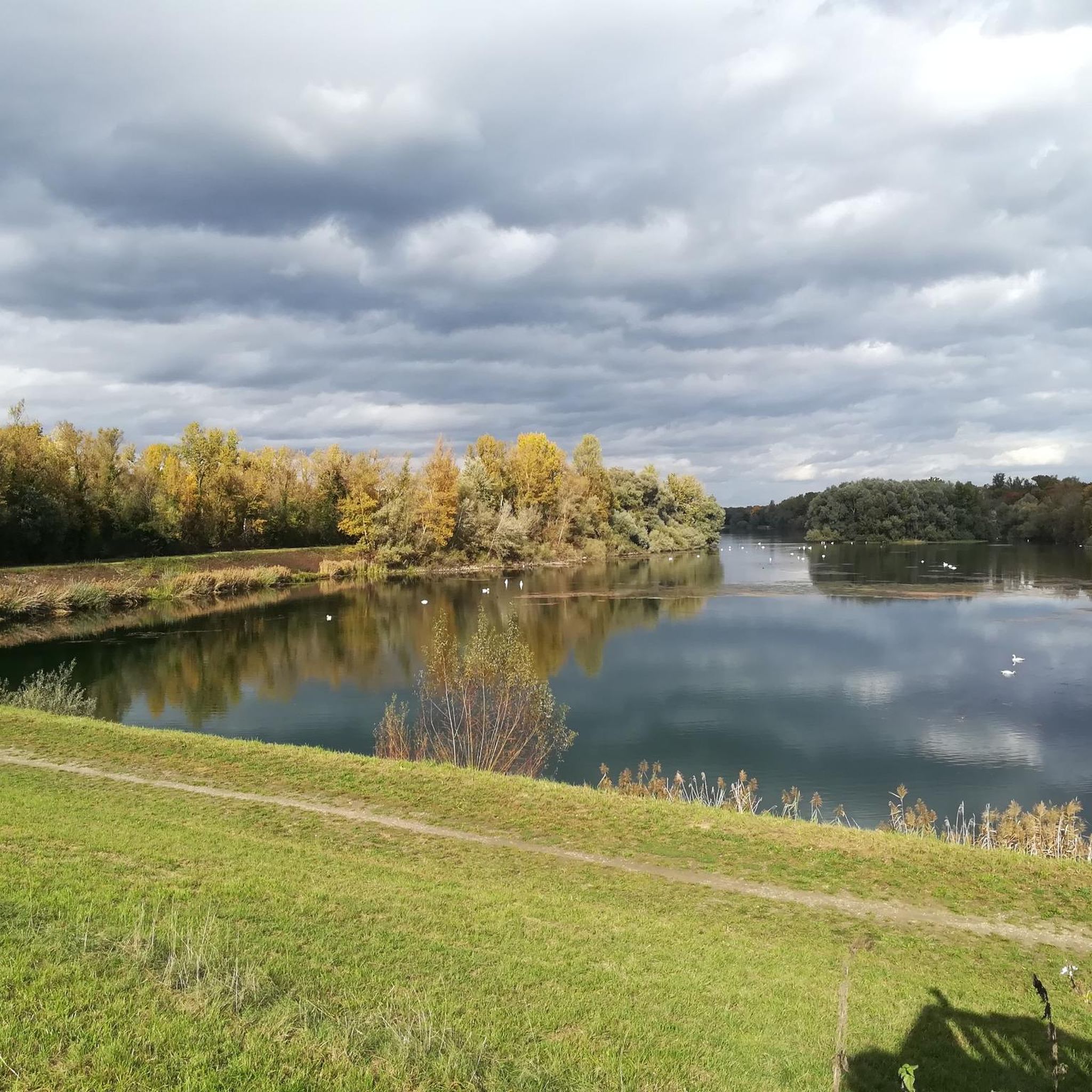
Pure nature, lots of animals and plants really beautiful here
4
0
Frequently Asked Questions
How many running routes are available around Schönau?
There are over 490 running routes available around Schönau, catering to various preferences and fitness levels. The komoot community has explored these trails over 3900 times.
What kind of terrain can I expect on jogging routes in Schönau?
Jogging routes around Schönau are primarily characterized by their flat terrain and proximity to waterways. You'll find paths through riparian areas, open fields, and along dikes, with minimal elevation changes. This environment is ideal for runners seeking gentle paths and scenic views of local flora and fauna, particularly in the wetland areas like the Taubergießen Floodplain.
Are there running routes suitable for beginners in Schönau?
Yes, Schönau offers a good selection of routes for beginners. There are 66 easy running routes available. An excellent option is the Tulla Dike loop from Schœnau, which is 3.0 miles (4.9 km) and rated as easy.
What do other runners say about the jogging routes in Schönau?
The running routes in Schönau are highly rated by the komoot community, with an average score of 4.4 stars from over 280 reviews. Runners often praise the scenic views of the Taubergießen Stream and the surrounding natural features, as well as the well-maintained paths through open landscapes.
Are there any circular running routes in Schönau?
Yes, many of the running routes in Schönau are circular, offering convenient start and end points. Popular options include the Taubergießen Stream – Start Taubergießen Run loop from Rheinhausen and the Swimming spot – Taubergießen Stream loop from Rheinhausen.
Can I bring my dog on the running trails in Schönau?
Generally, dogs are welcome on many trails in Schönau, especially those through open fields and along dikes. However, as some routes pass through nature reserves like the Taubergießen Floodplain or Elzwiesen Nature Reserve, it's advisable to keep dogs on a leash to protect local wildlife. Always check local signage for specific rules.
Are there any interesting natural features or landmarks to see along the running routes?
Absolutely! The running routes in Schönau offer opportunities to observe diverse wildlife and natural features. You might spot beavers, various bird species like kingfishers, and aquatic life in the wetlands. Notable natural attractions include the Taubergießen Floodplain and the Elzwiesen Nature Reserve. You can also see the Fish Ladder at the Taubergießen Weir.
What is the best season for jogging in Schönau?
Schönau's flat terrain and riparian environment make it suitable for jogging in various seasons. Spring and autumn offer pleasant temperatures and vibrant scenery. Summer is also good, but it's best to run in the mornings or evenings to avoid the midday heat. During winter, the landscape transforms, and you might spot unique bird species like cormorants or even the White-tailed Eagle.
Are there any longer running routes for experienced runners?
Yes, for those seeking longer distances, Schönau has routes that extend further into the surrounding landscape. The Running loop from Saasenheim is a moderate 7.3 miles (11.7 km) trail, offering a good challenge for experienced runners.
Are there any places to stop for refreshments or accommodation near the running trails?
While the guide focuses on the routes themselves, the region around Schönau, particularly near the Danube Floodplains, has various villages and towns that offer cafes, pubs, and accommodation options. You might find places to stop in nearby communities after your run. For specific shelters or viewpoints, consider visiting the Riverside Shelter in Taubergießen or Arnos Hütte Viewpoint.
Are there any permits required for jogging in the nature reserves around Schönau?
Generally, no specific permits are required for jogging on designated trails within the nature reserves around Schönau, such as the Taubergießen Floodplain. However, it's crucial to stay on marked paths, respect wildlife, and adhere to any posted regulations, especially concerning dogs or protected areas.
Are the running routes in Schönau suitable for families with strollers?
Given the flat terrain and wide paths along dikes and through open fields, many of Schönau's running routes could be suitable for families with strollers. Routes like the Tulla Dike loop from Schœnau, which is rated as easy, are likely to have surfaces that accommodate strollers, though specific conditions can vary.
Most popular attractions around Schönau

Get inspired with the komoot mobile app


Explore more
Browse the best Running Trails & Routes in other regions.
