The best walks and hikes around Barbing
4.6
(74)
402
hikers
52
hikes
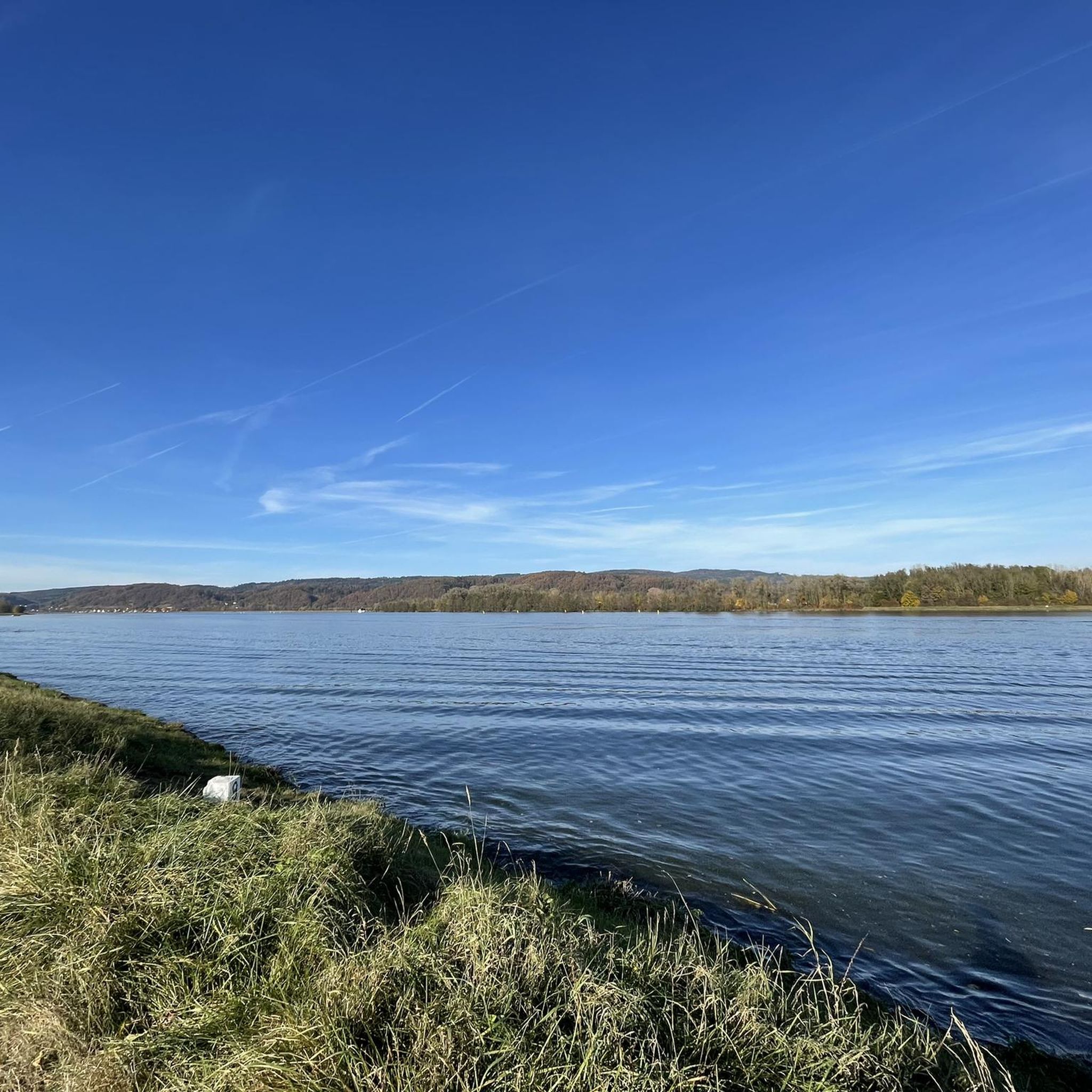
Hiking around Barbing, a municipality in Bavaria, Germany, offers routes primarily characterized by low elevation changes along the Danube River. The landscape features river plains, local forests, and agricultural areas typical of the Regensburg district. While not known for dramatic mountain terrain, the region provides accessible paths for walking and exploring the local environment.
Best hiking trails around Barbing
- The most popular hiking route is View of the Danube – Europasäule (Barbing) loop from Walhalla, a 6.5 miles (10.5…
Last updated: September 30, 2026
4.5
(10)
37
hikers
10.5km
02:39
20m
20m
Moderate hike. Good fitness required. Easily-accessible paths. Suitable for all skill levels.
4.6
(8)
26
hikers
9.88km
02:30
20m
20m
Moderate hike. Good fitness required. Easily-accessible paths. Suitable for all skill levels.

4.9
(10)
34
hikers
5.81km
01:28
10m
10m
Easy hike. Great for any fitness level. Easily-accessible paths. Suitable for all skill levels.
3.7
(3)
19
hikers
8.38km
02:07
10m
20m
Moderate hike. Good fitness required. Easily-accessible paths. Suitable for all skill levels.
Easy hike. Great for any fitness level. Easily-accessible paths. Suitable for all skill levels.
Get access to more routes and recommendations from other explorers.
Already have an account?
Our route recommendations are based on thousands of hikes, rides, and runs completed by other people on komoot.
Start today with a free account
Your next adventure awaits.
Tips from the Community

unfortunately you couldn't swim too many algae
0
0

The Walhalla is a memorial located on Bräuberg hill in the Bavarian town of Donaustauf. It was built between 1830 and 1842 by King Ludwig I of Bavaria and designed by the architect Leo von Klenze. Ancient temple architecture served as the design model for this neoclassical monument, which is dedicated to important figures of German origin. The idea for the construction of the Walhalla, named after Valhalla, the resting place of the fallen in Norse mythology, must be seen against the backdrop of the political situation at the beginning of the 19th century. Following defeats against Napoleon, the Holy Roman Empire collapsed. Many German princes, either out of necessity or by choice, cooperated with the French in the Confederation of the Rhine. The Electorate of Bavaria had been allied with France since 1805, was elevated to a kingdom by Napoleon, and during the War of the Fourth Coalition in 1806/1807, Crown Prince Ludwig I marched into Berlin alongside the French, fighting against Prussia. The political weakening of the German-speaking states, the French occupation, and the participation of many Germans in Napoleon's disastrous Russian campaign of 1812 were perceived as profound humiliations. There was a growing search for a positive, shared national identity rooted in the past, one centered on a postulated common mother tongue, with the Germans and the Germanic peoples of the Migration Period being largely equated. The erection of national monuments decades later, such as the Hermann Monument in the Teutoburg Forest, which, while mostly in the Neoclassical style, incorporated Germanic themes, is a result of this search for identity. In light of what was considered "Germany's deepest disgrace" in 1806, when the Holy Roman Empire was dissolved, much of what would later become Germany was under Napoleon's direct influence as part of the Confederation of the Rhine, and the left bank of the Rhine belonged to France, Crown Prince Ludwig commissioned a series of busts of "distinguished Germans" as early as 1807. "No social class, not even women, is excluded. Equality reigns in Valhalla; for death abolishes all earthly distinctions." ... Source: https://de.wikipedia.org/wiki/Walhalla
1
1
The Walhalla is a memorial located on Bräuberg hill in the Bavarian town of Donaustauf. It was built between 1830 and 1842 by King Ludwig I of Bavaria and designed by the architect Leo von Klenze. Ancient temple architecture served as the design model for this neoclassical monument, which is dedicated to important figures of German origin. The idea for the construction of the Walhalla, named after Valhalla, the resting place of the fallen in Norse mythology, must be seen against the backdrop of the political situation at the beginning of the 19th century. Following defeats against Napoleon, the Holy Roman Empire collapsed. Many German princes, either out of necessity or by choice, cooperated with the French in the Confederation of the Rhine. The Electorate of Bavaria had been allied with France since 1805, was elevated to a kingdom by Napoleon, and during the War of the Fourth Coalition in 1806/1807, Crown Prince Ludwig I marched into Berlin alongside the French, fighting against Prussia. The political weakening of the German-speaking states, the French occupation, and the participation of many Germans in Napoleon's disastrous Russian campaign of 1812 were perceived as profound humiliations. There was a growing search for a positive, shared national identity rooted in the past, one centered on a postulated common mother tongue, with the Germans and the Germanic peoples of the Migration Period being largely equated. The erection of national monuments decades later, such as the Hermann Monument in the Teutoburg Forest, which, while mostly in the Neoclassical style, incorporated Germanic themes, is a result of this search for identity. In light of what was considered "Germany's deepest disgrace" in 1806, when the Holy Roman Empire was dissolved, much of what would later become Germany was under Napoleon's direct influence as part of the Confederation of the Rhine, and the left bank of the Rhine belonged to France, Crown Prince Ludwig commissioned a series of busts of "distinguished Germans" as early as 1807. "No social class, not even women, is excluded. Equality reigns in Valhalla; for death abolishes all earthly distinctions." ... Source: https://de.wikipedia.org/wiki/Walhalla
1
0

Very beautiful lake, very well maintained, partly with sandy beach
2
0

Right next to the column there is a comfortable rotating lounger that can be aligned with the sun, for example.
1
0

The sentiments of this house should be enjoyed briefly.
7
1
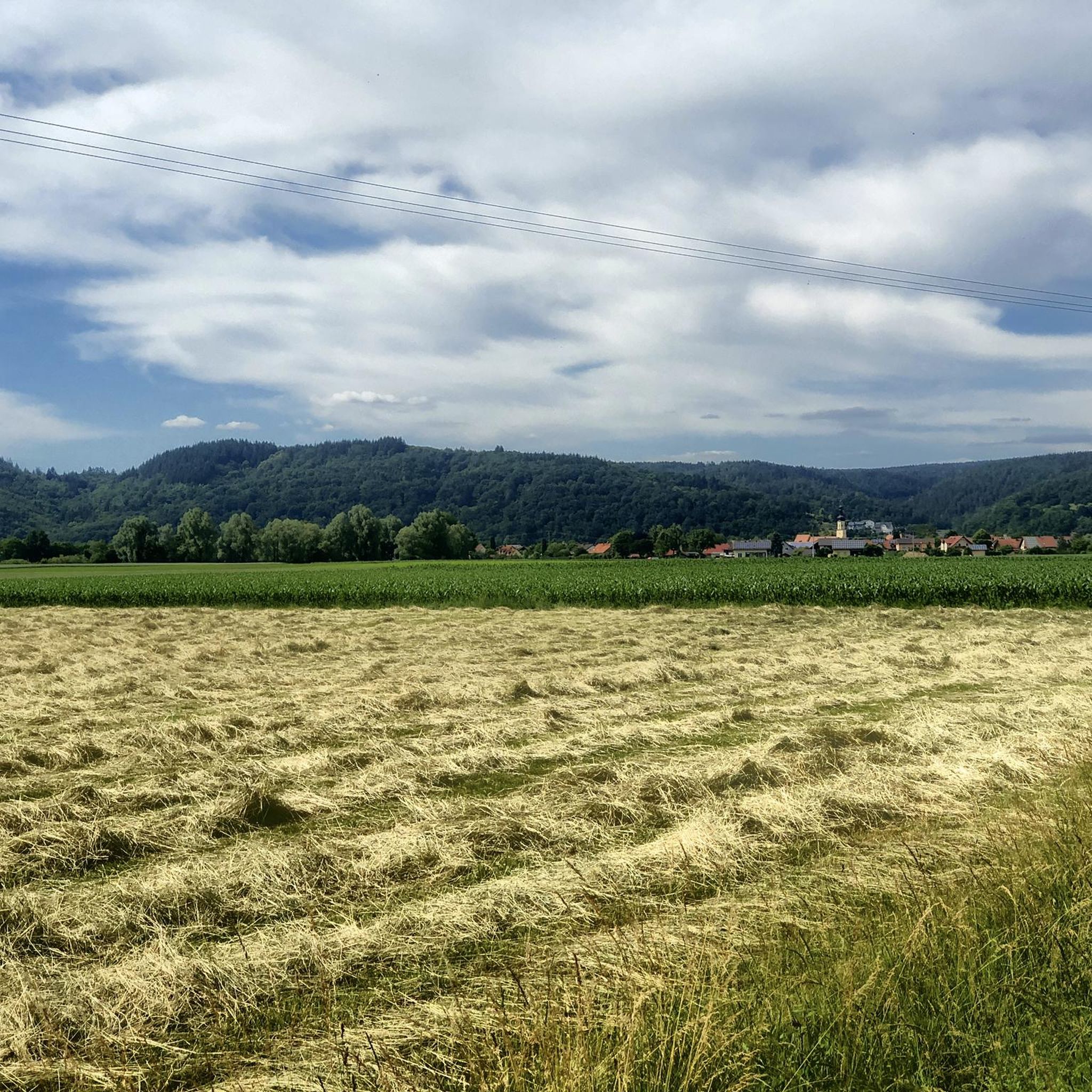
Beautiful field cross between Barbing and the Danube.
7
1
Frequently Asked Questions
What kind of hiking trails can I expect around Barbing?
Hiking trails around Barbing are generally characterized by low elevation changes, following the Danube River, and passing through river plains, local forests, and agricultural areas. The routes are accessible and suitable for exploring the local environment.
How many hiking routes are available in the Barbing area?
There are over 50 hiking routes available around Barbing, offering a variety of options for different preferences and skill levels.
Are there easy hiking trails suitable for beginners or casual walkers?
Yes, a significant number of trails in Barbing are considered easy. Out of the over 50 routes, 38 are classified as easy, making them ideal for beginners or those looking for a relaxed walk. An example is the Barbing House Sayings – Barbing loop from Neutraubling, which is 4.0 miles (6.4 km) long.
What do other hikers say about the trails in Barbing?
The hiking routes in Barbing are highly rated by the komoot community, with an average score of 4.6 stars from over 90 reviews. Hikers often appreciate the accessible paths and the peaceful scenery along the Danube River and through local forests.
Are there any circular hiking routes around Barbing?
Yes, many of the trails around Barbing are designed as circular routes, allowing you to start and end at the same point. An example is the View of the Danube – Europasäule (Barbing) loop from Walhalla.
Can I find trails that offer views of the Danube River or other landmarks?
Absolutely. Many routes in the area provide scenic views of the Danube River. For example, the View of Walhalla – View of the Danube loop from Sarching offers both river views and glimpses of the Walhalla memorial.
Are there any historical castles or ruins to explore near the hiking trails?
Yes, the region around Barbing features several historical castles and ruins. You can explore sites like the Ruins of Donaustauf Castle or Wörth an der Donau Castle, which are part of the broader historical landscape near Barbing.
Are there any specific attractions or points of interest along the hiking routes?
Some routes pass by notable points of interest. For instance, the View of Walhalla – Sarchinger Weiher loop from Friesheim offers views of Walhalla and takes you past Sarchinger Weiher.
What is the typical duration for a hike in Barbing?
Hikes in Barbing vary in length and duration. Easy trails like the Barbing House Sayings – Barbing loop from Neutraubling can be completed in about 1 hour 36 minutes, while moderate routes such as the View of the Danube – Europasäule (Barbing) loop from Walhalla typically take around 2 hours 39 minutes.
Are there any challenging hikes for experienced hikers in Barbing?
The hiking trails in Barbing are primarily easy to moderate, characterized by low elevation changes. There are no routes classified as difficult in the immediate area, making it more suitable for relaxed walks and moderate excursions rather than strenuous climbs.
Can I find trails that are suitable for families with children?
Given the prevalence of easy and moderate trails with low elevation changes, many routes around Barbing are suitable for families. The paths along the Danube River and through local forests offer accessible options for walks with children.
Most popular attractions around Barbing

Get inspired with the komoot mobile app


Explore more
Browse the best Hikes in other regions.
