Top 20 Natural Monuments around Mas-Saint-Chély
Best natural monuments around Mas-Saint-Chély are situated within the Lozère department, offering access to the Gorges du Tarn and the Cévennes National Park. This region is characterized by its geological formations, diverse ecosystems, and varied landscapes. The area provides opportunities for exploring deep valleys, plateaus, and high peaks. It is recognized for its blend of natural features and cultural heritage.
Best natural monuments around Mas-Saint-Chély
- The most popular natural monuments is Arcs de Saint-Pierre, a natural monument where erosion…
Last updated: June 26, 2026
Notre-Dame de Cénaret Chapel
Highlight • Religious Site
Very beautiful buildings ranging from medieval times to the …
Translated by Google •
Tip by

Arcs de Saint-Pierre
Highlight • Natural Monument
Between …
Translated by Google •
Tip by

Sign up now to discover places like this
Get recommendations on the best single tracks, peaks, & plenty of other exciting outdoor places.
Sign up for free
Le Point Sublime
Highlight • Viewpoint
Translated by Google •
Tip by

Aven Armand
Highlight • Cave
Indeed, the Aven Armand is an underground spectacle! Cave among caves, it …
Translated by Google •
Tip by
Dolmen at Col de la Pierre Plate
Highlight • Mountain Pass
His chamber, covered by a large slab and open towards the east, is three …
Translated by Google •
Tip by
Sign up for free to discover even more natural monuments around Mas-Saint-Chély.
Sign up for free
Already have an account?
Start today with a free account
Your next adventure awaits.
Login or Signup
Popular around Mas-Saint-Chély
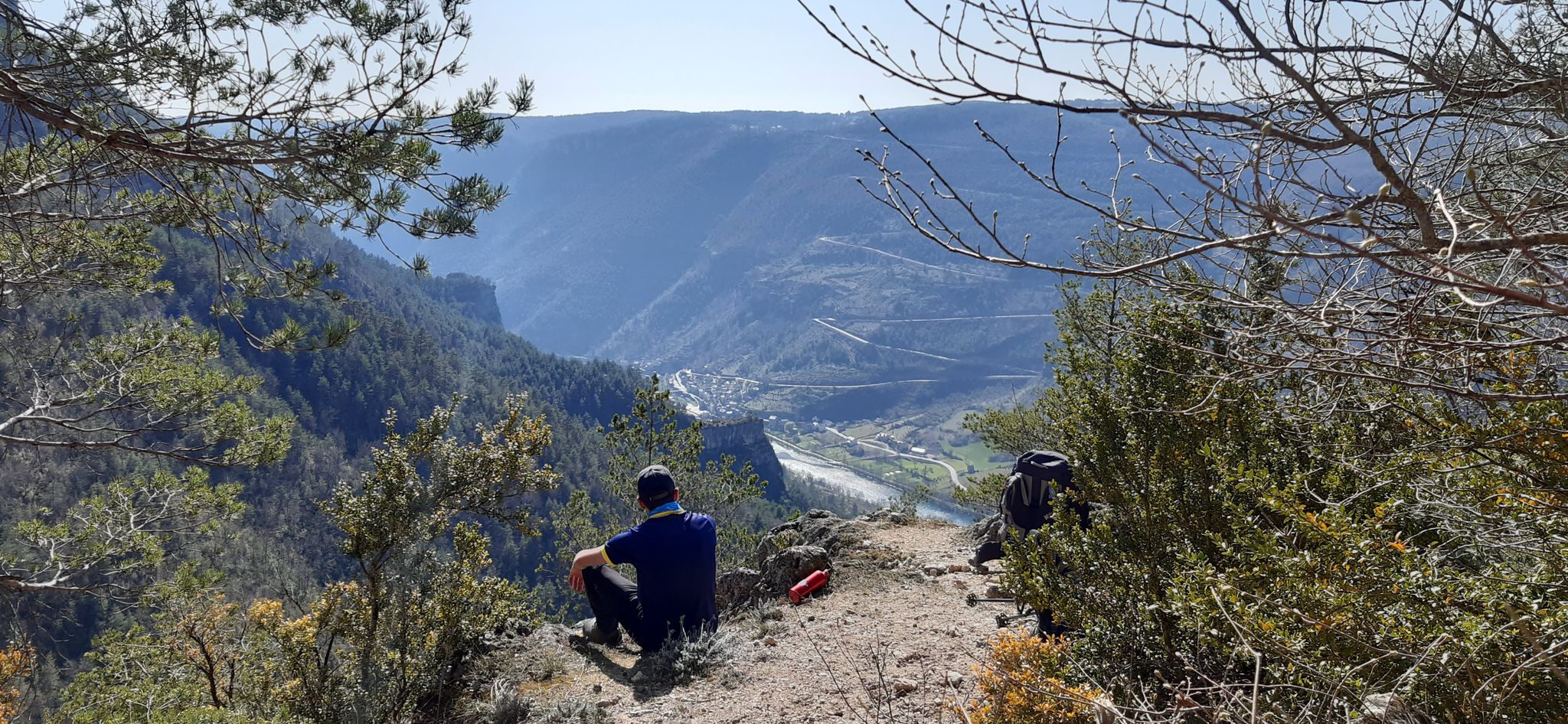
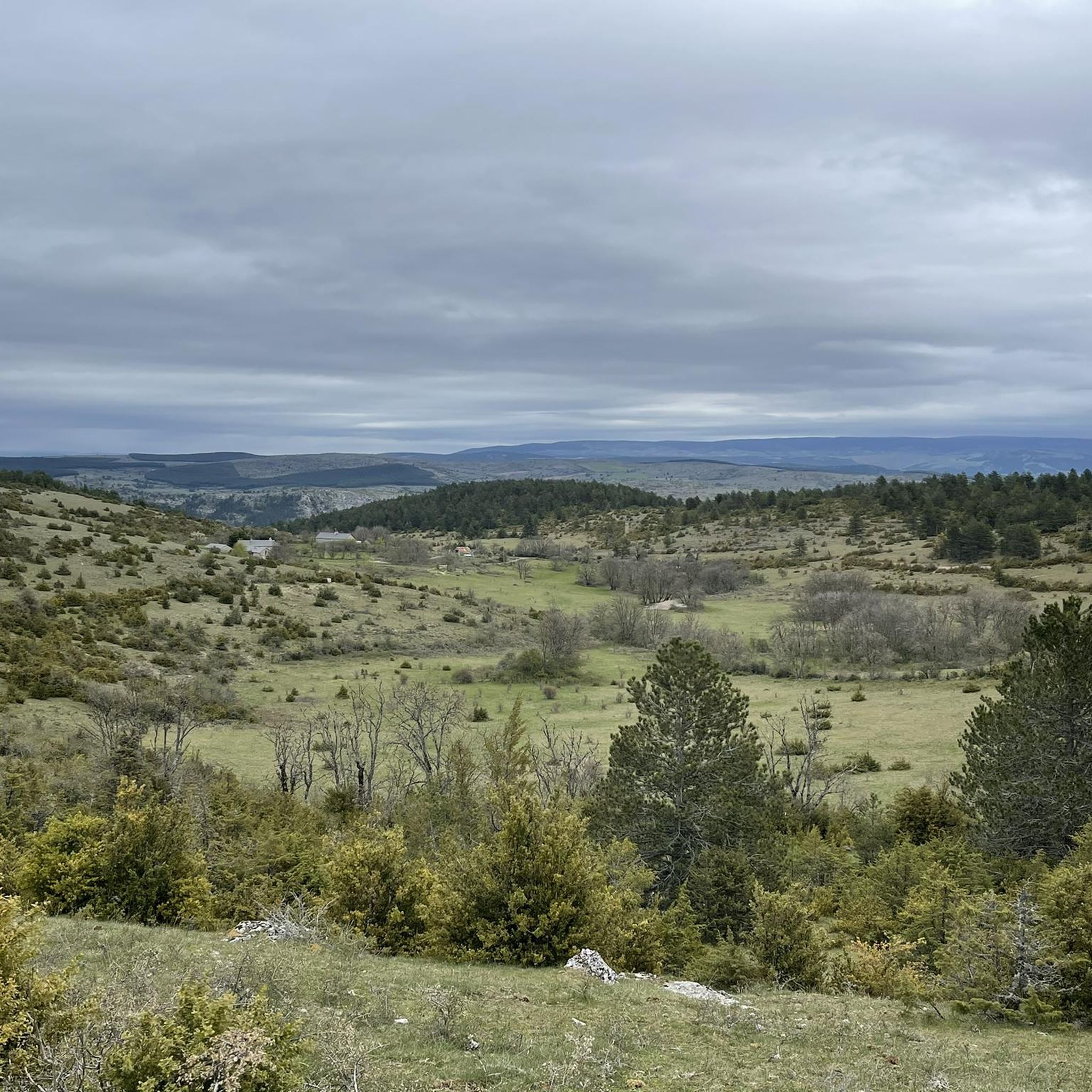
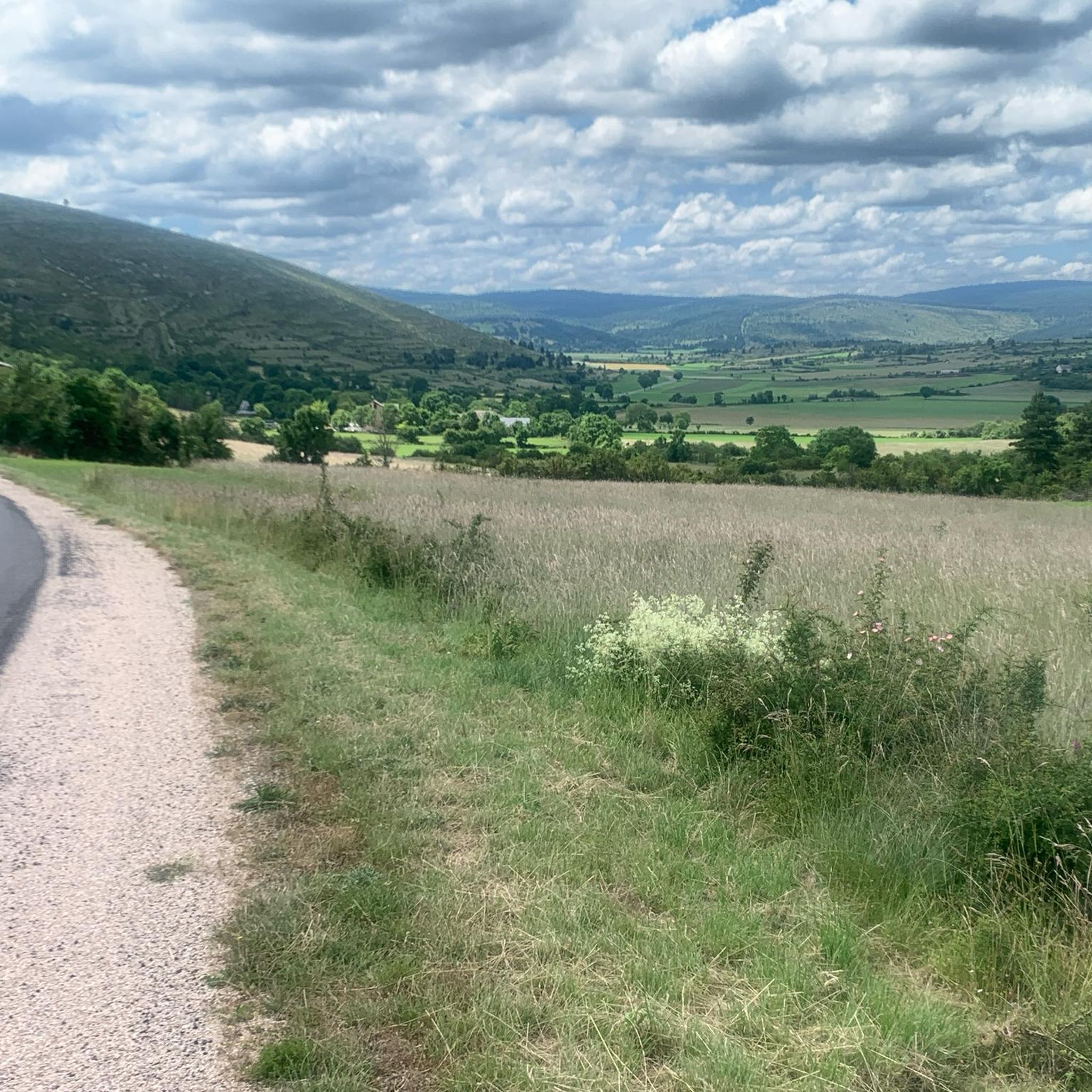

Other adventures around Mas-Saint-Chély

Tips from the Community


Titled "France's Wild South," an episode of the British television series "National Parks - Protected Natural Wonders" on 3sat introduces the Cévennes. The accompanying text on the website states: "Lush green mountains, barren plateaus, and deep gorges characterize this landscape, which, unlike France's coasts, has not yet been discovered by mass tourism. Yet, it is home to arguably the most spectacular river landscapes in the country." The worthwhile film in German is available in the media library at the following link =>> https://www.3sat.de/dokumentation/nationalparks-geschuetzte-naturwunder/nationalparks-geschuetzte-naturwunder-cevennen-frankreichs-wilder-sueden-102.html
0
0

lives up to its name, go there without hesitation
0
0

old mill, magnificent to see it is used to display local and artisanal products
0
0

Nestled under a rock wall at the bottom of the village of Saint-Chély du Tarn, the Notre-Dame de Cénaret chapel, dating from the 12th century, sits near a spring leading to an underground lake. It's definitely worth the detour!
0
0

This Marian shrine, dedicated to the Mother of God under the customary title "Notre Dame" (Our Lady), crouches – at least so it seems – almost protectively under the ledge.
0
0

Small but fine rock chapel, which is not at all expected in the place
1
0
Frequently Asked Questions
What are some of the most impressive natural monuments to visit around Mas-Saint-Chély?
The region offers a variety of spectacular natural monuments. The Gorges du Tarn are a must-see, often compared to the Grand Canyon for their scale and dramatic limestone cliffs. Another highlight is the Arcs de Saint-Pierre, where erosion has carved majestic arches in the limestone. For an underground spectacle, Aven Armand features a vast hall with over 400 stalagmites, including one that is 30 meters tall.
What unique geological features can I explore near Mas-Saint-Chély?
Beyond the impressive Gorges du Tarn with their deep canyons, you can discover the Arcs de Saint-Pierre, which are natural limestone arches formed by erosion. The Aven Armand cave offers a unique underground landscape with a 'forest' of stalagmites. Additionally, the region is part of the Cévennes National Park, known for its diverse geological formations, from high peaks to deep valleys.
Are there any historical or ancient sites among the natural monuments?
Yes, the area blends natural beauty with ancient history. The Dolmen at Col de la Pierre Plate is a well-preserved megalithic structure dating back thousands of years. The Arcs de Saint-Pierre are near a cave-burial site with evidence of audacious trepanations from 3,500 years ago. You can also visit the Notre-Dame de Cénaret Chapel, a 12th-century Romanesque building constructed at the entrance to a cave.
What are the best viewpoints for seeing the Gorges du Tarn?
One of the most iconic viewpoints is Le Point Sublime, offering breathtaking panoramic vistas of the Gorges du Tarn, with the Tarn River flowing 400 meters below. It provides extensive views of the Causse Méjean and is often compared to the Grand Canyon for its dramatic scenery.
Are there family-friendly natural monuments around Mas-Saint-Chély?
Many natural monuments are suitable for families. Le Point Sublime offers stunning views that can be enjoyed by all ages. The picturesque village of Sainte-Enimie, nestled within the Gorges du Tarn, is perfect for leisurely strolls. The Aven Armand cave, with its impressive stalagmites, can be a fascinating experience for children.
What outdoor activities can I do near these natural monuments?
The region is excellent for outdoor enthusiasts. You can enjoy canoeing, kayaking, and paddleboarding on the Tarn River within the Gorges. Hiking is popular, with numerous trails along the rim and within the gorges, as well as throughout the Cévennes National Park. For cycling, there are various routes, including cycling trails around Mas-Saint-Chély, MTB trails, and gravel biking routes.
What is the best time to visit the natural monuments around Mas-Saint-Chély?
The best time to visit is generally from spring to autumn (April to October) when the weather is pleasant for outdoor activities like hiking and water sports. Summer offers warm temperatures ideal for swimming in the Tarn River, while spring and autumn provide milder conditions and beautiful scenery, often with fewer crowds. Some attractions, like Aven Armand, are open during high season.
Are there opportunities for wild swimming near the natural monuments?
Yes, the Gorges du Tarn offer several spots for refreshing wild swimming. The natural waterfalls near the Notre-Dame de Cénaret Chapel in Saint-Chély-du-Tarn are popular with bathers and canoeists, providing a unique and enchanting setting for a dip.
What do visitors enjoy most about the natural monuments in this region?
Visitors frequently praise the breathtaking panoramic views, especially from spots like Le Point Sublime. The unique geological formations, such as the arches at Arcs de Saint-Pierre and the underground wonders of Aven Armand, are also highly appreciated. The combination of natural beauty with historical sites and the opportunity for various outdoor activities makes the region particularly appealing.
Can I find ancient megalithic sites near Mas-Saint-Chély?
Absolutely. The Dolmen at Col de la Pierre Plate is one of the best-preserved megalithic structures on the Causse Méjean plateau. Additionally, the Cham des Bondons, a granite plateau about 9 miles from Florac, is home to over 150 menhirs, making it the second-largest concentration of megaliths in Europe, offering a fascinating glimpse into prehistoric cultures.
What is the Cévennes National Park like, and how close is it?
Mas-Saint-Chély is situated within the broader area of the Cévennes National Park, a UNESCO Man and the Biosphere Programme site. The park is known for its exceptional variety of landscapes, from the high peaks of Mont Lozère to deep valleys and plateaus, and is a sanctuary for diverse wildlife and plant species. It's a vast exploration site for hikers, offering a unique blend of nature and cultural heritage.
Is it possible to see the source of the Tarn River?
Yes, the Tarn River has its source on the southern slopes of Mont Lozère. As part of the Cévennes National Park, Mont Lozère is a significant natural feature and the highest point in the department. Visiting Mont Lozère offers the chance to witness the source of this mighty river amidst breathtaking panoramas.
Most popular routes around Mas-Saint-Chély
Most popular attractions around Mas-Saint-Chély

Get inspired with the komoot mobile app


Explore more
Extend your search for the best caves by checking out these guides of the top ones around Mas-Saint-Chély:
