Attractions and Places To See around Landrethun-Lès-Ardres - Top 20
Attractions and places to see around Landrethun-Lès-Ardres, a commune in the Pas-de-Calais department of France, offer a combination of historical sites, cultural experiences, and access to natural landscapes. The region provides a gateway to various points of interest, including significant natural features and historical landmarks. Visitors can explore religious buildings, war memorials, and scenic viewpoints within and near the village.
Best attractions and places to see around Landrethun-Lès-Ardres
- The most popular attractions is Saint-Louis Chapel of Guémy, a religious building and historical site. Built in the late 15th century on Mont Saint-Louis, it is listed as a historic monument and offers panoramic views of the surroundings.
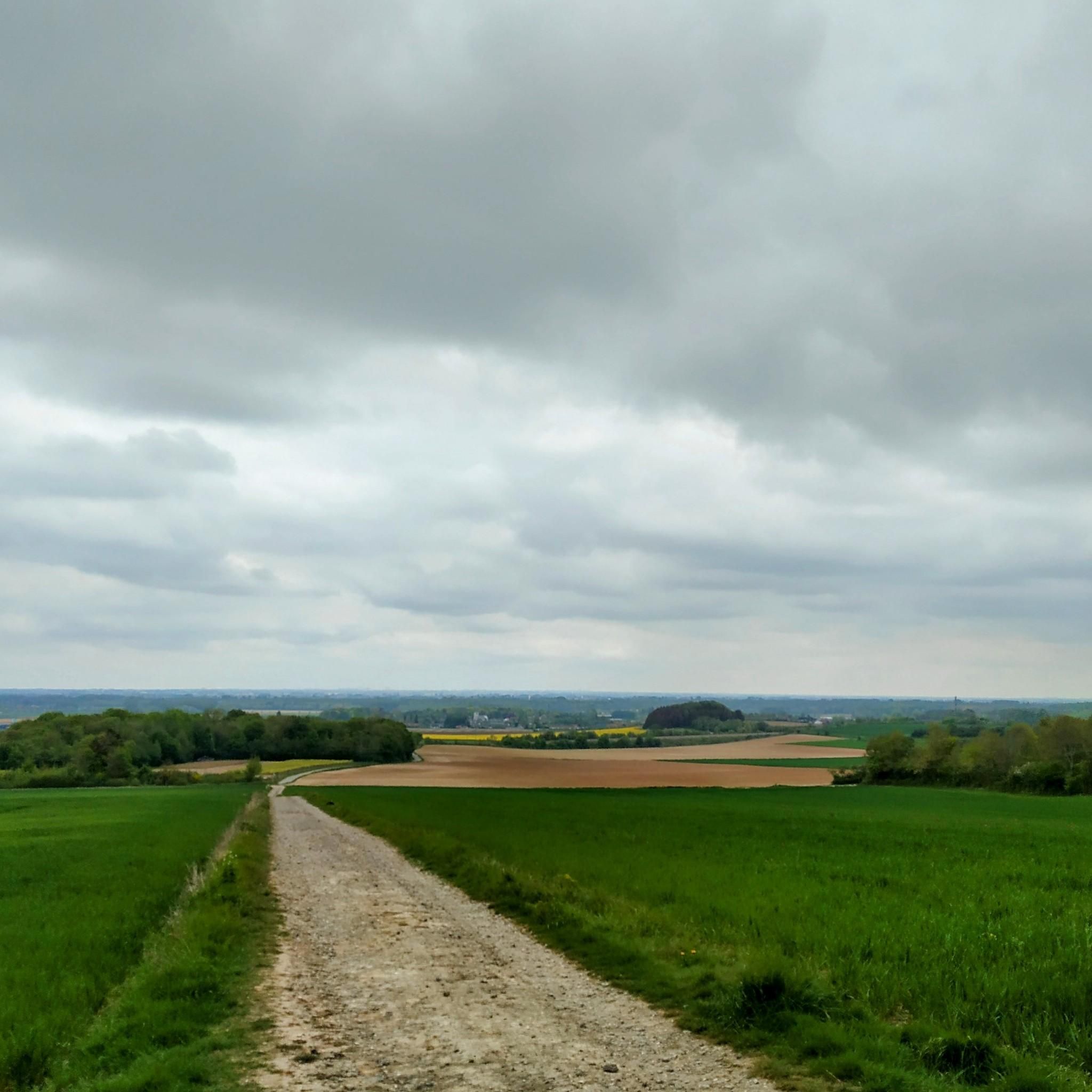
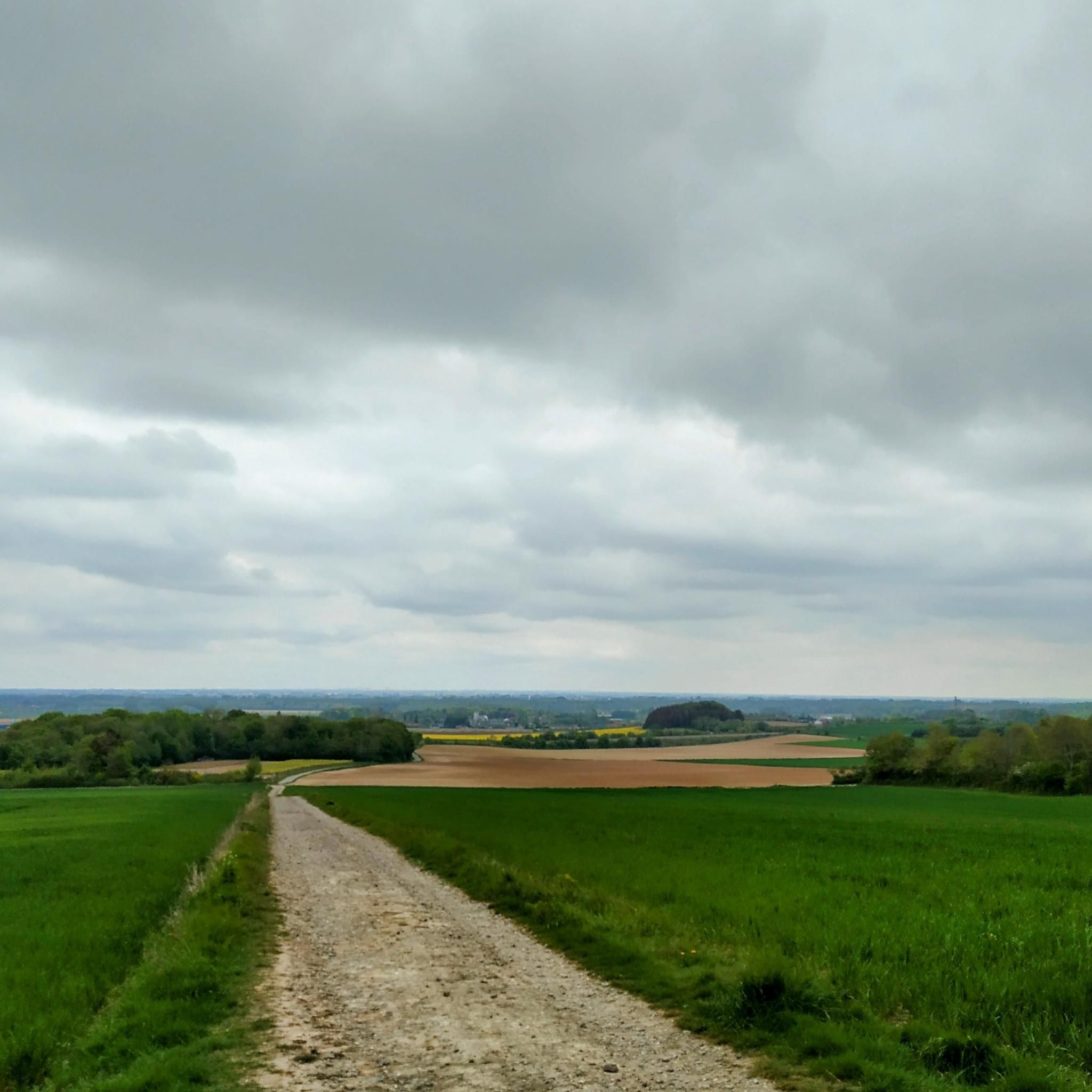
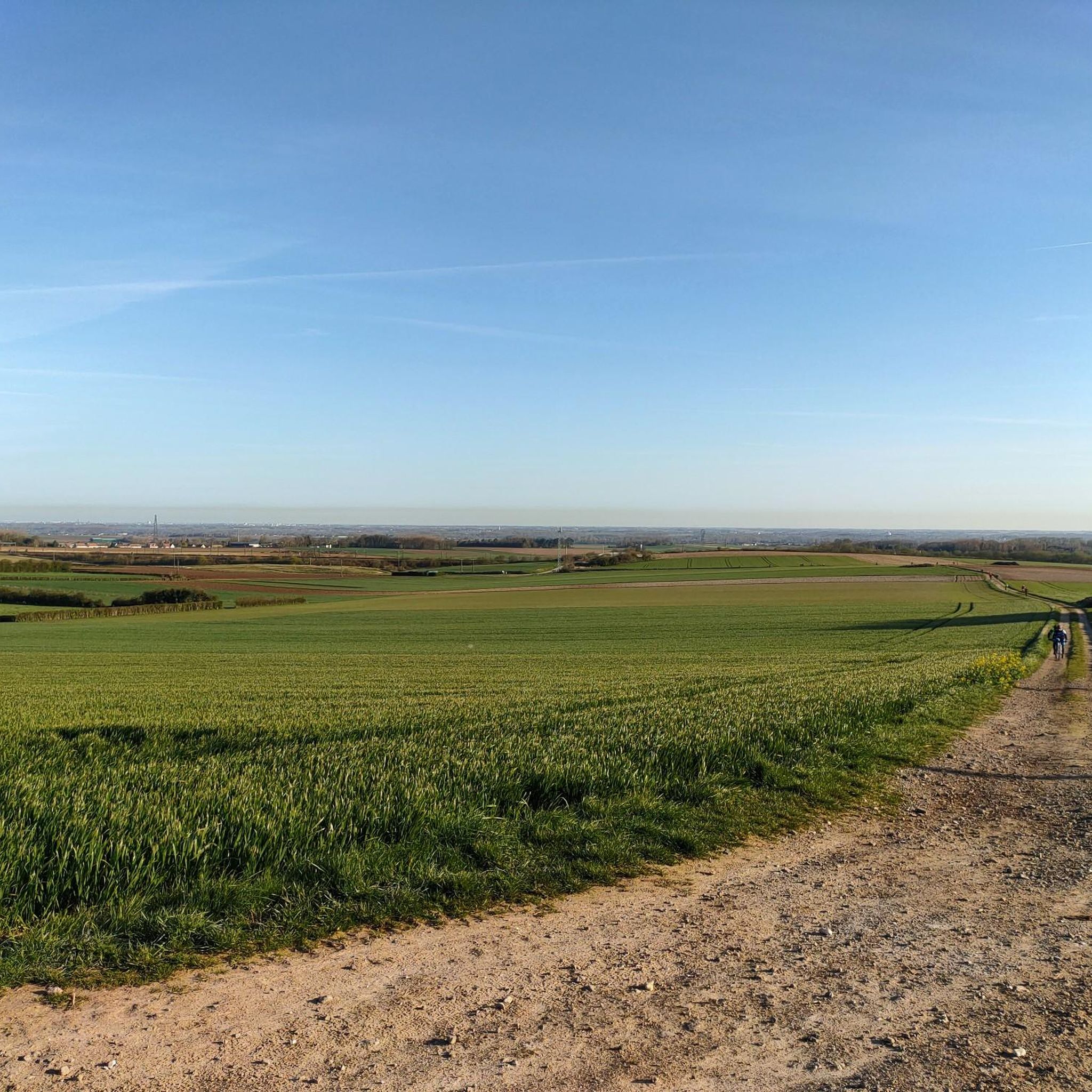
- Another must-see spot is Panorama sur Muncq Nieurlet, a scenic viewpoint. This location is part of the Euroroute R1 and offers views of the rural landscape.
- Visitors also love World War Memorial at Ardres, a historical site. This monument commemorates 82 heroes and their children who died during the Great War, featuring a sculpture inspired by a call to action.
- Landrethun-Lès-Ardres is known for its historical sites, religious buildings, and natural viewpoints. The area offers a variety of attractions to see and explore, from ancient chapels to war memorials and scenic routes.
- The attractions around Landrethun-Lès-Ardres are appreciated by the komoot community, with more than 100 upvotes and over 80 photos shared by visitors.
Last updated: July 6, 2026
World War Memorial at Ardres
Highlight • Historical Site
This call is proclaimed by a grenadier with a greatcoat half torn by the explosions; he steps over a gabion and prepares to launch the deadly projectile towards the enemy: the poilu is alive and the stone seems alive.
Despite the difficulties in the execution, the artist fortunately managed to avoid any heaviness, he was able to give the stone all the desired and possible flexibility.
Ardres was kind enough, in keeping with the erection of this magnificent monument, to honour the memory of the 82 heroes and their children who died gloriously during the Great War.
Translated by Google •
Tip by

Saint-Louis Chapel of Guémy
Highlight • Religious Site
Translated by Google •
Tip by

Sign up now to discover places like this
Get recommendations on the best single tracks, peaks, & plenty of other exciting outdoor places.
Sign up for free
Saint Peter in Chains Catholic Church, Guînes
Highlight • Other
Translated by Google •
Tip by
Panorama sur Muncq Nieurlet
Highlight • Other
Tip by
Church of Saint Martin — Our Lady of Ardrésis, Brêmes
Highlight • Other
The interior of the building has a very rich appearance. The centerpiece of the furniture is undoubtedly the altar and the accompanying altarpiece, completely carved in wood and from a recent period (1925). On either side of the nave there are two altars on which rest Saint Mary (left) and Saint Joseph (right).
On the floor are placed two other altarpieces, in which two statues are embedded (Saint Therese and Saint Martin)
The baptismal font, the marble font, an 18th century pulpit with its openwork staircase and its four carved wooden bas-reliefs representing Gospel scenes, old paintings, the confessional, the bell "Georgina Irma", baptized in August 1901, make up the wealth of this church. The special thing about our village church is the veneration of the Notre Dame des Larmes, a semi-natural statue from the 15th century (presumably) remarkable French work of art.
This virgin was previously invoked for the healing of eye ailments, but is in reality the virgin of sorrows who stands at the foot of the cross. Another statue of the Notre Dame from a more recent period, a crowned work, adorns our church.
Translated by Google •
Tip by
Sign up for free to discover even more attractions around Landrethun-Lès-Ardres.
Sign up for free
Already have an account?
Start today with a free account
Your next adventure awaits.
Login or Signup


Tips from the Community

Nice place to relax, enjoy the view and of course visit a ruin.
0
0

It is a building (1885) made of local red bricks, the design is cruciform, a fairly large nave, two aisles and a choir with a bell tower on top. The interior of the building has a very rich appearance. The centerpiece of the furniture is undoubtedly the altar and the accompanying altarpiece, completely carved in wood and from a recent period (1925). On either side of the nave there are two altars on which rest Saint Mary (left) and Saint Joseph (right). On the floor are placed two other altarpieces, in which two statues are embedded (Saint Therese and Saint Martin) The baptismal font, the marble font, an 18th century pulpit with its openwork staircase and its four carved wooden bas-reliefs representing Gospel scenes, old paintings, the confessional, the bell "Georgina Irma", baptized in August 1901, make up the wealth of this church. The special thing about our village church is the veneration of the Notre Dame des Larmes, a semi-natural statue from the 15th century (presumably) remarkable French work of art. This virgin was previously invoked for the healing of eye ailments, but is in reality the virgin of sorrows who stands at the foot of the cross. Another statue of the Notre Dame from a more recent period, a crowned work, adorns our church.
5
0
The artist was inspired by the famous phrase of the supreme and truly Cornelian call: "Arise, the dead!" ". This call is proclaimed by a grenadier with a greatcoat half torn by the explosions; he steps over a gabion and prepares to launch the deadly projectile towards the enemy: the poilu is alive and the stone seems alive. Despite the difficulties in the execution, the artist fortunately managed to avoid any heaviness, he was able to give the stone all the desired and possible flexibility. Ardres was kind enough, in keeping with the erection of this magnificent monument, to honour the memory of the 82 heroes and their children who died gloriously during the Great War.
6
0

Built in the late 15th century on Mount Saint-Louis, the Saint-Louis Chapel of Guémy is listed as a historic monument. It was restored in 1930. It is a unique place.
2
0
The Église Saint-Pierre aux Liens is a church in Guînes, France. It is one of five parish churches that Guînes once owned. The church has been rebuilt and restored several times, and the current structure was built in 1822. The church has a remarkable pulpit dating from 1706, which contains an image of an abbess holding a book while a dove flies above her head.
11
0
Le Grand Hebdomadaire, n°44, Sunday October 30, 1921, p. 370.: Ardres has also just erected a war memorial, the work of the sculptor Greber. The artist was inspired by the famous phrase of the supreme and truly Cornelian call: “Arise, the dead!” ". This call is proclaimed by a grenadier with a greatcoat half torn by the explosions; he steps over a gabion and prepares to launch the deadly projectile facing the enemy: the poilu is alive and the stone seems animated. Despite the difficulties of execution, the artist fortunately managed to avoid any heaviness, he was able to give the stone all the desired and possible flexibility. Ardres was kind enough to honor, as appropriate by the erection of this beautiful monument, the memory of the 82 heroes, its children, who fell gloriously during the great war.
1
0
The Euroroute R1 passes here! The French section of the Euroroute R1 is about 97 km long and leads from the channel coast, either from Boulogne-sur-Mer or Calais, through Nord-Pas-de-Calais to the Belgian border. The route from Boulogne-sur-Mer to Watten is 64 km long and is surprisingly hilly, while the route from Calais to Watten is 36 km long and nearly flat. The Euroroute R1 between Watten and the Belgian border at Oost-Cappel is 35 km long and crosses the plane of Yser in French Flanders. The route in France is rather rural and passes through contemplative villages and small towns with worth seeing churches along the way.
5
0

Gothic chapel built at the end of the 15th century by Antoine de Bourgogne.
2
0
Frequently Asked Questions
What historical sites can I explore near Landrethun-Lès-Ardres?
The region offers several historical sites. You can visit the Saint-Louis Chapel of Guémy, a late 15th-century chapel classified as a historical monument. Another significant site is the World War Memorial at Ardres, commemorating those who died in the Great War. Further afield, consider the Blockhaus d'Eperlecques, a former Nazi bunker complex, or the Fortifications of Gravelines.
Are there any significant natural viewpoints or features to visit?
Yes, the area is rich in natural beauty. The Panorama sur Muncq Nieurlet offers scenic views of the rural landscape and is part of the Euroroute R1. You can also explore the iconic coastal cliffs of Cap Blanc-Nez and Cap Gris-Nez, both designated 'Grand Sites de France', offering breathtaking scenery. The Parc naturel régional des caps et marais d'Opale is also nearby, featuring diverse landscapes.
What family-friendly attractions are available in the area?
For family outings, consider a visit to Nausicaá - Centre National de la Mer, a large aquarium and marine center in Boulogne-sur-Mer. Closer to Landrethun-Lès-Ardres, Bal Parc is an amusement park that offers entertainment for all ages. Many of the natural sites, like the regional natural park and coastal areas, are also suitable for family walks and exploration.
What outdoor activities, like hiking or running, can I do near these attractions?
Landrethun-Lès-Ardres is a great base for outdoor activities. You can find numerous running trails, including routes like the 'Running loop from Communauté de communes Pays d'Opale' or the 'Running loop from Landrethun-lès-Ardres'. For more options, explore the Running Trails around Landrethun-Lès-Ardres guide. The region also features parts of the historic Via Francigena and the GR 128 (French Flanders Route) for longer hikes.
Where can I find religious buildings or historical churches?
The region has several notable religious buildings. The Saint-Louis Chapel of Guémy is a beautiful 15th-century chapel with panoramic views. In Ardres, you can visit the Église Notre-Dame de Graces, an 11th-century church with 19th-century stained glass windows. Another option is the Saint Peter in Chains Catholic Church in Guînes, which features a remarkable 1706 pulpit.
Are there any World War-related historical sites nearby?
Yes, the area holds significant World War history. The World War Memorial at Ardres is a poignant monument commemorating the fallen. Additionally, the Blockhaus d'Eperlecques, a former Nazi bunker complex located about 15.7 km away, offers deep insights into WWII history.
What are some unique natural reserves in the region?
The region is home to several natural reserves. The Parc naturel régional des caps et marais d'Opale is a diverse area encompassing cliffs, dunes, and marshes. Other notable reserves include the Réserve naturelle nationale des grottes et des pelouses d'Acquin-Westbécourt et des coteaux de Wavrans-sur-l'Aa, the Réserve naturelle du Platier d'Oye, and the Réserve naturelle nationale des étangs du Romelaëre, all within a reasonable distance.
Can I find any ancient historical traces in Landrethun-Lès-Ardres itself?
Within Landrethun-lès-Ardres, specifically in the hamlet called Le Val, you can find traces of a Celtic oppidum, including a tumulus that indicates ancient occupation. The village was also once a significant seigneurie, with a former manor located at 720 rue de l'église, reflecting its historical importance.
What are the options for cycling or gravel biking?
The area around Landrethun-Lès-Ardres is excellent for cycling. You can explore various gravel biking routes, such as the 'Behind Guemy – Saint-Louis Chapel of Guémy loop from Ardres' which is a moderate route. For more options and detailed routes, refer to the Gravel biking around Landrethun-Lès-Ardres guide. There are also MTB trails available, including a 'Mountainbike loop from Ardres', detailed in the MTB Trails around Landrethun-Lès-Ardres guide.
What do visitors enjoy most about the attractions near Landrethun-Lès-Ardres?
Visitors particularly appreciate the peaceful atmosphere and panoramic views offered by sites like the Saint-Louis Chapel of Guémy, especially during sunrise or sunset. The historical significance of the World War Memorial at Ardres and the rural charm seen from viewpoints like Panorama sur Muncq Nieurlet are also highly valued. The komoot community has shared over 80 photos and given more than 100 upvotes, highlighting the area's appeal.
Are there any towns of art and history worth visiting nearby?
Yes, the region boasts several towns recognized for their historical and cultural richness. Saint-Omer, approximately 23 km away, and Boulogne-sur-Mer, about 27 km away, are both excellent choices for exploring art, history, and local culture.
Are there any markets in nearby towns?
Yes, you can experience local life at the vibrant markets in nearby towns. Ardres hosts a market on Thursdays, Audruicq on Wednesdays, and Calais has markets on Wednesdays, Thursdays, and Saturdays, offering a variety of local produce and goods.
Most popular routes around Landrethun-Lès-Ardres

Get inspired with the komoot mobile app


Explore more
Still not found the Highlight you’re looking for? See guides of the top attractions in other regions:
