The best road cycling routes around Fontenay-Près-Chablis
4.6
(21)
556
riders
124
rides
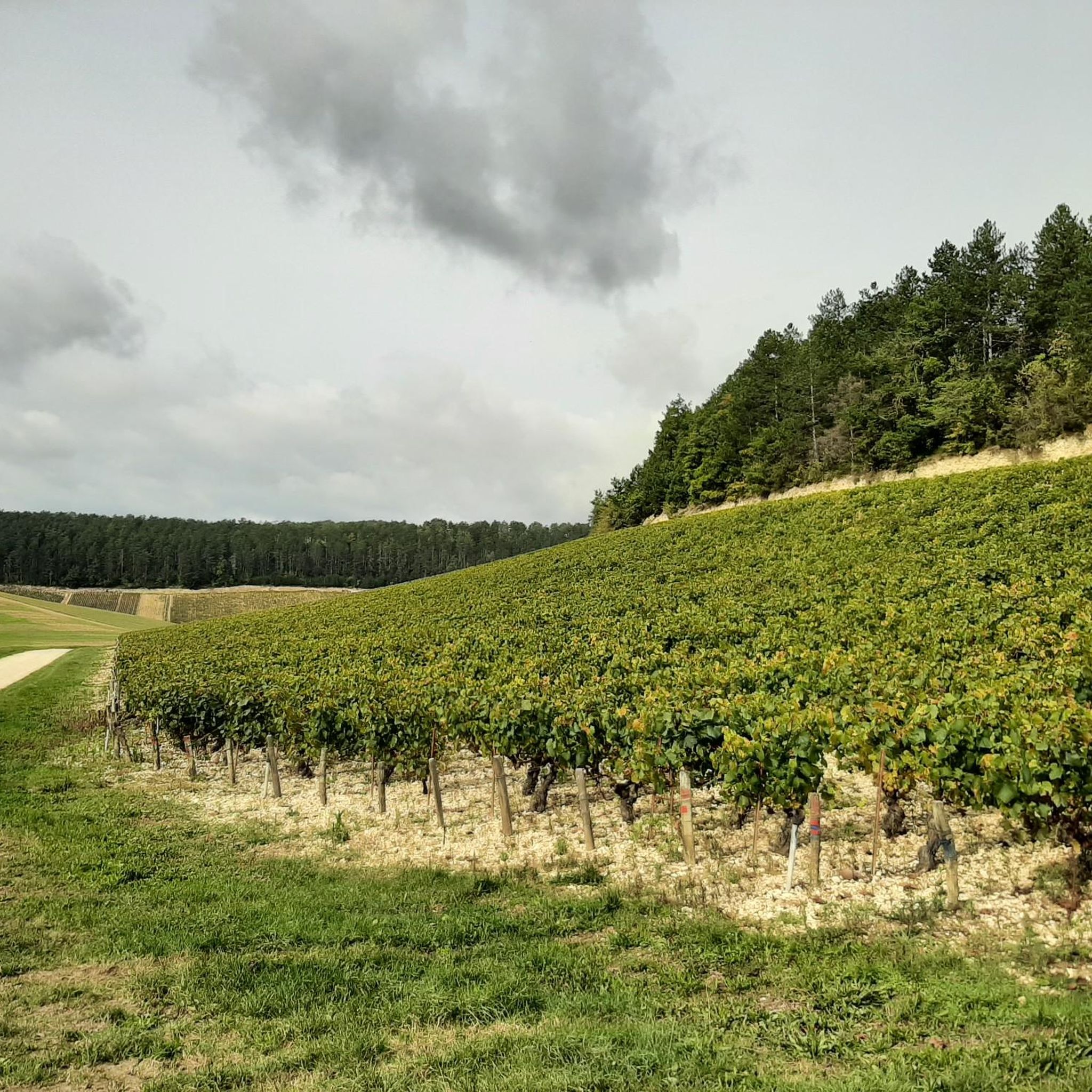
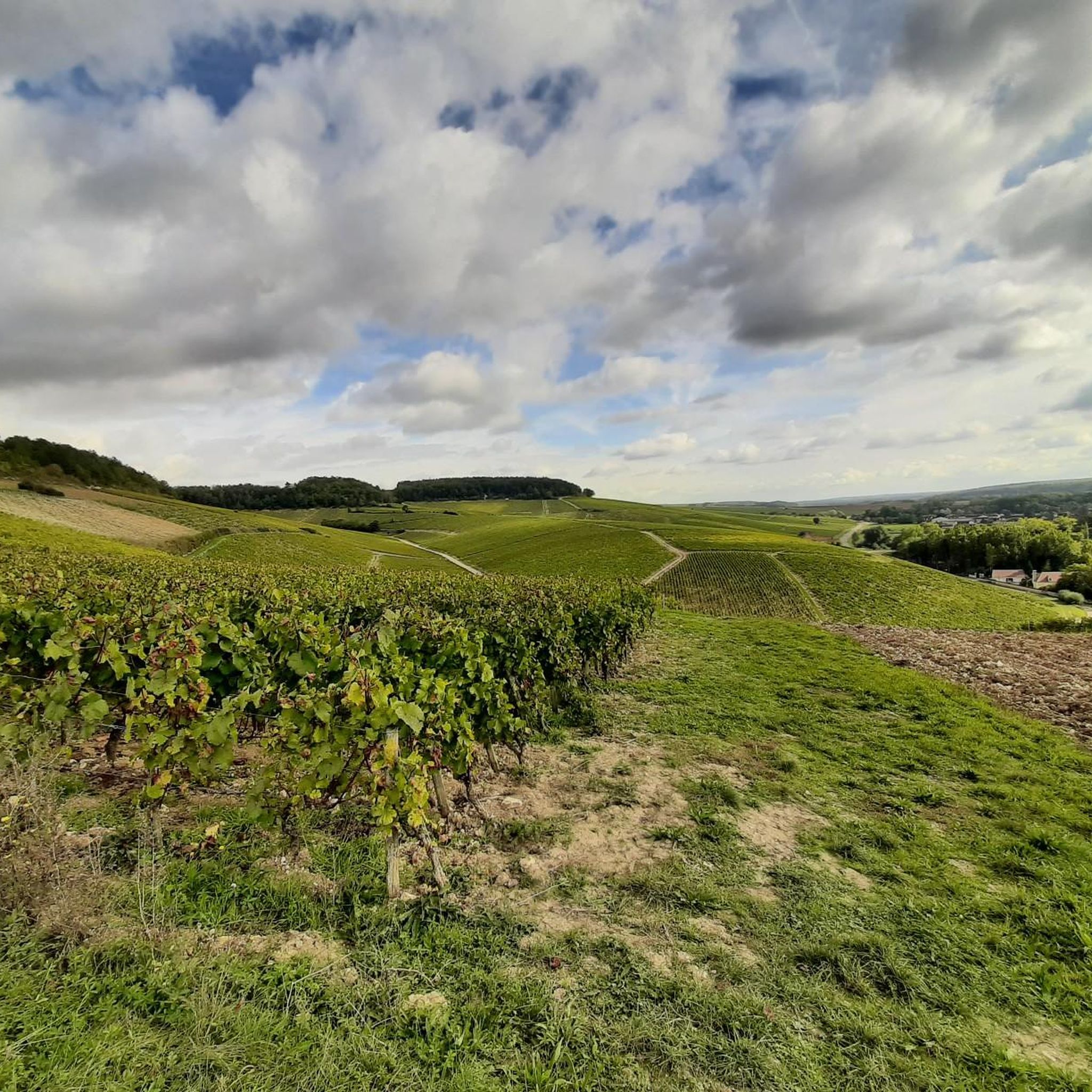
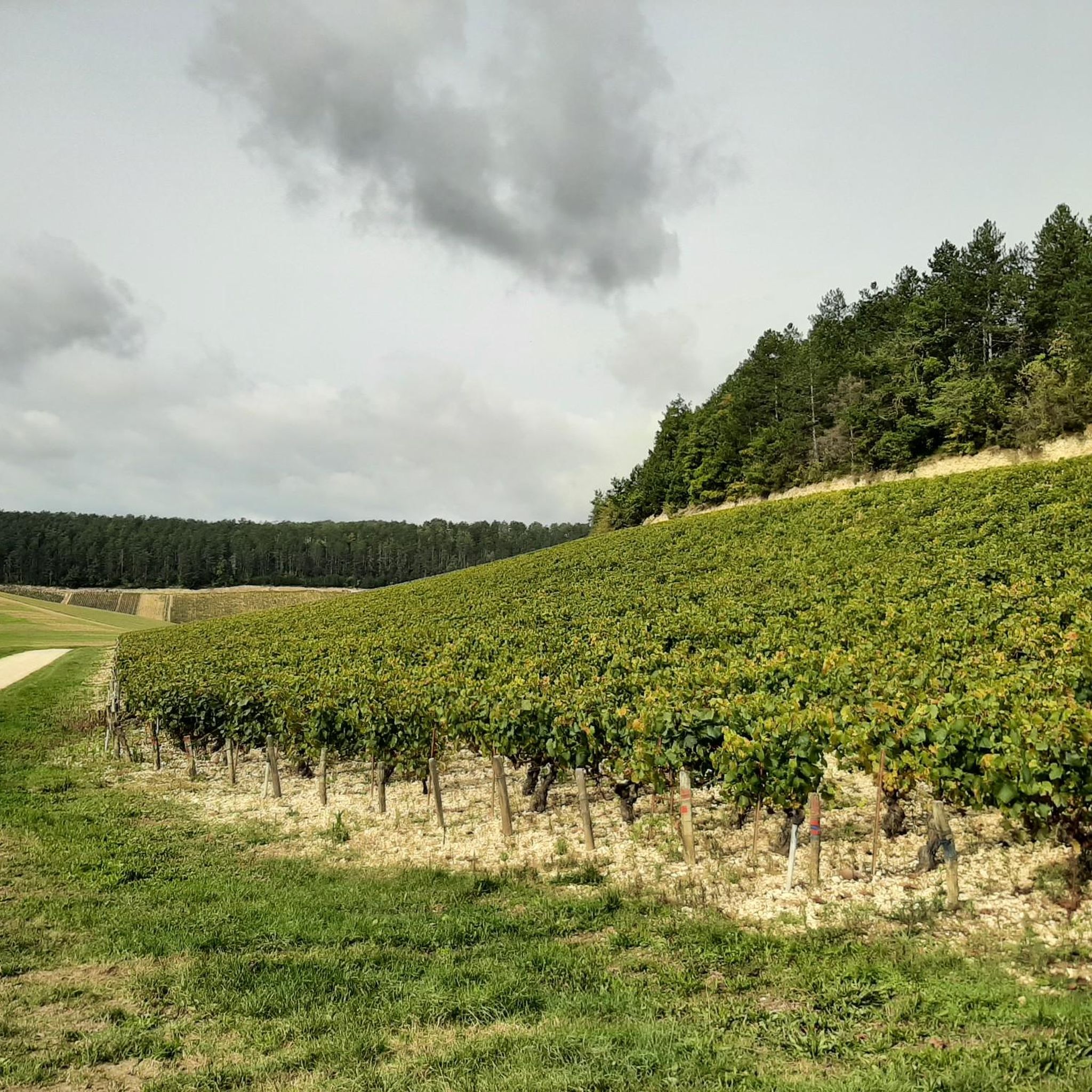
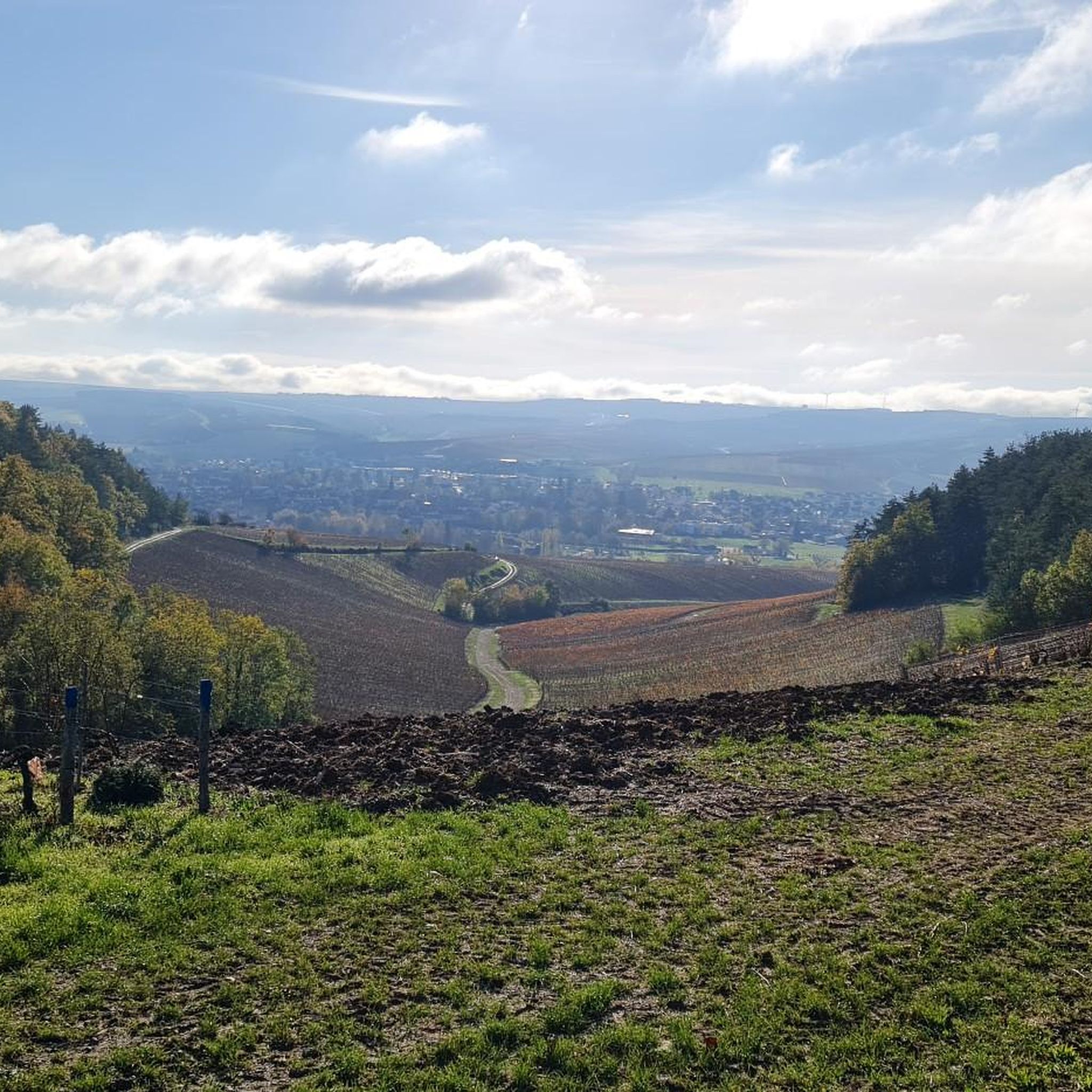
Road cycling routes around Fontenay-Près-Chablis navigate a landscape defined by rolling hills and extensive vineyards, characteristic of the renowned Chablis wine region. The terrain offers varied topography, with elevations ranging from 143 to 257 meters, providing both gentle stretches and challenging ascents. Cyclists can explore routes that wind through historic villages and offer panoramic views of the viticultural countryside. This region in the Yonne department provides a distinctive environment for road cycling.
Best road cycling routes around Fontenay-Près-Chablis
- The most…
Last updated: July 5, 2026
4.7
(3)
18
riders
38.5km
01:46
290m
290m
Easy road ride. Great for any fitness level. Mostly well-paved surfaces and easy to ride.
4.7
(3)
10
riders
38.7km
01:50
410m
410m
Moderate road ride. Good fitness required. Mostly well-paved surfaces and easy to ride.

Sign up for free
5.0
(1)
20
riders
72.9km
03:24
630m
630m
Moderate road ride. Good fitness required. Some segments of this route may be unpaved and difficult to ride.
9
riders
70.7km
03:08
600m
600m
Moderate road ride. Good fitness required. Some segments of this route may be unpaved and difficult to ride.
5.0
(1)
5
riders
57.9km
02:35
610m
610m
Moderate road ride. Good fitness required. Mostly well-paved surfaces and easy to ride.
Get access to more routes and recommendations from other explorers.
Sign up for free
Already have an account?
Our route recommendations are based on thousands of hikes, rides, and runs completed by other people on komoot.
Start today with a free account
Your next adventure awaits.
Login or Signup
Tips from the Community

Excellent restaurant open on Sundays!
0
0

Magnificent Exterior Trompe l'oeil Gallery
0
0

Heritage of St Bris le Vineux, roadside fountain decorated with sculpted toads
0
0

A "chemin de halage", in German "treidelpfad", which runs alongside the waterway right next to the bed of the river or canal, was an indispensable part of the transport infrastructure in earlier times. Before ships could move using motor power, horses ran along the bank and pulled the ship against the current. This was called "treideln", and that is how the "treidelpfad" got its name. Where these paths directly on the bank have been preserved, they are now popular with hikers and cyclists.
1
0

The Burgundy Canal is 242 km long, it connects the Seine basin to the Rhône basin. Previously used for moving goods, but since the 1960s the canal has been used almost exclusively for recreational boating.
0
0
Before the 14th century Maligny had a castle surrounded by moats with a chapel. The village is structured around these buildings with the expansion of the city, shops, housing and infrastructure.
0
0
Just with this little height we have a magnificent view of the hills and the vineyard that surrounds us.
0
0

The Dionne pit is a karst source called the Vauclusian source, located in the city center of Tonnerre. It is fed by the infiltration of precipitation into the surrounding limestone plateau as well as by the losses of at least one river. The Dionne pit is remarkable for its flow and the size of its hydrogeological network which extends to more than 40 km. His presence is at the origin of the creation of the city of Tonnerre. An elaborate washhouse was built around the spring in the 18th century. Wikipedia
0
0
Frequently Asked Questions
How many road cycling routes are available around Fontenay-Près-Chablis?
There are over 100 road cycling routes around Fontenay-Près-Chablis, offering a wide range of options for all skill levels. Specifically, you'll find 15 easy routes, 88 moderate routes, and 14 difficult routes to explore.
What kind of terrain can I expect on road cycling routes in Fontenay-Près-Chablis?
The region is characterized by rolling hills and extensive vineyards, typical of the Chablis wine region. You'll encounter varied topography with elevations ranging from 143 to 257 meters, providing both gentle stretches and challenging ascents through picturesque countryside.
Are there easy road cycling routes suitable for beginners in Fontenay-Près-Chablis?
Yes, there are several easy routes perfect for beginners. One popular option is the Abbaye de Pontigny — loop from Chablis, an easy 38.5 km trail that takes about 1 hour 45 minutes to complete, passing by the historic Pontigny Abbey.
What are some moderate road cycling routes in the area?
For those seeking a moderate challenge, the Chablis Vineyards Loop is a great choice. This 38.7 km path offers immersive views of the iconic Chablis vineyards and surrounding countryside. Another excellent moderate route is the Chablis Village and Vineyards – Paul Bert Bridge loop from Chablis, which is 72.9 km long.
Are there any long-distance road cycling routes around Fontenay-Près-Chablis?
Yes, for longer rides, consider routes like the Chablis Village and Vineyards – Paul Bert Bridge loop from Chablis, which spans 72.9 km, or the Chablis Village and Vineyards – Château de Tanlay loop from Chablis, covering 70.6 km. These routes offer extended exploration of the region's vineyards and villages.
What attractions can I see along the road cycling routes in Fontenay-Près-Chablis?
Many routes wind through historic villages and past significant landmarks. You can visit the historic Pontigny Abbey, explore the charming Chablis Old Town, or admire the Saint-Martin Collegiate Church. The routes also offer panoramic viewpoints from Chablis over the famous vineyards.
Are there family-friendly road cycling options in Fontenay-Près-Chablis?
While the region is known for its rolling hills, there are 15 easy routes that can be suitable for families looking for a more relaxed ride. These routes often stick to flatter sections or less trafficked roads, allowing for a pleasant experience through the scenic vineyards and villages.
What do other road cyclists enjoy most about cycling in Fontenay-Près-Chablis?
The area is highly rated by the komoot community, with an average score of 4.7 stars from more than 10 reviews. Cyclists often praise the stunning vineyard landscapes, the variety of routes catering to different skill levels, and the charm of cycling through historic French villages.
Where can I find parking when road cycling in Fontenay-Près-Chablis?
Many routes start from or pass through the town of Chablis, which is approximately 4km from Fontenay-Près-Chablis. Chablis typically offers various parking options, including public car parks, making it a convenient starting point for exploring the surrounding cycling routes.
Are there opportunities to visit local producers or cafes along the routes?
Absolutely. The routes frequently pass through villages like Chablis, Fleys, Beine, and Courgis. In Chablis, you can easily visit renowned wineries such as La Chablisienne or Domaine Celine & Frederic Gueguen for wine tastings. Many villages also offer local producers and cafes where you can stop for refreshments and experience regional culinary delights.
What is the best time of year for road cycling in Fontenay-Près-Chablis?
The spring and autumn months generally offer the most pleasant conditions for road cycling, with milder temperatures and beautiful scenery as the vineyards change color. Summer can also be enjoyable, but it's advisable to start earlier in the day to avoid the midday heat, especially on longer routes.
Most popular routes around Fontenay-Près-Chablis
Most popular attractions around Fontenay-Près-Chablis

Get inspired with the komoot mobile app


Explore more
Browse the best Road cycling routes in other regions.
