Attractions and Places To See around Béru - Top 20
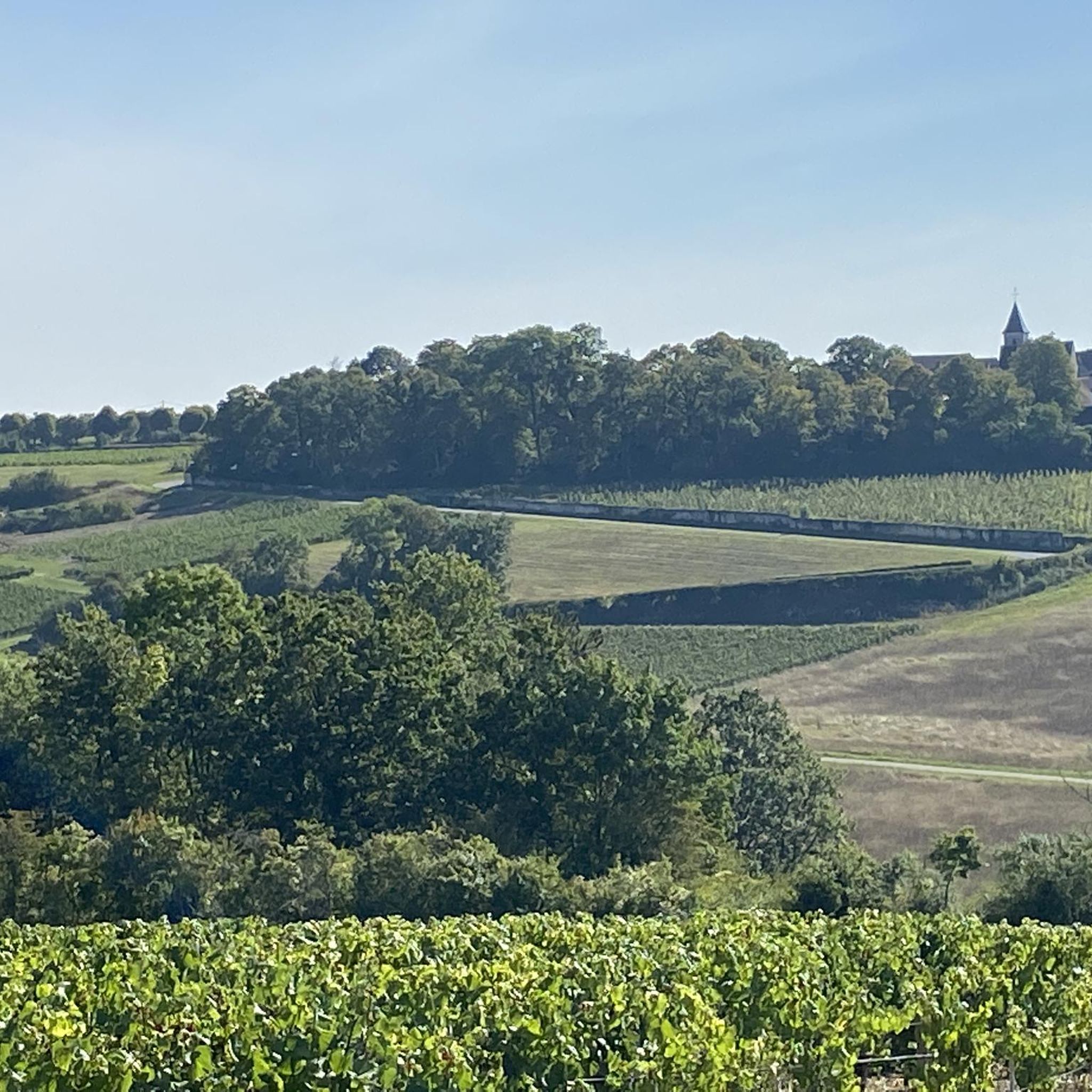
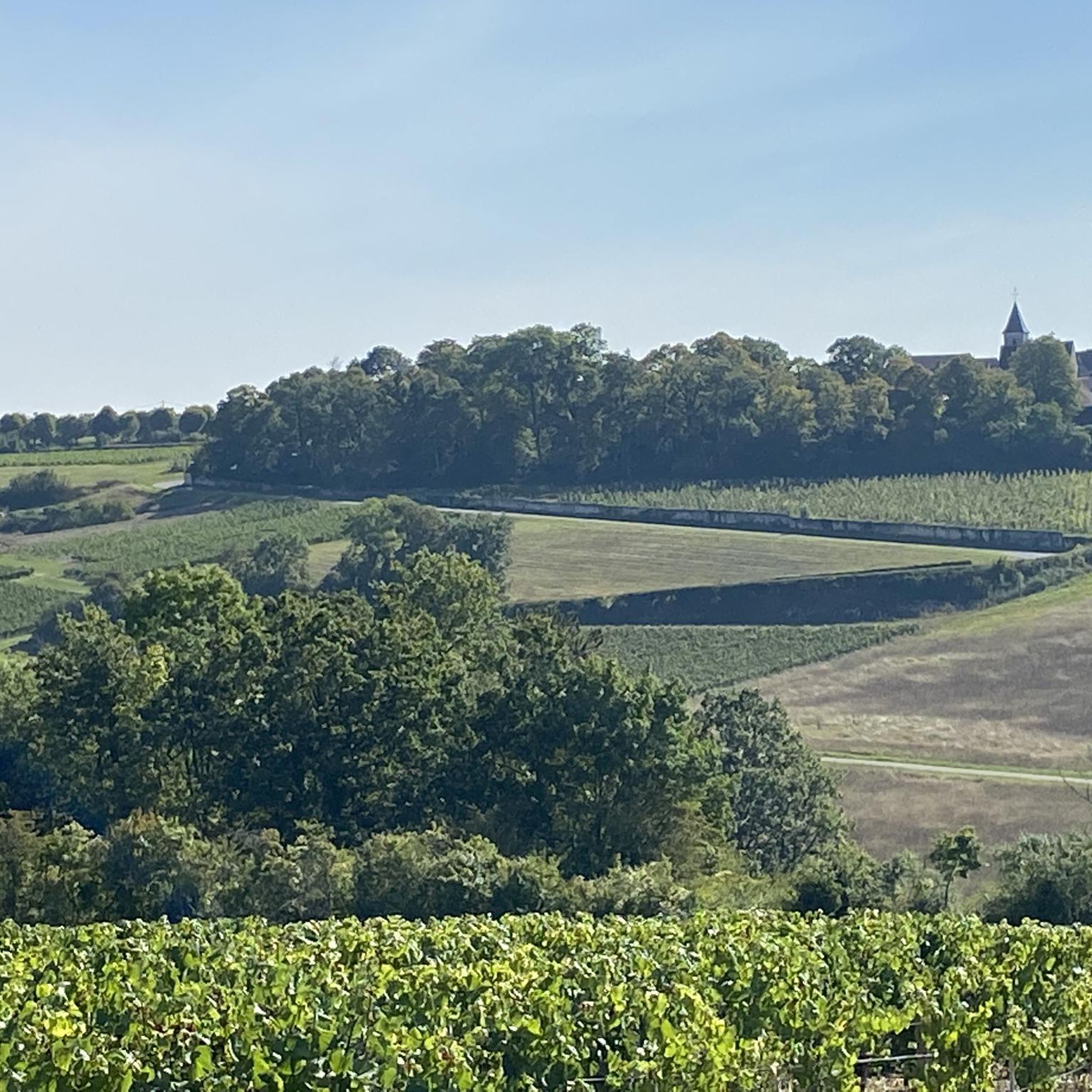
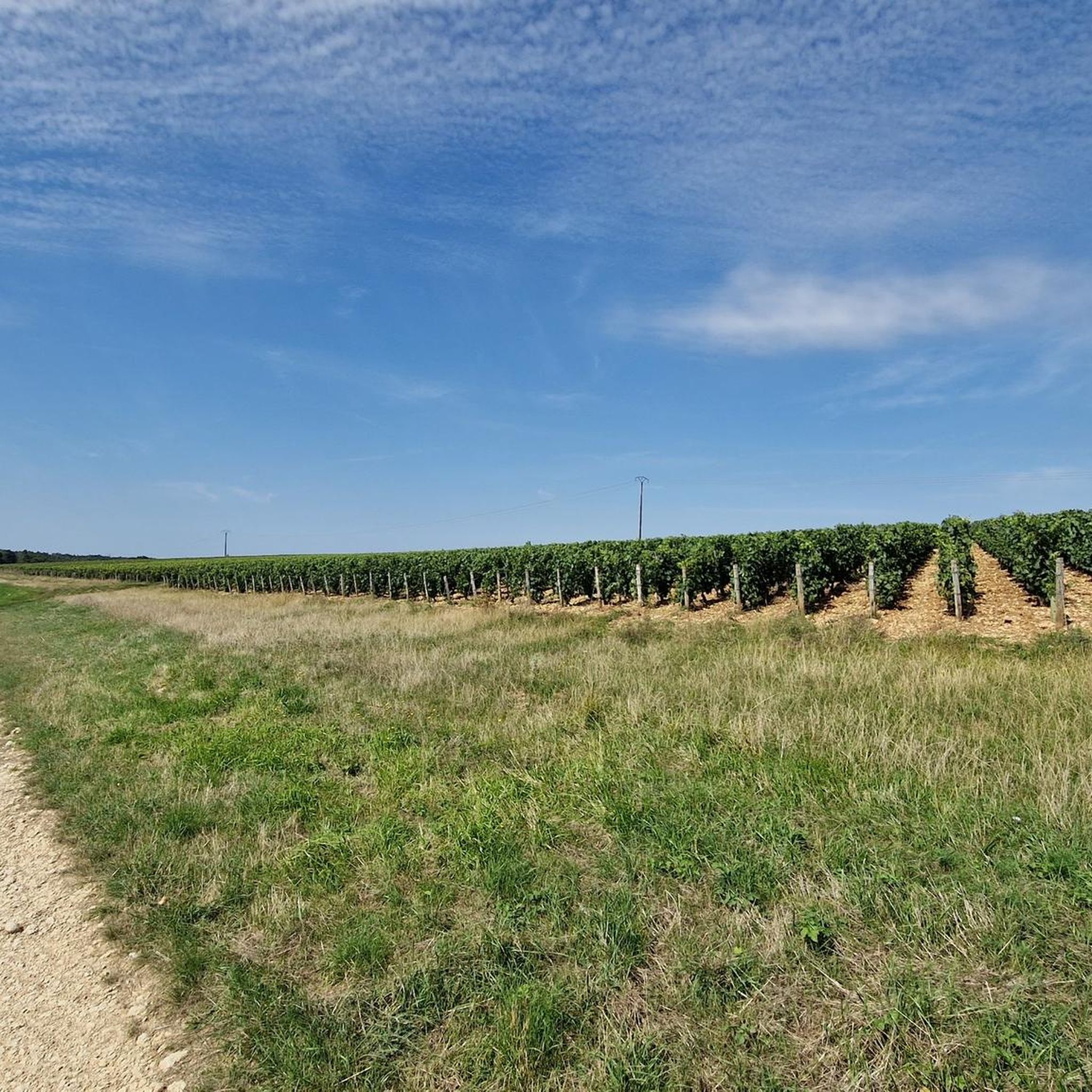
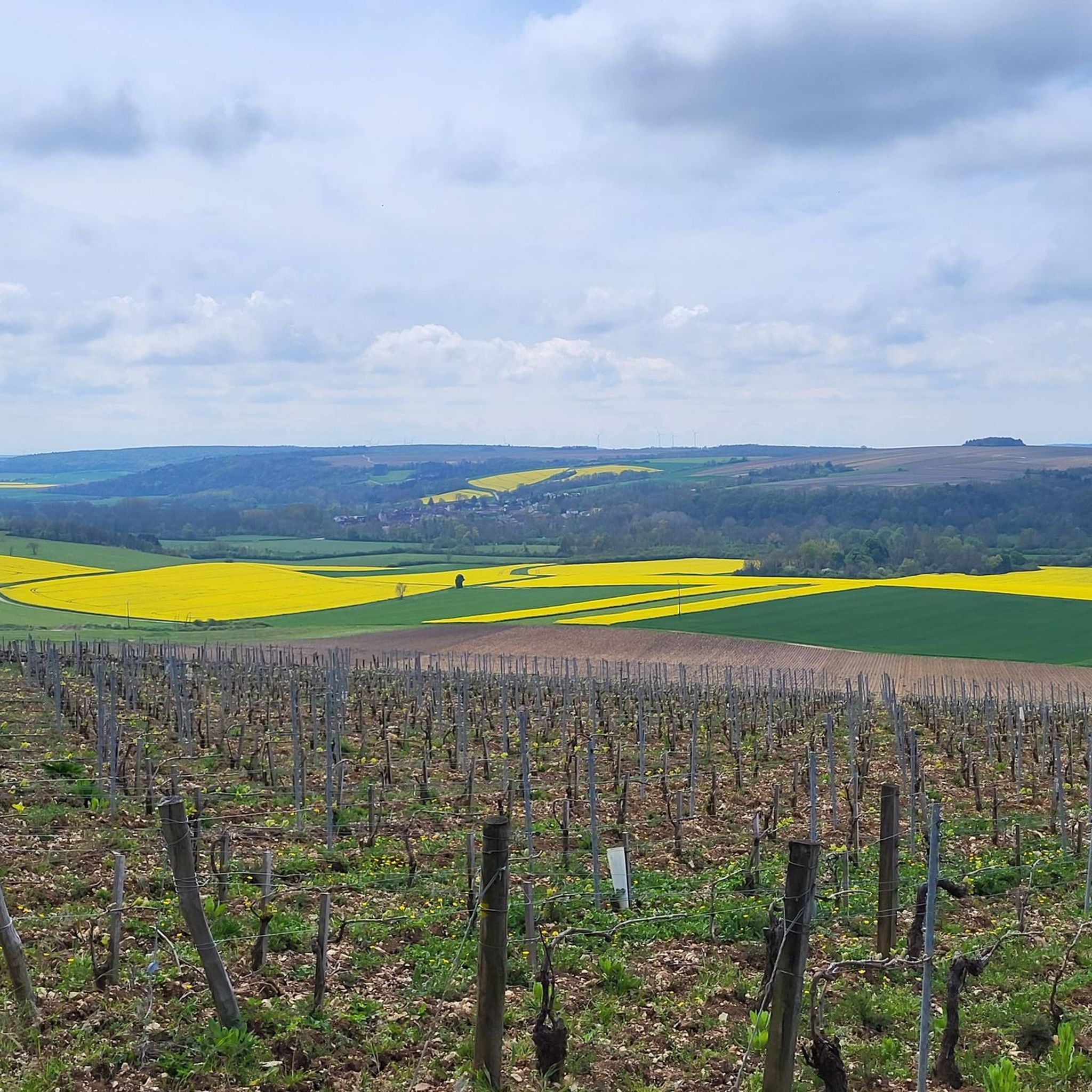
Best attractions and places to see around Béru, a commune in the Yonne department of Burgundy, are centered around its historic château and the renowned Chablis vineyards. The area features a landscape of rolling hills covered in organic vines, known for their Kimmeridgian limestone soils. Béru offers a blend of historical sites, cultural experiences, and natural features for exploration.
Best attractions and places to see around Béru
- The most popular attractions is Towpath of the Canal de Bourgogne, a…
Last updated: May 10, 2026
Towpath of the Canal de Bourgogne
Highlight (Segment) • Trail
Translated by Google •
Tip by

Fosse Dionne
Highlight • Natural Monument
Translated by Google •
Tip by

Sign up now to discover places like this
Get recommendations on the best single tracks, peaks, & plenty of other exciting outdoor places.
Sign up for free
Saint-Martin Collegiate Church
Highlight • Religious Site
Translated by Google •
Tip by

Notre-Dame Church
Highlight • Religious Site
Translated by Google •
Tip by
Saint Peter's Church
Highlight • Other
Translated by Google •
Tip by
Sign up for free to discover even more attractions around Béru.
Sign up for free
Already have an account?
Start today with a free account
Your next adventure awaits.
Login or Signup

Tips from the Community

Beautiful church in Chablis currently being renovated
1
0

A "chemin de halage", in German "treidelpfad", which runs alongside the waterway right next to the bed of the river or canal, was an indispensable part of the transport infrastructure in earlier times. Before ships could move using motor power, horses ran along the bank and pulled the ship against the current. This was called "treideln", and that is how the "treidelpfad" got its name. Where these paths directly on the bank have been preserved, they are now popular with hikers and cyclists.
1
0

I walked past without seeing it 😂😂
0
0
The church in Tonnerre was dedicated to Saint Peter / “Saint-PIERRE”. Simon, nicknamed Peter (the word means "rock"), was a fisherman on the Sea of Galilee when he - together with his brother Andrew - was called by Jesus Christ to be "fishers of men". According to Catholic understanding, he is the supreme apostle, and the two millennia-long line of popes - currently Francis - are his successor. On statues and paintings, Peter is almost always depicted with two keys in his hand; this attribute refers to the biblical saying in Matthew: “I will give you the keys of the kingdom of heaven; Whatever you bind on earth will be bound in heaven, and whatever you loose on earth will be loosed in heaven” (Chapter 16, verse 19). Saint-Pierre is - together with Saint-Paul - also known as the “Princes of the Apostles”, their common feast day in the saints' calendar is on June 29th.
0
0

The Saint-Martin collegiate church from the 12th and 13th centuries is very well preserved. The church is definitely worth a visit. A special feature is the south portal, whose door wings are decorated with various horseshoes. Built in 1160, rebuilt from 1220. Apart from the tower, all the walls date from the Middle Ages. The paintings from the 13th century and the horseshoes on the side gate identify the building as a stage on the St. James pilgrimage to Santiago de Compostela. The various restorations have not changed the building, with the exception of the tower, which was added in 1852. https://www.moulindelacoudre.fr/de/2017/02/11/die-stiftskirche-saint-martin/
3
0

We enjoyed a remarkable guided tour.
0
0
The Saint-Martin collegiate church from the 12th and 13th centuries is very well preserved. The church is definitely worth a visit. A special feature is the south portal, whose door wings are decorated with various horseshoes. Like many church buildings from the early Middle Ages, the Saint-Martin collegiate church (built in 1160, rebuilt from 1220) was inspired by the cathedral of Sens. Apart from the tower, all the walls date from the Middle Ages. The paintings from the 13th century and the horseshoes on the side gate identify the building as a stage on the St. James pilgrimage to Santiago de Compostela. The various restorations have not changed the building, except for the tower, added in 1852, whose top is 50 meters high. https://www.moulindelacoudre.fr/de/2017/02/11/die-stiftskirche-saint-martin/
1
0
We were there in the morning and the church was still closed. The building from the outside and the beautiful view of the city from there made up for it.
3
0
Frequently Asked Questions
What historical sites can I visit around Béru?
The region around Béru is rich in history. You can explore the Château de Béru, a historic residence with architectural elements from the 13th to 18th centuries, including a Renaissance porch and cellar, and a 15th-century dovecote. Other notable historical sites include the Fosse Dionne and the town of Tonnerre, featuring an 18th-century washhouse built around a karst spring, and the Hôtel-Dieu de Tonnerre, a well-preserved medieval hospital founded in 1293.
Are there natural attractions or scenic viewpoints near Béru?
Yes, Béru is nestled amidst the picturesque Chablis vineyards, offering remarkable views from the Château de Béru. The landscape features rolling hills covered in organic vines, known for their Kimmeridgian limestone soils. You can also visit the Fosse Dionne, a unique karst spring in Tonnerre, which is both a historical site and a natural monument.
What outdoor activities, like hiking or cycling, are available around Béru?
The area around Béru is excellent for outdoor activities. You can enjoy hiking and cycling along the Towpath of the Canal de Bourgogne, which features historic locks. For more specific routes, there are numerous cycling trails like the "Route touristique des vignobles de l’Yonne" and "Chablis Vineyards and Serein Valley Loop" (see Cycling around Béru). Mountain biking enthusiasts can find trails such as "Vineyards With Beautiful View – Chablis Tour" (see MTB Trails around Béru), and runners can explore routes like "Le vignoble de Chablis" (see Running Trails around Béru).
Are there family-friendly attractions in the Béru area?
Many attractions around Béru are suitable for families. The Towpath of the Canal de Bourgogne is a great option for easy walks or bike rides. The Fosse Dionne and the town of Tonnerre, as well as historical religious buildings like Saint-Martin Collegiate Church and Notre-Dame Church, are also listed as family-friendly.
What is the best time of year to visit Béru and its attractions?
The Chablis vineyards and surrounding areas are particularly beautiful during spring and autumn. Spring offers blooming landscapes and milder temperatures, ideal for hiking and cycling. Autumn is harvest season, providing a vibrant atmosphere and opportunities to experience local wine culture. Summer is also pleasant, though it can be warmer, while winter offers a quieter, more serene experience of the historical sites.
Where can I find parking when visiting attractions around Béru?
Parking availability varies by attraction. For the Château de Béru, there is typically parking available on-site or nearby. In towns like Tonnerre, where the Fosse Dionne and Hôtel-Dieu are located, you can usually find public parking in the town center. When exploring vineyard trails, look for designated parking areas in villages or at trailheads.
Are there any unique or lesser-known places to discover near Béru?
Beyond the main highlights, consider exploring the smaller villages nestled within the Chablis vineyards. These often have charming local churches, small producers, and quiet paths offering a glimpse into authentic Burgundian life. The Towpath of the Canal de Bourgogne, while popular, also offers many serene stretches where you can discover hidden spots and observe local wildlife.
What kind of landscape can I expect when exploring the Chablis vineyards near Béru?
The landscape around Béru is characterized by gently rolling hills covered extensively with vineyards. These vineyards are famous for their unique Kimmeridgian limestone soils, which are rich in marine fossils and contribute to the distinct minerality of Chablis wines. You'll find a mix of cultivated land, small wooded areas, and charming villages, all offering scenic views and opportunities for exploration.
What are the main historical features of the Château de Béru?
The Château de Béru showcases a rich history with architectural elements from the 13th to the 18th centuries. Key features include a Renaissance porch and cellar, a rare 16th-century sundial and moondial, a 13th-century gate and tower, and a 15th-century dovecote with 1,000 boxes. Since 2021, a fully restored Directoire room has also been opened to the public.
Are there any religious buildings worth visiting near Béru?
Yes, the area features several significant religious buildings. The Saint-Martin Collegiate Church in Chablis, dating from the 12th and 13th centuries, is well-preserved and known for its south portal decorated with horseshoes. In Tonnerre, the Notre-Dame Church, which evolved from a simple oratory, is notable for its high tower and historical relics, including a shrine with relics of Saint Thierry.
Can I bring my dog to trails and attractions around Béru?
Many outdoor trails, especially those through the vineyards and along the Canal de Bourgogne towpath, are generally dog-friendly, provided dogs are kept on a leash. For specific attractions like the Château de Béru or indoor historical sites, it's best to check their individual policies beforehand.
What are some popular cycling routes around Béru?
Cyclists can enjoy a variety of routes, from leisurely rides along the canal to more challenging vineyard tours. Popular options include the "Route touristique des vignobles de l’Yonne (Tonnerrois)" and the "Chablis Vineyards and Serein Valley Loop." You can find more details and other routes in the Cycling around Béru guide.
Are there options for running trails near Béru?
Yes, the scenic landscape around Béru offers several running trails. You can find routes like "Le vignoble de Chablis" for a challenging run through the vineyards, or the "Beines lake – Chablis Village and Vineyards loop." Explore more options in the Running Trails around Béru guide.

Get inspired with the komoot mobile app


Explore more
Still not found the Highlight you’re looking for? See guides of the top attractions in other regions:
