Attractions and Places To See around Villequiers - Top 10
Best attractions and places to see around Villequiers offer a blend of historical sites and natural landscapes. This region, part of the Regional Natural Park of Boucles de la Seine Normande, is known for its connection to Victor Hugo and its position along the Seine River. Visitors can explore a variety of cultural landmarks and enjoy the preserved environment. The area provides opportunities to discover historical architecture and natural features.
Best attractions and places to see around Villequiers
- The most…
Last updated: June 29, 2026
Commanderie de Templier des Bordes and its chapel
Highlight • Other
Translated by Google •
Tip by

Notre-Dame de Fourvière Chapel, Laverdines
Highlight • Religious Site
During the invasion of Prussia in 1870, Claude Gindre, then owner of the castle of Laverdines, promised …
Translated by Google •
Tip by
Sign up now to discover places like this
Get recommendations on the best single tracks, peaks, & plenty of other exciting outdoor places.
Sign up for free
Saint-Sylvain Church
Highlight • Religious Site
Its history echoes the construction of the Notre-Dame de Fourvières basilica in 1870 following the …
Translated by Google •
Tip by

Menetou-Couture Castle
Highlight • Castle
Translated by Google •
Tip by
Saint Fiacre Church
Highlight • Other
Translated by Google •
Tip by

Sign up for free to discover even more attractions around Villequiers.
Sign up for free
Already have an account?
Start today with a free account
Your next adventure awaits.
Login or Signup

Tips from the Community

Unfortunately not open to visitors...would require emergency safeguard measures
1
0


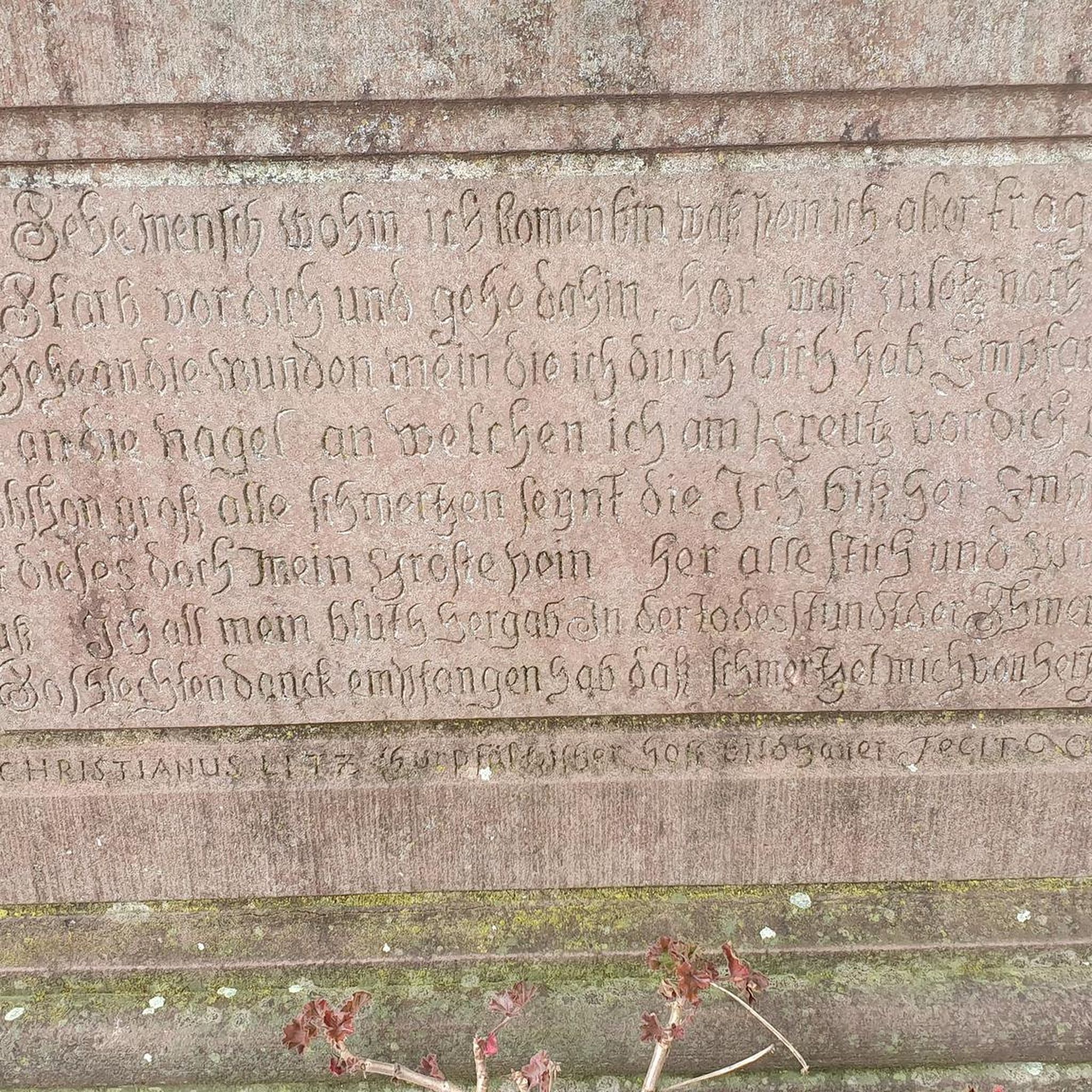
The modest Saint-Fiacre church in Lugny-Champagne does not offer any remarkable architectural features and therefore does not benefit from any legal protection. Its plan is of elementary simplicity: a rectangular nave opening onto a slightly narrower choir with a rounded chevet. The whole is covered with a wooden ceiling forming a pointed barrel vault and concealing a modern cement vault (around 1890). The profiles of all the openings (western portal, windows, triumphal arch) are pointed arches; frail engaged colonnettes topped with small hooked capitals receive the legs of the roof trusses. This curious, and apparently ancient, arrangement is completed by an interior cornice which thus connects and crowns all these false bays. All these details taken together place the construction in the late 13th century. Among the furnishings of this small church, we notice an 18th century altarpiece, a 17th century foundation plaque, a 16th century stone holy water font base. and above all a very rare cast iron holy water font, bearing a cast inscription that dates it from 1494 and attributes it to the master blacksmith of the nearby mill of La Motte-Cochon, a precious testimony to an early metallurgical activity in the region. The framework has been reworked and reinforced several times over the ages. It constitutes the weak point of the building; during the summer of 1996, the ridge beam once again bent, producing disorders at the top of the walls. An emergency intervention aimed to consolidate the framework. The Sauvegarde de l’Art Français contributed 35,000 F in 1997.
0
0

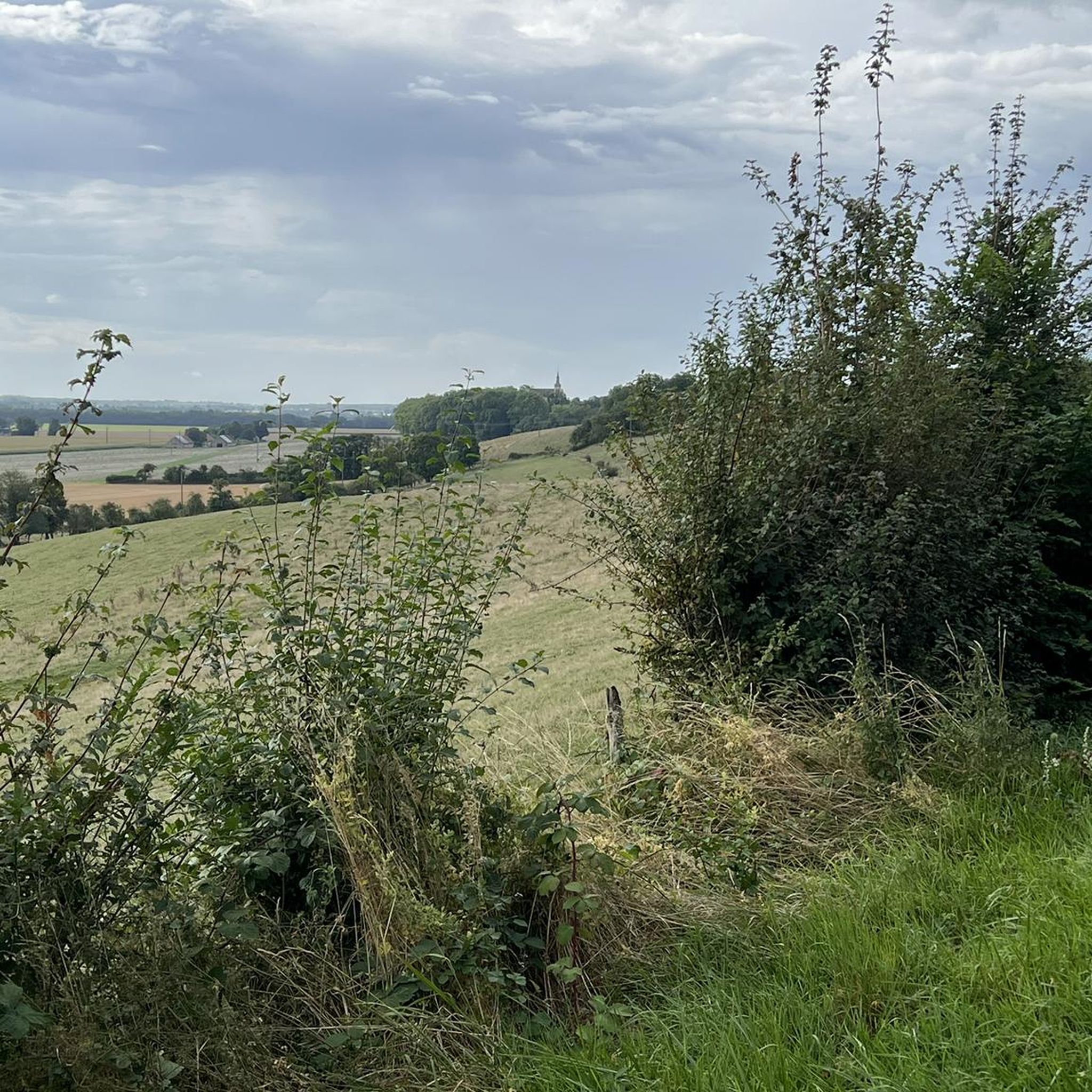
Impossible to miss this beautiful church all alone at the end of this grassy path. Its history echoes the construction of the Notre-Dame de Fourvières basilica in 1870 following the wish of the Lyonnais to build it if the Prussians do not cross the Saône. Indeed, Claude Gindre, the owner of the Château de Laverdines since 1860, is a silk worker from Lyon and makes a similar wish concerning the Vauvise valley. He kept his promise in 1873 by having this chapel dedicated to the Virgin built, but outside the castle grounds so that all the villagers could have access to it. A replica of the Virgin Mary which crowns the Lyon basilica was initially on its roof and is today preserved on the ground, next to the church. It was bought by the municipality in 1893 for a symbolic franc and then work was undertaken with the help of the heritage foundation between 2016 and 2019 in order to repair significant external damage. Behind the gate on the other side of the road, you can see Laverdines Castle in the distance.
0
0

Built in 1460, the castle of Menetou-Couture impresses with its height: 38 meters. Today, only the keep and a tower housing a chapel remain. The park is home to century-old trees. The castle and its park can be visited, with a guide, for € 6 per adult. More information on https://www.berryprovince.com/patrimoine-culturel/chateau-de-menetou-couture-menetou-couture/
2
0
The Templar Commandery of Bordes, the first traces of which date from 1170, is classified as a French heritage. From 1312, it was devolved to the order of the Hospitallers of Saint John of Jerusalem. The chapel, still visible today, dates from the end of the 13th century.
1
0
The Laverdines Church having been destroyed, the village no longer had a parish. During the invasion of Prussia in 1870, Claude Gindre, then owner of the castle of Laverdines, promised to build a chapel if Prussia did not cross the Loire. The promise was kept with the construction from 1873 to 1875 of this chapel, ceded to the state for a symbolic Franc in 1983. It is well maintained, and is located right next to the Castle of the same name, which cannot be visited.
2
0
Frequently Asked Questions
What historical sites can I visit in Villequier?
Villequier is rich in history. You can explore the Commanderie de Templier des Bordes and its chapel, which dates back to 1170 and is classified as French heritage. Additionally, the Menetou-Couture Castle, built in 1460, offers a glimpse into medieval architecture with its impressive keep and chapel tower. The village also features the historic Église Saint-Martin and the Musée Victor Hugo, housed in the former home of his in-laws.
Are there any notable religious buildings to see in the area?
Yes, the region has several significant religious sites. The Notre-Dame de Fourvière Chapel, Laverdines, constructed between 1873 and 1875, is a beautiful example of local religious architecture. You can also visit the Saint-Sylvain Church, which has a unique history tied to a promise made during the 1870 invasion of Prussia. The Église Saint-Martin in Villequier is also historically significant, serving as the resting place for Léopoldine Hugo.
What natural attractions are there around Villequier?
Villequier is nestled within the Regional Natural Park of Boucles de la Seine Normande, offering beautiful natural landscapes. The Bois de Villequier, a classified Sensitive Natural Area, provides pleasant views over the Seine and is rich in diverse flora and fauna, with numerous accessible footpaths. Strolling along the Seine Riverbanks is also a peaceful way to enjoy the scenery.
What outdoor activities can I do near Villequier?
The area around Villequier is ideal for outdoor enthusiasts. You can find numerous routes for hiking, running, and cycling. For hiking, consider trails like the 'Saint Martin Church loop from Baugy' or the 'Étang de la Garenne loop from Nérondes'. Cyclists can explore routes such as the 'Bike loop from Avord' or the 'Château du Préau loop from Farges-en-Septaine'. You can find more details on these activities in the Hiking around Villequiers, Running Trails around Villequiers, and Cycling around Villequiers guides.
Are there family-friendly attractions in Villequier?
Many of the historical and religious sites, such as the Notre-Dame de Fourvière Chapel, Laverdines and the Saint-Sylvain Church, are suitable for family visits, offering educational insights into the region's heritage. The natural areas like the Bois de Villequier also provide opportunities for family walks and exploring the outdoors.
What is the connection between Villequier and Victor Hugo?
Villequier holds a profound connection to Victor Hugo, particularly through the tragic drowning of his daughter, Léopoldine Hugo, and her husband in the Seine in 1843. The Musée Victor Hugo, located in the former home of his in-laws, recounts this poignant story and displays collections related to the writer. A statue of Victor Hugo also overlooks the Seine, commemorating this significant part of his life and the village's history.
Can I visit the Menetou-Couture Castle?
Yes, the Menetou-Couture Castle and its park are open to visitors. It features a keep and a tower housing a chapel, surrounded by century-old trees. Guided visits are available.
Are there any ancient historical sites in the Villequier area?
Beyond the medieval structures, the region has even older roots. The "Camp de César" (Caesar's Camp) is an ancient fortified site with history dating back to Roman times, offering an interesting historical point within the natural landscape.
What do visitors enjoy most about Villequier?
Visitors appreciate Villequier's blend of historical depth and natural beauty. The intimate connection to Victor Hugo, the peaceful atmosphere with half-timbered houses, and the scenic views over the Seine are frequently highlighted. The historical buildings, religious sites, and castles, combined with opportunities for outdoor activities in the Regional Natural Park, make it a diverse destination.
Are there walking routes available in the Bois de Villequier?
Yes, the Bois de Villequier, a Sensitive Natural Area, features numerous footpaths that are accessible for pleasant walks. These trails offer opportunities to enjoy the diverse flora and fauna and discover the various springs within the wood, all while providing views over the Seine.
Where can I find information about hiking difficulty for trails around Villequier?
When planning your hikes around Villequier, you can find details on difficulty grades for specific routes. For example, the 'Saint Martin Church loop from Baugy' is considered difficult, while the 'Étang de la Garenne loop from Nérondes' has an easy difficulty grade. More information on various hiking trails and their difficulties is available in the Hiking around Villequiers guide.
What is the significance of the Chapelles de Barre-y-Va?
The Chapelles de Barre-y-Va is a significant site comprising a large 16th-century chapel dedicated to Notre-Dame, an early 17th-century former chaplain's house, and an 18th-century blue oratory. It holds particular importance as a pilgrimage site for sailors, reflecting the region's historical connection to the Seine River.

Get inspired with the komoot mobile app


Explore more
Still not found the Highlight you’re looking for? See guides of the top attractions in other regions:
