The best road cycling routes around Crézancy-En-Sancerre
4.4
(22)
1,045
riders
154
rides
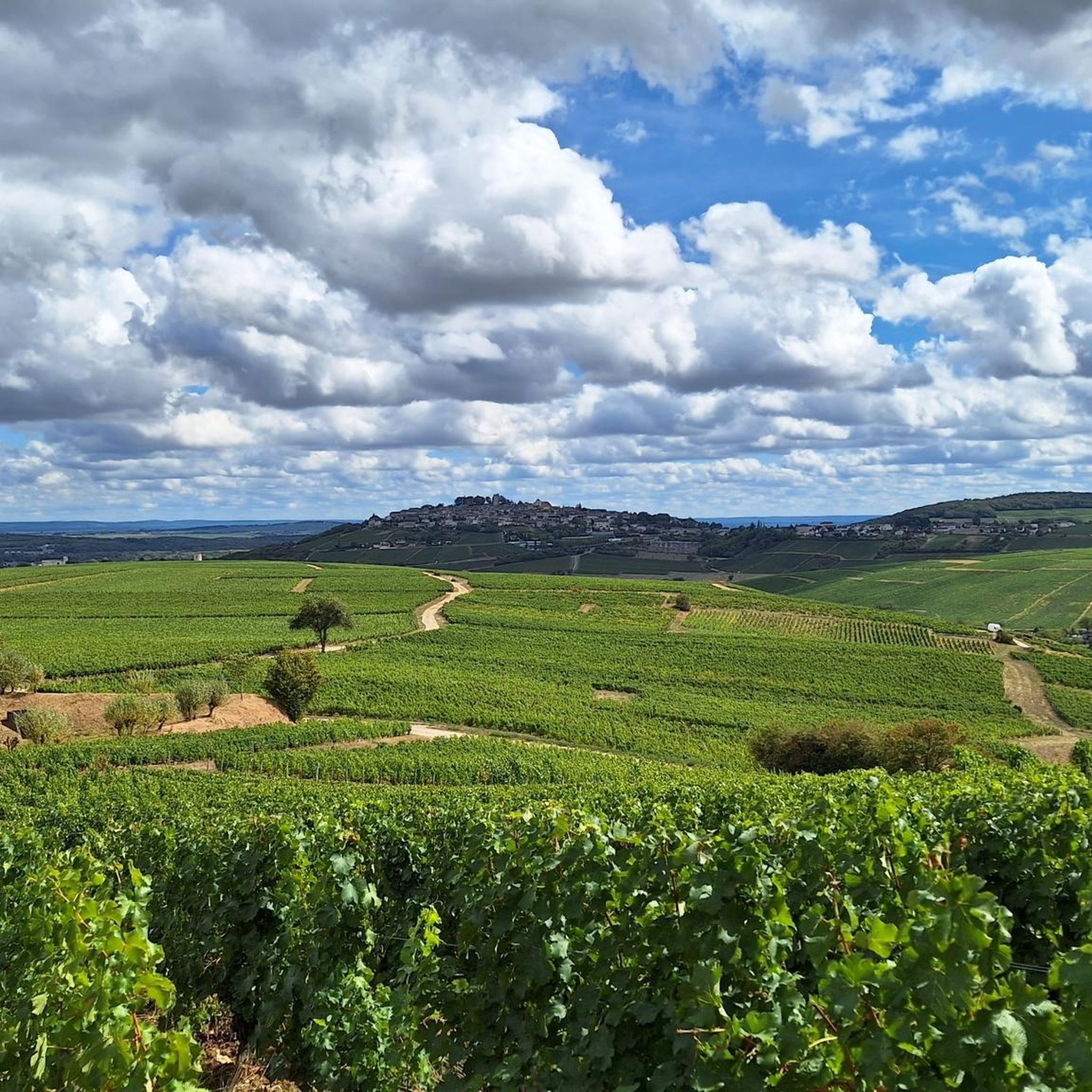
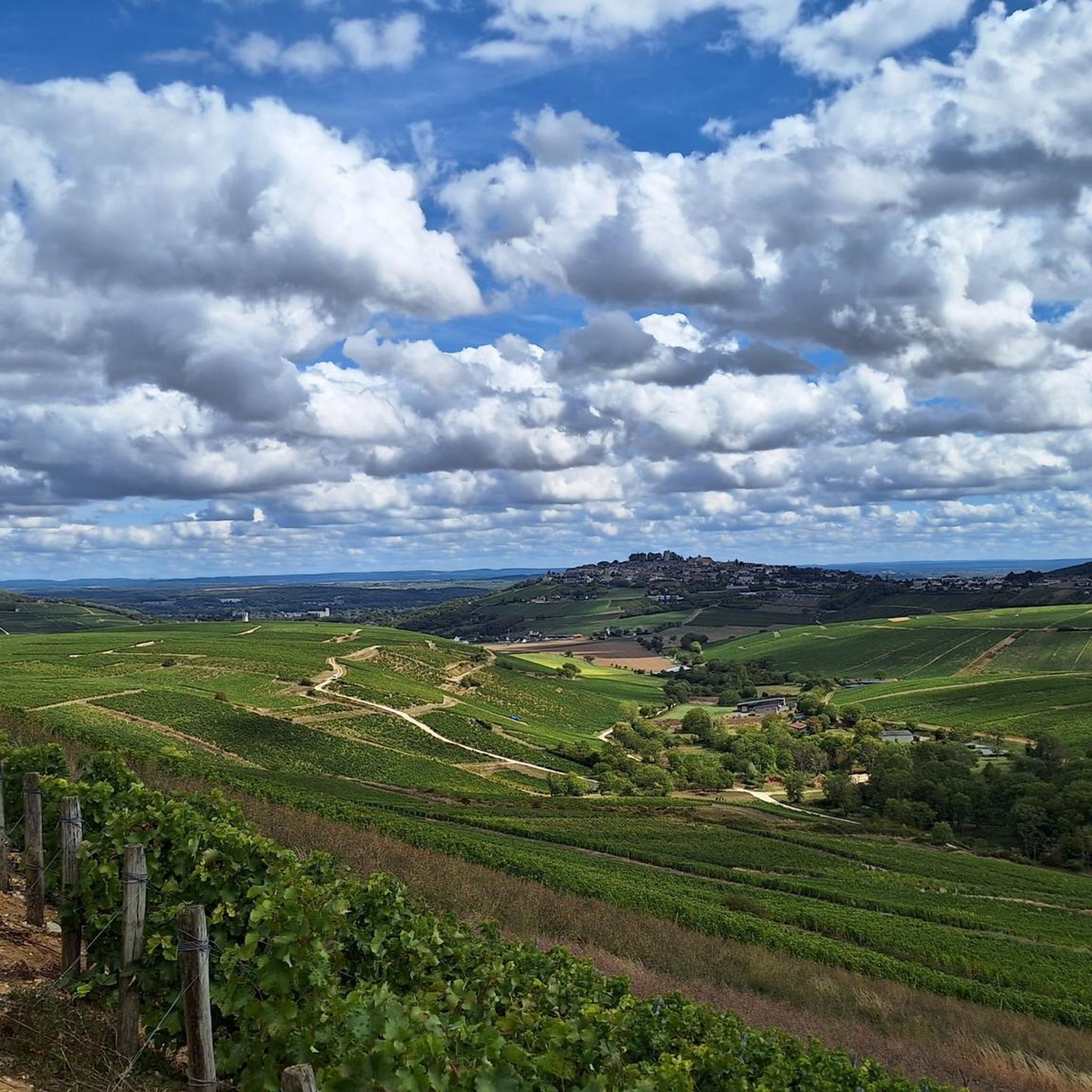
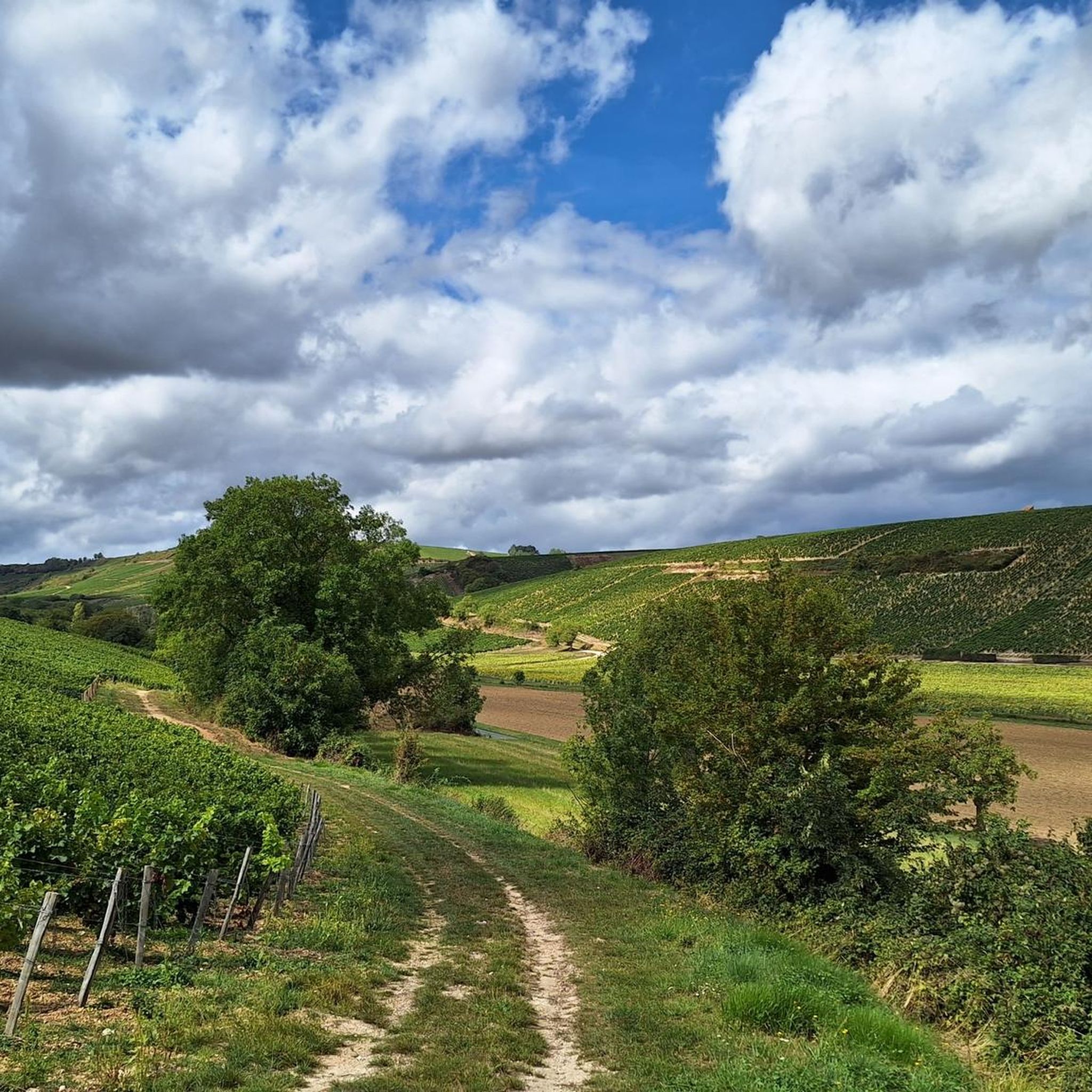
Road cycling routes around Crézancy-En-Sancerre traverse a landscape characterized by rolling hills, extensive vineyards, and rural roads. The region, part of the Sancerre wine area, offers varied terrain suitable for road cyclists. Elevation changes are common, providing both challenging climbs and scenic descents through agricultural land and small villages.
Best road cycling routes around Crézancy-En-Sancerre
- The most popular road cycling route is Loir at Saint-Satur – Côte de la pointe 20% loop from Bué, a 26.0 miles (41.8 km)…
Last updated: July 3, 2026
7
riders
42.2km
02:03
490m
490m
Moderate road ride. Good fitness required. Some segments of this route may be unpaved and difficult to ride.
7
riders
86.0km
04:07
1,120m
1,120m
Hard road ride. Very good fitness required. Mostly well-paved surfaces and easy to ride.

Sign up for free
4
riders
71.3km
02:58
400m
400m
Moderate road ride. Good fitness required. Mostly well-paved surfaces and easy to ride.
5
riders
45.6km
02:04
480m
480m
Moderate road ride. Good fitness required. Mostly well-paved surfaces and easy to ride.
5.0
(1)
4
riders
Moderate road ride. Good fitness required. Mostly well-paved surfaces and easy to ride.
Get access to more routes and recommendations from other explorers.
Sign up for free
Already have an account?
Our route recommendations are based on thousands of hikes, rides, and runs completed by other people on komoot.
Start today with a free account
Your next adventure awaits.
Login or Signup

Tips from the Community


We wanted to visit the church, but everything was closed. Such a shame.
0
0

The viaduct that connects Saint-Germain-du-Puy and Cosne is quite impressive. When you pass underneath it along the greenway, you'll realize the scale of the construction.
0
0


Priory-rectory dependent on the abbey of Saint-Satur. The church was rebuilt from the end of the 15th century, starting with the tower forming a bell tower-porch, which can be attributed to a certain Hélias Ruellé, while the coat of arms appearing on the keystones of the nave vault indicate the participation of Guillaume de Ménipeny, abbot of Saint-Satur attested until 1527. The date of 1533 is shown on a keystone. The renovation of the church was probably completed around 1535. The first church was built in the 13th century, of which some remains and perhaps the bell tower-porch remain. The current construction dates mainly from the 16th century and represents one of the rare Renaissance religious buildings in this department. The renovation of the choir and the chevet (capitals) and the construction of the sacristy date from the 19th century. Keystone dated 1533 with the Rochechouart coat of arms.
0
0
15th century church renovated in the 19th century. This 19th century restoration consisted of the addition of two chapels to the north and south, which thus form two side aisles. The western bay and the bell tower also date from this restoration.
0
0
Frequently Asked Questions
How many road cycling routes are available around Crézancy-En-Sancerre?
There are over 120 road cycling routes in the Crézancy-En-Sancerre area, offering a wide range of options for different skill levels. You'll find everything from easy rides to challenging climbs through the region's vineyards and rolling hills.
Are there easy road cycling routes suitable for beginners in Crézancy-En-Sancerre?
Yes, Crézancy-En-Sancerre offers a selection of easy road cycling routes perfect for beginners. There are 13 routes specifically rated as easy, allowing you to enjoy the scenic countryside without overly strenuous climbs. These routes often feature gentler gradients and quieter roads.
Can I find long-distance road cycling routes around Crézancy-En-Sancerre?
Absolutely. The region provides several longer routes for endurance cyclists. For example, the Notre Dame du Noyer Church – La Borne, potters' village loop from Neuilly-en-Sancerre is a challenging 53.4-mile (86.0 km) path that explores the Sancerre region's countryside and historic villages.
What is the best time of year for road cycling in Crézancy-En-Sancerre?
The best time for road cycling in Crézancy-En-Sancerre is typically from spring to early autumn (April to October). During these months, the weather is generally mild and pleasant, ideal for exploring the vineyards and rural landscapes. Autumn also offers beautiful foliage, though some routes might have fallen leaves.
Are there any advanced road bike climbs near Crézancy-En-Sancerre?
Yes, the Sancerre region is known for its rolling hills and offers several challenging climbs. The Loir at Saint-Satur – Côte de la pointe 20% loop from Bué, for instance, features a notable climb with a 20% gradient, providing a good test for advanced cyclists.
What kind of terrain can I expect on road cycling routes in Crézancy-En-Sancerre?
Road cycling routes around Crézancy-En-Sancerre are characterized by rolling hills, extensive vineyards, and quiet rural roads. You'll encounter varied terrain, including both challenging ascents and scenic descents, passing through agricultural land and charming small villages. The region is part of the Sancerre wine area, so vineyard views are common.
Are there circular road bike routes available in Crézancy-En-Sancerre?
Many of the road cycling routes in Crézancy-En-Sancerre are designed as circular loops, allowing you to start and finish at the same point. Examples include the Les Salières – La Blancherie loop from Bué, which takes you through rural landscapes and vineyards, and the Saint-Martial Church – Picnic area with trees loop from Sens-Beaujeu.
What can I see along the road cycling routes in the Crézancy-En-Sancerre area?
The routes offer plenty to see, from picturesque vineyards to historic villages. Notable attractions include the medieval town of Sancerre, the Canal latéral à la Loire, and the Saint-Satur Viaduct. You can also find stunning views like the Viewpoint over the Sancerre valley.
Are there any routes that pass through interesting villages or offer cafe stops?
Many routes wind through charming French villages where you can find cafes and bakeries. The Notre Dame du Noyer Church – La Borne, potters' village loop from Neuilly-en-Sancerre, for instance, passes through La Borne, a historic potters' village, offering unique cultural stops along your ride.
What do other road cyclists enjoy the most about road cycling in Crézancy-En-Sancerre?
The area is highly rated by the komoot community, with an average score of 4.3 stars. Reviewers often praise the quiet rural roads, the beautiful vineyard landscapes, and the varied terrain that offers both enjoyable descents and challenging climbs. The well-maintained routes and scenic views are frequently highlighted.
Where can I find parking for road cycling routes in Crézancy-En-Sancerre?
While specific parking areas for each trailhead are not always designated, you can generally find public parking in the centers of Crézancy-En-Sancerre and surrounding villages like Bué or Neuilly-en-Sancerre. Look for municipal car parks or street parking in these areas to begin your ride.
Is public transport a viable option for accessing road cycling routes in Crézancy-En-Sancerre?
Crézancy-En-Sancerre is a rural area, and public transport options are limited compared to larger cities. While there might be local bus services, they may not be frequent or equipped for bicycles. Driving to the area and parking in a village is generally the most convenient way to access the routes.
Most popular routes around Crézancy-En-Sancerre
Most popular attractions around Crézancy-En-Sancerre

Get inspired with the komoot mobile app


Explore more
Browse the best Road cycling routes in other regions.
