Attractions and Places To See around Saint-Anthème - Top 20
Best attractions and places to see around Saint-Anthème include a variety of natural landmarks and cultural sites within the Auvergne-Rhône-Alpes region of France. The area is situated in the Livradois-Forez Regional Natural Park, offering diverse landscapes. Visitors can explore volcanic features, traditional high-altitude farms, and historic villages. The region provides a mix of natural beauty and cultural heritage.
Best attractions and places to see around Saint-Anthème
- The most popular attractions is Col des Supeyres, a mountain pass that serves as a starting point for hiking trails. At 1,365 meters, it also offers possibilities for cross-country skiing and snowshoeing in winter.
- Another must-see spot is Montarcher, a settlement perched at 1,162 meters, offering panoramic views. This village is on the Camino de Santiago and features a church with Romanesque and Gothic elements.
- Visitors also love Jasserie du Coq Noir, a traditional high-altitude farm and museum. It offers regional specialties and local products, and houses a museum space.
- Saint-Anthème is known for its mountain passes, historical settlements, and traditional huts. The region offers a variety of attractions to see and explore, from natural viewpoints to cultural heritage sites.
- The attractions around Saint-Anthème are appreciated by the komoot community, with more than 170 upvotes and 55 photos shared by visitors.
Last updated: July 2, 2026
Col des Supeyres
Highlight • Mountain Pass
Translated by Google •
Tip by

Montarcher
Highlight • Settlement
Translated by Google •
Tip by

Sign up now to discover places like this
Get recommendations on the best single tracks, peaks, & plenty of other exciting outdoor places.
Sign up for free
Jasserie du Coq Noir
Highlight • Mountain Hut
Also houses a museum
Translated by Google •
Tip by

Marols
Highlight • Settlement
Translated by Google •
Tip by
The Grande Pierre Bazanne
Highlight • Summit
Translated by Google •
Tip by
Sign up for free to discover even more attractions around Saint-Anthème.
Sign up for free
Already have an account?
Start today with a free account
Your next adventure awaits.
Login or Signup
Popular around Saint-Anthème
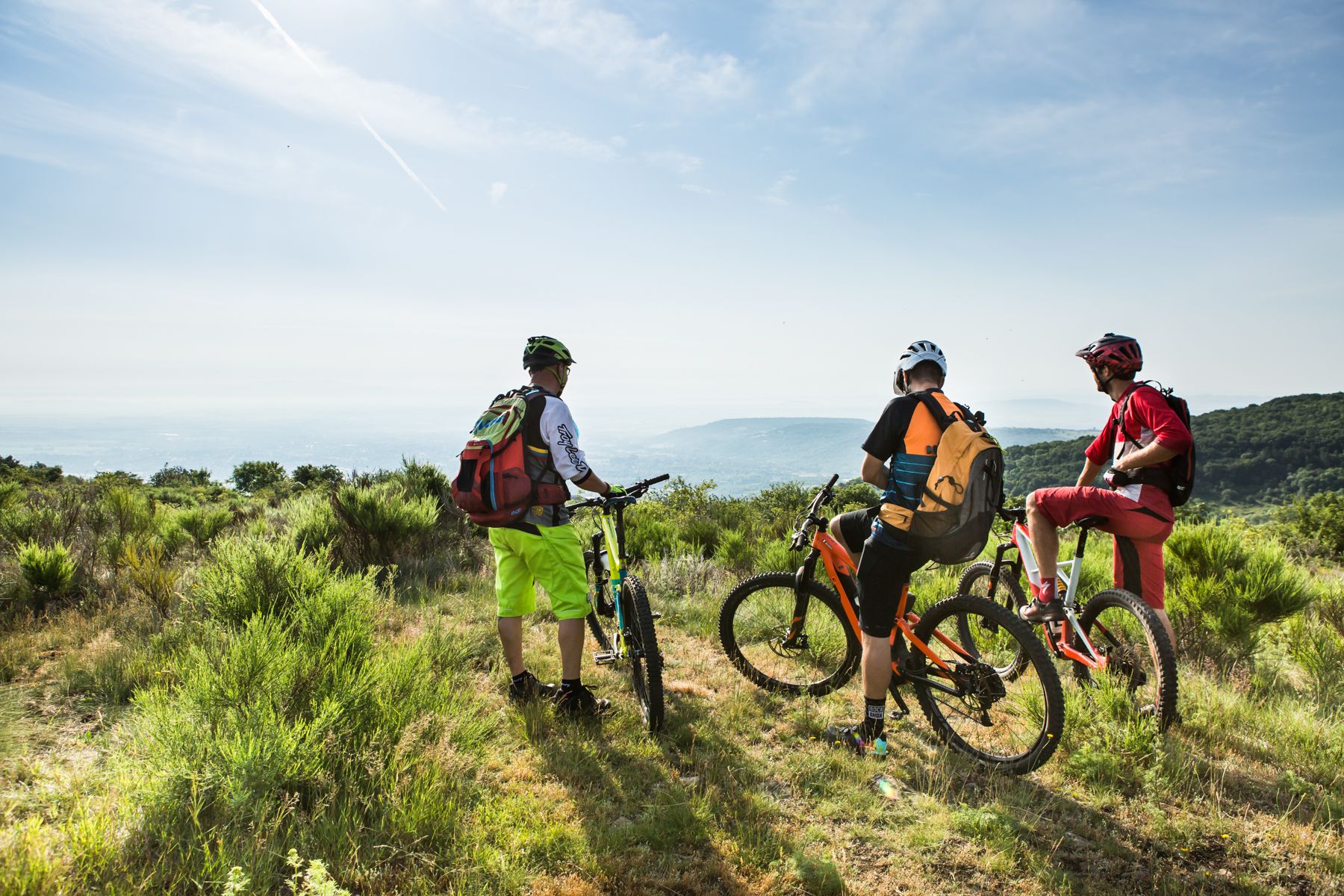
Puy-de-Dôme – the Volcanoes of Auvergne by MTB
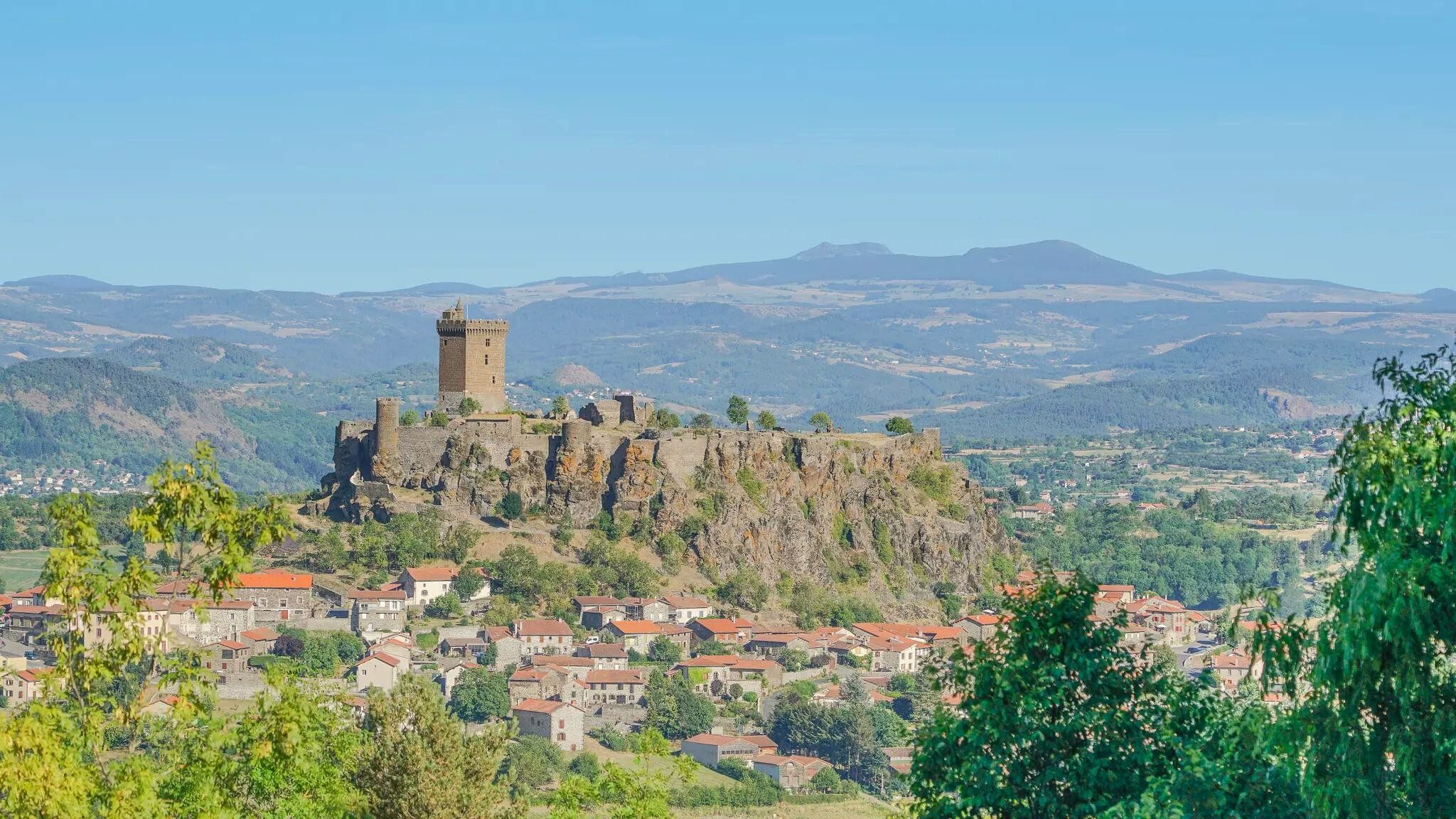
The Loire from ocean to source – GR 3 between Chabreloche and Puy-en-Velay
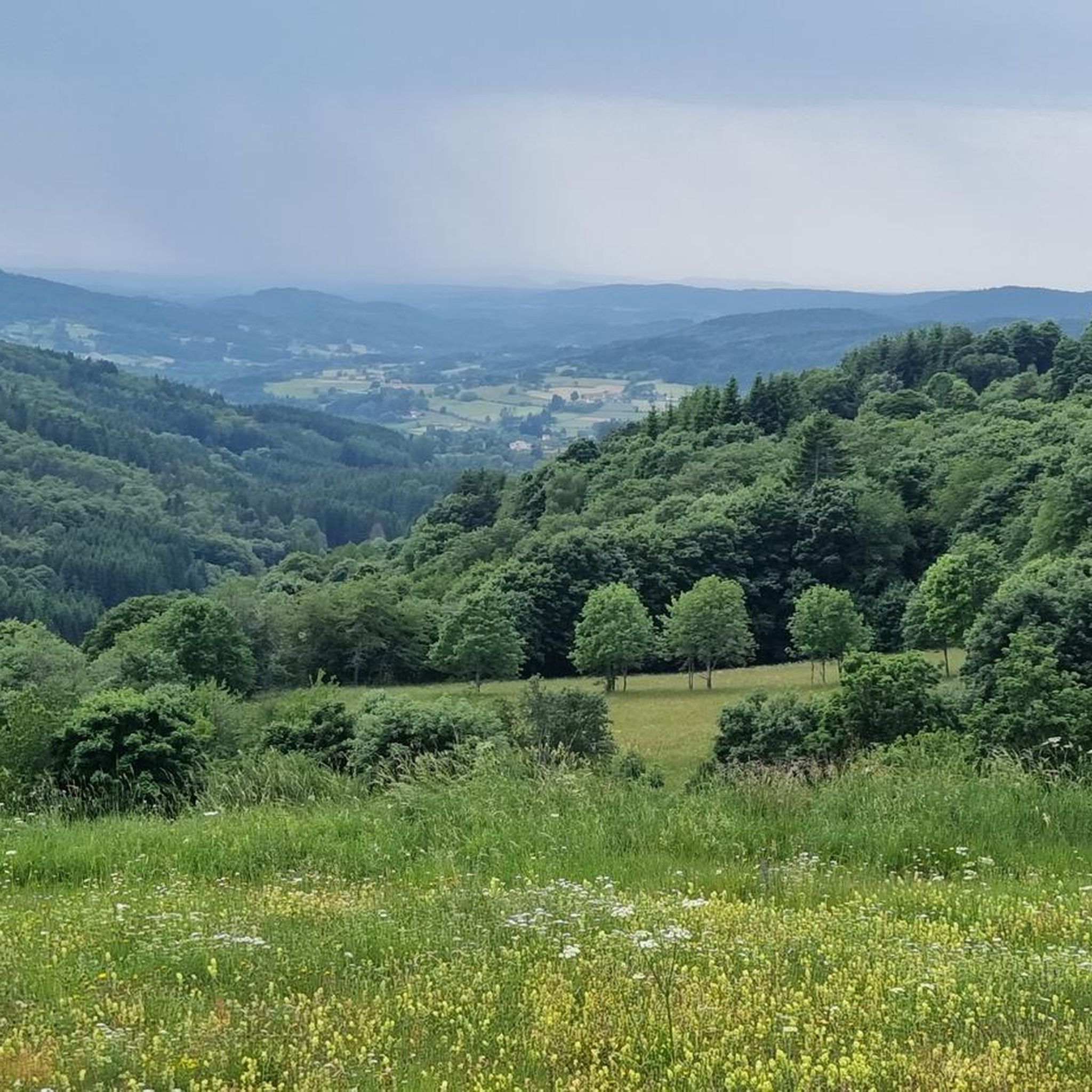
MTB Trails around Saint-Anthème
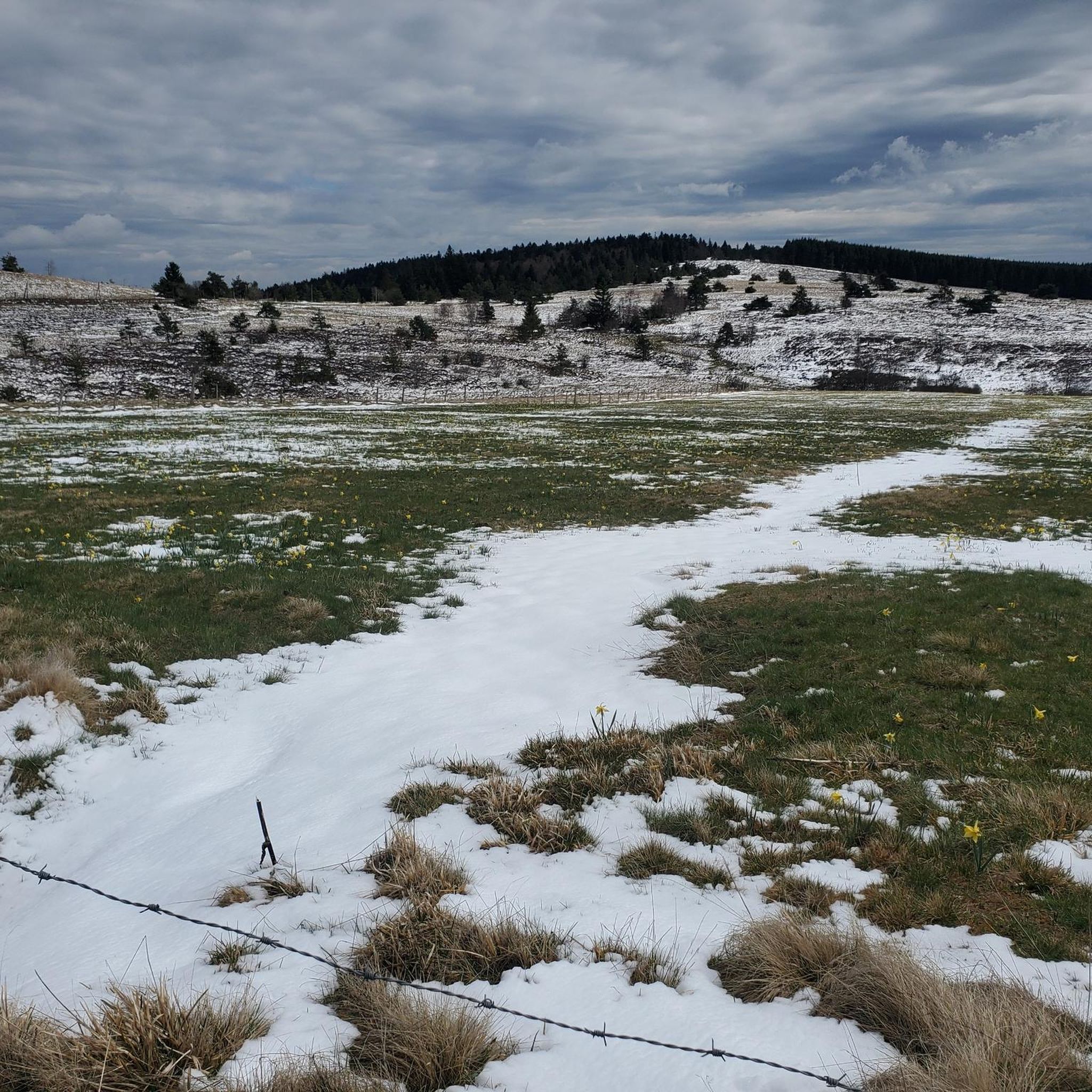
Hiking around Saint-Anthème
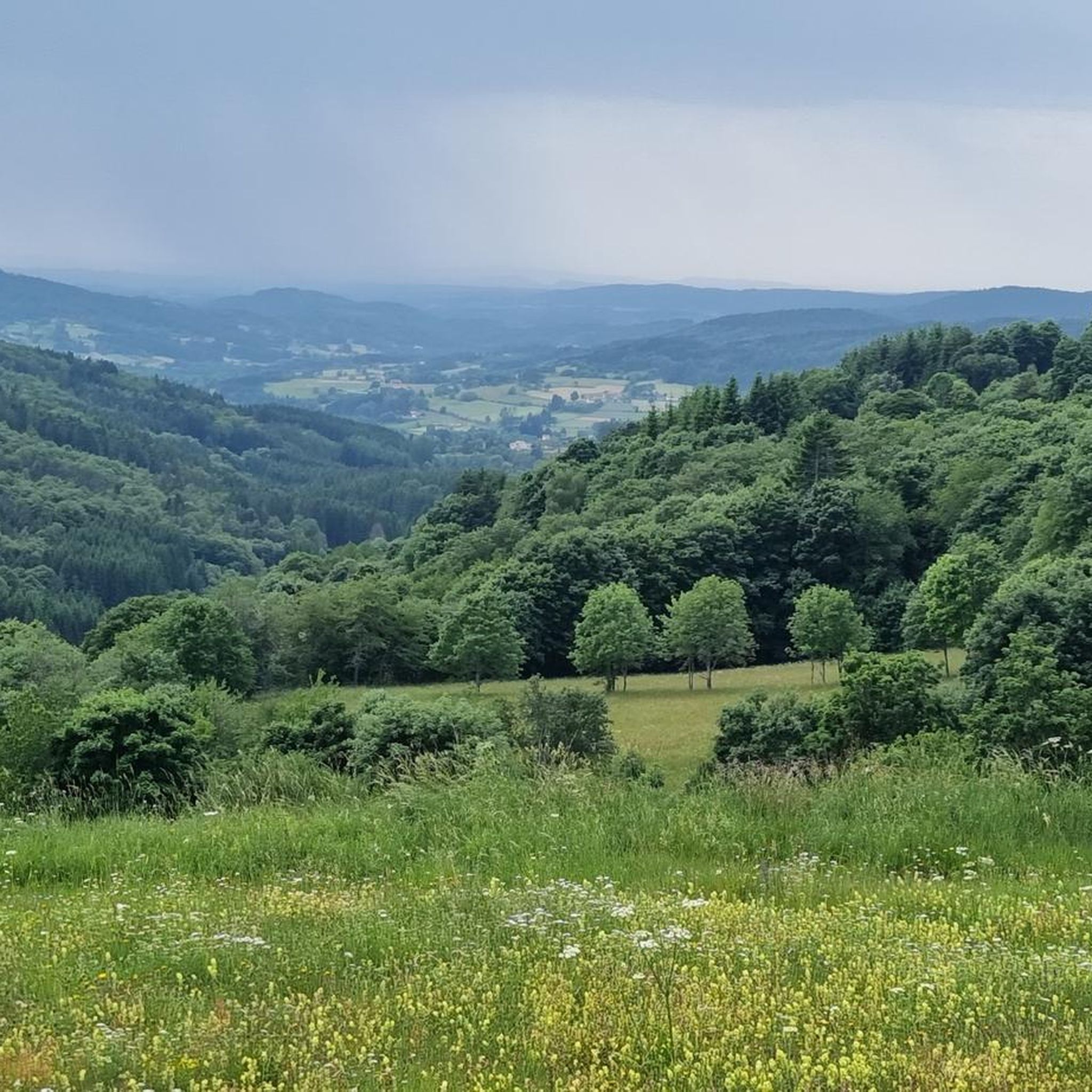
Road Cycling Routes around Saint-Anthème
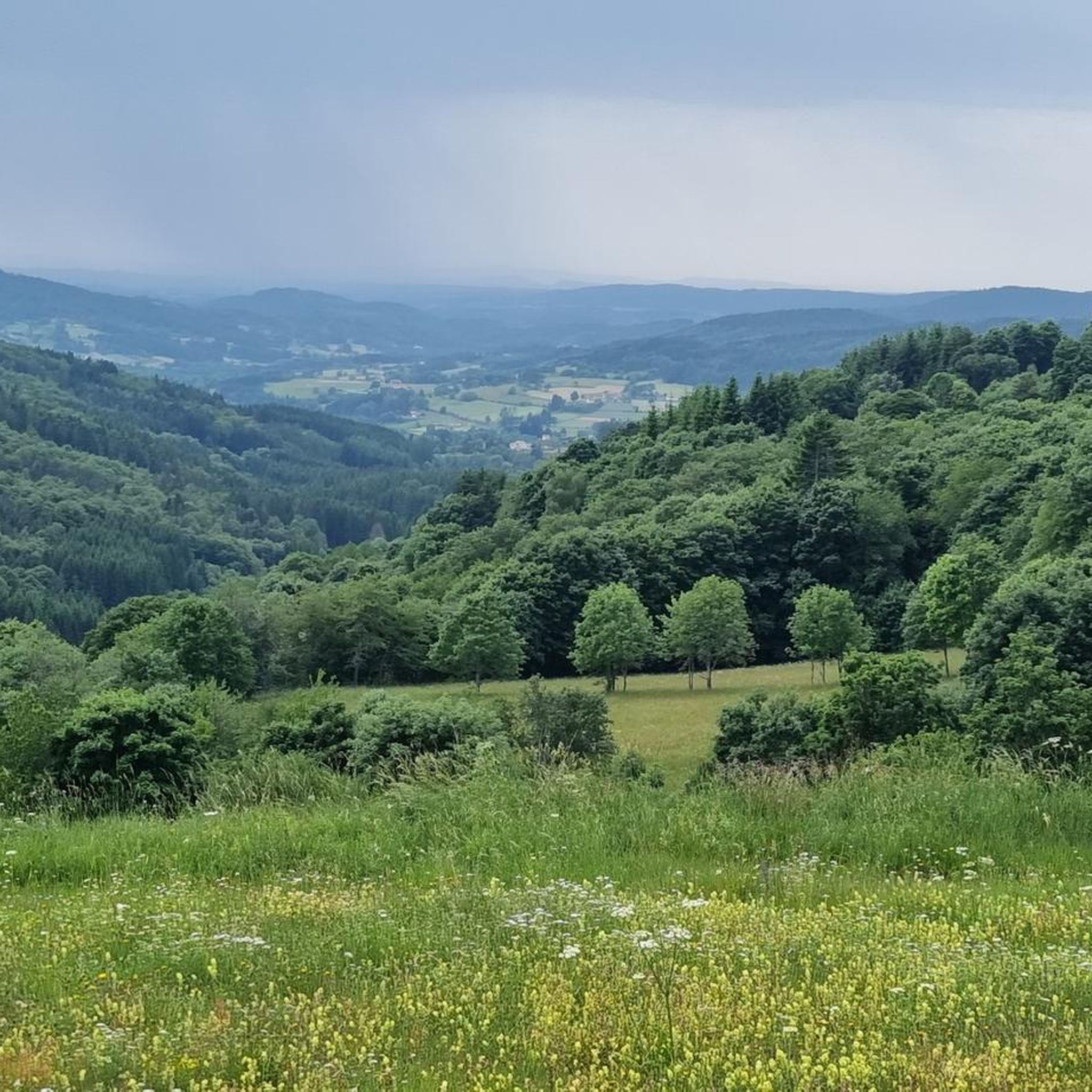
Cycling around Saint-Anthème
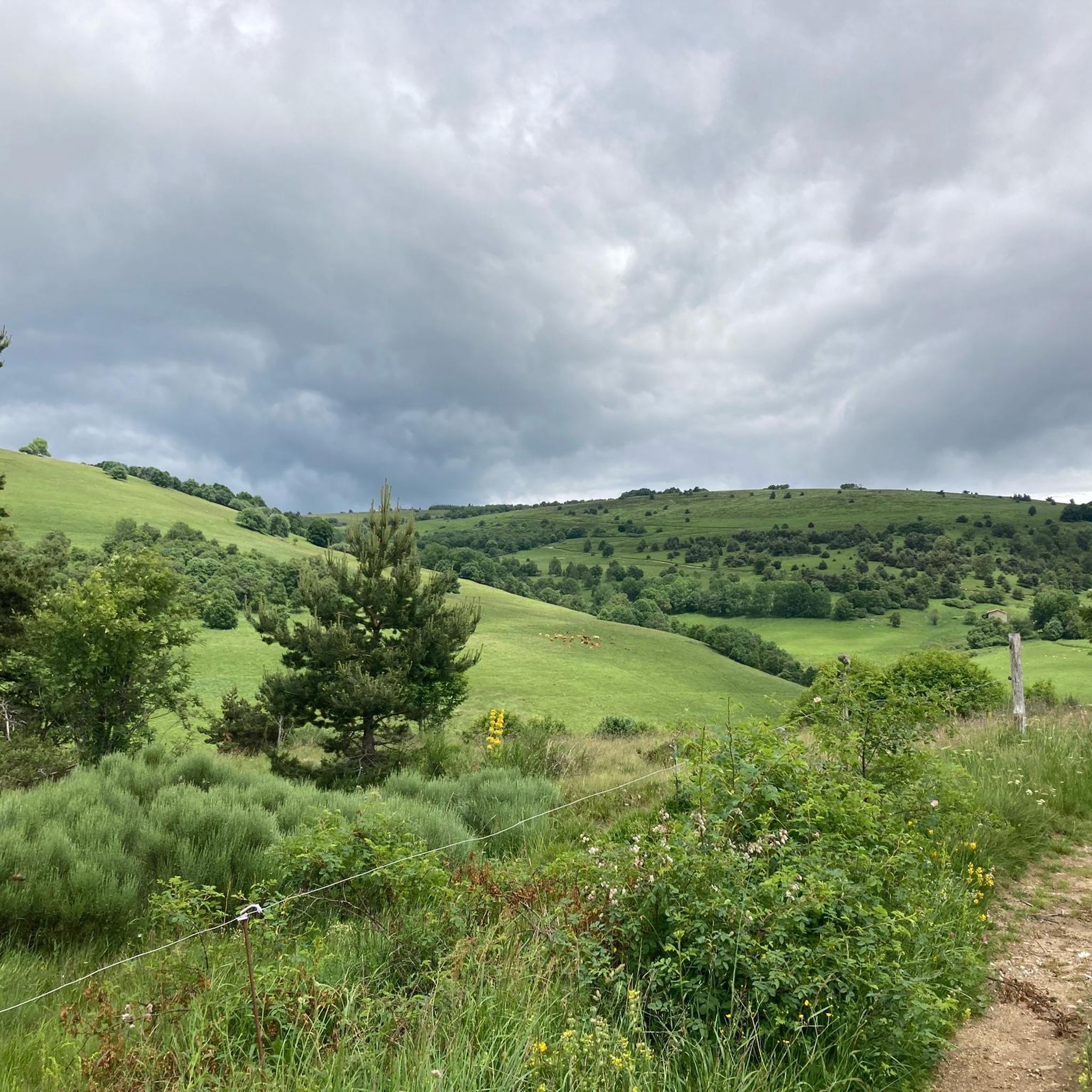
Running Trails around Saint-Anthème
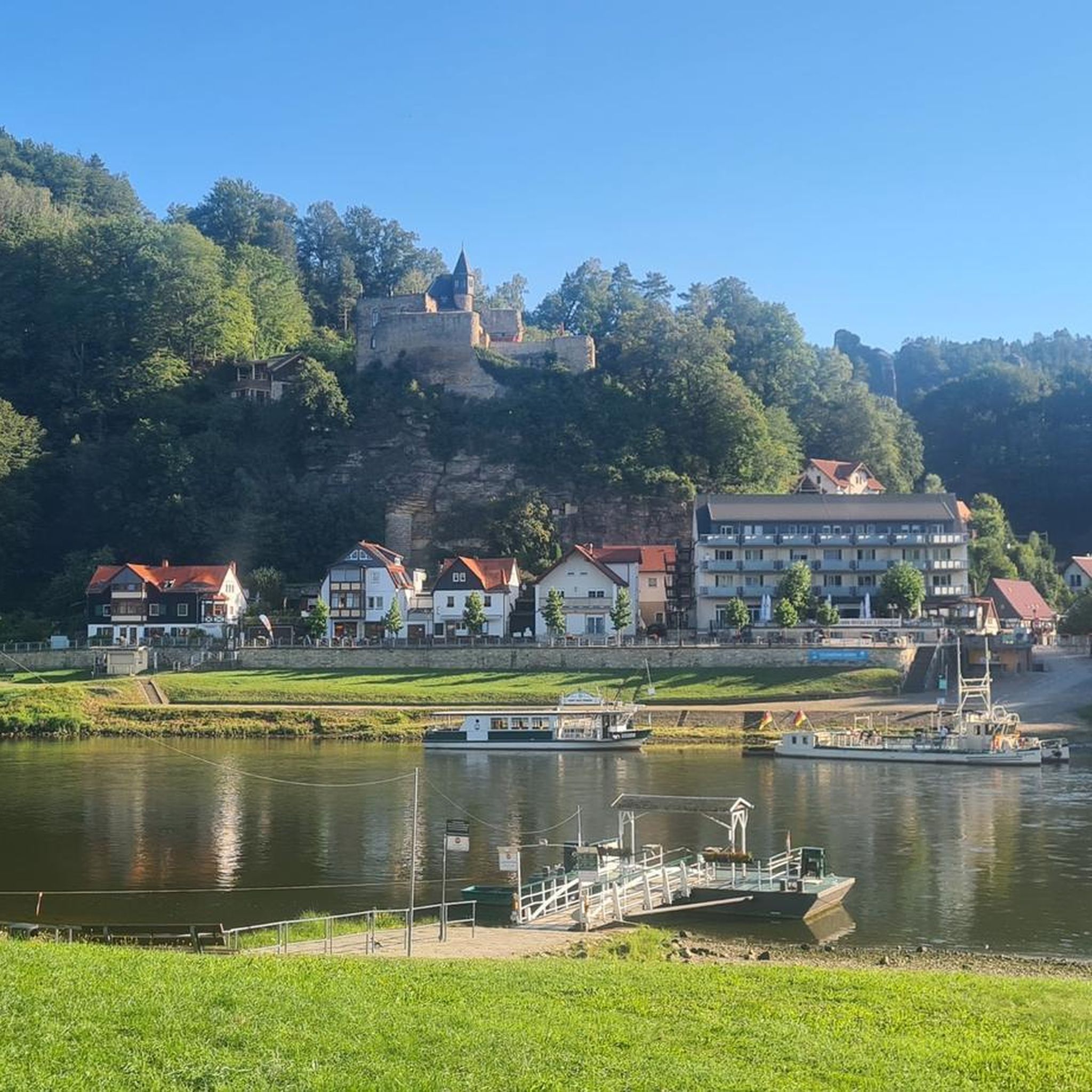
Gravel biking around Saint-Anthème


Tips from the Community

Possibility of filling up with fresh water.
0
0

Superb pass and a stone's throw away the Gîte des Gentianes offers you a snack, overnight meal... and a superb welcome.
1
0

The Jasserie du Coq Noir is managed as an association. Lunch and dinner served all summer, remember to book, the place is worth the detour! Concerts and events throughout the season.
1
0

Departure from the mountain bike circuit of the same name.
0
0

Always very pleasant pass, very little frequented by cars.
0
0

Traditional dwellings also serving as stables and cheese factories, the jasseries are to the Forez mountains what the burons are to the Cantal mountains.
0
0
At an altitude of 1,365 meters, the Col des Supeyres is the ideal location for mountain biking. In winter, it also offers opportunities for cross-country skiing and snowshoeing, and is a renowned site for snowkiting.
1
0

Montarcher, a small town in the heart of southern Haut-Forez, perched at 1162 meters, offers an exceptional panorama over the Velay and the Forez. Registered site, Montarcher is classified "Village of character" and has a remarkable heritage.
4
0
Frequently Asked Questions
What natural landmarks can I explore around Saint-Anthème?
The region offers several notable natural features. You can visit Col des Supeyres, a mountain pass at 1,365 meters offering panoramic views and serving as a starting point for trails. Another impressive site is The Grande Pierre Bazanne, a volcanic neck at 1,394 meters with a 360-degree panorama. Other natural highlights include the Tourbière de Baracuchet peat bog, the picturesque Cascade du Creux de l'Oulette, and the scenic La Vallée du Fossat.
Are there any historical or cultural sites to visit near Saint-Anthème?
Yes, the area is rich in history and culture. Explore Montarcher, a historic village perched at 1,162 meters on the Camino de Santiago, featuring a church with Romanesque and Gothic elements. The Jasserie du Coq Noir is a traditional high-altitude farm and museum where you can learn about local heritage and taste regional specialties. The charming village of Marols is known for its well-preserved medieval character and numerous artists' studios. You can also visit the historic Moulin Richard de Bas paper mill or the Musée de l'École 1900.
What outdoor activities are available near Saint-Anthème?
Saint-Anthème, located within the Livradois-Forez Regional Natural Park, is ideal for outdoor enthusiasts. The Col des Supeyres is a popular spot for hiking, mountain biking, cross-country skiing, snowshoeing, and snowkiting. The region offers numerous trails, including sections of the GR3, part of the Camino de Santiago. For specific routes, you can find various options for road cycling, running, and gravel biking.
Are there family-friendly attractions around Saint-Anthème?
Yes, several attractions are suitable for families. The Jasserie du Coq Noir offers a museum space and local products, making it an engaging stop for all ages. The village of Marols, with its artistic atmosphere and well-preserved heritage, can also be an interesting visit for families. The natural landscapes, such as the Cascade du Creux de l'Oulette, provide opportunities for gentle walks and exploration.
What is the best time of year to visit Saint-Anthème for outdoor activities?
The best time depends on your preferred activities. Spring (around April) is beautiful for seeing daffodils bloom near The Grande Pierre Bazanne. Summer months are ideal for hiking, biking, and enjoying the cultural events and shows at places like the Jasserie du Coq Noir. In winter, the Col des Supeyres transforms into a hub for cross-country skiing, snowshoeing, and snowkiting.
Where can I find local food and products near the attractions?
The Jasserie du Coq Noir is an excellent place to taste regional specialties, enjoy a drink, and purchase local products like cheese or blueberry jam. There's also Restaurant l'Ardoise, located in an old school, which offers local cuisine.
Are there any villages of character worth visiting nearby?
Absolutely. Besides Montarcher and Marols, which are classified as 'Villages de Caractère,' you might also consider visiting Saint Bonnet le Château. This town boasts a medieval quarter with cobbled streets and elegant 15th and 16th-century facades, and its collegiate church houses a unique frescoed lower chapel.
What kind of hiking trails can I find around Saint-Anthème?
The region offers a variety of hiking trails, from easy walks to more challenging routes. Many trails start from the Col des Supeyres. You can explore routes within the Espace VTT-FFC Ambert Livradois Forez, such as Circuit n°5 - Les Allebasses and Circuit n°4 - Prabouré/Col des Pradeaux. The GR3, part of the Camino de Santiago, also passes through the area, offering opportunities for longer treks.
What do visitors enjoy most about the attractions around Saint-Anthème?
Visitors particularly appreciate the stunning panoramic views from elevated points like Montarcher and The Grande Pierre Bazanne. The natural beauty and pure nature found at places like Col des Supeyres are frequently highlighted. The cultural experience of traditional sites like the Jasserie du Coq Noir and the charm of historic villages also receive high praise.
Are there any unique geological features in the area?
Yes, the region has interesting geological formations. The Grande Pierre Bazanne is a volcanic neck known for its basaltic block that can affect compasses. The Volcan du Montpeloux (Saillant) also offers a glimpse into the region's volcanic past.
Can I find long-distance walking paths near Saint-Anthème?
Yes, the GR3 long-distance footpath, which is part of the historic Camino de Santiago pilgrimage route, passes through the area. This provides excellent opportunities for extended walks and multi-day hikes, connecting you to other significant sites and offering diverse landscapes.
Most popular routes around Saint-Anthème
Most popular attractions around Saint-Anthème

Get inspired with the komoot mobile app


Explore more
Still not found the Highlight you’re looking for? See guides of the top attractions in other regions:
