Attractions and Places To See around Drocourt - Top 20
Best attractions and places to see around Drocourt (Yvelines) include a variety of historical sites and natural features. This charming village maintains its rural character, offering a glimpse into traditional French life. The surrounding area is rich with castles, religious buildings, and estates, providing diverse points of interest for visitors. These attractions are situated within the Vexin Français Regional Natural Park, known for its preserved landscapes.
Best attractions and places to see around Drocourt
- The most popular attractions is La…
Last updated: June 22, 2026
La Roche-Guyon Castle
Highlight • Castle
Translated by Google •
Tip by

Château de Théméricourt
Highlight • Castle
Translated by Google •
Tip by

Sign up now to discover places like this
Get recommendations on the best single tracks, peaks, & plenty of other exciting outdoor places.
Sign up for free
Notre-Dame Church, Vétheuil
Highlight • Religious Site
Translated by Google •
Tip by

Distillerie de Fremainville
Highlight • Other
Translated by Google •
Tip by

Villarceaux Estate
Highlight • Castle
Built in the 17th century, the chateau has housed prominent …
Tip by

Sign up for free to discover even more attractions around Drocourt.
Sign up for free
Already have an account?
Start today with a free account
Your next adventure awaits.
Login or Signup
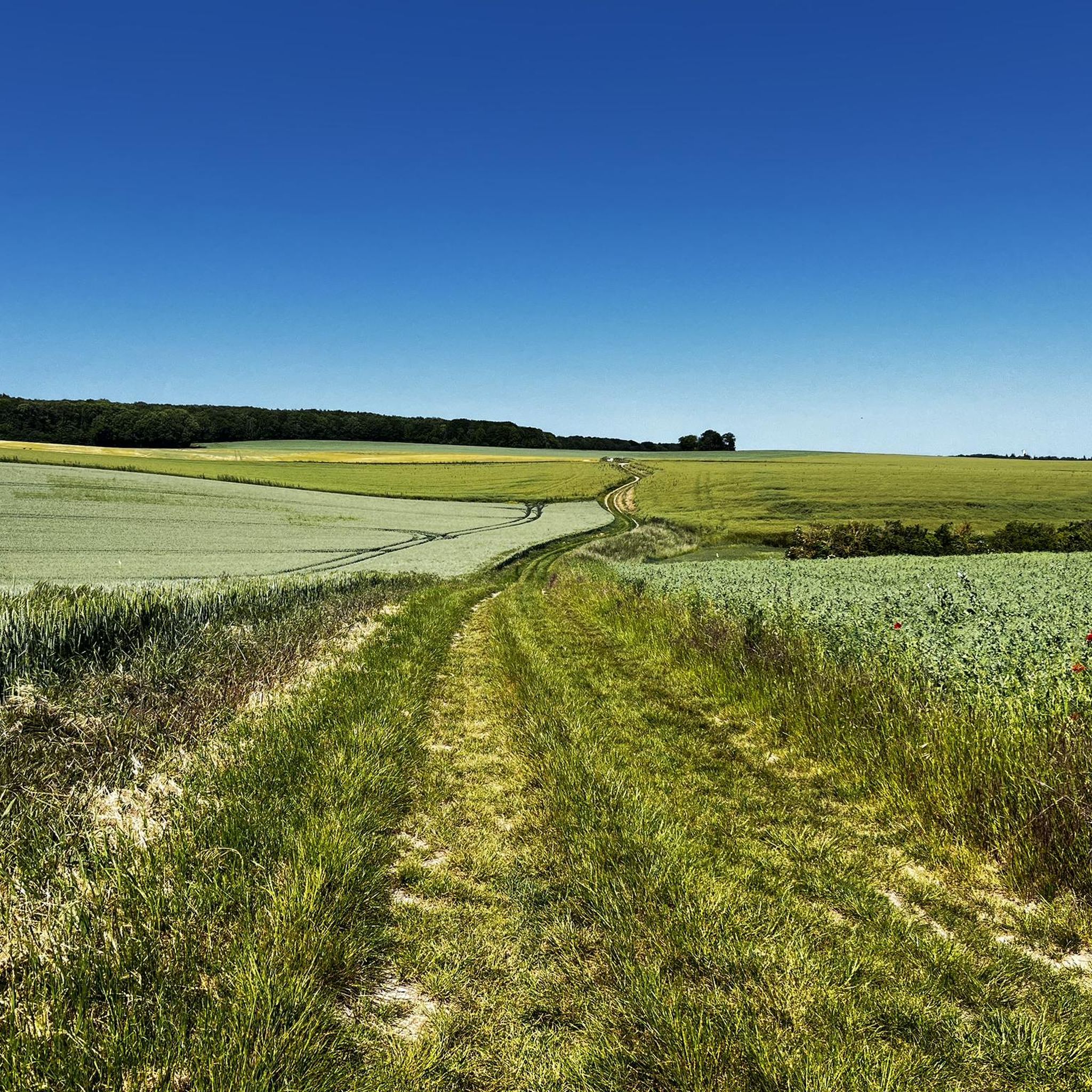
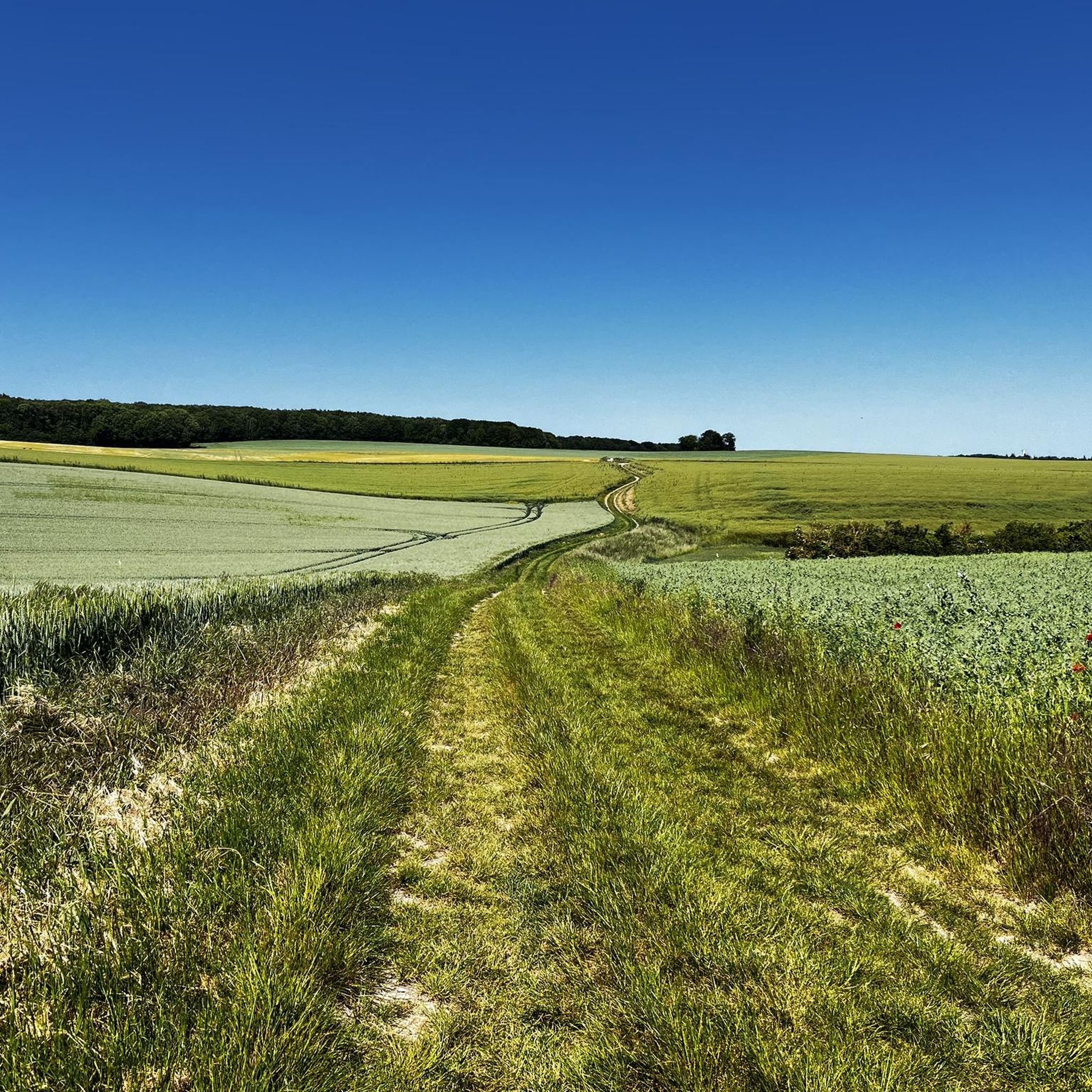
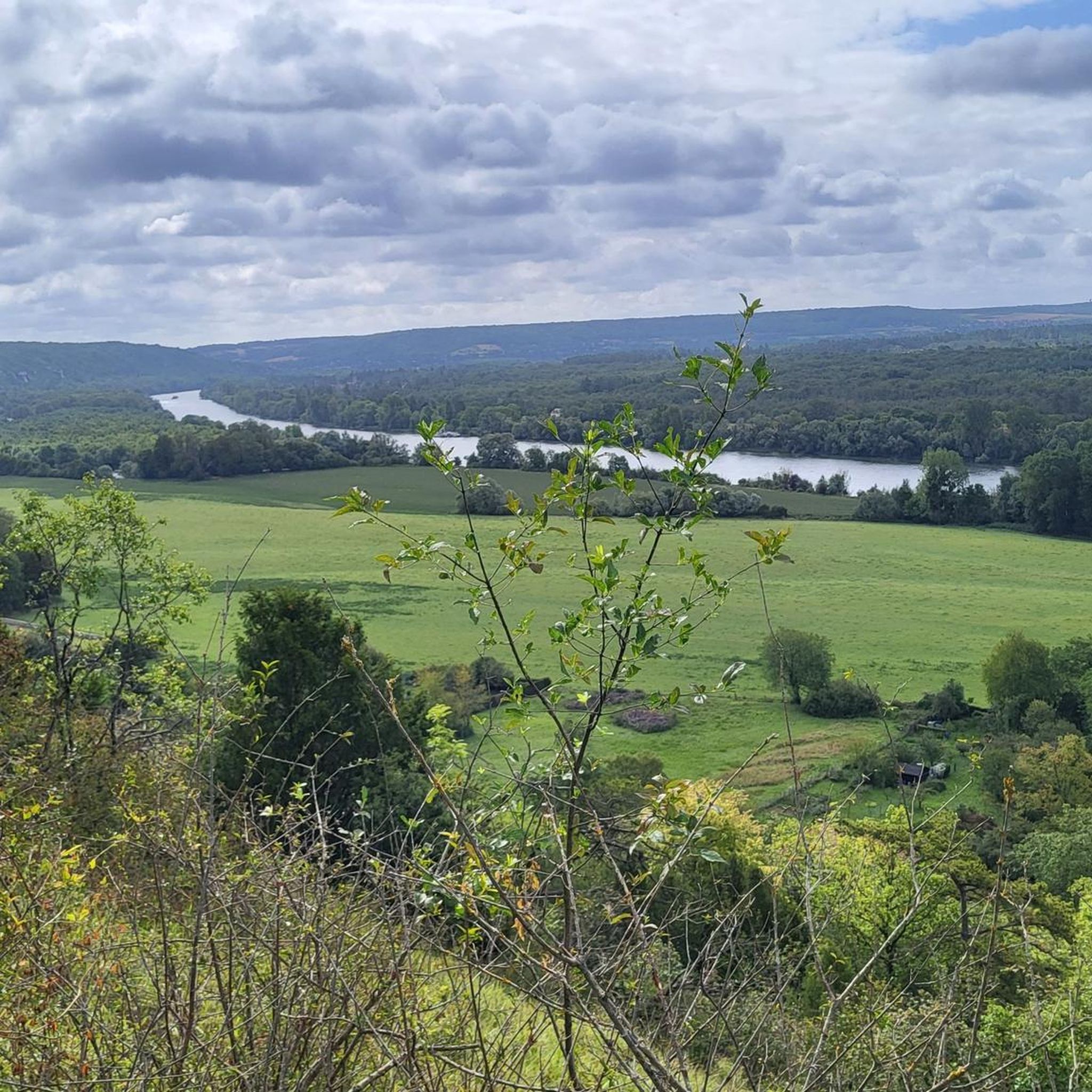
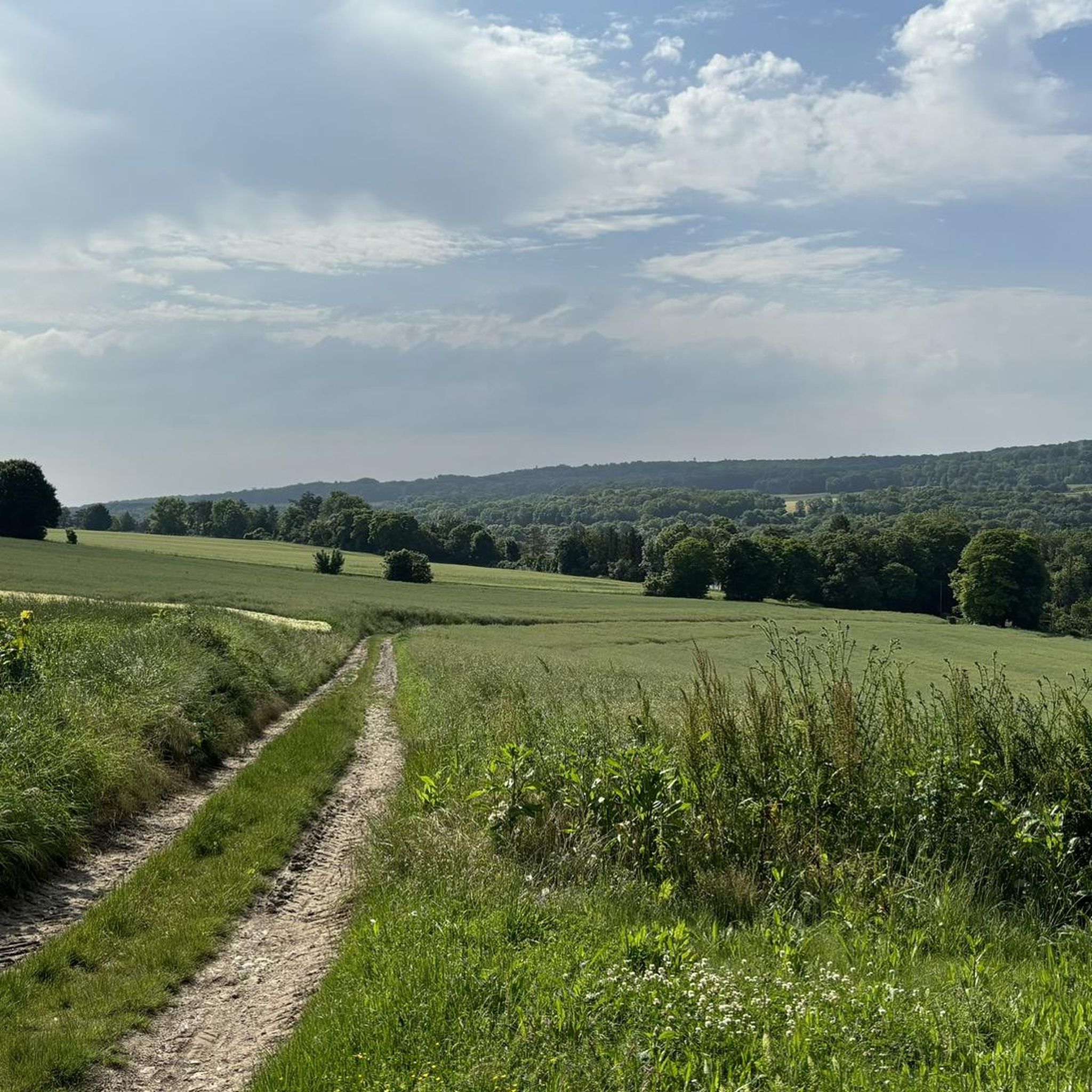

Tips from the Community

Please note: if you want to park there to go hiking, the car park is currently only open from 2:00 p.m. on Sundays.
0
0

Lots of beautiful things to see in this part of Vexin
1
0

La Roche-Guyon is a charming village and historic site located in Île-de-France, in the Val-d'Oise department. It is particularly known for its impressive medieval castle and its picturesque setting along the Seine. Why visit La Roche-Guyon? Historical Heritage: A visit to the castle allows you to discover an exceptional example of medieval architecture and understand its strategic importance throughout the centuries. Natural Setting: The site offers magnificent landscapes along the Seine, perfect for walks and photographs. Culture and Events: Cultural events and exhibitions enrich the experience of the visit and allow you to discover the local culture. In short, La Roche-Guyon is a must-see destination for those who wish to explore a rich historical heritage, enjoy splendid natural landscapes, and discover the regional culture.
1
0

Nothing to add to the description from Wikipedia, except that it is a peaceful place that charms with its elegance.
0
0

Villarceaux constitutes a unique ensemble: its 70 hectare park and its two castles (16th century manor and 18th century castle). The estate has existed since the 11th century.
0
0

The Potager-Verger du Château de la Roche Guyon is a French-style vegetable and fruit garden that is open to the public and allows you to stroll through this wonderful place. The garden faces the Château de la Roche-Guyon, a medieval castle built on a limestone cliff overlooking the Seine. The garden was created in the 17th century by Madeleine Le Tellier de Louvois, wife of François VIII de La Rochefoucauld, first Duke of La Roche-Guyon. The garden has 675 fruit trees, including pear, apple, peach and plum trees, as well as vegetables and aromatic plants. The garden was restored in 2004, after being abandoned for nearly a century. It has received the Remarkable Garden label from the Ministry of Culture.
2
0

The Château de Théméricourt, probably built by Philippe de Théméricourt in the second half of the 15th century, has retained its initial plan with two main buildings arranged at right angles and flanked by four turrets topped with pepperbox roofs. This square plan responds to the concern of rejecting common areas in isolated buildings. The north and west facades of the castle have retained their original, very severe appearance. They contrast greatly with those opening onto the park, which, apart from the central turret, remain marked by classicism. The castle park has evolved greatly since the 18th century. The French garden was succeeded, it seems in the middle of the 19th century, by a park with a pond fed by the Aubette de Meulan.
1
0
Built in the 1920s, this distillery produced beet alcohol for the chemical industry or the pharmacy, and sometimes also for local consumption... During the Second World War, the alcohol was used to run Parisian buses, so in fuel shortage. The Germans having installed a military battery there, it was the site of a violent battle to ensure the liberation of Paris. The activity of the distillery stopped in 1952. It was then used as a setting in several films including "Diabolically yours" by Julien Duvivier with Alain Delon in 1967, and "36 quai des orfèvres" by Olivier Marchal. In 1973, the building hosted the entire crew of the film "The Adventures of Rabbi Jacob", directed by Gérard Oury. But only one outdoor scene was shot there, and the silhouette of the building only appears once at the beginning of the film. Abandoned, having even served as a landfill, it was recently renovated to be transformed into a dwelling and a reception area.
0
0
Frequently Asked Questions
What historical sites can I visit around Drocourt?
The area around Drocourt is rich in history. You can explore the medieval La Roche-Guyon Castle, which is built into the chalk cliffs. Another significant historical site is the Notre-Dame Church in Vétheuil, known for its unique Gothic and Renaissance architecture. The Villarceaux Estate also offers a glimpse into 17th-century French life with its grand architecture and historical significance.
Are there any family-friendly attractions near Drocourt?
Yes, several attractions are suitable for families. The Château de Théméricourt features a park with a pond, perfect for a relaxing break or a picnic. The Villarceaux Estate, with its extensive 70-hectare park and two castles, is also considered family-friendly, offering plenty of space to explore.
What kind of natural features can I expect to see around Drocourt?
Drocourt is located within the Vexin Français Regional Natural Park, offering preserved landscapes. You'll find the picturesque rural character of the village itself. The Villarceaux Estate boasts immaculately manicured gardens and a large park. Additionally, the region is characterized by its rolling hills and proximity to the Seine river, providing scenic views and natural beauty.
What outdoor activities are available near Drocourt?
The area around Drocourt is excellent for various outdoor activities. You can find numerous trails for hiking, including routes that pass by historical sites like La Roche-Guyon Castle. There are also dedicated running trails and mountain biking routes for those seeking more adventurous options.
Are there any notable gardens to visit in the vicinity of Drocourt?
Absolutely. Beyond the beautiful gardens of the Villarceaux Estate, you can visit the world-renowned Giverny Gardens, home of Claude Monet, located approximately 17 km away. Another remarkable garden is found at the Château d'Ambleville, about 12 km from Drocourt.
What is the best time of year to visit Drocourt for outdoor activities?
The spring and summer months are generally ideal for outdoor activities around Drocourt, offering pleasant weather for exploring gardens, castles, and trails. The region's natural beauty, especially the gardens, is at its peak during these seasons. However, the rural character and historical sites can be enjoyed year-round.
Can I find challenging hiking trails around Drocourt?
Yes, while there are many moderate trails, some routes offer a more challenging experience. For instance, some of the hiking trails around Drocourt, particularly those covering longer distances or varied terrain, can be considered challenging. You can find detailed information on specific routes, including difficulty grades, on the Komoot guide for hiking.
What is the <a href="https://www.komoot.com/highlight/3031508" target="_blank" rel="noopener">Distillerie de Fremainville</a> and what can I see there?
The Distillerie de Fremainville is an old distillery built in the 1920s that has been transformed into a reception area and dwelling. It has a fascinating history, having produced beet alcohol, served as a military battery during WWII, and even been a filming location for movies like "The Adventures of Rabbi Jacob." While no longer an active distillery, its historical significance and unique architecture make it an interesting stop.
What do visitors particularly enjoy about the attractions near Drocourt?
Visitors frequently praise the blend of history and natural beauty. They appreciate the impressive architecture of sites like La Roche-Guyon Castle and the serene, well-maintained gardens of the Villarceaux Estate. The rural charm of the area and the opportunity for peaceful walks are also highly valued.
Is there a major historical landmark further afield but still accessible from Drocourt?
Yes, the renowned Palace of Versailles and its extensive gardens are located approximately 38-39 km from Drocourt. This major historical and cultural site, including the Trianon Estate, offers a grand day trip option for those interested in French royal history.
Are there any religious buildings of note in the area?
Beyond the local Église Saint-Denis in Drocourt itself, the most prominent religious building is the Notre-Dame Church in Vétheuil. It stands out for its size, double side plan, and rich furniture, showcasing a unique blend of primitive Gothic and Renaissance architectural styles.
What is the significance of La Roche-Guyon?
La Roche-Guyon is not only home to an impressive medieval castle but is also recognized as one of France's "most beautiful villages." Its picturesque setting, nestled against the Seine and the chalk cliffs, offers a charming and historically rich experience.
Most popular routes around Drocourt
Most popular attractions around Drocourt

Get inspired with the komoot mobile app


Explore more
Still not found the Highlight you’re looking for? See guides of the top attractions in other regions:
