The best walks and hikes around Trie-Château
4.3
(80)
285
hikers
75
hikes
Hiking around Trie-Château offers trails through the French countryside, characterized by rolling hills and agricultural landscapes. The region features a network of paths connecting historical sites, including ancient dolmens and local churches. Woodlands and open fields provide varied scenery for outdoor activities, with moderate elevation changes across the area.
Best hiking trails around Trie-Château
- The most popular hiking route is Dolmen of the Three Stones – Church of Chambors loop from Trie-Château, a 5.9 miles (9.5 km) trail that…
Last updated: May 21, 2026
4.3
(4)
9
hikers
9.52km
02:39
180m
180m
Moderate hike. Good fitness required. Easily-accessible paths. Suitable for all skill levels.
4.3
(4)
7
hikers
7.03km
01:58
140m
140m
Easy hike. Great for any fitness level. Easily-accessible paths. Suitable for all skill levels.

Sign up for free
10
hikers
19.8km
05:23
280m
280m
Hard hike. Very good fitness required. Easily-accessible paths. Suitable for all skill levels.
4.0
(1)
9
hikers
4.47km
01:09
20m
20m
Easy hike. Great for any fitness level. Easily-accessible paths. Suitable for all skill levels.
6
hikers
11.5km
03:10
180m
180m
Moderate hike. Good fitness required. Easily-accessible paths. Suitable for all skill levels.
Get access to more routes and recommendations from other explorers.
Sign up for free
Already have an account?
Our route recommendations are based on thousands of hikes, rides, and runs completed by other people on komoot.
Start today with a free account
Your next adventure awaits.
Login or Signup



Other adventures around Trie-Château

Tips from the Community


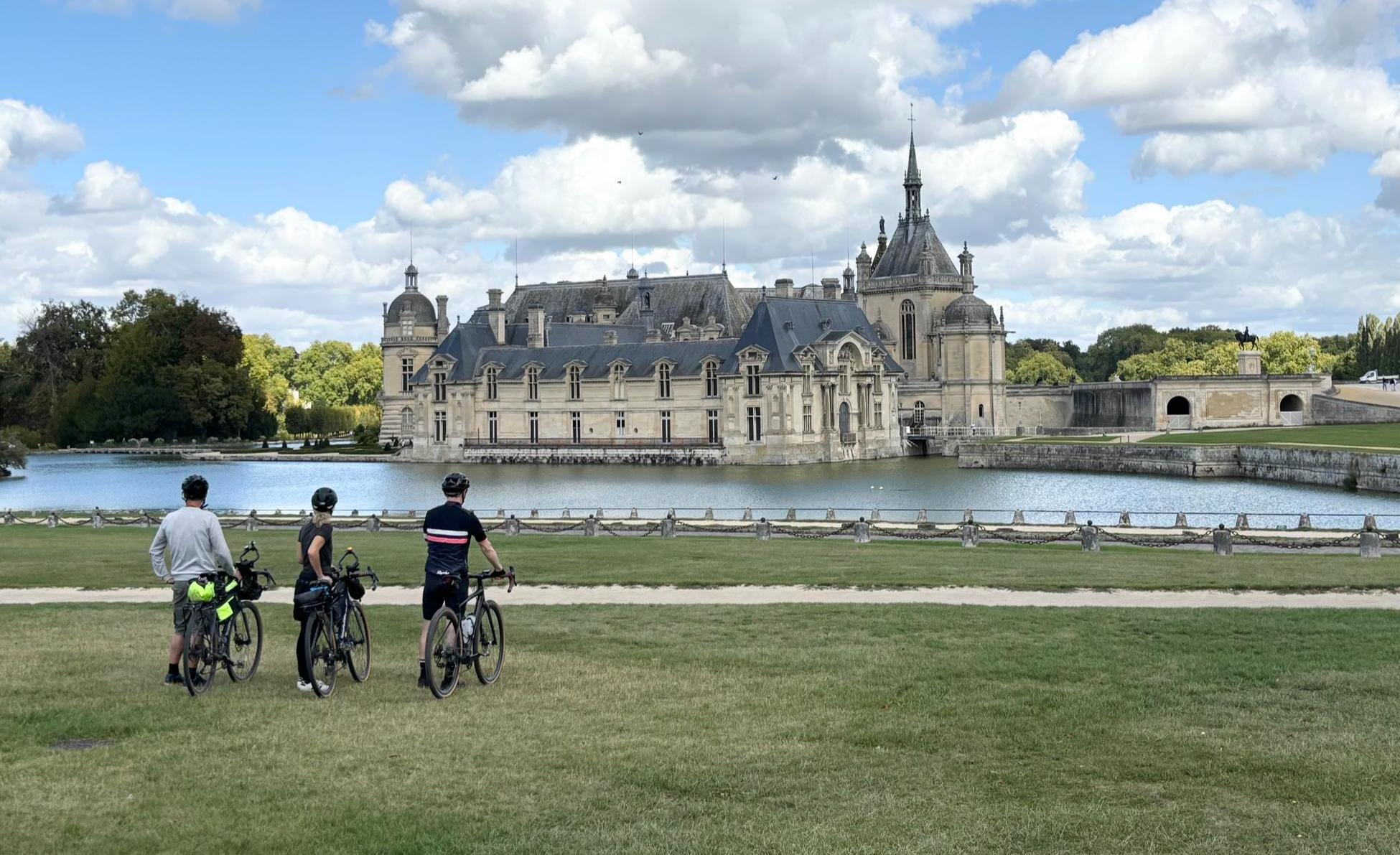
A former castle transformed into a town hall, the Trie-Château town hall preserves a tower where Jean-Jacques Rousseau stayed. You can also admire its medieval gates and period architecture.
0
0

A military fortress with a defensive purpose, built in 1097, during the reign of William the Conqueror's second son, Gisors Castle marks a major page in the medieval history of Normandy. This fortification was intended to protect the Norman possessions of the King of England against the ambitions of the King of France. A true border place and eastern lock of Normandy, it was part of a vast campaign of fortifications in the Epte Valley, the natural boundary between the two kingdoms.
0
0
We know of Saints Gervais and Protais that they were Christian martyrs in the 2nd century in Milan. At the time, the Roman Empire forced all its subjects to worship the emperor, which was unacceptable to Christians. If they refused, they were crucified or sent to the arena to be devoured by lions between gladiatorial fights. Thus, Saint Ambrose, bishop of Milan, found them, in 386, buried side by side. This great bishop affirmed that they had been martyrs by fidelity to their baptism. He even added "They are of a prodigious size, such as one was in ancient times." Their cult reached Gaul where a large number of churches were dedicated to them.
1
0

Unfortunately we were here without a donkey
0
0

The parish church of Saint-Gervais Saint-Protais was consecrated in 1119 by Pope Calixtus 11. This Romanesque church saw its nave ravaged by fire in 1123. It was rebuilt in 1160. Thanks to funding from Queen Blanche of Castile, the people of Gisors built a Gothic choir, consecrated in 1249. It was built according to the Chartres model, common at the time in Ile-de-France, with a three-level elevation: large arcades, triforium and high windows pierced with oculi. Thanks to funding from charitable brotherhoods and trade corporations, the church underwent multiple transformations from the end of the 15th century with the addition of radiating chapels and an ambulatory at choir level. Entrusted to the Grappins, a family of architects from Vexin, the work continued in the 15th century with the reconstruction of the nave and the chapels of the side aisles in flamboyant Gothic style, then of the façade decorated with Renaissance motifs.
0
0

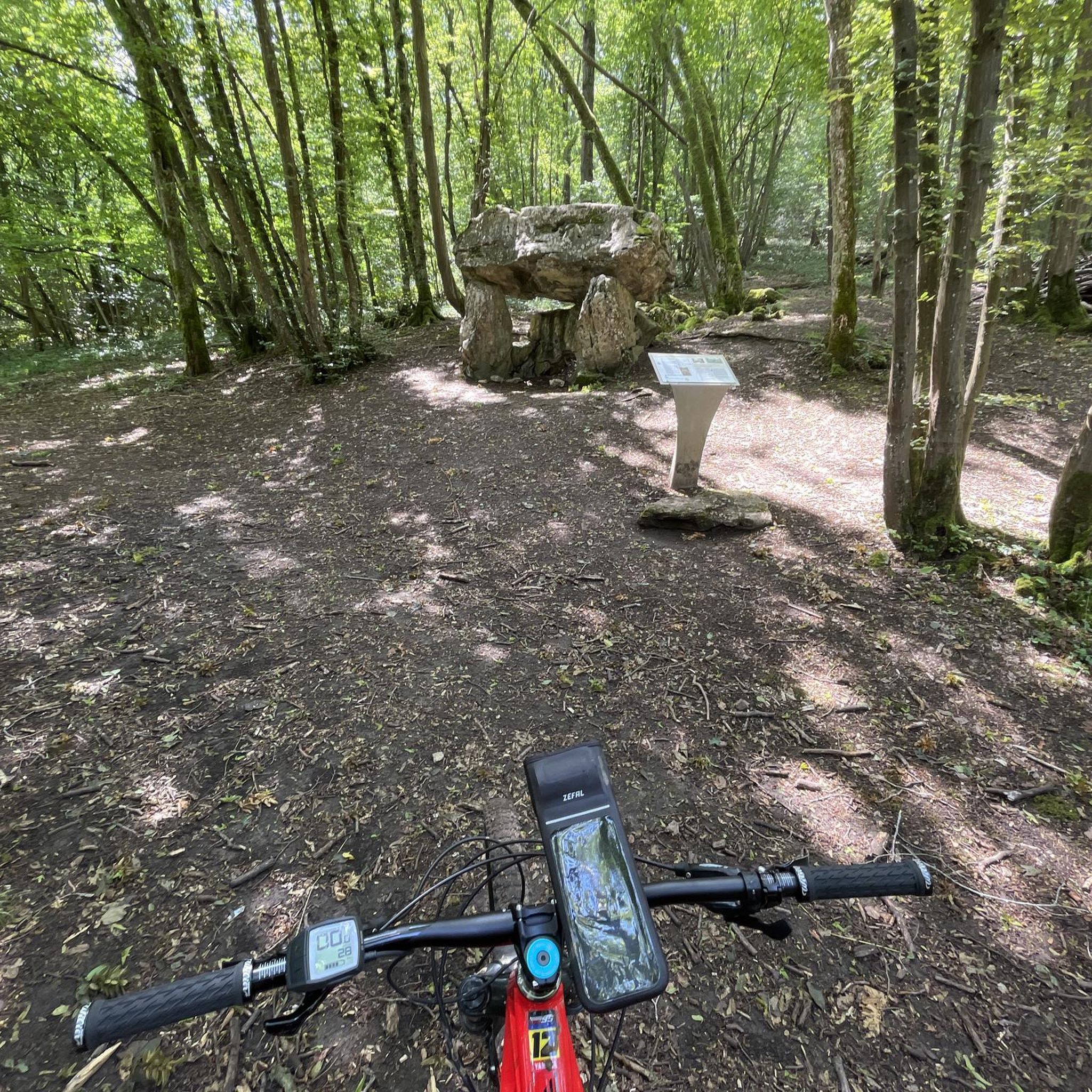
The Trois Pierres dolmen is an ancient megalithic monument dating from the late Neolithic period (3400-2000 BC). It served as a collective burial ground for the inhabitants of the Seine-Oise-Marne culture. It consists of a short vestibule and a narrow room, separated by a vertical slab pierced by a circular hole, called the "soul hole," through which the bodies passed. The dolmen is surrounded by a peaceful and bucolic landscape, where you can also admire the menhir of the Bois de la Garenne, another prehistoric stone, located about 200 meters away.
2
0

Old fortified castle, built between the end of the 11th and the 12th century, today in ruins.
0
0
Frequently Asked Questions
How many hiking trails are available around Trie-Château?
There are over 70 hiking routes recorded on komoot for the Trie-Château area, offering a variety of options for different skill levels and interests.
Are there easy hiking trails suitable for beginners or families in Trie-Château?
Yes, Trie-Château offers numerous easy trails. For example, the Dolmen des Trois-Pierres – Church of Chambors loop from Chambors is an easy 4.4-mile (7.0 km) path that takes just under 2 hours to complete, perfect for a relaxed outing.
What kind of landscapes can I expect to see while hiking in Trie-Château?
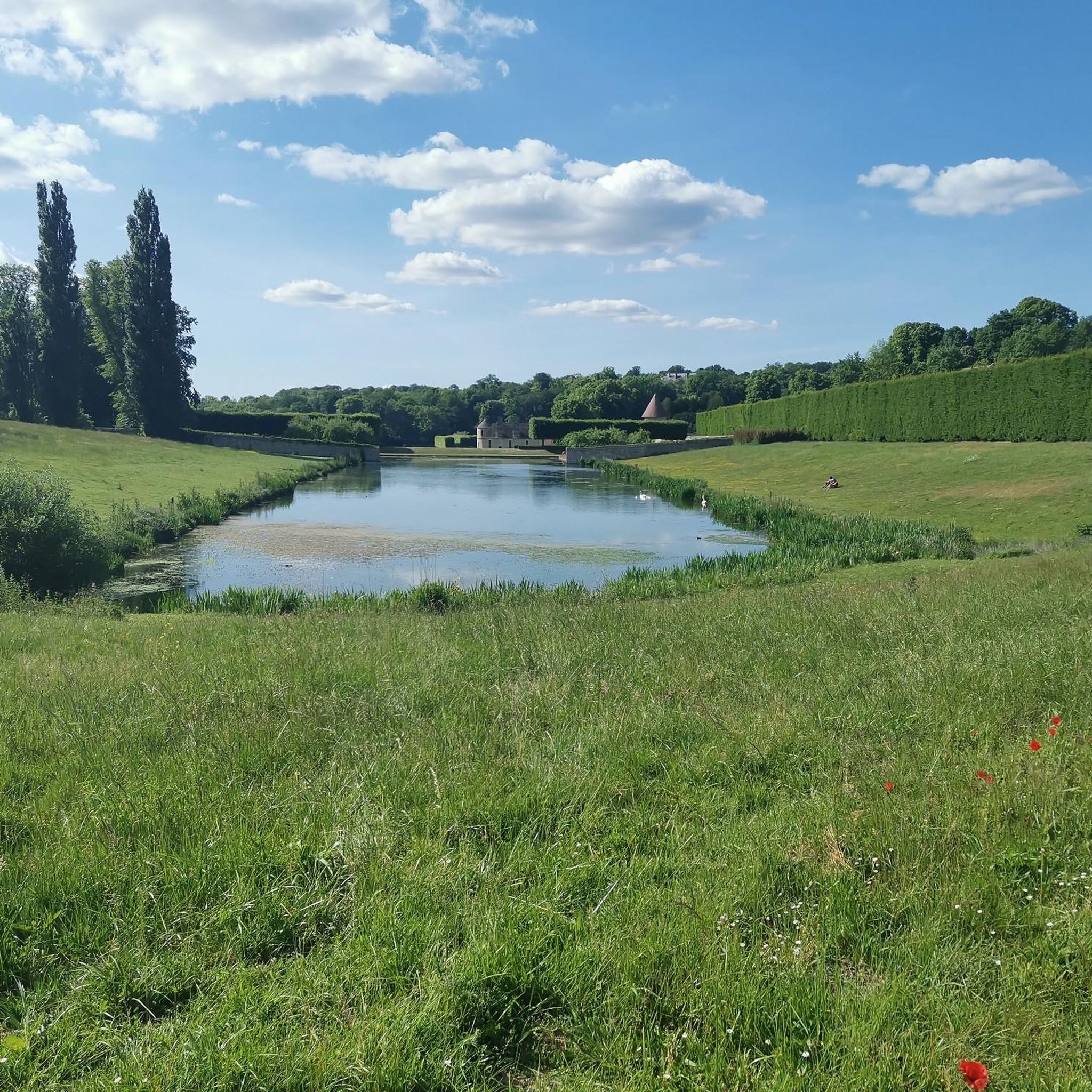
The region is characterized by rolling hills, expansive agricultural fields, and peaceful woodlands. Many trails also connect historical sites, providing a blend of natural beauty and cultural interest.
Are there any circular walks available in Trie-Château?
Most of the hiking routes in Trie-Château are designed as circular loops. A popular option is the Dolmen of the Three Stones – Church of Chambors loop from Trie-Château, which is a moderate 5.9-mile (9.5 km) trail.
What historical landmarks can I explore on hikes around Trie-Château?
The area is rich in history. You can visit ancient sites like the Dolmen des Trois-Pierres and various local churches. Some routes also pass by impressive structures such as Gisors Castle.
What do other hikers say about the trails in Trie-Château?
The trails in Trie-Château are highly rated by the komoot community, with an average score of 4.2 stars from over 70 reviews. Hikers often praise the varied terrain, the historical points of interest, and the well-maintained paths.
Are there any longer or more challenging hikes in the area?
Yes, for those seeking a longer challenge, the Church of Chambors loop from Trie-Château is a difficult 12.0-mile (19.3 km) trail that typically takes over 5 hours to complete, leading through extensive rural landscapes.
Are the trails around Trie-Château suitable for dog walking?
Many trails in the Trie-Château region are suitable for dogs, especially those that traverse open fields and woodlands. It's always recommended to keep dogs on a leash, especially near agricultural areas or livestock, and to check local regulations.
What is the best time of year to go hiking in Trie-Château?
The moderate elevation changes and varied landscapes make Trie-Château enjoyable for hiking throughout much of the year. Spring and autumn offer pleasant temperatures and beautiful scenery, while summer provides longer daylight hours. Even in winter, many paths remain accessible for a refreshing walk.
Are there any attractions nearby that I can combine with a hike?
Absolutely. Beyond the trails, you can explore historical sites like Gisors Castle or visit charming religious buildings such as the Saint-Gervais–Saint-Protais Church. These can be easily integrated into a day trip.
Are there any routes that start directly from Trie-Château village?
Yes, several routes begin directly from Trie-Château. For instance, the popular Dolmen of the Three Stones – Church of Chambors loop from Trie-Château starts in the village, offering convenient access to the surrounding countryside.
Most popular routes around Trie-Château
Most popular attractions around Trie-Château

Get inspired with the komoot mobile app


Explore more
Browse the best Hikes in other regions.
