The best cycling routes around Gy
4.9
(57)
580
riders
121
rides
Touring cycling routes around Gy traverse a landscape characterized by diverse terrain, including gravel paths, forest tracks, and tarmac roads. The region features gentle gradients in many areas, with routes often following rivers like the Colombine and winding through wooded sections such as the "bois de la Vaivre." Cyclists can explore valleys like Fontenelay and encounter historic sites, including castles and traditional villages. This varied environment provides a range of experiences for touring cyclists.
Best touring cycling routes around Gy
…Last updated: July 2, 2026
10
riders
42.5km
03:47
590m
590m
Hard bike ride. Very good fitness required. Mostly paved surfaces. Suitable for all skill levels.
7
riders
29.5km
02:15
360m
360m
Moderate bike ride. Good fitness required. Mostly paved surfaces. Suitable for all skill levels.

Sign up for free
4.0
(2)
9
riders
35.0km
03:06
620m
620m
Hard bike ride. Very good fitness required. Mostly paved surfaces. Suitable for all skill levels.
5.0
(1)
8
riders
31.5km
02:50
550m
550m
Hard bike ride. Very good fitness required. Mostly paved surfaces. Suitable for all skill levels.
5.0
(1)
4
riders
27.8km
01:41
220m
210m
Moderate bike ride. Good fitness required. Mostly paved surfaces. Suitable for all skill levels.
Get access to more routes and recommendations from other explorers.
Sign up for free
Already have an account?
Our route recommendations are based on thousands of hikes, rides, and runs completed by other people on komoot.
Start today with a free account
Your next adventure awaits.
Login or Signup
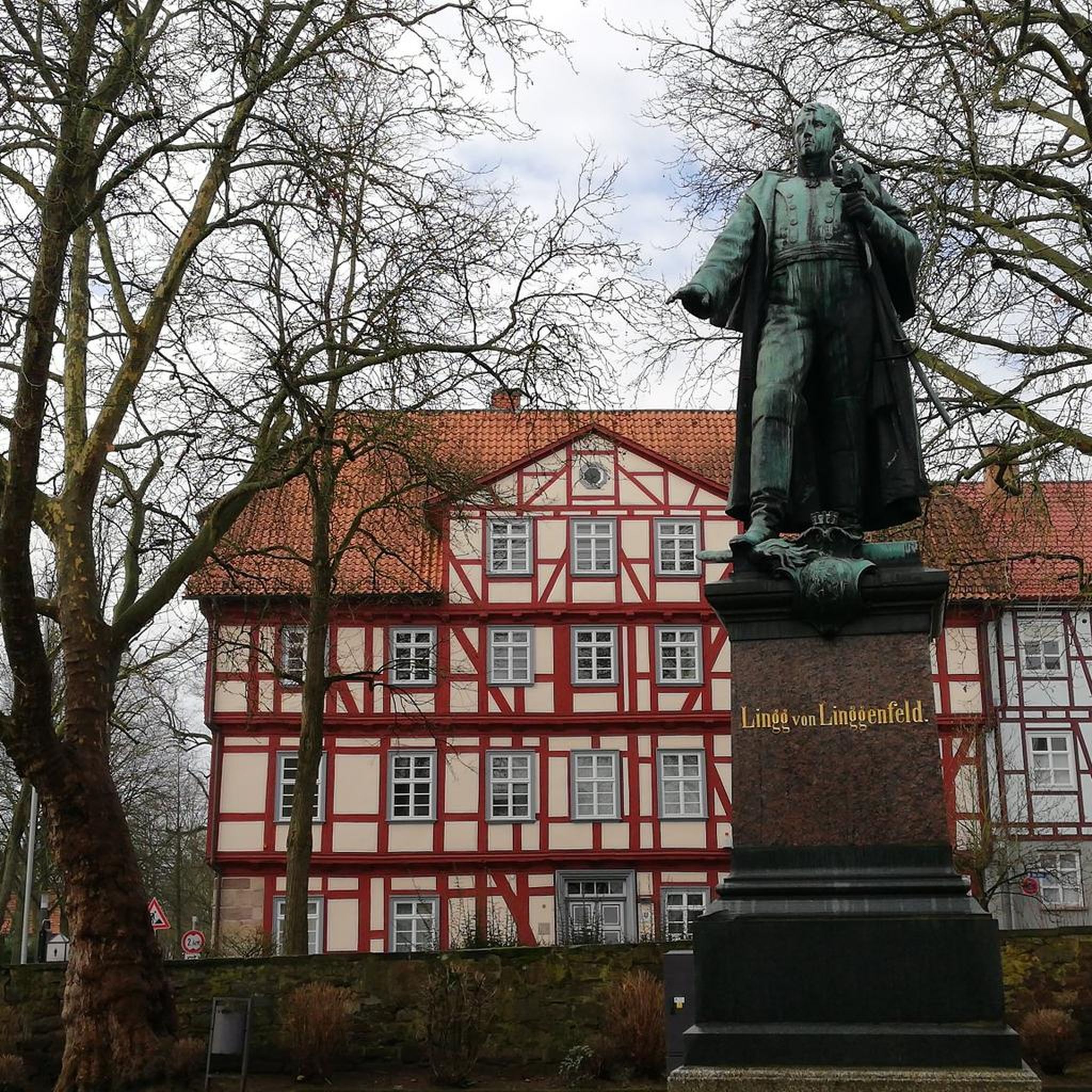
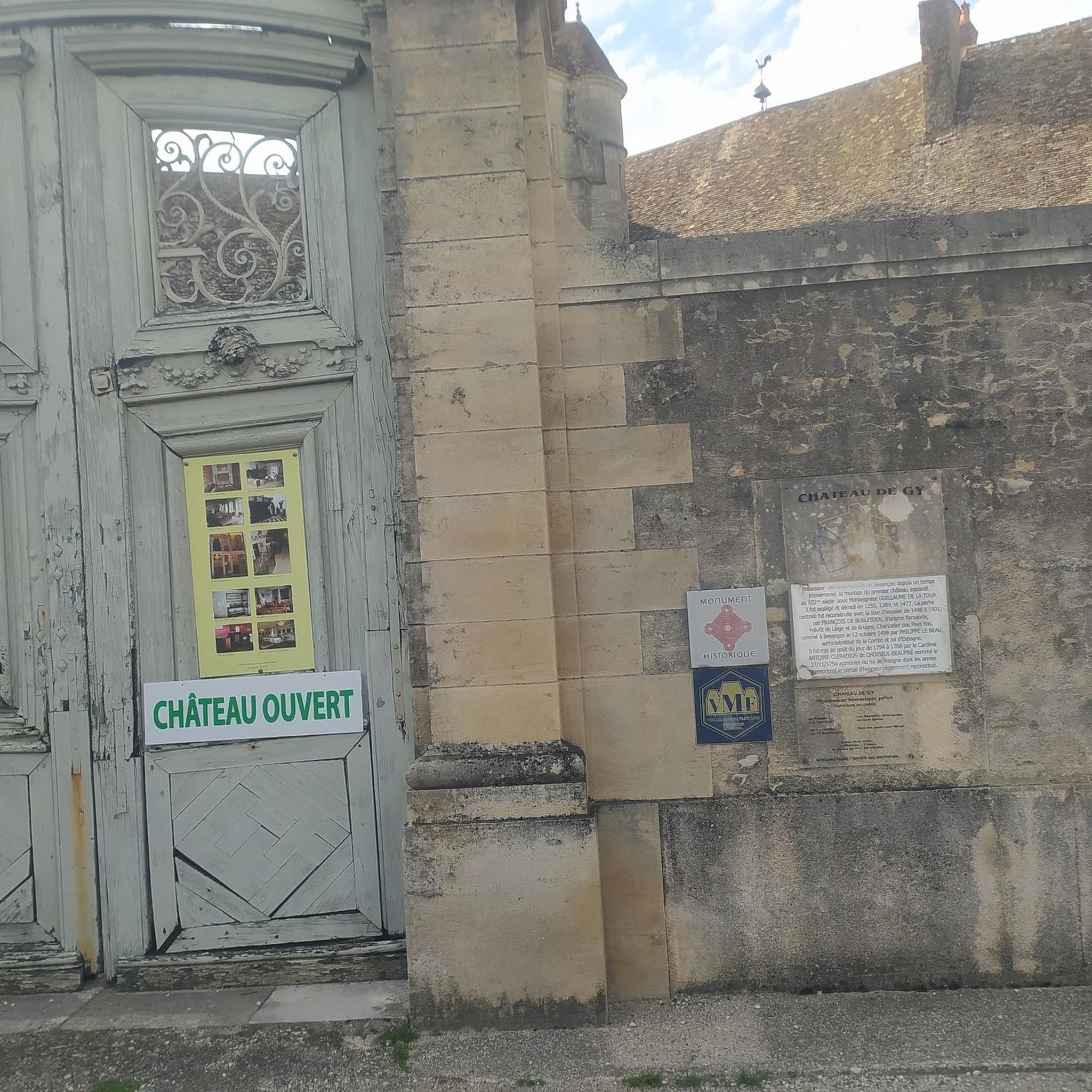


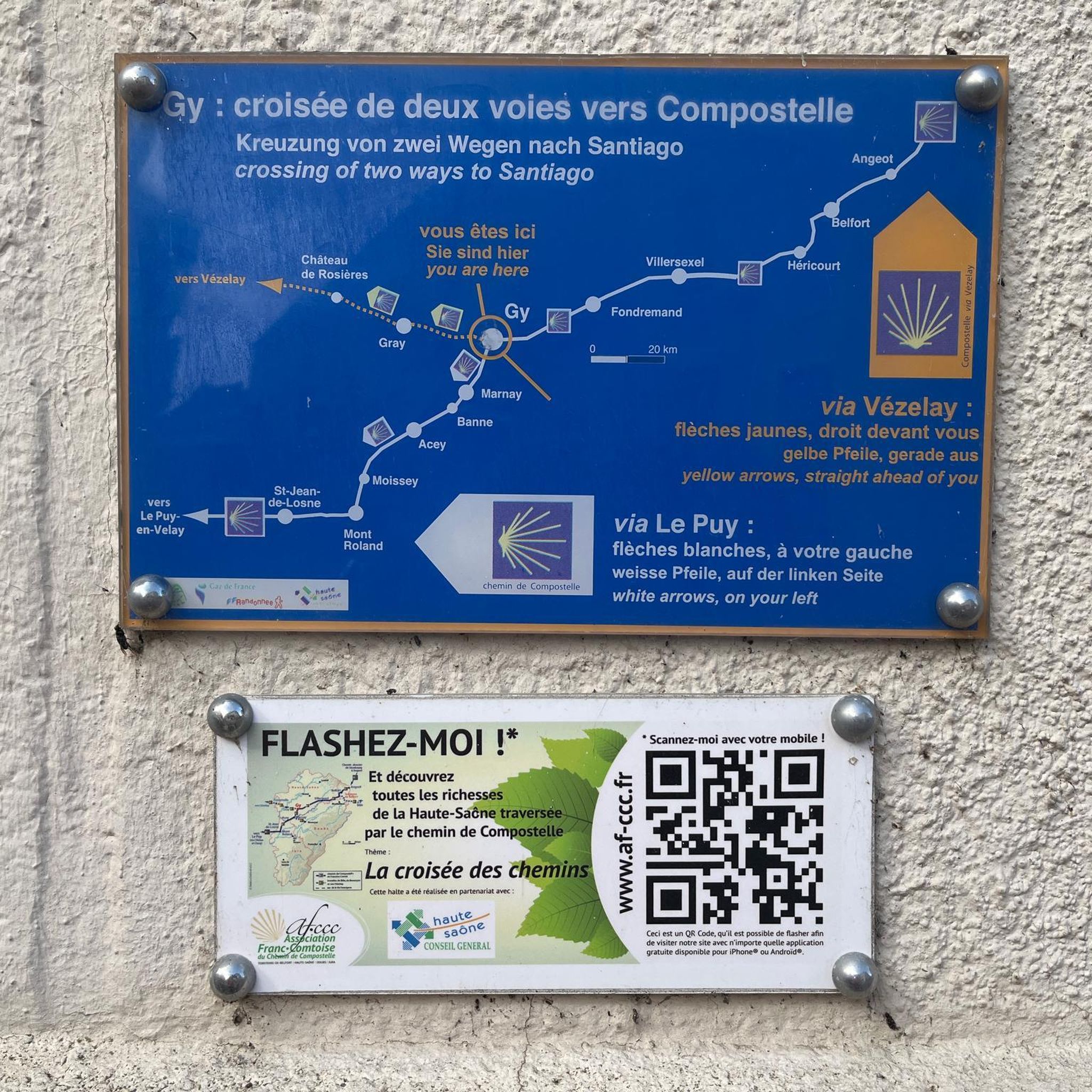
Tips from the Community

The Vincent Cheviet vineyard stretches across the sunny slopes of the Monts de Gy. Replanted in 1999, it continues the local winemaking tradition with grape varieties such as Chardonnay and Pinot Noir.
0
0

Parish Church of the Beheading of Saint-Jean-Baptiste (rebuilt at the beginning of the eighteenth century on medieval foundations of the thirteenth century): Latin cross plan; three naves; cross vault; numerous paintings, sculptures.
10
4
The site of Oiselay-et-Grachaux, the "bird hill", has been inhabited since prehistoric times, as evidenced by the discovery of a Neolithic station. In ancient times, Oiselay was located on the Roman road linking Besançon to Langres. Until the eighteenth century, the Lord of Oiselay ruled the area. Stephen II of Oiselay, head of the younger branch of the House of Burgundy, had a fortified castle built in 1227 AD. * Fontaine-lavoir (xixe siècle) : basin ; borne fontaine ; stone of the waist ; columns. * Chapelle du cimetière recouverte de lierre. * Numbers of old houses and farms. * Croix de chemin du 19th century. * Mairie-school, du 19th century. * Ruins du château-fort were renovated during the twentieth century, dating from the seventh century during the armies of Louis XI and dismantled during Louis
10
4
The Saint-Quillain and the Beheading of Saint John the Baptist church from the first quarter of the 19th century. The Sainte-Madeleine chapel The 19th century washhouse fountain. The 19th century drinking fountain.
10
4

Village which dates back to Gaulle (Gallic burials have been unearthed there) and of which we also find traces under the Gallo-Roman Empire. There we find the source of the Colombine and some beautiful buildings, including the cemetery chapel (listed as a Historic Monument) and the Notre-Dame de Leffond Chapel which dates from the 13th century. However, the village is best known for its vineyards. In the Middle Ages, the wines of Gy and Charcenne were already exported and we found them on the tables of nobles in the 16th century. The Guillaume family has been cultivating vines there since 1732 and has developed a highly specialized nursery business since 1895, recognized worldwide. The 43 hectares of vines therefore produce wine, awarded several times, but also serve as a support for the multiplication of vine plants. They therefore cultivate other grape varieties than those necessary for their production. And if you want to accompany your wine with a cheese, head to the Millet cheese dairy to taste a Charcennais or an Ortolan.
1
0

Built from 1845 to 1847 on the plans of Christophe Colard
0
0
Frequently Asked Questions
How many touring cycling routes are available in Gy?
There are over 120 touring cycling routes around Gy, offering a wide range of experiences for cyclists of all levels. The komoot community has explored these routes over 500 times.
Are there touring cycling routes suitable for beginners in Gy?
Yes, Gy offers a good selection of routes for beginners. There are 21 easy touring cycling routes, many of which feature gentle gradients, especially for several kilometers from Gy, making them accessible for those new to touring cycling. These routes often traverse charming fields and quiet countryside.
What kind of landscapes and natural features can I expect on touring cycling routes in Gy?
Touring cycling routes in Gy showcase diverse landscapes. You can expect to cycle alongside rivers like the Colombine, through beautiful wooded sections such as the "bois de la Vaivre," and descend into valleys like Fontenelay. The region also features picturesque fields, orchards, and vineyards, offering a blend of natural beauty and agricultural scenery.
Are there any historical sites or points of interest to explore along the touring cycling routes?
Yes, many routes weave through areas rich in heritage. You can encounter traditional villages like Charcenne and explore historic sites. For example, the Gy Castle loop from Colombine takes you near Gy Castle. Other notable attractions include the Historic Center of Marnay and the Fountain and Washhouses in Etuz, which are often part of touring routes.
Can I find circular touring cycling routes in Gy?
Absolutely. Many touring cycling routes in Gy are designed as loops, allowing you to start and end at the same point. Examples include the Fountain and Washhouses, Etuz – The gravel pit, Geneuille loop from Charcenne and the Vincent Cheviet vineyard – Gy Castle loop from Gy.
What is the best time of year for touring cycling in Gy?
The region is generally pleasant for touring cycling outside of winter. Spring, summer, and autumn offer ideal conditions to enjoy the diverse terrain, from gravel paths and forest tracks to tarmac roads, and to experience the natural beauty of the vineyards and river courses.
Are there options for more challenging touring cycling routes in Gy?
Yes, for experienced touring cyclists, Gy offers 42 difficult routes. These paths often feature varied terrain, including more technical sections and longer distances, providing a robust challenge. An example is the Fountain and Washhouses, Etuz – The gravel pit, Geneuille loop from Charcenne, which is nearly 40 miles long.
What do other touring cyclists enjoy the most about touring cycling in Gy?
The area is highly rated by the komoot community, with an average score of 4.8 stars from over 60 reviews. Reviewers often praise the diverse terrain, which includes gravel paths, forest tracks, and tarmac roads, as well as the scenic passages through the countryside and alongside vineyards.
Are there any specific routes that highlight the local vineyards?
Yes, you can explore the region's viticulture on two wheels. The Vincent Cheviet vineyard – Gy Castle loop from Gy is a popular choice, leading you directly through vineyards and past historic sites, offering a delightful blend of scenery and local culture.
Where can I find information about parking or public transport access for touring cycling routes in Gy?
While specific parking locations and public transport access points vary by route, many routes start from or pass through villages like Charcenne or Gy, where parking is generally available. For detailed information on specific starting points and accessibility, it's best to check the individual route pages on komoot.
Can I combine touring cycling with visits to local producers or gardens in the Gy region?
Yes, the region's routes often pass near local attractions. For instance, in the Monts de Gy area, you can find local producers like the Milleret cheese dairy and Guillaume vineyards. The Acorus aquatic gardens, a three-hectare natural space, also offer a peaceful stop for relaxation, making it possible to integrate cultural and natural stops into your cycling tour.
Most popular attractions around Gy

Get inspired with the komoot mobile app


Explore more
Browse the best Cycling routes in other regions.
