The best road cycling routes around Le Quiou
4.3
(26)
800
riders
188
rides
Road cycling routes around Le Quiou traverse a landscape shaped by its unique "Pays des Faluns" geology, featuring limestone subsoil and ancient quarries now transformed into serene ponds. The region is characterized by a mix of wooded countryside and the picturesque Rance Valley. Cyclists can explore well-developed greenways, including sections built on old railway lines and paths alongside the Ille-et-Rance Canal, offering varied terrain for road biking.
Best road cycling routes around Le Quiou
- The most popular road cycling route…
Last updated: November 2, 2026
9
riders
47.1km
02:06
370m
370m
Moderate road ride. Good fitness required. Some segments of this route may be unpaved and difficult to ride.
6
riders
49.0km
02:14
410m
410m
Moderate road ride. Good fitness required. Some segments of this route may be unpaved and difficult to ride.

10
riders
Moderate road ride. Good fitness required. Some segments of this route may be unpaved and difficult to ride.
10
riders
88.4km
03:50
620m
620m
Moderate road ride. Good fitness required. Some segments of this route may be unpaved and difficult to ride.
5.0
(1)
6
riders
54.7km
02:24
430m
430m
Moderate road ride. Good fitness required. Some segments of this route may be unpaved and difficult to ride.
Get access to more routes and recommendations from other explorers.
Already have an account?
Our route recommendations are based on thousands of hikes, rides, and runs completed by other people on komoot.
Start today with a free account
Your next adventure awaits.

Tips from the Community

From the popular piety of earlier centuries, it was part of life in Brittany that everyone who could in any way do so undertook a great pilgrimage to the seven cathedrals of Brittany, the so-called “founding saints”. This was called “Tro Breiz” (Tour through Brittany) in Breton. Estimates suggest that in the 14th century, up to 40,000 people had to cover a distance of almost 700 kilometers for this purpose. It is said that if one did not complete the Tro Breiz during their lifetime, the pilgrimage would be continued, if necessary, in the coffin. Some years before the turn of the millennium, the “Tro Breiz” – albeit in a different form – was revived. In the modern variant, the route is spread over seven years, with one of the pilgrimage destinations visited each year. The prominent seven saints are: + Saint Maclovius: Founder of the diocese of Saint-Malo and patron saint of the city. + Saint Samson: Founder of the diocese of Dol-de-Bretagne and one of the most famous Breton saints. + Saint Briocus: Founder of the diocese of Saint-Brieuc and its monastery. + Saint Tugdual: Founder of the diocese of Tréguier and one of the most important saints in Breton history. + Saint Paul-Aurelianus: Founder of the diocese of Saint-Pol-de-Léon and an important missionary. + Saint Corentin: Founder of the diocese of Quimper and one of the most important Breton saints. + Saint Hervé: A saint of Brittany mentioned in the Vita Hervei.
3
1

Dinan's Old Bridge (Vieux Pont) spans the Rance and connects the harbor with the historic old town. It was built in the Middle Ages and was the most important access to the city for centuries. After several renovations and partial destruction in World War II, it was restored.
16
0

Beautiful, well-renovated wash house
0
0

Very nice bridge, right on the harbor. You should definitely go.
0
0

Done on a gravel bike, but the route is more suitable for mountain biking.
0
0

The harbor with the old bridge is one of the most beautiful corners of Dinan.
1
0
Dinan was founded in the 11th century at a strategic location on the Rance River. It developed into a fortified trading and market town during the Middle Ages. In the 14th century, Dinan played an important role in the Hundred Years' War and was repeatedly contested. The town is known for its well-preserved medieval old town with half-timbered houses, city walls, and the Saint-Sauveur Basilica.
16
0
The Tour de l’Horloge on Rue de l’Horloge is a medieval clock tower from the late 15th century. Originally it served as a watchtower and town hall, today it houses a small museum. With a height of 40 meters and 158 steps, it offers an impressive panoramic view over the old town, the surrounding area, and on clear days even as far as Mont-Saint-Michel. Admission price for adults: €4
18
0
Frequently Asked Questions
How many road cycling routes are available around Le Quiou?
There are over 190 road cycling routes around Le Quiou, offering a wide variety of options for different skill levels. You'll find everything from easy rides to more challenging routes through the diverse landscape.
What kind of terrain can I expect when road cycling in Le Quiou?
Road cycling in Le Quiou offers a varied terrain. You'll encounter routes through the unique 'Pays des Faluns' geology, characterized by ancient quarries now serene ponds, and picturesque wooded countryside. Many routes also follow the beautiful Rance Valley and utilize well-developed greenways, including sections built on old railway lines and paths alongside the Ille-et-Rance Canal.
Are there road cycling routes suitable for beginners or those looking for an easier ride?
Yes, Le Quiou offers 23 easy road cycling routes, perfect for beginners or those seeking a more relaxed pace. These routes often utilize the region's greenways and canal paths, providing a gentle introduction to the area's scenic beauty.
What do other cyclists enjoy most about road cycling in Le Quiou?
The area is highly rated by the komoot community, with an average score of 4.1 stars from over 10 reviews. Cyclists often praise the unique Faluns landscape, the tranquil Rance Valley, and the extensive greenways that offer varied terrain and scenic stretches.
Are there any challenging road cycling routes for experienced cyclists?
While most routes are moderate, there are 5 difficult road cycling routes around Le Quiou for experienced cyclists seeking a challenge. These routes typically feature more significant elevation changes and longer distances, providing a rewarding ride through the region's diverse landscapes.
What natural features or landmarks can I see along the road cycling routes in Le Quiou?
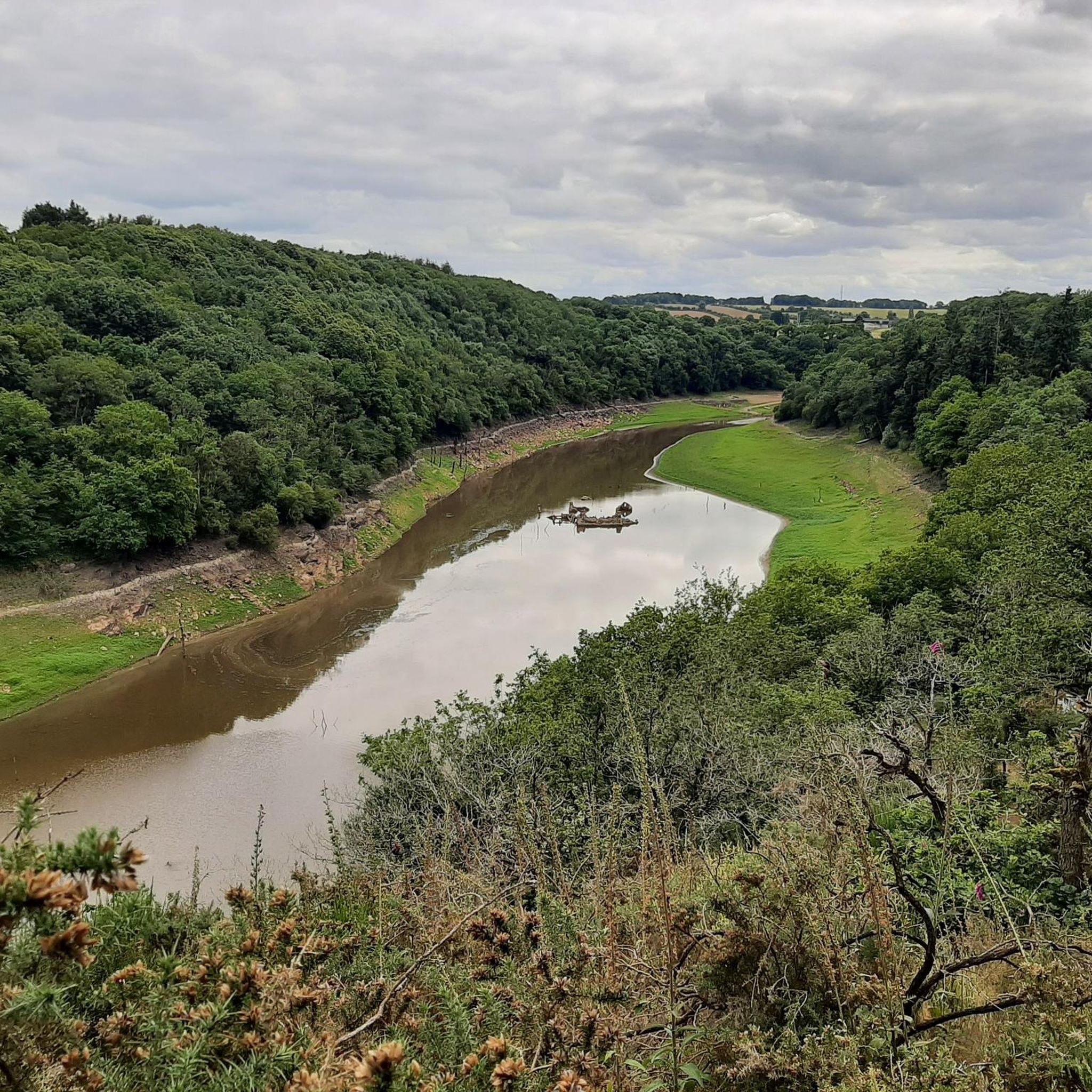
Many road cycling routes in Le Quiou pass by significant natural features and landmarks. You can explore the unique 'Pays des Faluns' geology, cycle along the scenic Ille-et-Rance Canal with its flowered lock houses, or visit the beautiful Étang de Bétineuc. Some routes also offer views of the Rance Valley and the Rophemel dam.
Are there any historical sites or points of interest accessible by road bike?
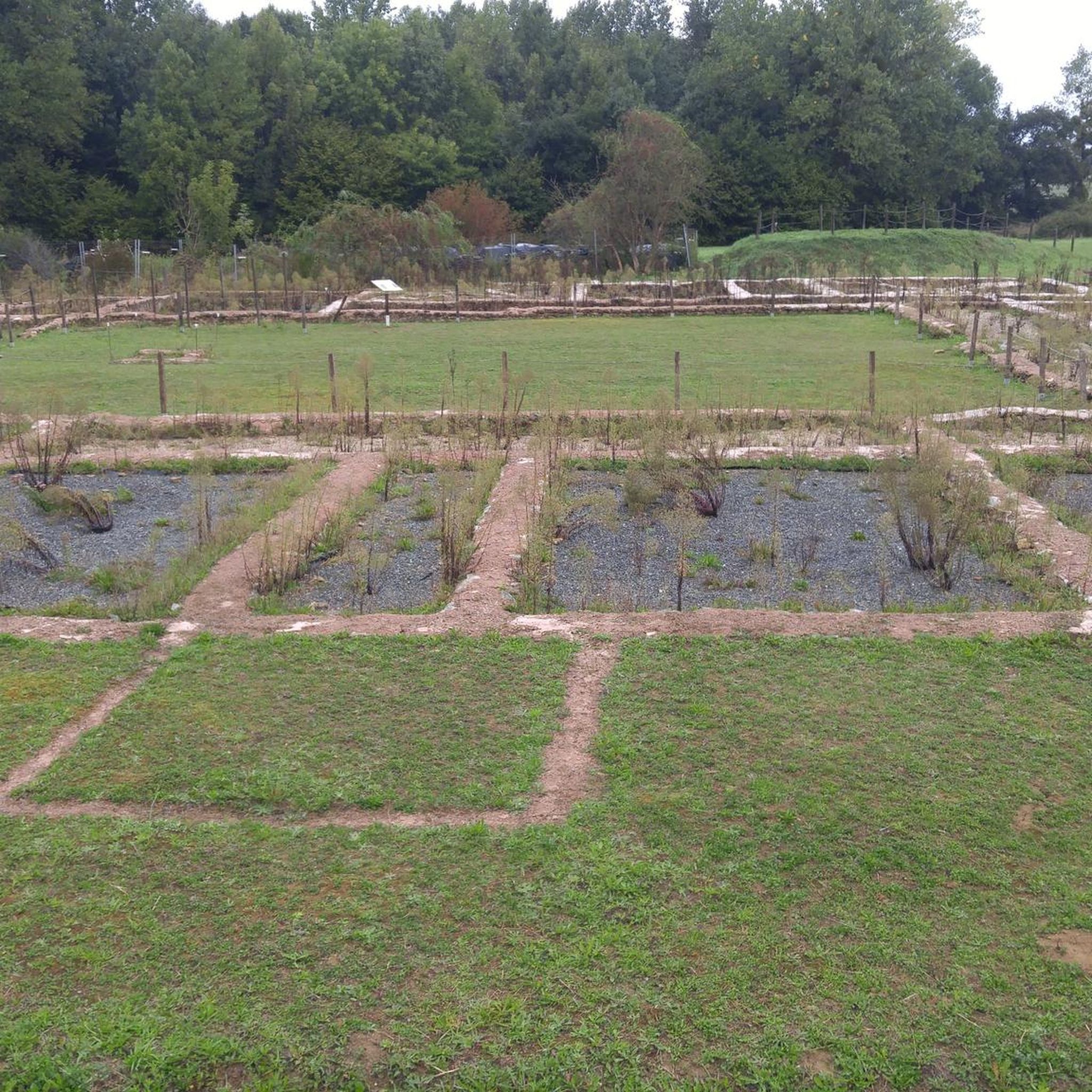
Absolutely. The Gallo-Roman Villa of Quiou, an important archaeological site, is conveniently located on the V3 cycle route. You can also cycle past the 14th-century Château de Hac, built with local Quiou limestone. The historic town of Dinan, with its medieval charm and port, is also a frequent starting point or destination for many routes, and you might pass the Saint-Magloire Abbey Church or the Léhon Stone Bridge.
Are there family-friendly road cycling options in Le Quiou?
Yes, the greenways and canal paths, such as those along the Ille-et-Rance Canal, offer safe and pleasant cycling for families. The area around Étang de Bétineuc is also popular for its accessible trails and amenities, making it a great spot for family outings.
What are the options for circular road cycling routes in the area?
Many of the road cycling routes around Le Quiou are designed as loops, allowing you to start and finish in the same location. Examples include the moderate Plouasne-Becherel Station – Médréac Church loop from Tréfumel, the Église Notre-Dame du Quiou – Biwak loop from Tréfumel, and the Bécherel, a stronghold – Bécherel, Book Town loop from Tréfumel, which leads through historic towns and the Rance Valley.
Can I find cafes or pubs along the road cycling routes in Le Quiou?
While specific cafes and pubs directly on every route are not detailed, the proximity of Le Quiou to towns like Dinan means you'll find various establishments for refreshments. The Étang de Bétineuc also features a restaurant, making it a convenient stop during your ride.
What is the best time of year for road cycling in Le Quiou?
The region's mild climate makes it suitable for road cycling for much of the year. Spring and autumn offer pleasant temperatures and beautiful scenery, while summer provides longer daylight hours. The greenways and canal paths are generally well-maintained and enjoyable across seasons.
Is it possible to combine road cycling with public transport in Le Quiou?
Le Quiou is situated near the V3 cycle route, which connects to destinations like Dinard and Rennes. While direct public transport links specifically for cyclists carrying bikes might vary, the extensive network of greenways and proximity to towns like Dinan, which has transport hubs, can facilitate combining cycling with public transport for longer journeys or reaching starting points.
Most popular attractions around Le Quiou

Get inspired with the komoot mobile app


Explore more
Browse the best Road cycling routes in other regions.
