Attractions and Places To See around Paule - Top 20
Best attractions and places to see around Paule, a region in Brittany, France, offer a blend of historical engineering and accessible outdoor routes. The area is characterized by its significant role in the Nantes-Brest Canal project, featuring impressive man-made structures. Visitors can explore greenways and historical sites that showcase the region's past and natural landscape. Paule provides a variety of points of interest for those interested in walking, cycling, and local history.
Best attractions and places to see around Paule
…Last updated: May 25, 2026
The Glomel Cut
Highlight (Segment) • Monument
Translated by Google •
Tip by

Great Trench of the Nantes to Brest Canal
Highlight • Monument
Translated by Google •
Tip by

Sign up now to discover places like this
Get recommendations on the best single tracks, peaks, & plenty of other exciting outdoor places.
Sign up for free
Voie Verte Morlaix-Carhaix (Gars an Hore)
Highlight • Other
Translated by Google •
Tip by

Carhaix-Plouguer
Highlight • Historical Site
Tip by

Voie Verte between Carhaix and Poullaouen
Highlight (Segment) • Cycleway
Tip by
Sign up for free to discover even more attractions around Paule.
Sign up for free
Already have an account?
Start today with a free account
Your next adventure awaits.
Login or Signup

Tips from the Community

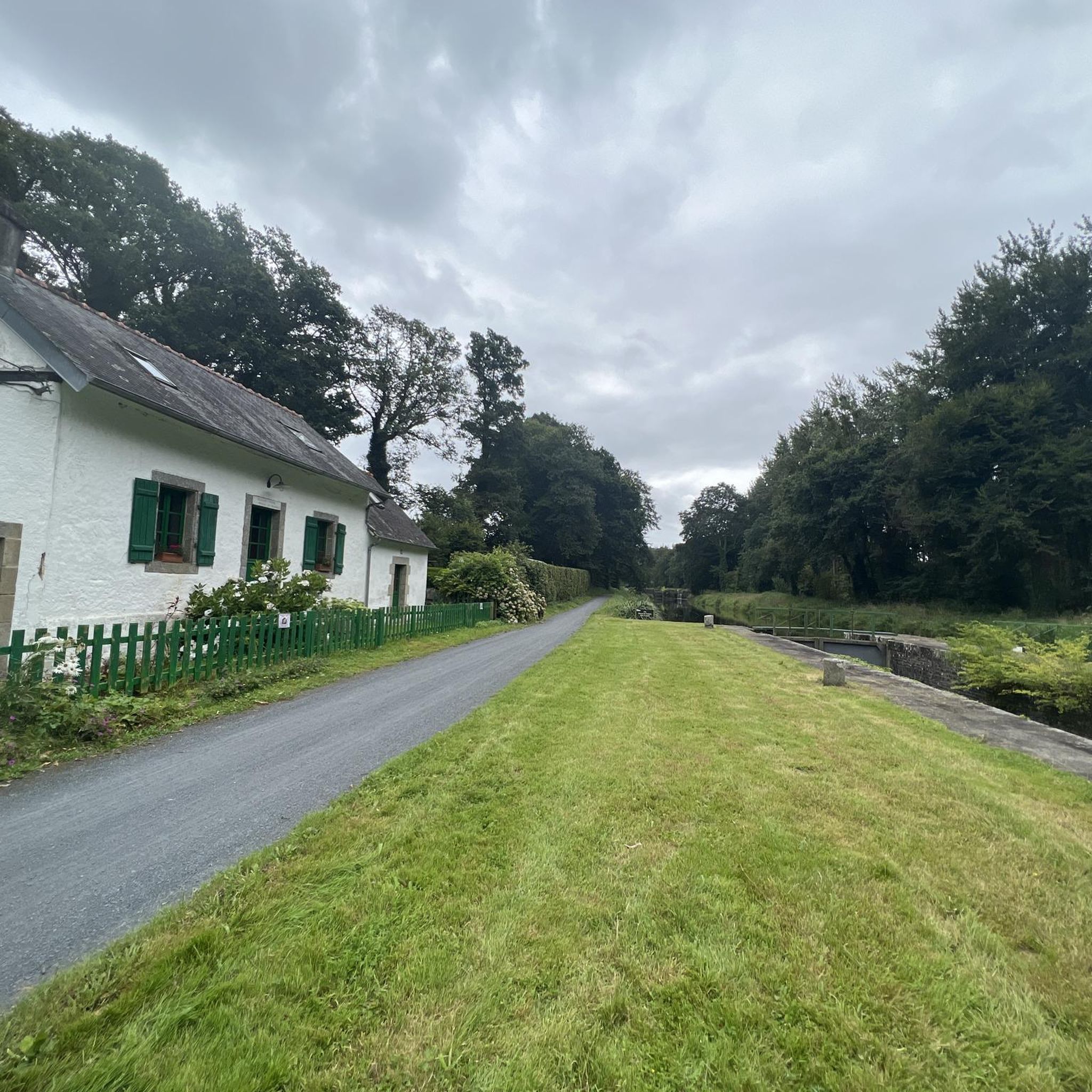
This is one of the very few straight sections of the canal.
0
0
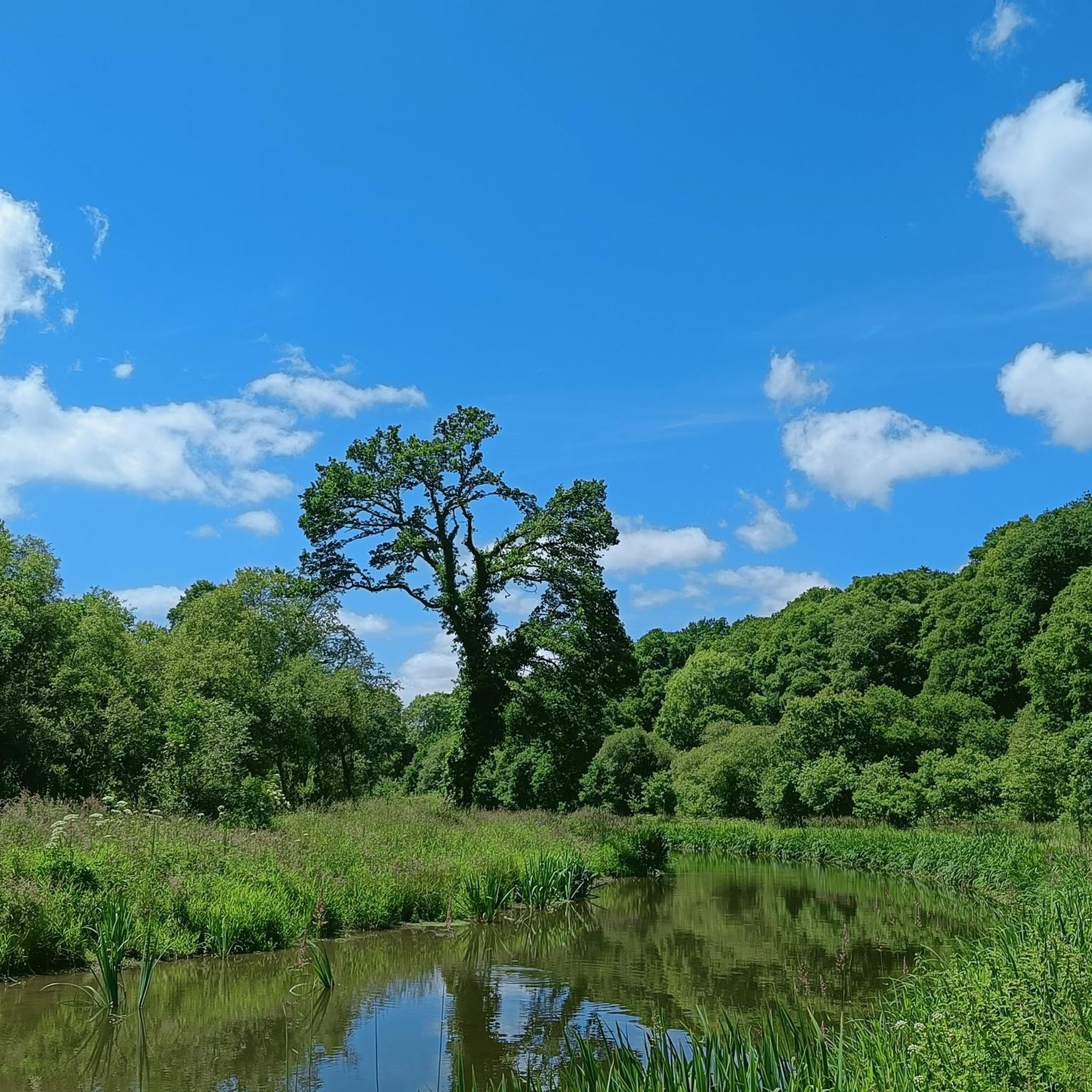
Here the canal meanders through the landscape.
0
0

A welcome breath of fresh air
0
0

At an altitude of 184 m, the Glomel trench is the highest point of the Nantes-Brest canal and the watershed between the Blavet and Aulne basins. The canal project and its passage through the center of Brittany dates back to Vauban, the decision and the route to Napoleon. The impressive trench allows the Aulne and Blavet watersheds to communicate via the canal. The Grande Trenche of the Canal from Nantes to Brest was dug in the 19th century by deserters from the army of Louis XVIII. The 4000 convicts of Glomel had to move as much earth and rock as was necessary for the construction of a great pyramid in Egypt. It took 9 years to create this trench, more than 3 kilometers long, 100 meters wide and 23 meters deep.
0
0
Carhaix-Plouguer (/kaʁɛ pluɡɛʁ/Note 1), commonly called Carhaix, is known to be one of the most flourishing cities of Gallo-Roman Armorica during Antiquity, then bearing the name Vorgium (Latin name of the capital of the Gallic and then Gallo-Roman people of the Osismes). It is today known for hosting, since 1992, the Vieilles Charrues festival, one of the main music festivals in Europe.
0
0

Beautiful greenway, well maintained and marked. It follows the old railway lines and allows you to cross the valleys without any elevation changes.
2
0

This passage is the highest point of the canal. It was necessary to dig three million cubic meters of earth and rock to make the canal pass: as much as to build the largest pyramid in Egypt! The work was carried out in the 19th century by deserters imprisoned and sentenced to forced labor. Many did not survive the unimaginable working and hygienic conditions. A book “Les Bagnards du canal de Nantes à Brest” traces the little-known history of the builders of the canal from Nantes to Brest.
2
0

First segment of the excellent bike trail on the abandoned former rail line. Good hardpack fine gravel, no hills. The easy is not always the most interesting, but enjoy the easy flat rail-to-trail path, pleasantly shaded by trees on both sides most of the way.
0
0
Frequently Asked Questions
What historical engineering marvels can I explore around Paule?
Paule is renowned for its significant role in the Nantes-Brest Canal project. You can visit The Glomel Cut, a man-made passage representing the highest point of the canal, excavated through rock in the 19th century. Another impressive site is the Great Trench of the Nantes to Brest Canal, a 3.5 km long, 23-meter deep cut, which was a monumental undertaking involving thousands of laborers.
Are there any easy walking or cycling paths near Paule?
Yes, the region offers several accessible greenways. The Voie Verte Morlaix-Carhaix (Gars an Hore) is a well-maintained greenway that follows old railway lines, allowing you to cross valleys without significant elevation changes. Another excellent option is the Voie Verte between Carhaix and Poullaouen, a flat, shaded cycle path on an abandoned rail line, perfect for easy rides.
What kind of historical sites can I visit in the area?
Beyond the canal infrastructure, you can explore Carhaix-Plouguer, a town known for its rich history, including its past as Vorgium, one of the most flourishing cities of Gallo-Roman Armorica. It also features classic 19th-century architecture.
What do visitors particularly enjoy about the attractions around Paule?
Visitors appreciate the well-maintained greenways, such as the Voie Verte Morlaix-Carhaix, for their ease of use and scenic routes. The historical significance and sheer scale of engineering at sites like The Glomel Cut also leave a lasting impression, with many noting the challenging conditions faced by its builders.
Are there family-friendly attractions or activities available?
The Great Trench of the Nantes to Brest Canal is categorized as family-friendly, offering an engaging historical site that can be explored by families. The flat and shaded greenways, like the Voie Verte between Carhaix and Poullaouen, are also suitable for family bike rides or walks.
Where can I find road cycling routes near Paule?
For road cycling enthusiasts, there are several routes available. You can find options like the 'Kerdiston lake – The Glomel Cut loop from Plévin' or the 'Gouffre de Huelgoat Waterfall – Huelgoat Forest loop from Maël-Carhaix'. More details and routes can be found in the Road Cycling Routes around Paule guide.
Are there cycling routes suitable for touring bicycles around Paule?
Yes, there are numerous cycling routes for touring bicycles. Consider routes such as 'The Glomel Cut – Kerdiston lake loop from Paule' or 'Lock No. 138 of Bon Repos – Bon-Repos Abbey loop from Glomel'. Explore more options in the Cycling around Paule guide.
What are the options for gravel biking near Paule?
Gravel biking is a popular activity in the area, with routes like 'Lock No. 138 of Bon Repos – Bon-Repos Abbey loop from Glomel' and 'Kerdiston lake – Quistinic lock loop from Quéhélen'. You can discover more gravel biking adventures in the Gravel biking around Paule guide.
What is the significance of the Nantes-Brest Canal in this region?
The Nantes-Brest Canal is a central feature of the region's history and landscape. It was a massive 19th-century engineering project designed to connect Nantes with Brest. The area around Paule, particularly The Glomel Cut and the Great Trench, represents the canal's highest and most challenging sections to construct, showcasing the immense human effort involved.
Can I find trails that follow old railway lines around Paule?
Absolutely. The region is known for converting old railway lines into scenic trails. Both the Voie Verte Morlaix-Carhaix (Gars an Hore) and the Voie Verte between Carhaix and Poullaouen are excellent examples of these rail-to-trail paths, offering flat, easy routes through the countryside.

Get inspired with the komoot mobile app


Explore more
Still not found the Highlight you’re looking for? See guides of the top attractions in other regions:
