Attractions and Places To See around Saint-Jean-Du-Bruel - Top 20
Best attractions and places to see around Saint-Jean-Du-Bruel include a variety of historical landmarks and natural landscapes. This village is situated in the green valley of the Dourbie river, nestled between the Causses and Cévennes. The area is part of the Parc Naturel Régional des Grands Causses, offering immense plateaus and preserved natural environments. Visitors can explore impressive gorges, ancient bridges, and historic village streets.
Best attractions and places to see around Saint-Jean-Du-Bruel
- The most popular attractions is Entrance to…
Last updated: August 16, 2026
Entrance to the Canalettes natural site
Highlight • Other
Translated by Google •
Tip by

Cantobre, perched village
Highlight • Viewpoint
Translated by Google •
Tip by

Sign up now to discover places like this
Get recommendations on the best single tracks, peaks, & plenty of other exciting outdoor places.
Sign up for free
Minier Pass
Highlight • Mountain Pass
Translated by Google •
Tip by

Le Roc Nantais
Highlight • Natural Monument
Translated by Google •
Tip by

Nant
Highlight • Settlement
Translated by Google •
Tip by

Sign up for free to discover even more attractions around Saint-Jean-Du-Bruel.
Sign up for free
Already have an account?
Start today with a free account
Your next adventure awaits.
Login or Signup

Tips from the Community

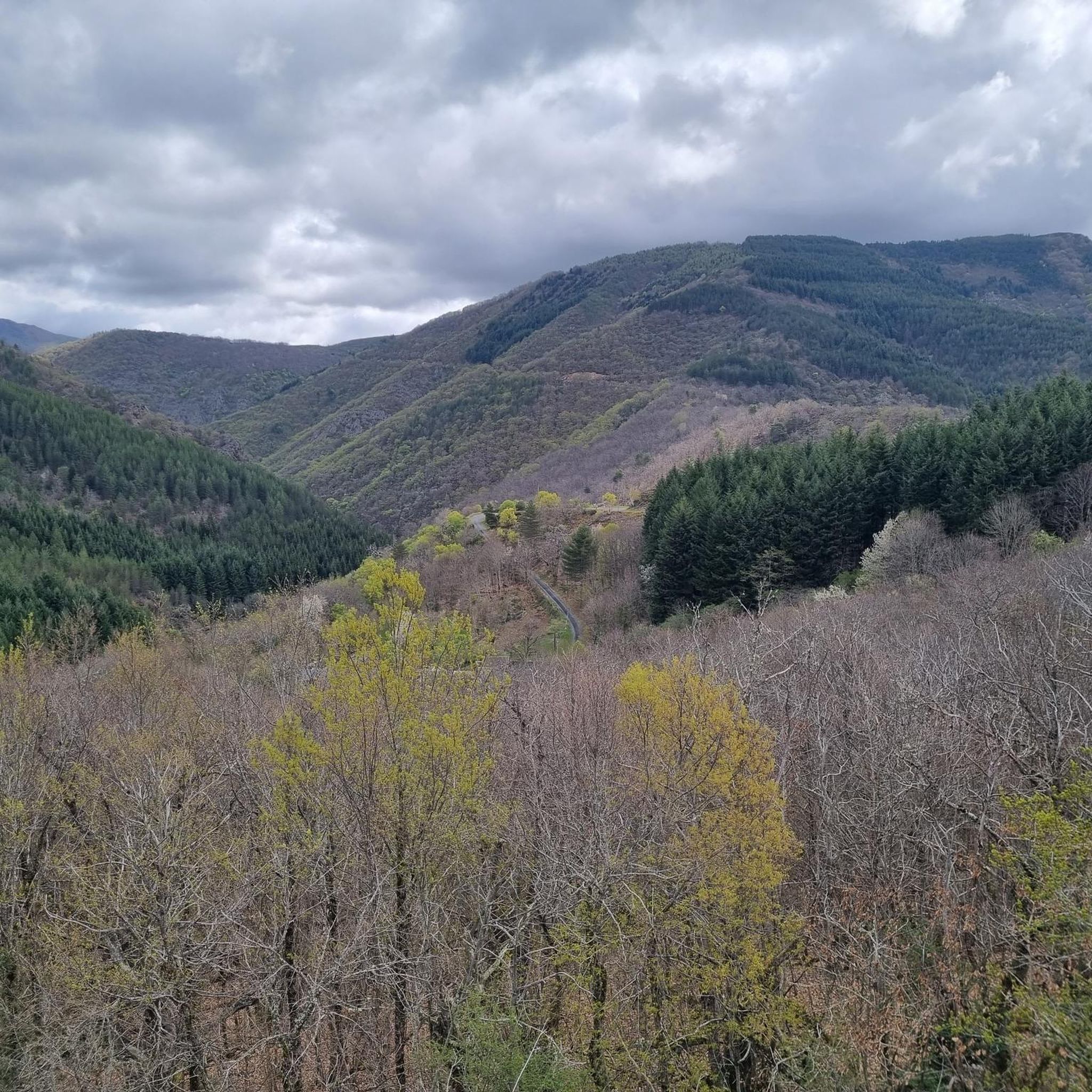
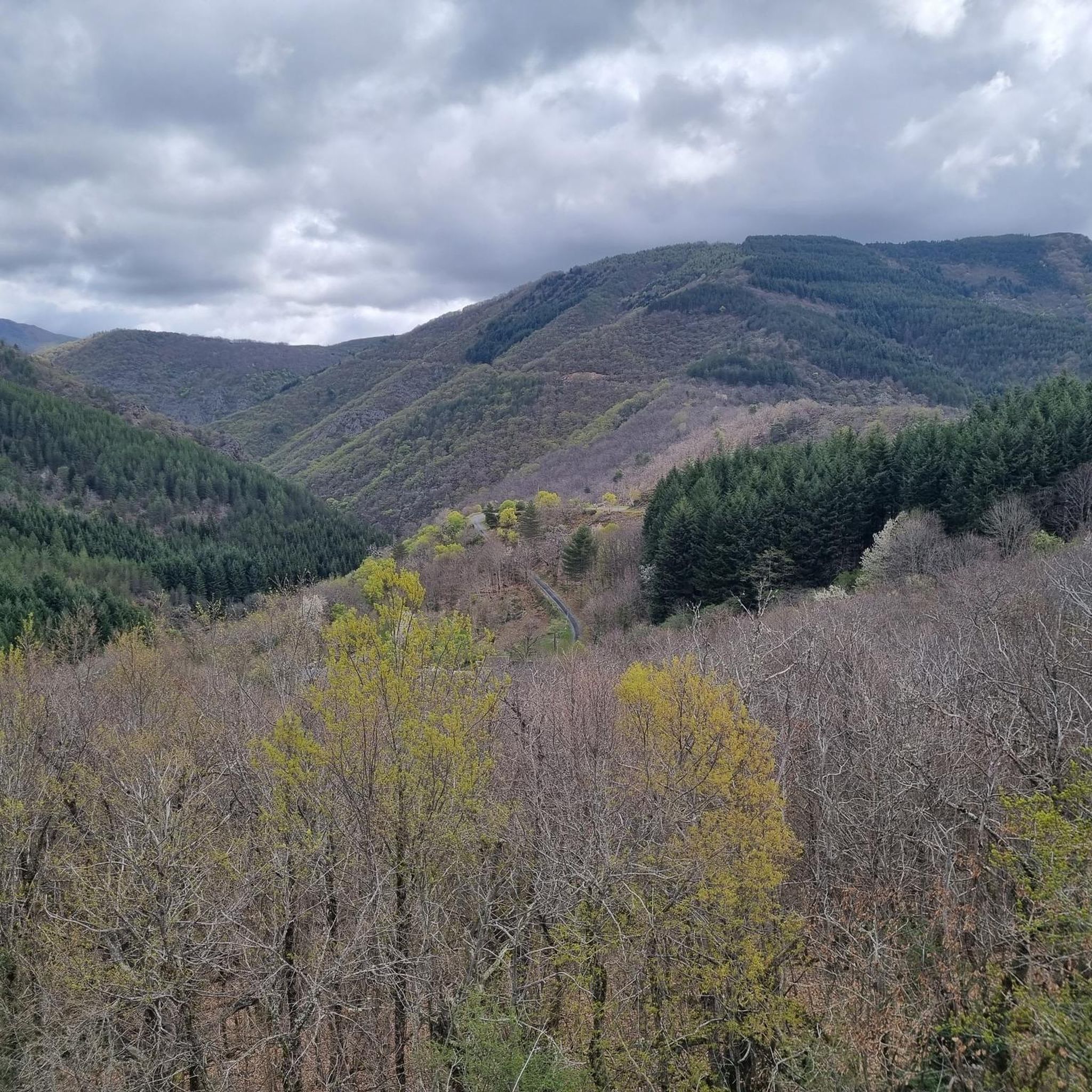
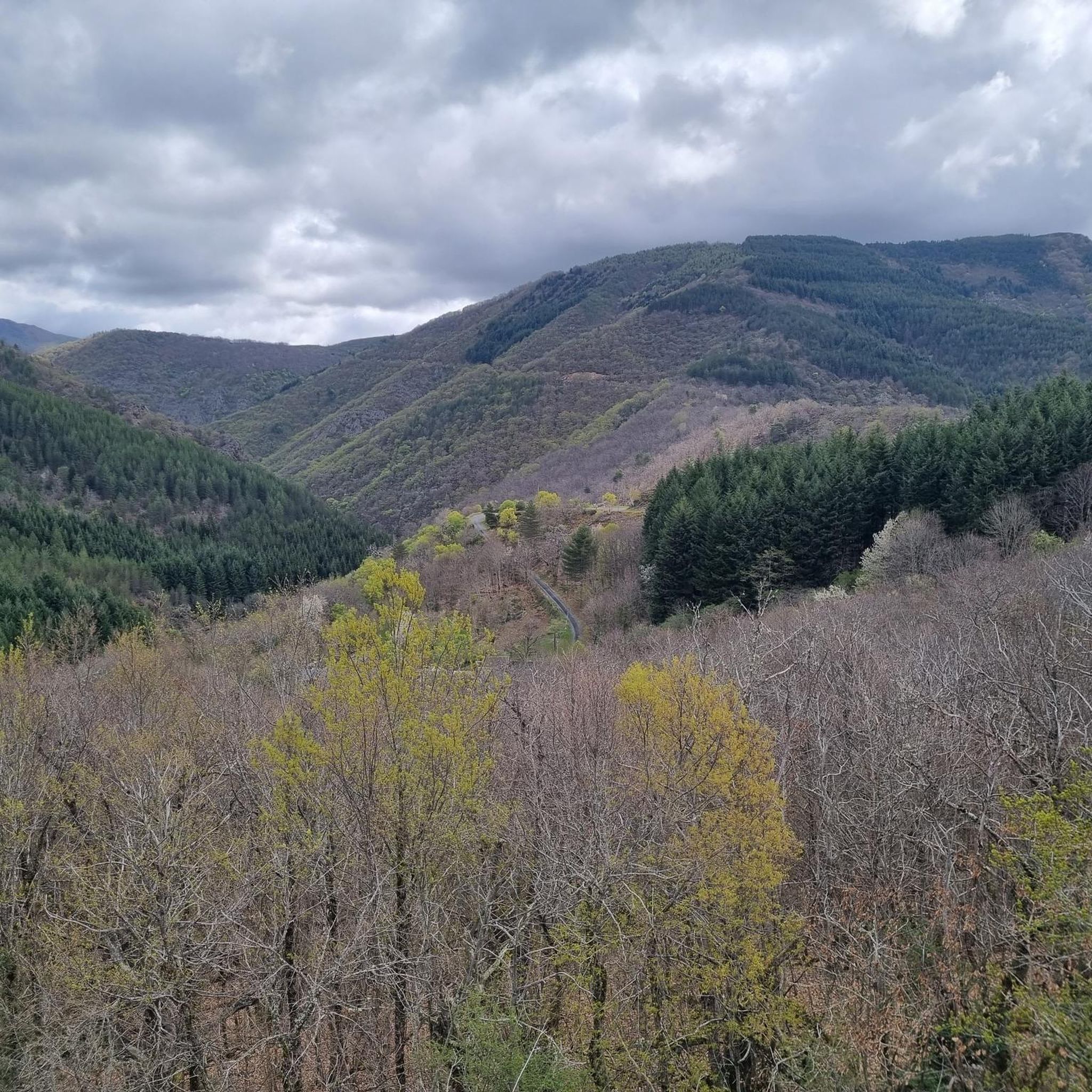
This pass, discreetly nestled among the fir trees, is a great road and pedestrian crossing. It also allows cyclists and gravel enthusiasts to take the trails that go a little deeper into the coniferous forests.
0
0


22.60 km and “Height difference” 1033m between Le Vigan and Col!
1
0

The Col du Minier with an altitude of 1,264 meters is located on the watershed between the Mediterranean Sea and the Atlantic Ocean. It is also located near a small waterfall, which is very useful for cooling off.
0
0

Please wear sturdy clothing that can get dirty/wet. There are climbing passages - a light summer dress is not suitable.
1
1
This small town in Aveyron is located in the middle valley of the Dourbie. It is especially famous for its architectural heritage with no less than seven buildings protected as historic buildings. For nature lovers, know that this small town is nestled in the middle of several areas protected by the Natura 2000 label which reinforces the regulations of the Grands Causses regional natural park on targeted sensitive areas.
1
0

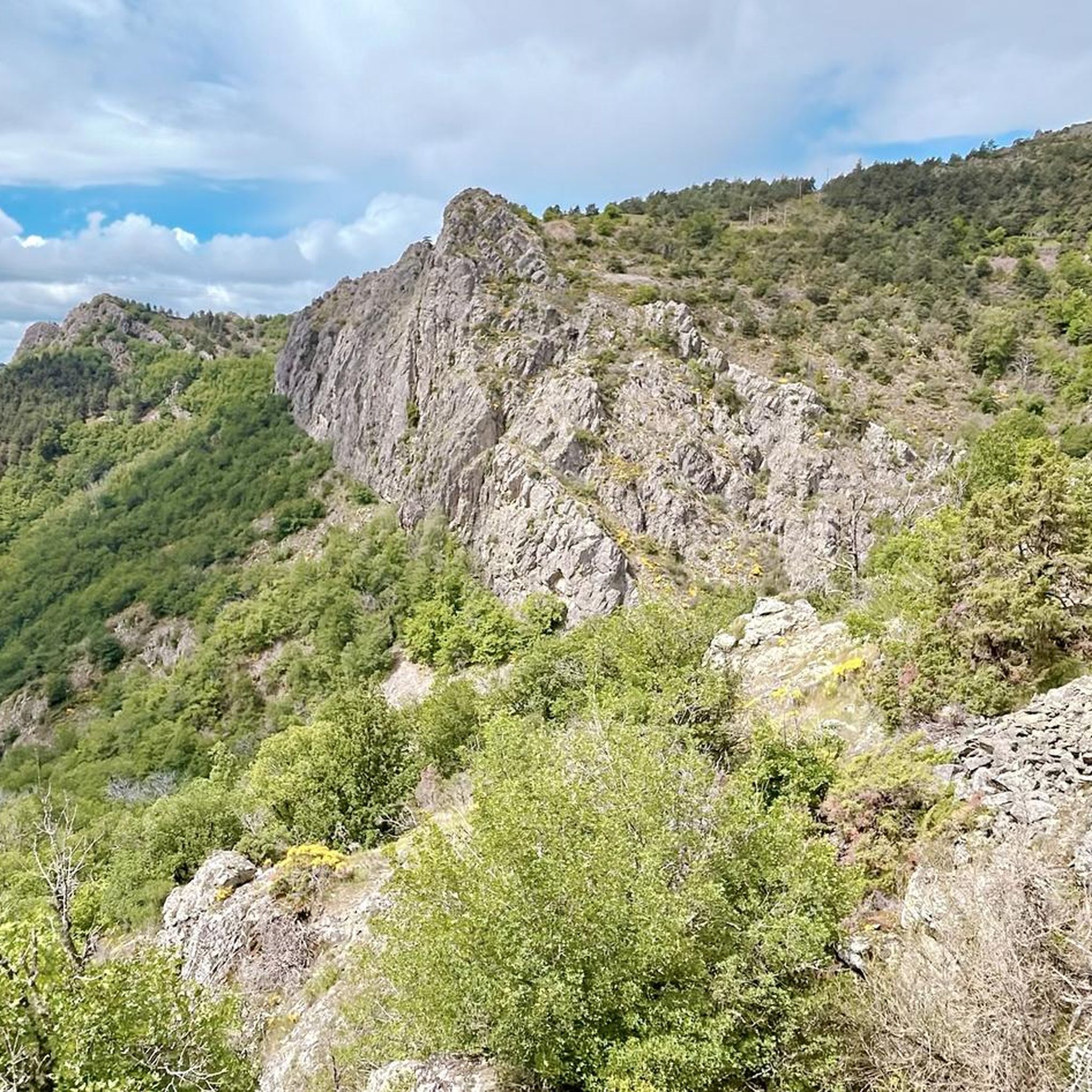
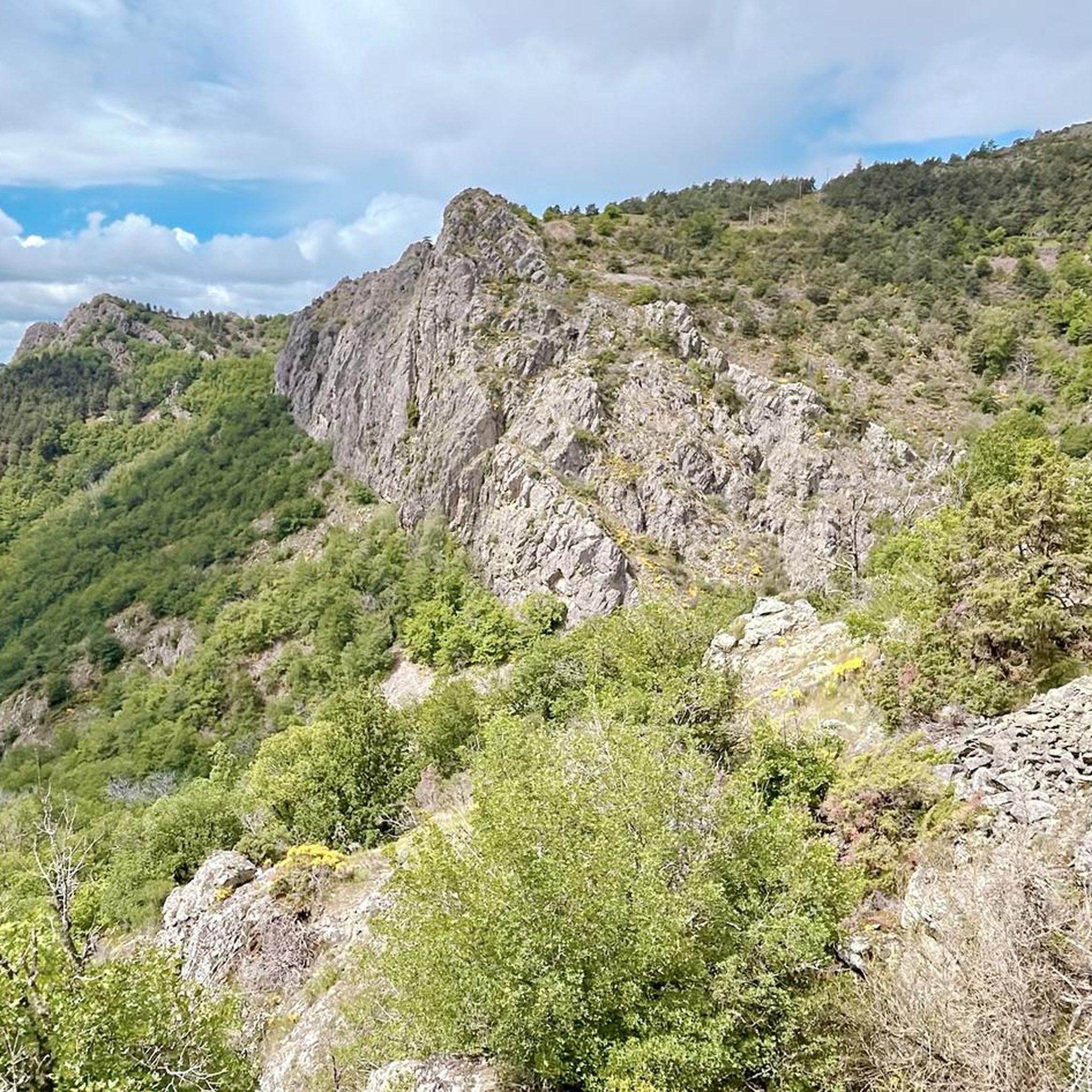
The Roc Nantais is a rock in the shape of a monumental tower dominating the Dourbie at 808m. It obviously offers a magnificent viewpoint from which to admire the Larzac and the foothills of the Cévennes (on the left), the St-Alban (opposite) and the Causse des Cuns (on the right).
1
0
The canoles are impressive faults dug by the erosion of the limestone. If the site is today an ideal place for hiking, it has been a habitat since the Mesolithic.
2
0
Frequently Asked Questions
What natural attractions can I explore around Saint-Jean-du-Bruel?
The region is rich in natural beauty. You can discover the impressive Entrance to the Canalettes natural site, a rock labyrinth offering hiking and climbing adventures, complete with an illuminated cave and rock arches. The Le Roc Nantais is a monumental rock formation providing magnificent panoramic views of the Larzac, Cévennes foothills, and Causse des Cuns. Additionally, the Gorges de la Dourbie, a Natura 2000 site, are known for their stunning schist and granite cliffs and rich biodiversity.
Are there any historical or cultural sites to visit in Saint-Jean-du-Bruel?
Yes, Saint-Jean-du-Bruel has a rich history. You can explore the village's historic streets like Rue de la Coutellerie, Grand'Rue, and Rue des Trois Porches, which reveal its artisanal and medieval past. The village is also home to the 12th-century Old Bridge and the rebuilt 17th-century New Bridge, both crossing the Dourbie river. Don't miss the imposing Baroque Saint-Jean-Baptiste Church and the historic Les Halles market halls.
What kind of outdoor activities are available near Saint-Jean-du-Bruel?
Saint-Jean-du-Bruel is an excellent base for outdoor enthusiasts. You can enjoy hiking, mountain biking, and trail running on numerous marked trails through gorges and forests. The Dourbie river is popular for trout fishing and offers opportunities for aquatic hiking in the Tayrac canyon. For cyclists, there are several routes, including those accessible via the Cycling around Saint-Jean-Du-Bruel guide, and gravel biking options like those found in the Gravel biking around Saint-Jean-du-Bruel guide.
Are there family-friendly attractions or activities in the area?
Absolutely. The Entrance to the Canalettes natural site offers hiking and climbing adventures suitable for families. The Aire de Loisirs de la Roque provides refreshing swimming in the Dourbie, a climbing wall, shaded areas, and playgrounds for children. Additionally, the Viaduc de la Voie verte La Cévenol is part of a family-friendly cycle path built on an old railway line.
Where can I find good viewpoints around Saint-Jean-du-Bruel?
For breathtaking views, visit Cantobre, perched village, which offers magnificent panoramas over the valley from its mountain spur location. The Le Roc Nantais also provides a stunning vantage point to admire the surrounding landscapes. The Minier Pass, at 1,264 meters, offers scenic views and is located on the watershed between the Mediterranean Sea and the Atlantic Ocean.
What hiking opportunities are there near Saint-Jean-du-Bruel?
The area around Saint-Jean-du-Bruel is ideal for hiking, with trails catering to various difficulty levels. You can find easy loops like the St Jean du Bruel – Our Lady of the Sentinel loop, or more challenging routes such as the Nant – Pont Ancien de la Prade loop. For a comprehensive list of trails, refer to the Hiking around Saint-Jean-Du-Bruel guide.
Are there any prehistoric sites in the vicinity?
Yes, the region has evidence of ancient human presence. You can find several prehistoric sites, including the Dolmen de Balmarelesse (also known as Tombeau du Géant) and the Dolmen de Barjac, along with various menhirs scattered throughout the area.
What is the significance of the Dourbie river in this region?
The Dourbie river is central to the region's identity and natural beauty. Considered one of France's most beautiful rivers, it carves out impressive gorges and widens into green meadows. It's a classified Natura 2000 site, rich in biodiversity, and offers opportunities for swimming, fishing, and aquatic hiking. The Noria, the Water House, is a local tourist site dedicated to its importance.
What do visitors enjoy most about the attractions around Saint-Jean-du-Bruel?
Visitors particularly appreciate the unique blend of natural beauty and historical charm. They love the adventurous hiking and climbing at the Entrance to the Canalettes natural site, describing it as a 'magical place'. The 'magnificent' location and 'breathtaking views' from Cantobre, perched village are also highly praised, as is the opportunity to cool off near the waterfall at Minier Pass.
Can I find cycling routes that pass through interesting landmarks?
Yes, the area offers several cycling routes that incorporate notable landmarks. For example, the Viaduc de la Voie verte La Cévenol is a perfect example of the structures along the La Cévenol Greenway, following an old railway line. Many cycling and gravel biking routes, detailed in the Cycling around Saint-Jean-Du-Bruel and Gravel biking around Saint-Jean-du-Bruel guides, will take you through diverse landscapes and past points of interest.
What is the best time to visit Saint-Jean-du-Bruel for outdoor activities?
The region is generally pleasant for outdoor activities from spring through autumn. Spring and early summer offer lush greenery and comfortable temperatures for hiking and cycling. Autumn is also beautiful, especially with the chestnut groves (châtaigneraies) characteristic of the Cévennes influence. Summers can be warm, making activities near the Dourbie river or at higher altitudes like Minier Pass particularly enjoyable for cooling off.
Most popular routes around Saint-Jean-Du-Bruel
Most popular attractions around Saint-Jean-Du-Bruel

Get inspired with the komoot mobile app


Explore more
Still not found the Highlight you’re looking for? See guides of the top attractions in other regions:
