The best walks and hikes around Fislis
4.5
(1035)
5,285
hikers
416
hikes
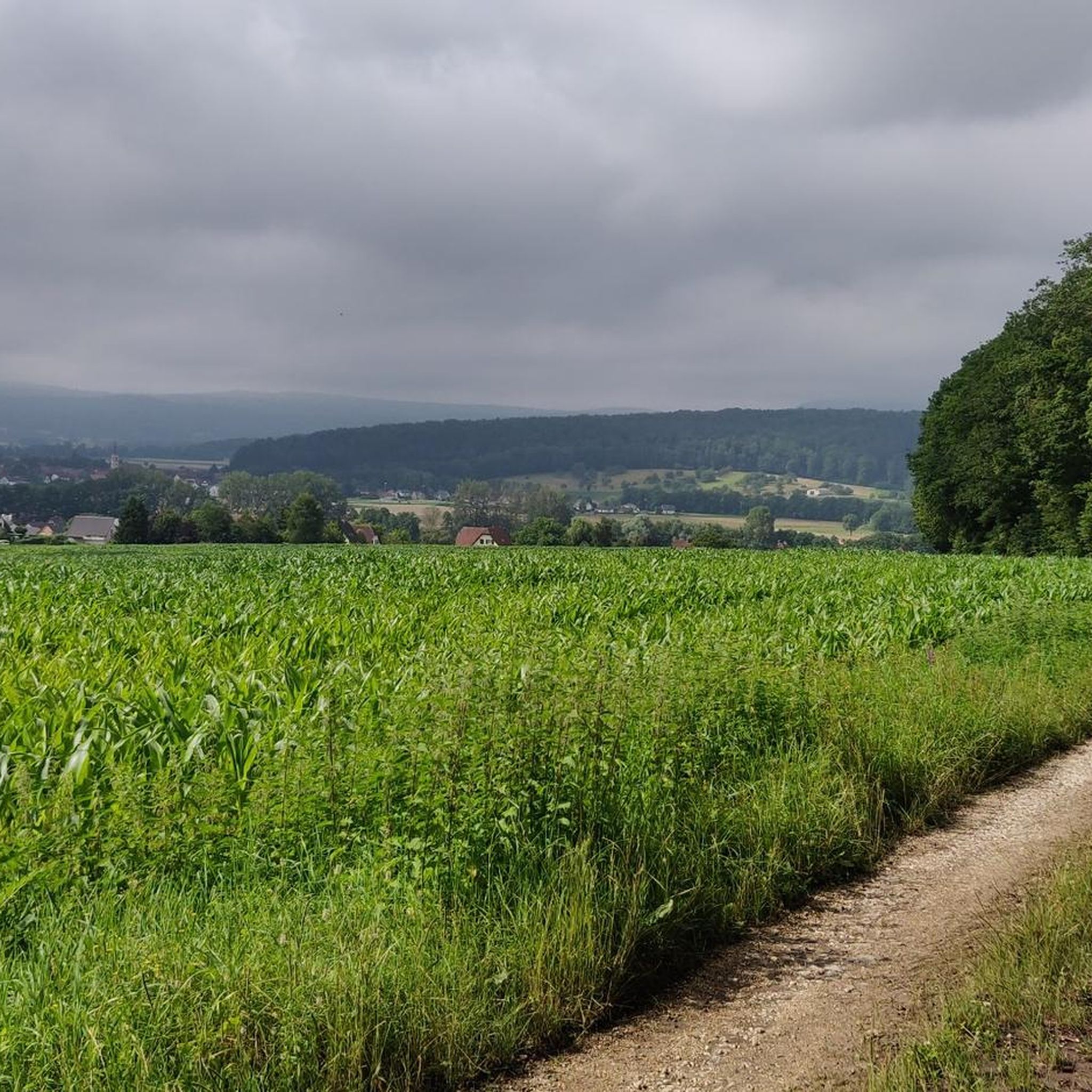
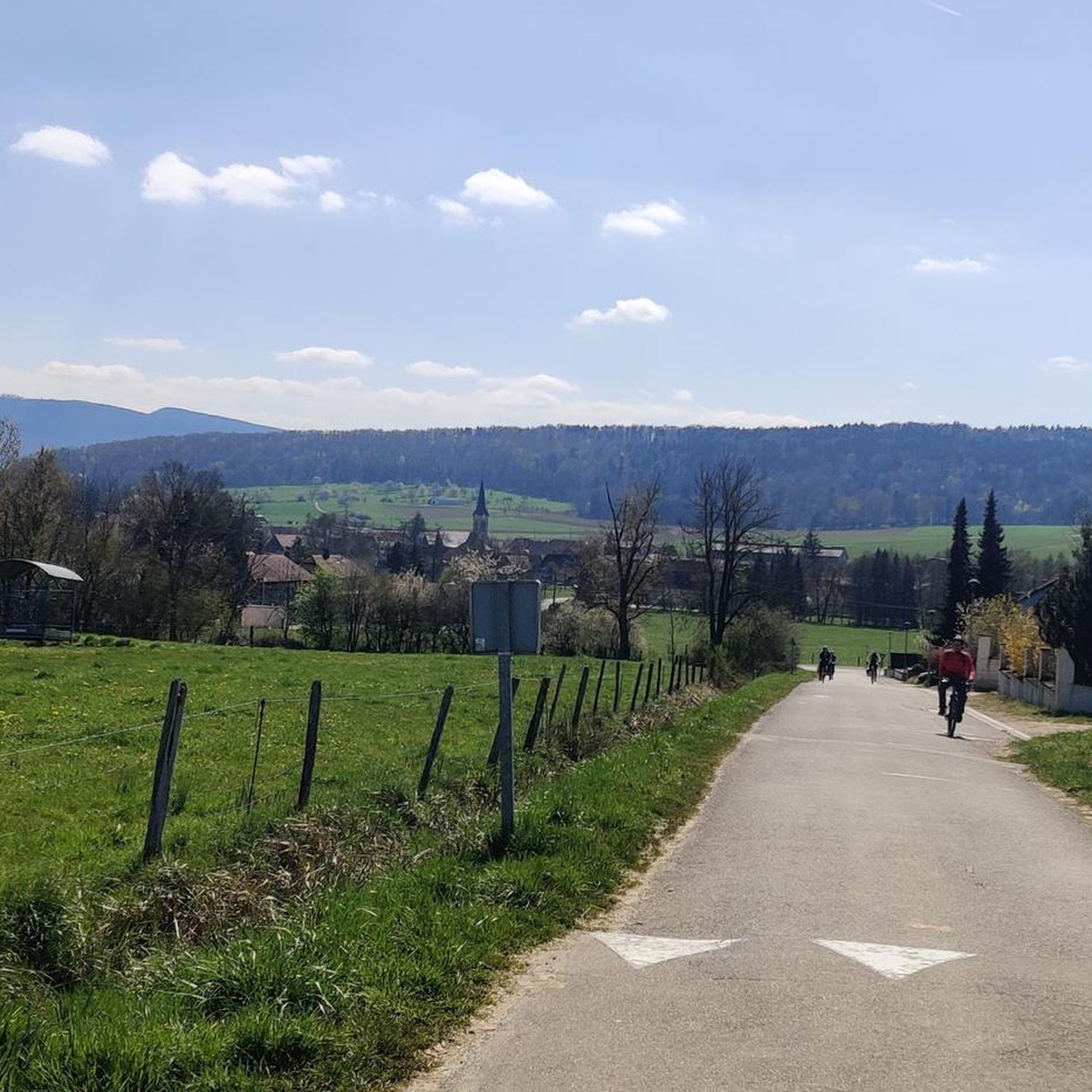
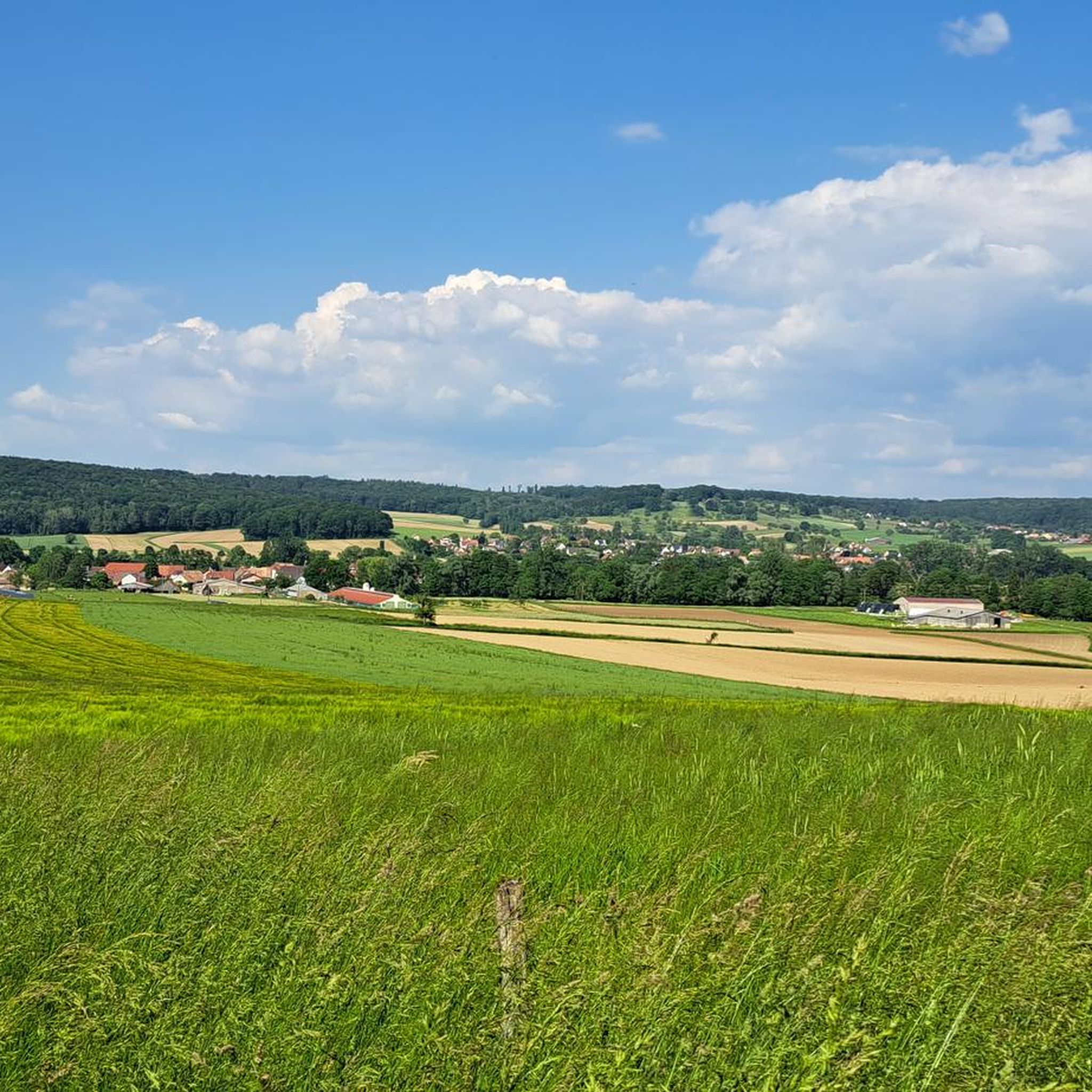
Hiking around Fislis offers access to the diverse landscapes of Alsace and the Vosges Mountains. The region is characterized by green spaces, the Ill river, and picturesque limestone ridges of the Alsatian Jura. Hikers can explore varied terrain, from tranquil forests and mountain pastures to areas influenced by the Ballons des Vosges Regional Natural Park.
Best hiking trails around Fislis
- The most popular hiking route is Hiking loop from Raedersdorf, a 2.1 miles (3.3 km) trail that takes 58…
Last updated: May 20, 2026
4.5
(2)
30
hikers
3.38km
00:59
90m
90m
Easy hike. Great for any fitness level. Easily-accessible paths. Suitable for all skill levels.
4.7
(3)
10
hikers
7.12km
01:59
140m
140m
Easy hike. Great for any fitness level. Easily-accessible paths. Suitable for all skill levels.

Sign up for free
5.0
(1)
7
hikers
Easy hike. Great for any fitness level. Easily-accessible paths. Suitable for all skill levels.
4.4
(5)
16
hikers
5.61km
01:37
140m
140m
Easy hike. Great for any fitness level. Easily-accessible paths. Suitable for all skill levels.
5.0
(1)
10
hikers
9.45km
02:36
150m
150m
Moderate hike. Good fitness required. Easily-accessible paths. Suitable for all skill levels.
Get access to more routes and recommendations from other explorers.
Sign up for free
Already have an account?
Our route recommendations are based on thousands of hikes, rides, and runs completed by other people on komoot.
Start today with a free account
Your next adventure awaits.
Login or Signup
Tips from the Community

Added to the collection: komoot.com/de-de/collection/3600632/-naturdenkmaeler-besondere-baeume-und-weitere-schaetze-der-natur
0
0

The Saint-Brice Chapel is located between Schwaben and Hausgauen in an idyllic and green setting and currently dates back to 1695.
0
0

The current parish church of Oltingue was built between 1827 and 1831 in late classicist style. Striking features include the triangular pediment above the round-arched portal and the Callinet organ from 1843, which is still in use. Together with the presbytery and the former school, the church forms a well-preserved village ensemble from the Louis-Philippe period. The church replaced an older mother church outside the village.
11
0
This former mother church of Oltingue and three disappeared villages dates from the 13th and 14th centuries. The location is idyllic: surrounded by fields, an old cemetery and often with storks on the roof in the spring. Inside you will discover surprisingly well (?) preserved wall paintings, including a rare representation of the sacrifice of Melchisedech and a Last Supper from 1741. In the choir you will also find a wall tabernacle and a niche for liturgical objects, silent witnesses of medieval rituals. The Gothic arched windows and the neo-Gothic vault are reminders of later restorations, while archaeological excavations in 1989 revealed traces of older sanctuaries and tombs from the early Middle Ages. simple but full of character.
11
0
Raedersdorf is located in the southernmost part of Alsace, in the hilly landscape of the Sundgau, close to the Swiss border. The village is surrounded by forests, springs and hiking trails leading to heritage sites such as the Église Saint-Étienne with its baroque interior and Callinet organ, and the Mariabrunn chapel in the forest. Its location between French-speaking and German-speaking Switzerland makes Raedersdorf a place where cultures come together.
8
0
The church of Raedersdorf was built in its present form between 1807 and 1811, on the foundations of an older church, the tower of which has been partly preserved. The interior was richly decorated in 1811 by sculptor Joseph Antoine Feuerstein, with a harmonious baroque ensemble. The organ was also built in the same year by Jean Frantz. The church was finally consecrated in 1851. It is located in the centre of the village, close to the town hall, and is a silent witness to religious art and village history in the south of Alsace.
10
0


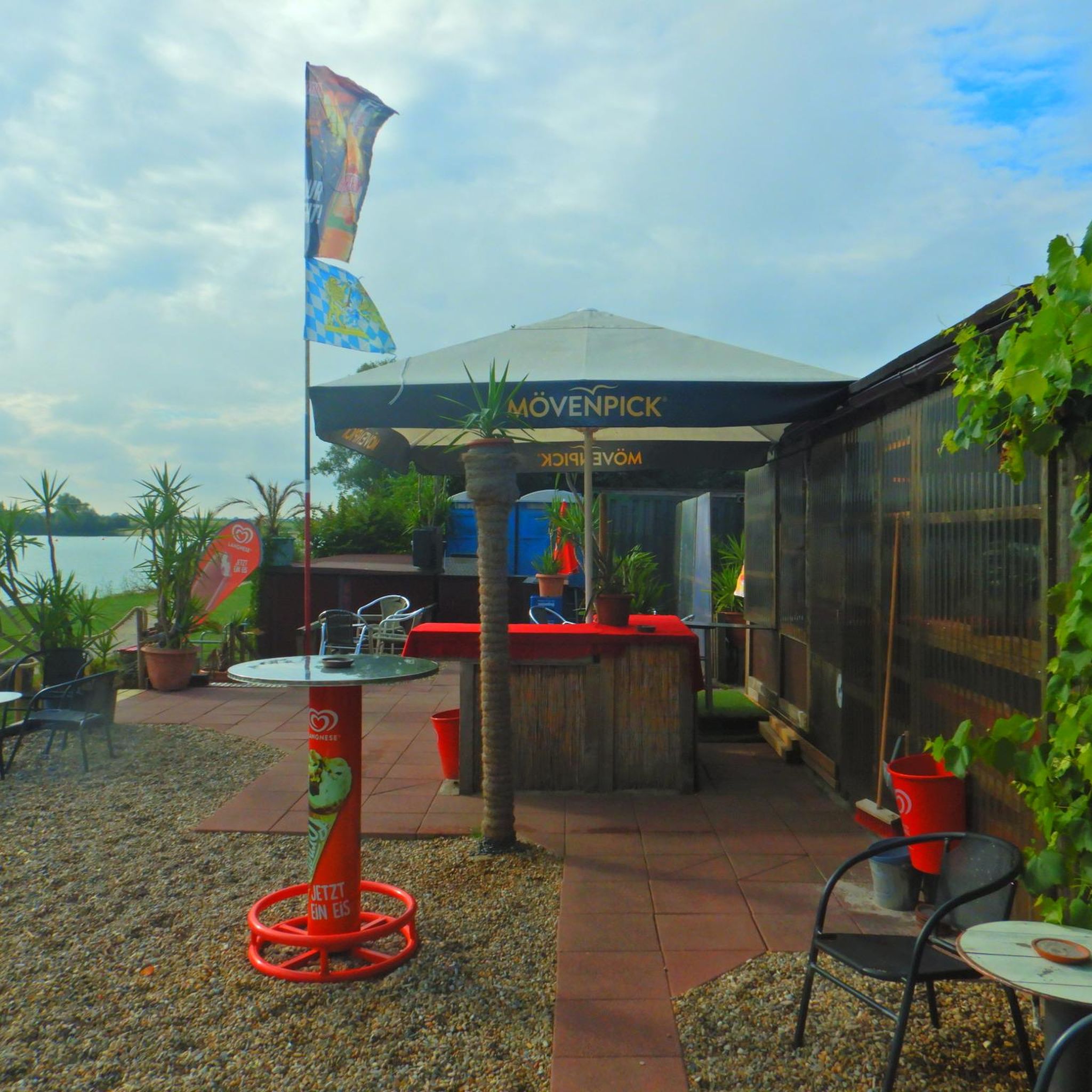
Great place to eat good Munster cheese and drink a glass of Pinot Noir. Very friendly.
0
0
Frequently Asked Questions
What types of hiking trails are available around Fislis?
Fislis offers access to a diverse range of hiking trails. You can explore the green spaces and promenade along the Ill river, picturesque limestone ridges of the Alsatian Jura, and the more challenging terrain of the nearby Vosges Mountains. The region features tranquil forests, mountain pastures, and areas influenced by the Ballons des Vosges Regional Natural Park.
How many hiking routes can I find in the Fislis area?
There are over 400 hiking routes available around Fislis. This includes a wide variety of options, with 163 easy trails, 219 moderate trails, and 35 difficult routes, ensuring there's something for every skill level.
Are there any circular hiking routes near Fislis?
Yes, many of the trails around Fislis are designed as circular routes, allowing you to start and end your hike in the same location. An example is the Saint Martin Church, Oltingue – Église Saint-Martin-des-Champs loop from Oltingue, which takes you through local villages and fields.
What do other hikers say about the trails around Fislis?
The hiking trails around Fislis are highly rated by the komoot community, with an average score of 4.5 stars from nearly 900 reviews. Hikers often praise the varied terrain, well-maintained paths, and the scenic beauty of the Sundgau region and nearby Vosges Mountains.
Are there any family-friendly hiking options in Fislis?
Yes, Fislis and its surroundings offer several easy routes suitable for families. These trails often feature gentle ascents and pleasant walks through the countryside. For instance, the Le Gros Chêne de Sondersdorf – Grand Chêne loop from Raedersdorf is an easy 5.5 km path that can be enjoyed by all ages.
Can I bring my dog on the hiking trails near Fislis?
Many trails in the Fislis region are suitable for dogs, especially those through forests and open countryside. It's always recommended to keep your dog on a leash, especially in nature reserves or near livestock, and to check local regulations for specific areas within the Regional Natural Parks.
What natural features or landmarks can I see while hiking around Fislis?
While hiking, you can encounter diverse natural features and historical landmarks. The broader region includes the scenic Vosges Mountains with their forests and pastures, and the Alsatian Jura's limestone ridges. You might also discover historical sites like Landskron Castle or religious buildings such as Saint-Brice Chapel. The area also features mountain passes like Blochmont Pass.
Are there any waterfalls or lakes accessible on hikes from Fislis?
While Fislis itself is near the Ill river, the wider Alsace region, particularly within the Vosges Mountains, is known for its refreshing lakes and picturesque waterfalls. Many hiking trails in the Vosges lead to these natural water features, offering beautiful destinations for your outdoor adventures.
What is the best time of year to go hiking in Fislis?
The best time to hike around Fislis is generally from spring to autumn. Spring brings blooming landscapes, while summer offers warm weather for exploring forests and mountain pastures. Autumn is particularly scenic with vibrant fall foliage. Winter hiking is possible, especially on lower elevation trails, but requires appropriate gear and awareness of conditions in the higher Vosges Mountains.
Is there public transport available to reach hiking trailheads near Fislis?
Fislis is a village in the Haut-Rhin department. While local bus services connect Fislis to nearby towns like Altkirch and Mulhouse, direct public transport to specific remote trailheads might be limited. It's advisable to check local bus schedules in advance or consider driving to access a wider range of starting points for your hikes.
Where can I find parking for hiking in Fislis?
In Fislis and surrounding villages, you can typically find public parking areas. For specific trailheads, parking might be available near village centers or designated car parks at popular starting points. Always look for signs indicating public parking or consult local maps for the most convenient options.
Are there places to eat or stay near the hiking trails in Fislis?
Fislis and the surrounding villages offer local amenities including cafes and restaurants where you can refuel after your hike. For accommodation, you'll find guesthouses or small hotels in Fislis and nearby towns like Altkirch and Mulhouse, providing a comfortable base for exploring the region.
Most popular attractions around Fislis

Get inspired with the komoot mobile app


Explore more
Browse the best Hikes in other regions.
