Top 11 Mountain Passes around Sengouagnet
Best mountain passes around Sengouagnet are situated in the Pyrenees, offering routes for cyclists and hikers. The region features passes connecting various valleys, known for their elevations and gradients. These passes are notable for their inclusion in major cycling events and provide access to hiking trails. The landscape is characterized by mountainous terrain and valley connections.
Best mountain passes around Sengouagnet
- The most popular mountain passes is Portet-d'Aspet pass, a mountain pass that culminates at an altitude of 1,069…
Last updated: June 26, 2026
Portet-d'Aspet pass
Highlight • Mountain Pass
Translated by Google •
Tip by

Menté Pass
Highlight • Mountain Pass
Translated by Google •
Tip by
Sign up now to discover places like this
Get recommendations on the best single tracks, peaks, & plenty of other exciting outdoor places.
Sign up for free
Col des Ares
Highlight • Mountain Pass
More information: quaeldich.de/paesse/col-des-ares
Translated by Google •
Tip by

Col de Larrieu (704 m)
Highlight • Mountain Pass
Translated by Google •
Tip by

Buret Pass
Highlight • Mountain Pass
The pass is the starting point for beautiful hikes towards the Cagire.
Translated by Google •
Tip by

Sign up for free to discover even more mountain passes around Sengouagnet.
Sign up for free
Already have an account?
Start today with a free account
Your next adventure awaits.
Login or Signup
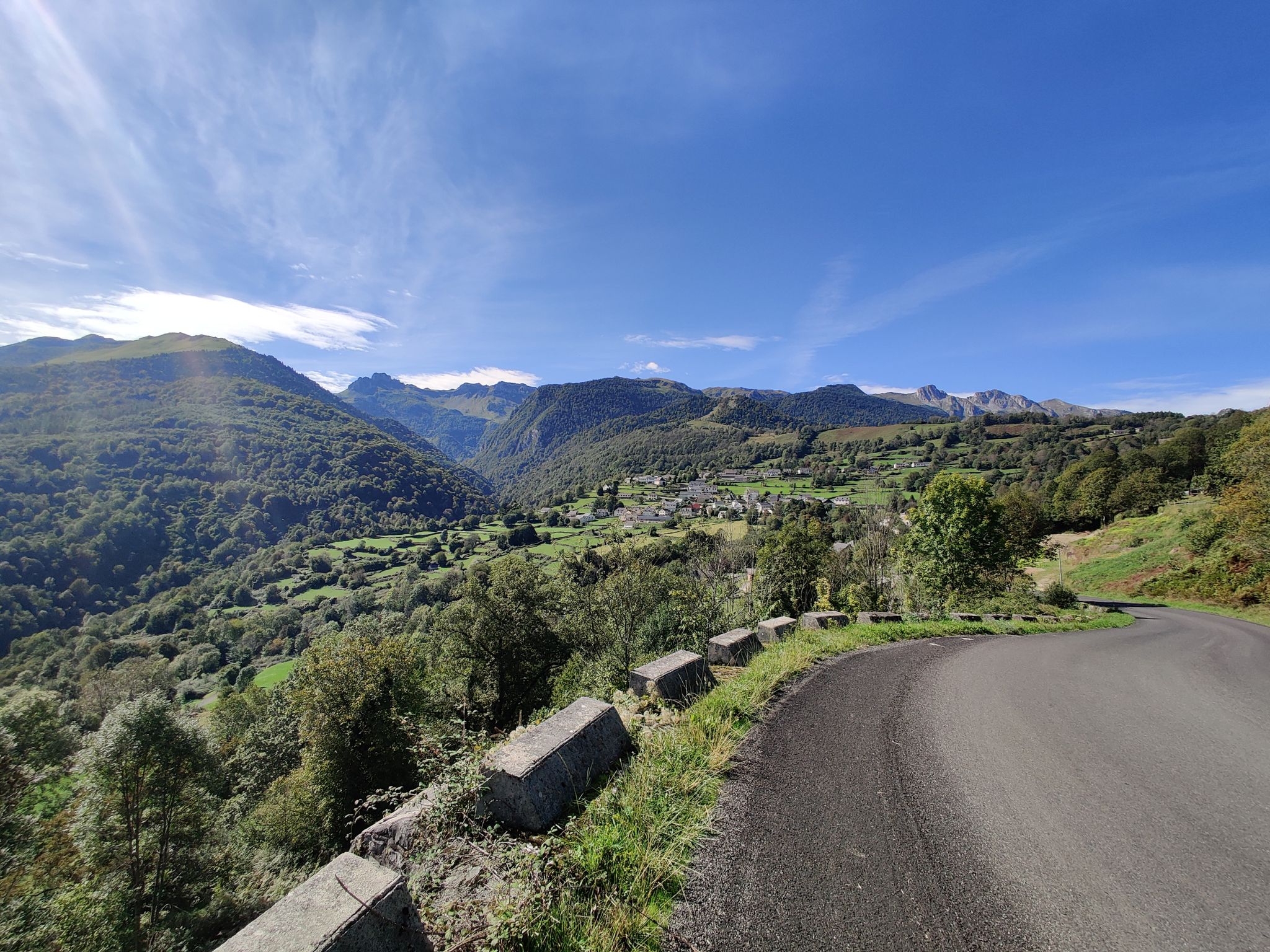
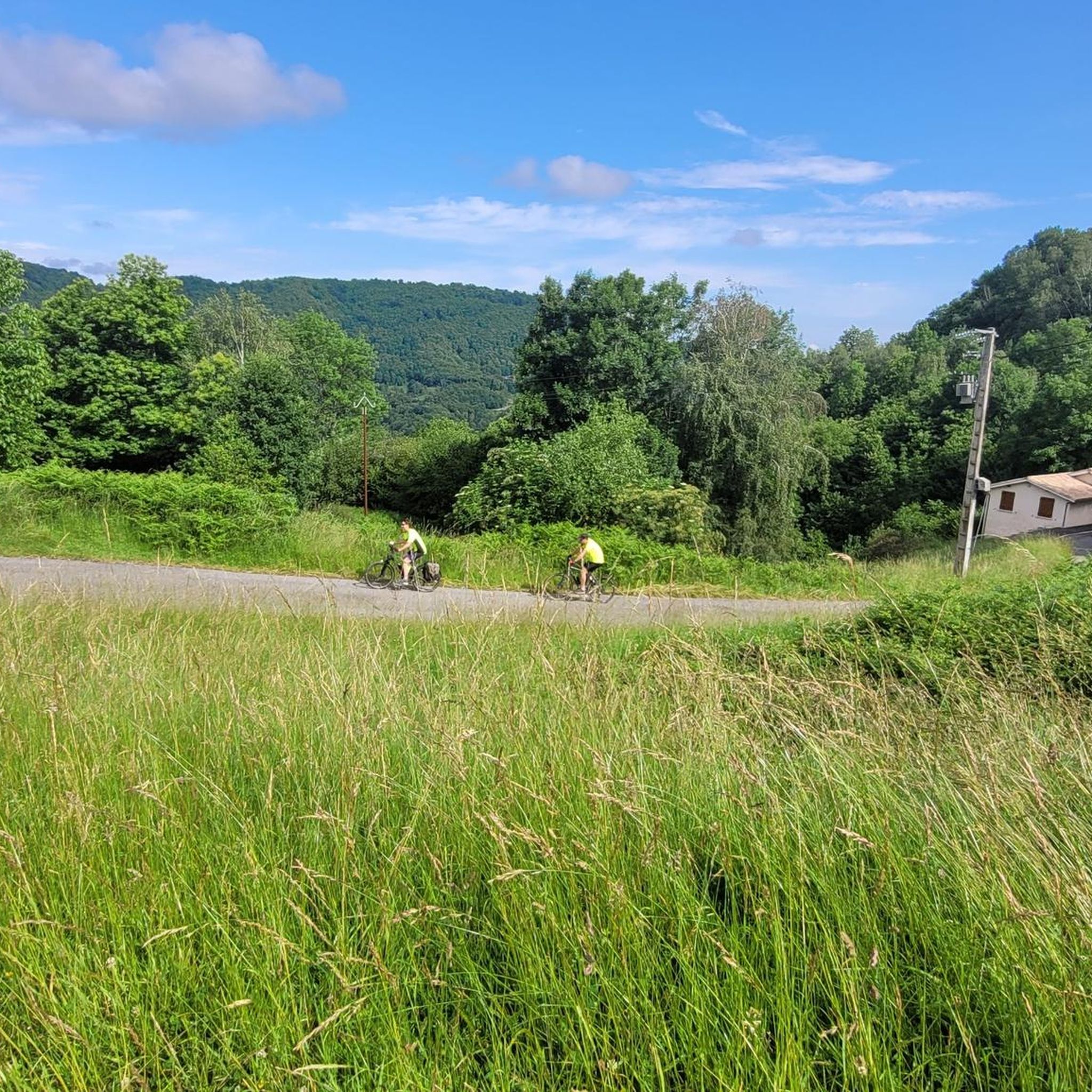

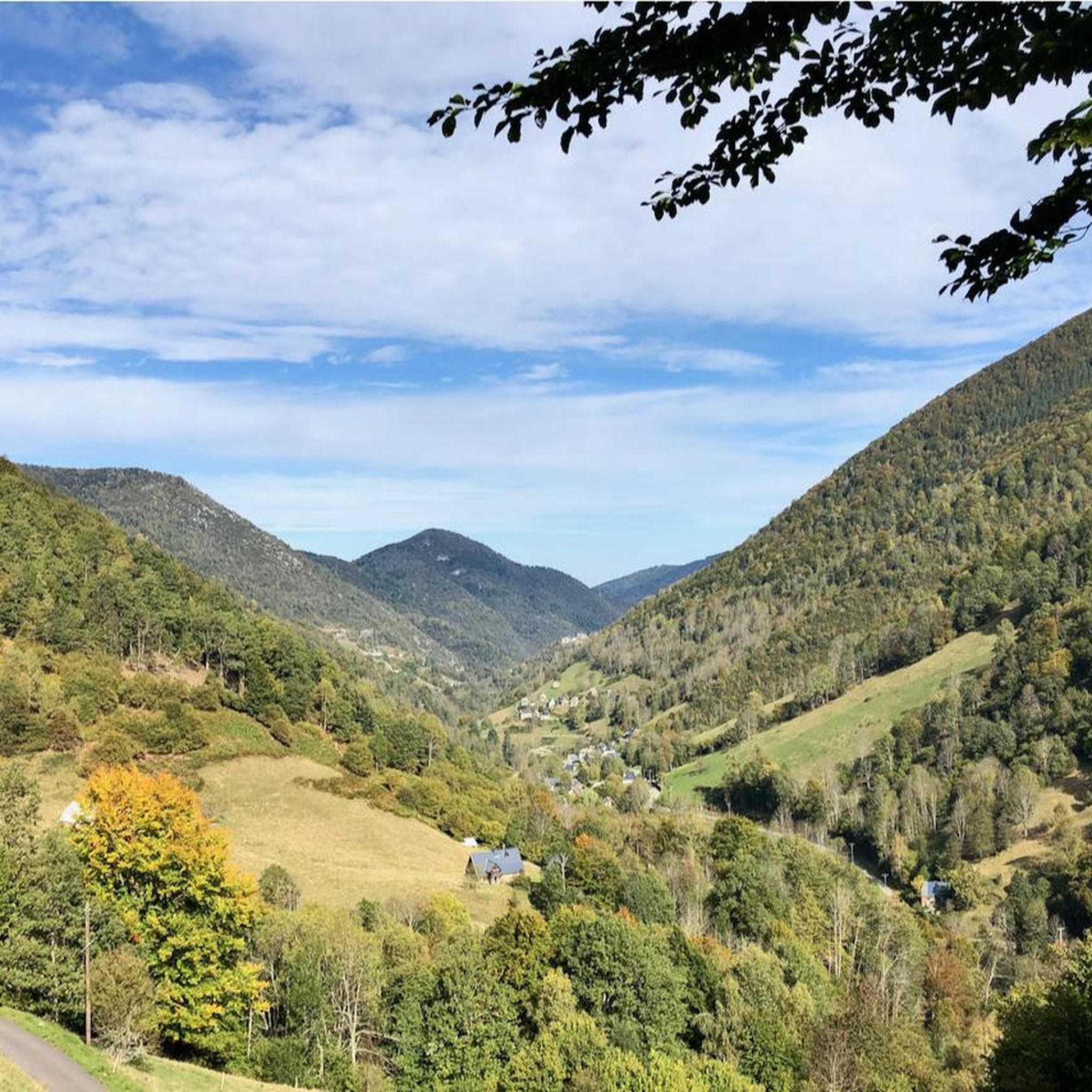
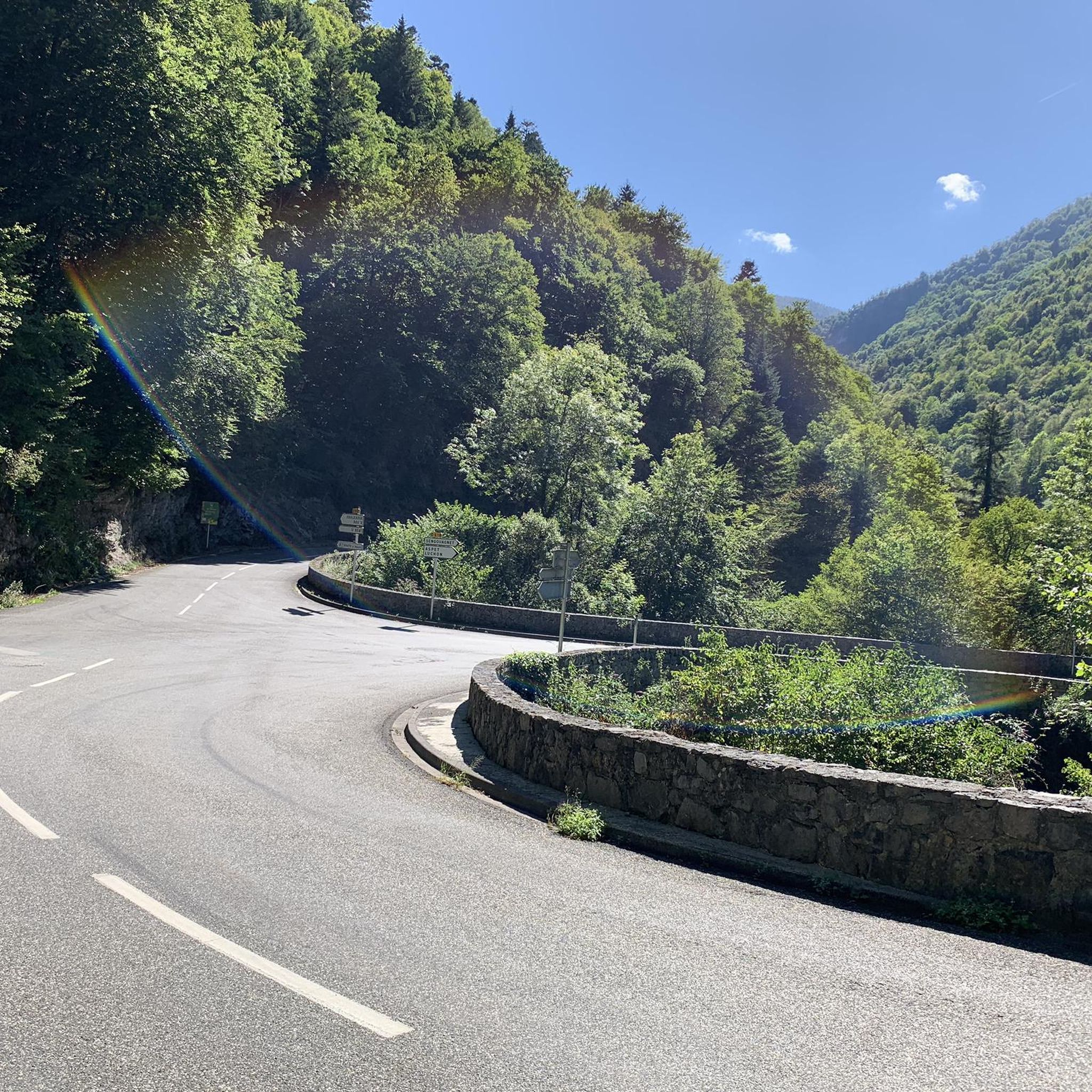

Other adventures around Sengouagnet

Tips from the Community

A beautiful transitional port between the Le Ger river valley and the Garonne river valley
0
0

Also, stop at the Là Soulan hostel for a well-deserved break. Very warm welcome. 👍
0
0

Not very long but good percentage
0
0

hard on a mountain bike but it's so beautiful
0
0

Beautiful pass of the Tour de France offering a very beautiful point of view at its summit. It can be accessed by gravel or mountain bike in two different ways and also left in two different ways without going through the tarmac ...
1
1

One of the mythical Pyrenean ports of the Tour de France, known largely for the tragic fall of Luis Ocaña in the 1971 Tour when he was leading the general classification. Its 2 aspects have a lot of crumbs: - west slope that starts from Saint Béat: it is the hardest. It is 9.7 km with an average slope of 8.7%. It is a very constant climb, with a small break when passing through Boux. The first part is a little harder and uglier since you barely have any views and you go up through the middle of a valley. The final part is spectacular with its many horseshoe curves, good panoramic views and the monument to the place where Luis Ocaña fell. - east slope: it is longer, with an initial section of 7 km very winding with a slope of 4%. It also has a break in its intermediate zone. Once the hard part starts, it is also very constant, like the west slope, although the average slope is 7-8%. This aspect has even more twists than the previous one. For more information, consult the profile published by cylcingcols.com -- > http://www.cyclingcols.com/col/Mente
0
0

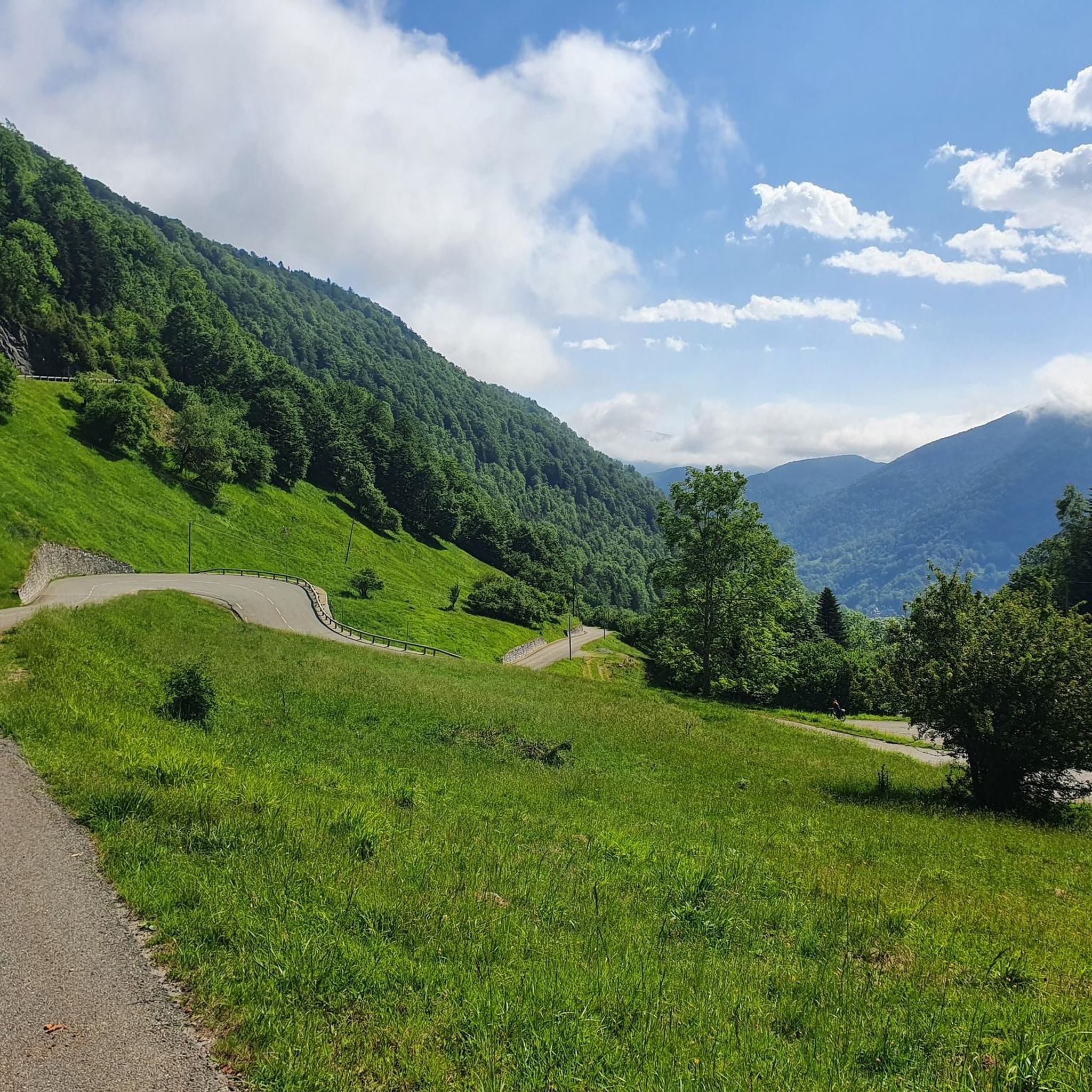
Popular with cyclists, the Portet-d'Aspet pass peaks at an altitude of 1,069 meters between the Ger and Bouigane valleys.
1
0

Magnificent view for the climb to the pass from Artichan-de-Frontignes, however I found the climb on the other side (from the Col de Buret) more interesting because it was a little longer.
0
0
Frequently Asked Questions
Which mountain passes around Sengouagnet are most popular for cycling?
Two of the most popular and challenging passes for cyclists are the Portet-d'Aspet pass and the Menté Pass. Both are famous for their inclusion in the Tour de France, offering demanding climbs with steep gradients. The Portet-d'Aspet pass features sections over 13%, while the Menté Pass has parts exceeding 11%.
Are there any mountain passes with historical significance in the region?
Yes, both the Portet-d'Aspet pass and the Menté Pass hold historical significance, particularly in the world of cycling. They are well-known features of the Tour de France, attracting enthusiasts who wish to ride these iconic routes. The Portet-d'Aspet pass also has a monument dedicated to Fabio Casartelli.
What are the best mountain passes for scenic views around Sengouagnet?
For breathtaking panoramas, consider visiting Col des Ares. Located above Fronsac, it culminates at 797 meters and offers a lovely view over the Garonne valley. The Col de Larrieu (704 m) also provides very beautiful views of the region, especially during easier walks from the pass.
Are there hiking opportunities near the mountain passes?
Absolutely. The Menté Pass serves as an excellent starting point for various hiking trails, including the demanding 'Pic de l'Escalette from Col de Menté' and the 'Panoramic route from Col de Menté via Pic de Cagire'. The Buret Pass is also a starting point for beautiful hikes towards the Cagire. You can find more detailed routes in the Hiking around Sengouagnet guide.
What kind of terrain and difficulty can I expect on these mountain passes?
The mountain passes around Sengouagnet offer a range of difficulties. Passes like Portet-d'Aspet pass and Menté Pass are known for their challenging ascents with steep gradients, ideal for experienced cyclists. Other passes, such as Col de Larrieu (704 m) and Buret Pass, are considered easier and suitable for more relaxed activities or as warm-ups.
Can I find gravel biking routes near the mountain passes?
Yes, the region offers gravel biking opportunities. For instance, the Portet-d'Aspet pass is suitable for gravel or mountain biking, with options to access and depart without using paved roads. You can explore more routes in the Gravel biking around Sengouagnet guide.
Are there any easy or family-friendly mountain passes for walks?
Yes, the Col de Larrieu (704 m) is known for being the starting point for many rather easy walks with low percentages, offering beautiful views of the region. The Buret Pass is also described as a small, easy pass.
What do visitors enjoy most about the mountain passes around Sengouagnet?
Visitors frequently appreciate the challenging nature of the climbs, especially those featured in the Tour de France, and the stunning views from the summits. Many find the ascents scenic, and the variety of passes caters to different activity levels, from demanding cycling to easy walks with beautiful panoramas. The komoot community has shared 84 photos and given 189 upvotes to these highlights.
What are the altitudes of the main mountain passes?
The Portet-d'Aspet pass culminates at 1,069 meters (3,507 feet), while the Menté Pass reaches an altitude of 1,349 meters (4,426 feet). Lower passes include Col des Ares at 797 meters and Col de Larrieu (704 m) at 707 meters.
Are there running trails available near these mountain passes?
Yes, there are several running trails in the vicinity of the mountain passes. For example, you can find routes like the 'Menté Pass – Pic de l'Escalette (pass) loop from Col de Menté' and the 'View of Pic de Cagire – Buret Pass loop from Aspet'. More options are detailed in the Running Trails around Sengouagnet guide.
How do the ascents to Portet-d'Aspet pass and Menté Pass compare?
The ascent to Portet-d'Aspet pass from Aspet is 14.3 kilometers long with an average gradient of 4.2%, featuring sections steeper than 13% in the final kilometers. For Menté Pass, the climb from Saint-Béat is shorter at 9.3 kilometers but much steeper, with an average gradient of 9.13% and sections over 11%. Alternatively, from the Oule bridge, it's 10.9 kilometers with a 6.6% average gradient.
Most popular routes around Sengouagnet
Most popular attractions around Sengouagnet

Get inspired with the komoot mobile app


Explore more
See even more epic mountain passes by checking out these guides around Sengouagnet:
