Top 8 Castles around Maureillas-Las-Illas
Best castles around Maureillas-Las-Illas are situated in a region with historical significance, positioned near the Pyrenees and the French-Spanish border. This area features a landscape of hills and forests, which provided strategic locations for historical fortifications. The commune of Maureillas-Las-Illas has medieval roots, with records indicating the presence of early castle structures. Exploring these sites offers insight into the region's past as a contested borderland.
Best castles around Maureillas-Las-Illas
- The most popular castles is Fort de Bellegarde, a viewpoint…
Last updated: July 8, 2026
Fort de Bellegarde
Highlight • Viewpoint
The main purpose of the Fort de Bellegarde was to control and protect the strategic passage through the Pyrenees between France and Spain. For centuries, this region was disputed …
Translated by Google •
Tip by

Panissars Ruins
Highlight • Historical Site
If the site retains such strong historical interest, it is because General Pompey had his trophy built …
Translated by Google •
Tip by

Sign up now to discover places like this
Get recommendations on the best single tracks, peaks, & plenty of other exciting outdoor places.
Sign up for free
Castell de Requesens
Highlight • Castle
Translated by Google •
Tip by

Church of Sant Esteve
Highlight • Religious Site
Translated by Google •
Tip by
Laroque-des-Albères Castle Tower
Highlight • Castle
Translated by Google •
Tip by

Sign up for free to discover even more castles around Maureillas-Las-Illas.
Sign up for free
Already have an account?
Start today with a free account
Your next adventure awaits.
Login or Signup
Popular around Maureillas-Las-Illas
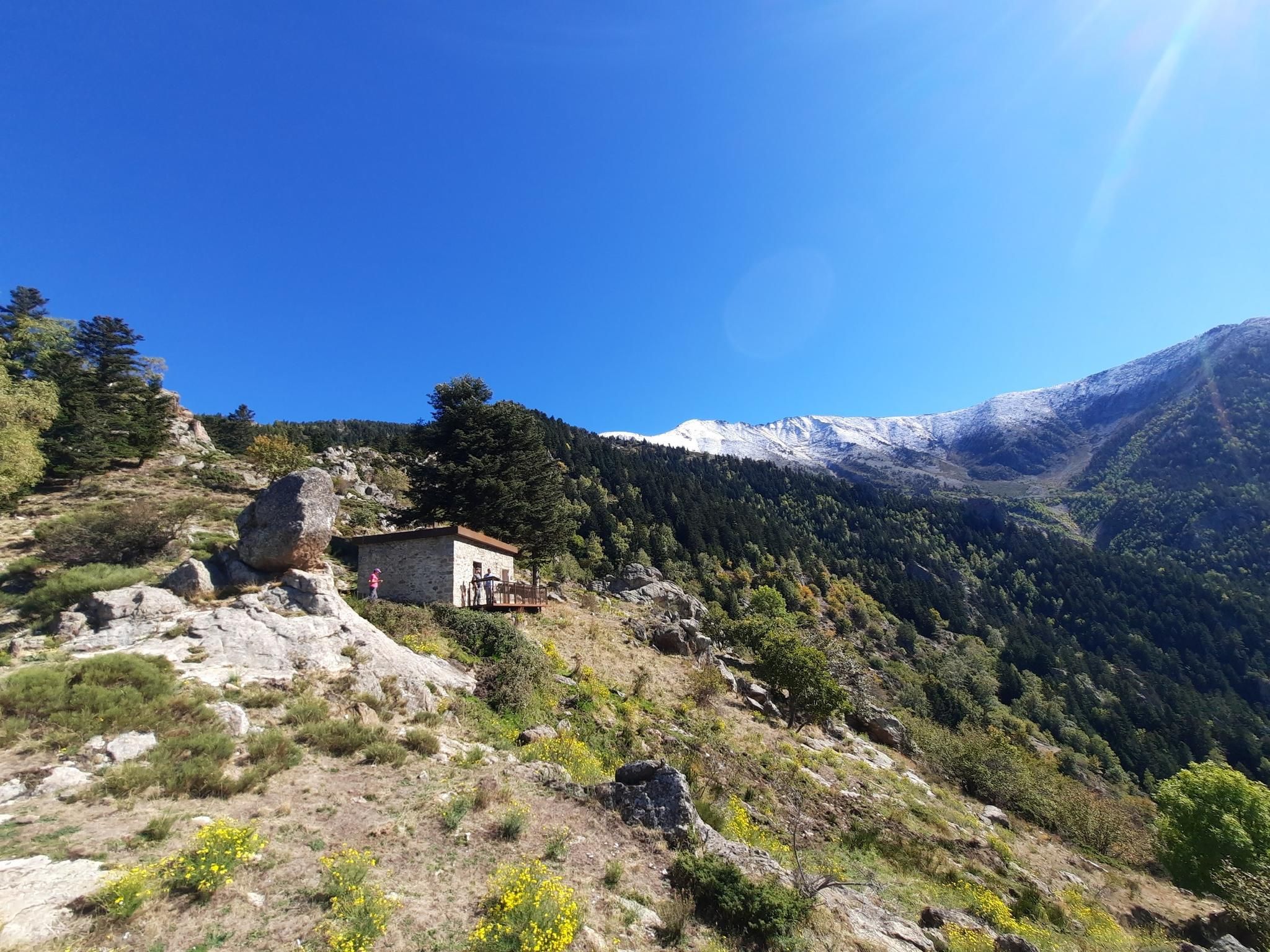
The Crossing of the Pyrenees via the GR 10 — Eastern Pyrenees
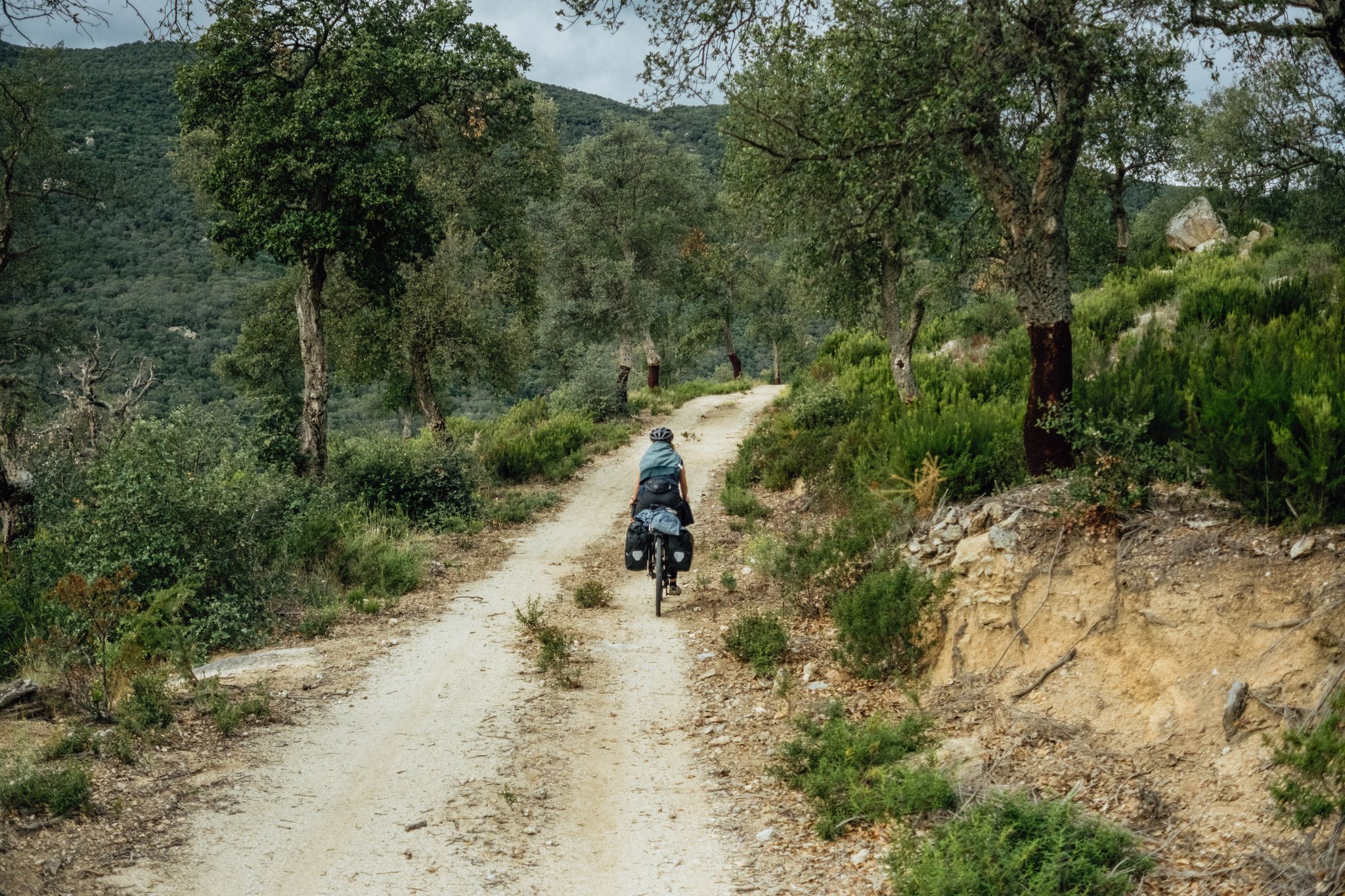
In search of the sun – between the Pyrenees and the Mediterranean
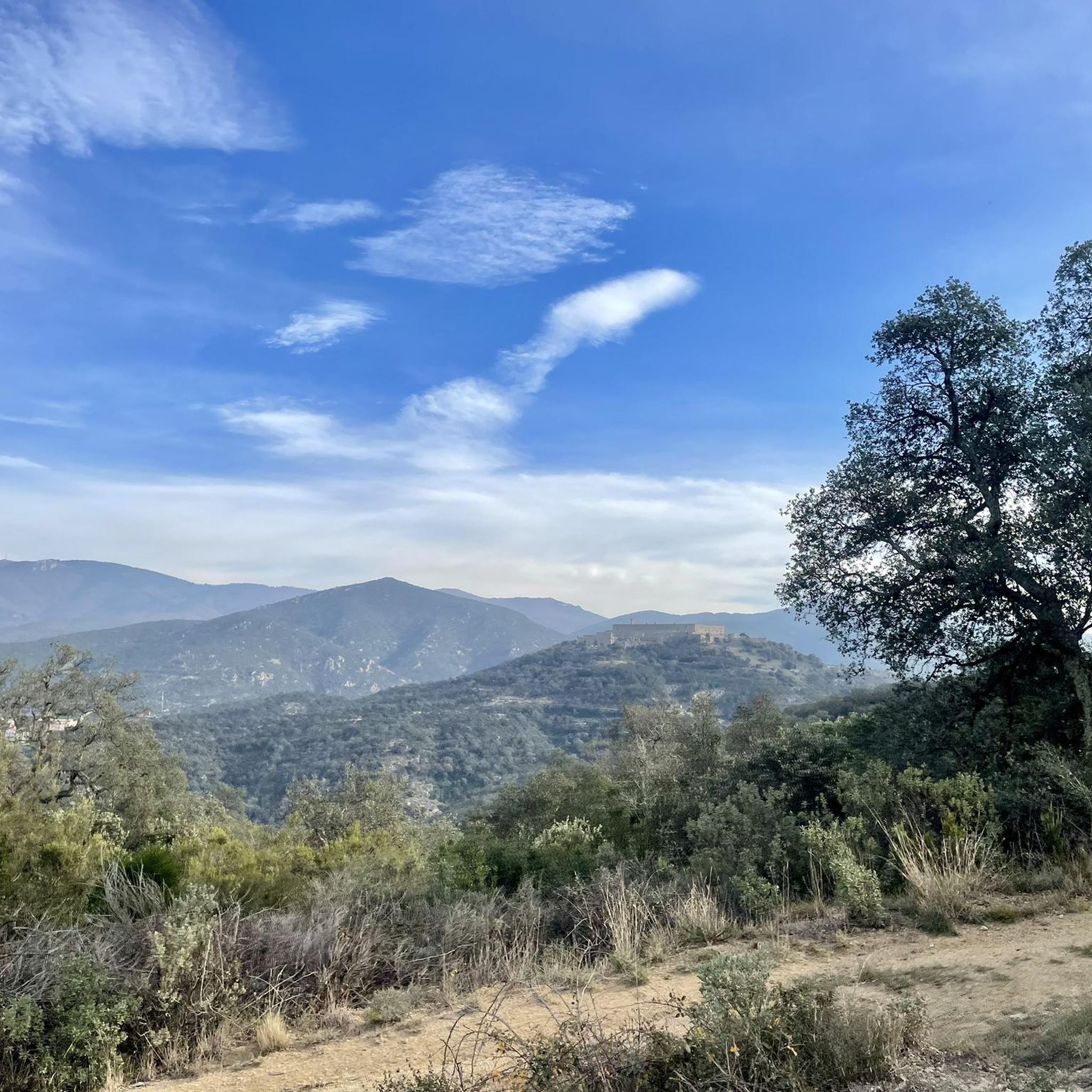
Road Cycling Routes around Maureillas-Las-Illas
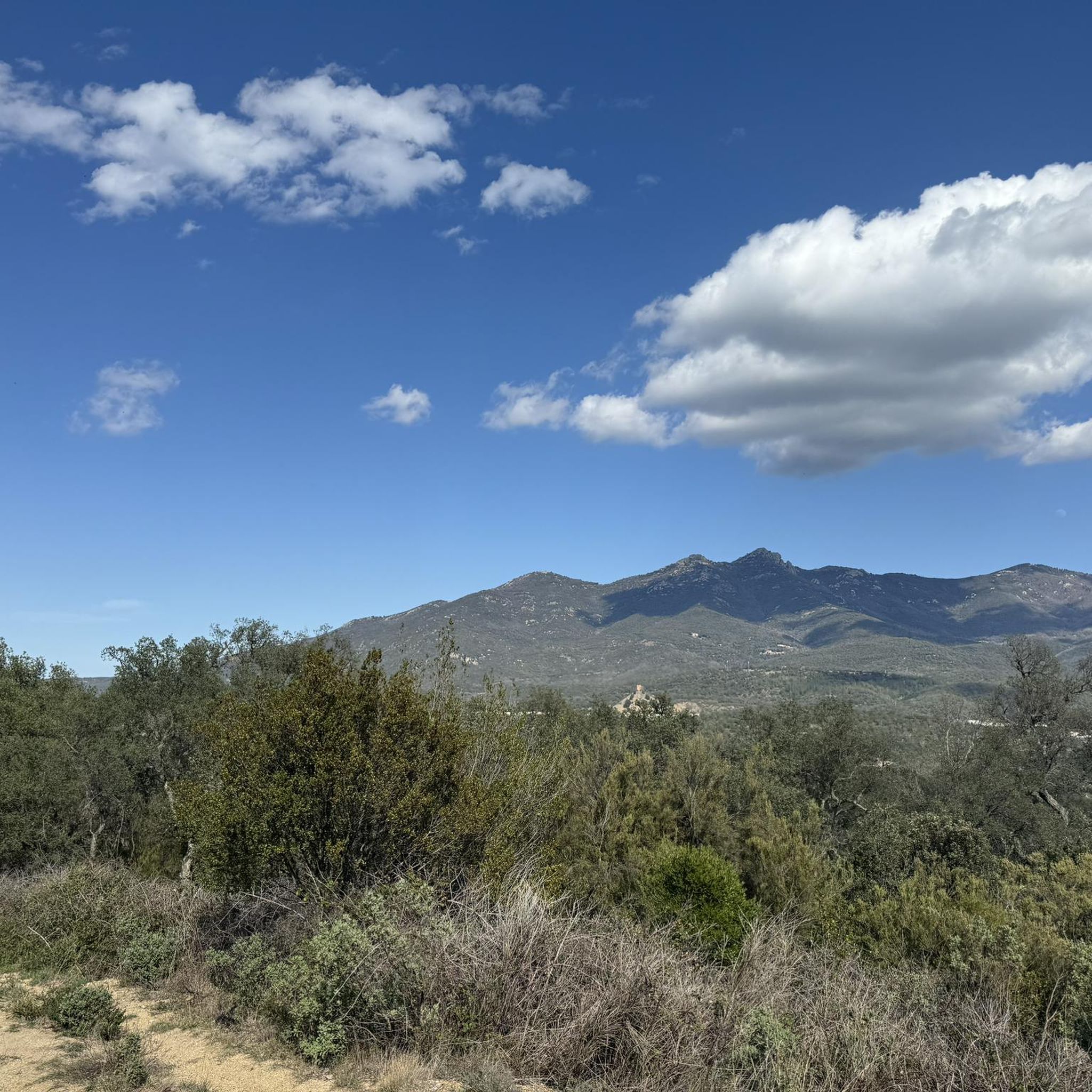
Hiking around Maureillas-Las-Illas
Cycling around Maureillas-Las-Illas
MTB Trails around Maureillas-Las-Illas
Running Trails around Maureillas-Las-Illas
Gravel biking around Maureillas-Las-Illas


Tips from the Community

Cantallops is built around the 11th century Castle and Church of Sant Esteve.
0
0

Requesens Castle is an old fortress in this region of Alt Empordà. It is a medieval building that was built in the 11th and 12th centuries.
13
0

Throughout its history, Fort de Bellegarde was the scene of numerous conflicts and battles, including the wars between France and Spain, as well as the Napoleonic Wars. However, over time and with changes in political and military circumstances, its strategic importance diminished. Today, Fort de Bellegarde is a historic and tourist site. Visitors can explore its imposing walls, towers and passageways, and learn about its fascinating history through exhibits and guided tours. The fortress offers stunning views of the surrounding landscape and remains a tangible reminder of the importance of border defence in European history.
1
0
@Marcus. It's very sad that you resort to editing and cropping photos that were not taken by you and pretending that you had been there in order to get points and become the leader of a region (Ceret).
0
0

Only open on weekends and only with a guided tour: 11:30 Catalan, 12:00 Spanish.
2
0
https://www.youtube.com/watch?v=eBmJM3O0kxk Do you want to take a trip through time? The guided tour of Requesens Castle will transport you to medieval times and, from the top of the hill where it is located, you will contemplate spectacular views of the Albera plain. On the way down, after the visit to the Castle, you can combine the experience with a walk among the vineyards and any of the lunch options we offer at Masia Serra. To enjoy a visit to Requesens Castle, it is essential to combine it with a lunch at Masia Serra, either à la carte or with any of the menus we offer. https://masiaserra.com/experiences-i-emocions/visita-guiada-al-castell-de-requesens/
7
0
Requesens Castle: this 11th century castle, which belonged to the counts of Rosselló, the Empúries and finally the Rocabertís, Viscounts of Peralada, was, like many others, in ruins in the 19th century. It consisted of three walled enclosures, each subdivided into two (see plan). At the end of the 19th century, the counts of Peralada, the brothers Tomàs and Adelaida de Rocabertí, rebuilt it, creating an immense building that respects its medieval appearance. As there is a monographic book about this castle, of which I am the author, I refer to this the accurate description of this complicated architectural ensemble. In the valley of Requesens, above the castle, a large rock juts out flanked by swords, it is known as "Roc de l'Atalaiador" and, although we have not found any remains, it is very likely that a tower was erected or bastida, the XI-XII centuries, related to the defense of the castle https://www.youtube.com/watch?v=JPROZhhC_nc
7
0
You can only visit it on foot or by Jeep, they do not allow entry with your bicycle. The visit costs 5e on foot and 16 by Jeep and the duration is 1 hour and 1.39 minutes by vehicle since they take you down to the water tank of the fortress and you have a guide who explains it to you. It is currently military property
3
0
Frequently Asked Questions
What kind of historical sites can I expect to find around Maureillas-Las-Illas?
The region around Maureillas-Las-Illas is rich in historical significance, particularly with border fortresses, medieval ruins, and rebuilt châteaux. You'll find sites like Fort de Bellegarde, a strategic military fortification, and the ancient Panissars Ruins, which include vestiges of an old priory and the Trophy of Pompey.
Are there any well-preserved castles or châteaux to visit in the immediate Maureillas-Las-Illas commune?
While the commune of Maureillas-Las-Illas has historical connections to castles like the Casteil of Maureillas and the Château de Las Illas, specific details regarding their current condition or public accessibility are not widely available. Many historical castles in the region exist as ruins, private residences, or have been integrated into modern structures. For prominent, publicly accessible castles, you'll generally look to sites slightly further afield, such as Montesquieu Castle or Castell de Requesens.
What are some of the most popular castles to visit near Maureillas-Las-Illas?
Visitors frequently enjoy Fort de Bellegarde, known for its strategic location and views. Another popular choice is Montesquieu Castle, first mentioned in 1080, which features an imposing keep. Castell de Requesens, an 11th-century fortress rebuilt in the 19th century, is also highly appreciated.
Can I find hiking trails near these castles?
Yes, the region offers numerous hiking opportunities. For example, you can explore trails like the 'Puig de les Salines (Salines Peak) – Pou de la Neu Pass loop' or the 'Cork Oak Trees – Siureda Dolmen loop'. You can find more details and routes in the Hiking around Maureillas-Las-Illas guide.
Are there any castles with good viewpoints or natural features nearby?
Absolutely. Fort de Bellegarde offers fantastic views of the borderland between France and Spain. Montesquieu Castle provides a great view of the surrounding plains. Additionally, the Laroque-des-Albères Castle Tower offers a beautiful all-round panorama over the roofs of the old houses and the Albères mountains.
What is the best time of year to visit the castles around Maureillas-Las-Illas?
The region benefits from a Mediterranean climate. Spring and autumn generally offer pleasant temperatures for exploring historical sites and engaging in outdoor activities without the intense heat of summer. These seasons also tend to be less crowded.
Are there family-friendly castles or activities suitable for children?
While specific 'family-friendly' designations aren't always available for historical ruins, castles like Fort de Bellegarde and Castell de Requesens can be engaging for families interested in history and exploration. The surrounding areas often have walking paths that are suitable for various ages, though some terrain can be intermediate in difficulty.
Can I bring my dog to the castles or nearby trails?
Many outdoor trails in the region are dog-friendly, especially those in natural areas. However, access policies for specific castle interiors or historical sites can vary. It's always best to check directly with the site management for their current pet policies before visiting. For general hiking, you'll find many suitable routes in the Hiking around Maureillas-Las-Illas guide.
What kind of cycling routes are available near the castles?
The area offers diverse cycling options. You can find gravel biking routes like the 'Darnius-Boadella Reservoir loop' or road cycling routes such as 'The climb of Puig Neulós'. More details are available in the Gravel biking around Maureillas-Las-Illas guide and the Road Cycling Routes around Maureillas-Las-Illas guide.
What do visitors particularly enjoy about the castles and historical sites in this region?
Visitors frequently highlight the strategic importance and impressive architecture of sites like Fort de Bellegarde, often noting the fantastic views. The historical depth of places like Castell de Requesens and the ancient Panissars Ruins also captivates those interested in the region's past as a contested borderland.
Are there any less crowded or 'hidden gem' castles to explore?
While the main highlights are popular for good reason, exploring the smaller, less prominent ruins or integrated historical structures within villages like Maureillas-Las-Illas itself can offer a unique, quieter experience. These sites may require local inquiry to fully appreciate their historical context, as they are often not fully preserved tourist attractions.
What should I wear when visiting castles in the Maureillas-Las-Illas region?
Given that many castles are ruins or involve walking on uneven terrain, comfortable walking shoes are highly recommended. Layers of clothing are advisable, especially during spring and autumn, as weather can change. A hat and sunscreen are good for sunny days, and a light jacket can be useful for cooler mornings or evenings.
Most popular routes around Maureillas-Las-Illas
Most popular attractions around Maureillas-Las-Illas

Get inspired with the komoot mobile app


Explore more
Looking for the best castles somewhere else? Discover other guides around Maureillas-Las-Illas:
