The best walks and hikes around Gironville-Sur-Essonne
4.7
(435)
2,785
hikers
129
hikes
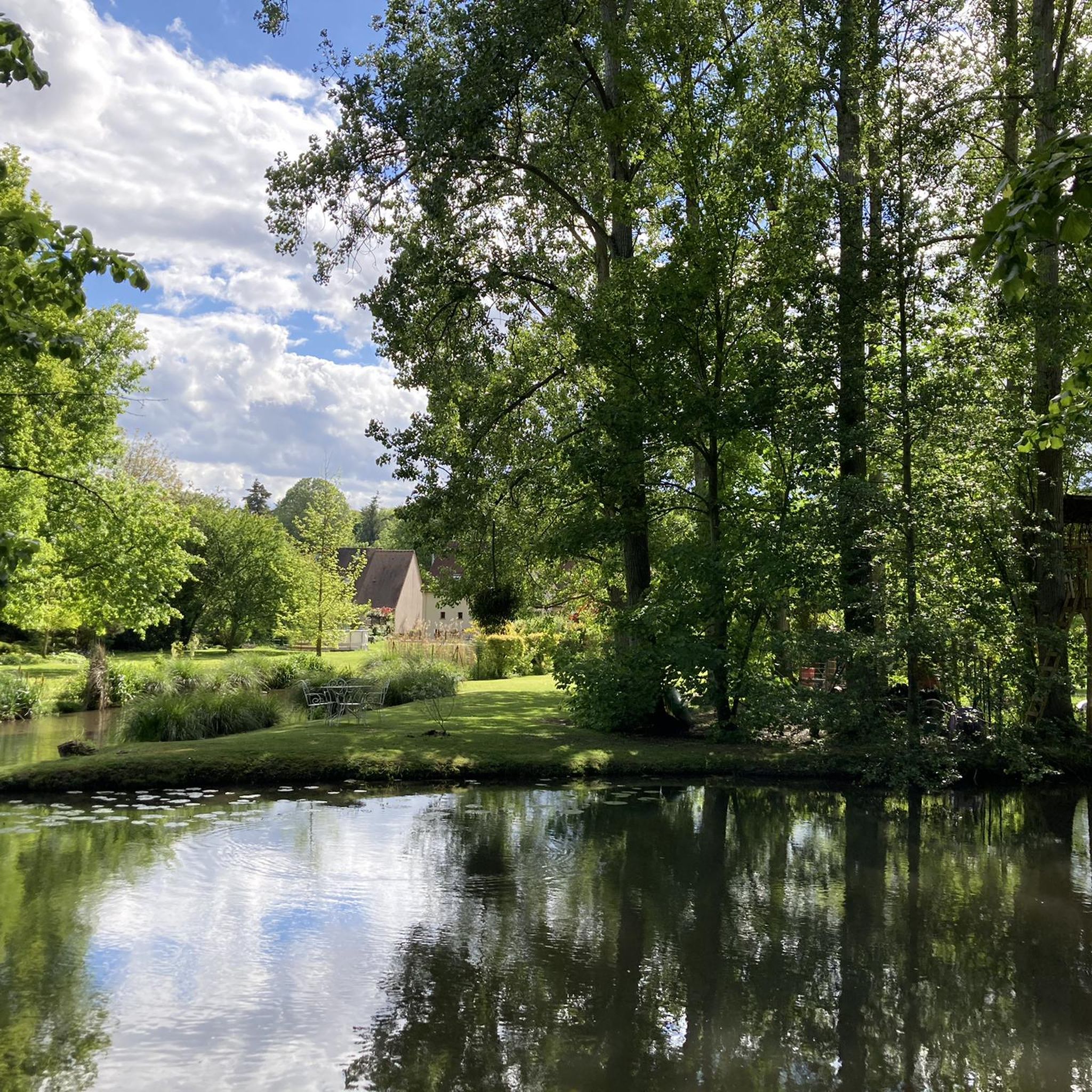
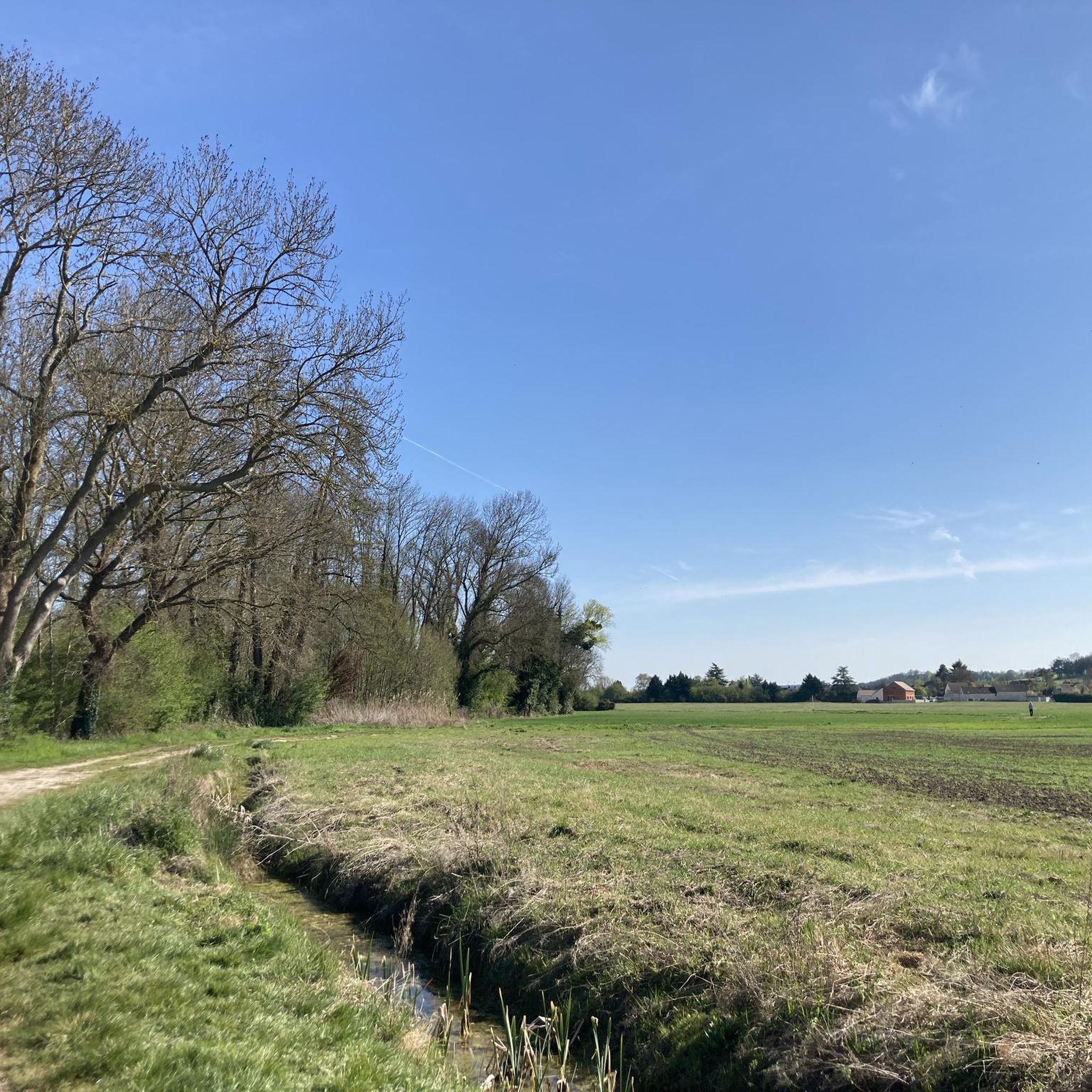
Hiking around Gironville-Sur-Essonne offers diverse landscapes within the Parc Naturel Régional du Gâtinais Français. The region is characterized by the Essonne River and its tributaries, creating picturesque riverside paths. Hikers can explore varied terrain, including expansive plateaus, deep valleys, and alternating woods and forests, often featuring sandstone outcrops and sandy areas reminiscent of Fontainebleau Forest. This geological diversity, alongside limestone grasslands and wetlands, supports a rich biodiversity and provides a range of hiking experiences.
Best hiking trails around Gironville-Sur-Essonne
- The…
Last updated: July 4, 2026
4.9
(7)
46
hikers
18.1km
04:47
150m
150m
Hard hike. Good fitness required. Sure-footedness, sturdy shoes and alpine experience required.
3.0
(1)
5
hikers
Moderate hike. Good fitness required. Easily-accessible paths. Suitable for all skill levels.

Sign up for free
4.0
(2)
5
hikers
17.0km
04:28
140m
140m
Moderate hike. Good fitness required. Easily-accessible paths. Suitable for all skill levels.
4.0
(1)
8
hikers
7.84km
02:01
30m
30m
Moderate hike. Good fitness required. Easily-accessible paths. Suitable for all skill levels.
2.0
(1)
6
hikers
7.96km
02:02
30m
30m
Moderate hike. Good fitness required. Easily-accessible paths. Suitable for all skill levels.
Get access to more routes and recommendations from other explorers.
Sign up for free
Already have an account?
Our route recommendations are based on thousands of hikes, rides, and runs completed by other people on komoot.
Start today with a free account
Your next adventure awaits.
Login or Signup


Tips from the Community


The cyclops visit is not free, 12 euros entry but it lasts 45 minutes and is very interesting. Limit of 25 people at a time. Please note that photos inside are prohibited. I recommend the first visit at 10:30 a.m. (less crowded)
2
0

The trail moves on to the main essentials The hall In 1479, by a special grace from Louis The North-South facing Hall, 46 m long, 16 m wide and 13 m high, covers a total surface area of 730 m2. 48 oak pillars, resting on “dice”-cut stone bases, support a chestnut frame typical of Ile-de-France at that time; this frame presents to the north (on the rue Langlois side) a “pavilion” farm. Today, La Halle is still the site of a market on Thursday afternoons. The square, the houses gathered all around, bear witness to the great commercial activity which already reigned in the region 500 years ago. La Halle has been classified as a Historic Monument since 1923. Bonde Castle is located near the town center of Milly-la-Forêt, Built near an artificial island in the l'École river to the west of the Notre-Dame collegiate church, its park is bordered to the west by the course of the river which forms a moat to the north protecting the châtelet. History Built in the 12th century by the lords of Milly, the castle was ruined during the English siege in 1432. At the end of the 15th century around 1475, owned by Admiral Louis Malet de Graville, it was rebuilt and enlarged. What was then the keep became the entrance gatehouse, the drawbridge was replaced by a permanent stone bridge and a gate closed access between the northern defense tower and the governor's house. A square courtyard was surrounded by a wall and had in the center a chapel dedicated to Saint Valentine. The castle was successively the property of Hugues III de Bouville, Olivier V de Clisson, Jean II de Montmorency, Jean-François de Faudoas d'Averton, Marc-Antoine Front de Beaupoil de Saint-Aulaire and Pierre Marie of Lau d’Allemans. In the 19th century, the towers of the chatelet were enhanced with brick battlements and a slender roof. In 1859 the Corne bridge was rebuilt near the castle washhouse which served as a watering trough for the animals. At the end of the 20th century the mills along the river were demolished. In 1964, the Bonde washhouse downstream of the river which was part of the estate was rehabilitated. On December 20, 1972, the castle was partly listed as a historic monument. The park was listed in 1991 for its fences, canals and paths. the house of Jean Cocteau. Entrance to the J. Cocteau house [This 17th century residence, flanked by turrets, was formerly called the Governor's House. It corresponds to an old outbuilding of the castle in front of which the vassals came to pay homage and faith to their lord. Jean Cocteau bought this house with Jean Marais in 1947 and lived there until his death. Notre-Dame de l’Assomption Church Founded in the 11th century, the former chapel of the castle, it was rebuilt around 1485 on the orders of Admiral de Graville in the Gothic style of the 13th and 14th centuries. The bell tower, 57 meters high, dates from the 11th century in its lower part and from the 12th and 13th centuries in its upper part. The arch of the main portal in the primitive Romanesque style comes from an old church in Milly (Saint-Pierre or Saint-Jacques). On the east side of the bell tower - Place Grammont side - the arms of Admiral de Graville are still visible. Many works of sacred art are found inside the church. The church was listed as a Historic Monument in 1926. The dovecote; Located on the old triangular square of the dovecote cul de sac, this old building was part of the Domaine du Moustier, property of Fulbert I, lord of Milly and officer at the court of Dagobert I in the 7th century. Destroyed in 1432 or 1433, the complex included a vast farm. According to a count in 1792 it had around 1200 niches. Only the lords held the right to build these premises designed for breeding. The Moustier de Péronne gate is one of the oldest vestiges of Milly and dates from the 7th century. It provided access to the moustier (monastery in old French) owned by Fulbert I, who obtained the land of Milly from Dagobert I. His son Wulfran was born there around the year 635. Entering religion, he became the apostle of the frieze (Netherlands), then bishop of Sens before retiring to Saint Wandrille where he died in 720.
1
0

Miily-la-Forêt is a charming country town, in the heart of Gatinais. Ideal as a base from which to visit the forest of Fontainebleau and its famous rocks!
2
0

This sculpture, made of concrete and iron, represents the fantastic creature from Greek mythology which gave its name to the work. 22.5 meters high, the sculpture is a project by artists Jean Tinguely and Niki de Saint Phalle, carried out between 1969 and 1994. On site, you can also discover two other works: the Face of Mirrors and the Tribute to the Deportees. Visiting all the monuments is completely free.
0
1

Charming little washhouse in the center of Milly-la-Forêt which was still in use until the 1960s!
0
0

Magnificent gigantic and very playful sculpture
0
0

Frequently Asked Questions
How many hiking trails are available around Gironville-sur-Essonne?
There are over 100 hiking routes in the Gironville-sur-Essonne area, catering to various skill levels. You'll find a mix of easy strolls, moderate paths, and more challenging expeditions through the diverse landscapes of the Parc Naturel Régional du Gâtinais Français.
Are there any easy or beginner-friendly hiking trails in the region?
Yes, Gironville-sur-Essonne offers a good selection of easy trails suitable for beginners or those looking for a relaxed walk. For example, the Valpuiseaux loop from Valpuiseaux is an easy 4.3 km route that takes just over an hour to complete, perfect for a gentle introduction to the area's natural beauty.
What kind of landscapes can I expect to see while hiking near Gironville-sur-Essonne?
The region is known for its varied terrain within the Parc Naturel Régional du Gâtinais Français. You'll encounter picturesque riverside paths along the Essonne River, expansive plateaus, deep valleys, and alternating woods and forests. Many areas feature sandstone outcrops and sandy sections, reminiscent of the nearby Fontainebleau Forest, alongside limestone grasslands and wetlands, all contributing to a rich biodiversity.
Are there any circular hiking routes available?
Yes, many trails in the area are circular, allowing you to start and end at the same point. A popular moderate circular route is the Puiselet-le-Marais loop from Mespuits, which covers 13.1 km through rural landscapes and woodlands. Another option is the Church of Courances loop from Boigneville, a 12.6 km trail through forests and past historical sites.
What interesting landmarks or attractions can I discover along the hiking trails?
Hiking trails often lead past historical and natural points of interest. You might discover ancient mills along the Essonne River, or unique geological formations. Notable attractions in the wider area include the village of Milly-la-Forêt, the impressive sculpture The Cyclop, and the historic Domaine de Courances. The region also features natural monuments like Les sables du Cul de Chien.
Is Gironville-sur-Essonne a good place for family-friendly walks?
Absolutely. The diverse network of trails includes many options suitable for families. The presence of easy and moderate routes, often through woodlands or along the river, provides pleasant and accessible experiences for all ages. Look for shorter, less challenging loops to enjoy with children.
Can I bring my dog on the hiking trails?
Many trails in the Parc Naturel Régional du Gâtinais Français are dog-friendly, especially those through forests and open countryside. However, it's always advisable to keep your dog on a leash, particularly in sensitive natural areas or when passing through agricultural land, to protect wildlife and livestock.
What do other hikers enjoy most about the trails in Gironville-sur-Essonne?
The trails around Gironville-sur-Essonne are highly rated by the komoot community, with an average score of 4.8 stars from over 300 reviews. Hikers frequently praise the region's diverse landscapes, from serene river valleys to unique forest ecosystems and geological features, as well as the well-maintained network of paths suitable for various ability levels.
Are there any long-distance hiking routes (GR routes) in the area?
Yes, Gironville-sur-Essonne is situated within the Gâtinais Français Regional Natural Park, which is traversed by sections of several long-distance GR routes, including the GR1, GR32, and GR111. These offer opportunities for extended hikes and multi-day adventures through the region's varied landscapes.
What is the best season for hiking in Gironville-sur-Essonne?
The region offers enjoyable hiking experiences throughout the year. Spring brings blooming wildflowers and lush greenery, while autumn showcases vibrant fall foliage in the extensive woodlands. Summer is ideal for shaded forest walks, and even winter can be beautiful, especially after a light snowfall, with many routes remaining accessible.
Is public transport available to access hiking trailheads?
While some trailheads might be accessible via local bus services, public transport options can be limited in rural areas like Gironville-sur-Essonne. It's recommended to check local bus schedules in advance or consider driving to trail starting points, where parking is often available.
Are there any challenging hiking routes for experienced hikers?
Yes, for experienced hikers seeking a challenge, the area offers more demanding routes. For instance, The Cyclop – Milly-la-Forêt Village Center loop from Maisse is an 18.4 km trail with significant elevation changes, taking nearly 5 hours to complete. Another difficult option is the Carrière bois du chesney loop from Les Audigers, an 8.8 km route with varied terrain.
Most popular routes around Gironville-Sur-Essonne
Most popular attractions around Gironville-Sur-Essonne

Get inspired with the komoot mobile app


Explore more
Browse the best Hikes in other regions.
