Attractions and Places To See around Bouray-Sur-Juine - Top 20
Best attractions and places to see around Bouray-Sur-Juine include a variety of historical sites, cultural landmarks, and natural features. Located in the Essonne department of France, the village is situated within the Parc Naturel Régional du Gâtinais Français and extends along the Juine river valley. This area offers diverse landscapes, including wetlands, forests, and agricultural fields, providing opportunities for exploration. The region's rich history is reflected in its ancient architecture and cultural sites.
Best attractions and places to see around…
Last updated: July 2, 2026
Saint-Sulpice Church of Saint-Sulpice-de-Favières
Highlight • Religious Site
Translated by Google •
Tip by

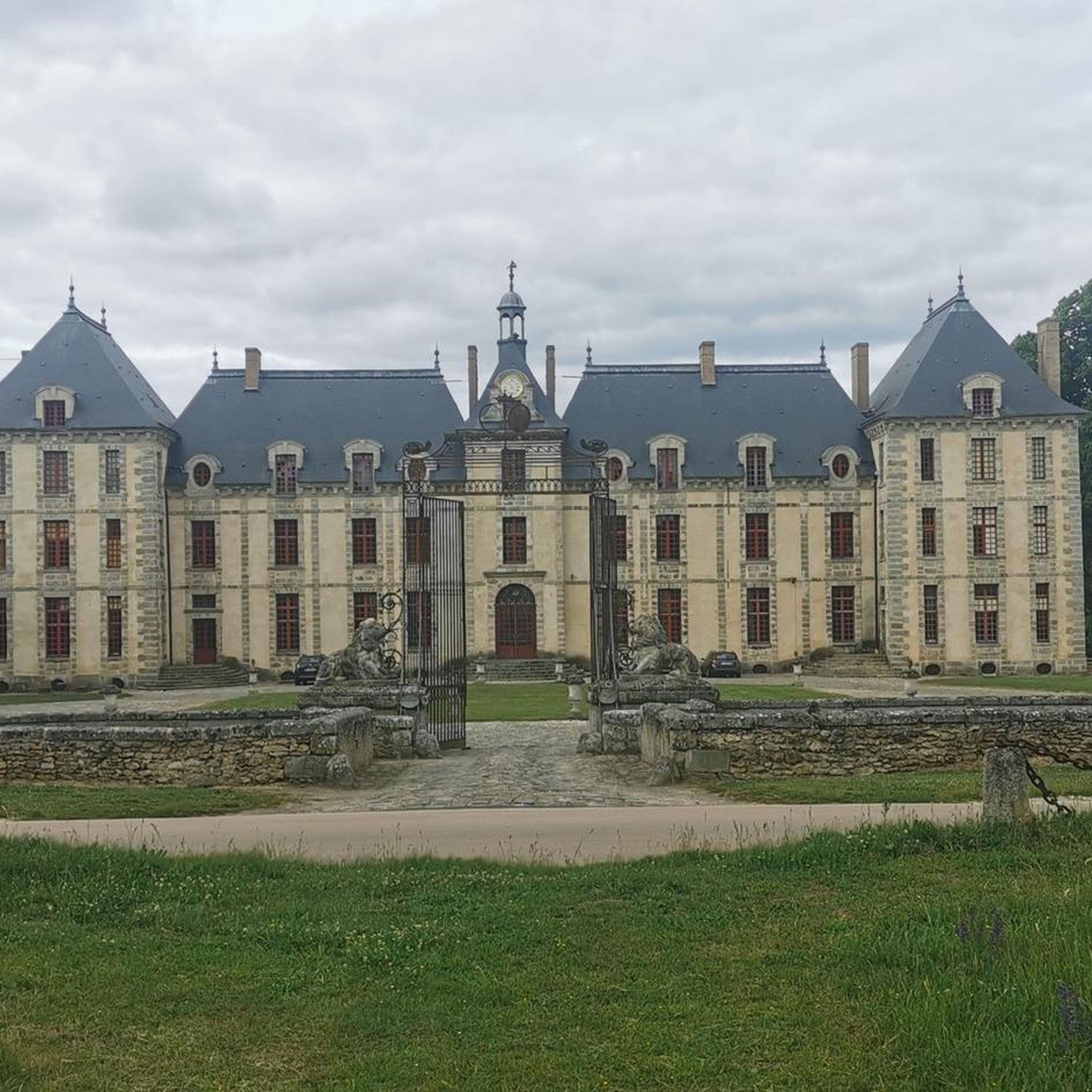
Château du Mesnil-Voisin
Highlight • Castle
Translated by Google •
Tip by

Sign up now to discover places like this
Get recommendations on the best single tracks, peaks, & plenty of other exciting outdoor places.
Sign up for free
Obelisk of Saint-Vrain
Highlight • Monument
Translated by Google •
Tip by

Sequoia Avenue at Villeroy Park
Highlight (Segment) • Natural Monument
A little history: the Mennecy sequoia avenue was planted in Villeroy park in 1887 at the request of the Darblay family, owner of …
Translated by Google •
Tip by

Trévoix Pond
Highlight • Lake
Translated by Google •
Tip by

Sign up for free to discover even more attractions around Bouray-Sur-Juine.
Sign up for free
Already have an account?
Start today with a free account
Your next adventure awaits.
Login or Signup

Tips from the Community

Late afternoon bike ride: Magnificent track and path...in dry weather.
0
0

very beautiful church
0
0
very beautiful village
0
0

The whole village is well worth a visit, there is also a very good restaurant.
0
0
Castle closed to the public, but it is bordered by a shared road limited to 30 km/h which is very pleasant.
0
0

Driving through the idyllic French countryside, you’ll come across the magnificent Château du Mesnil-Voysin. This impressive 18th-century château, surrounded by lush gardens and a serene moat, offers a glimpse into the opulent lifestyle of the French aristocracy. You can explore the beautifully preserved interior, admire the intricate architectural details, and stroll through the peaceful grounds.
0
0

The Saint-Sulpice church in Favières, located in a charming village in Essonne, is a jewel of Gothic architecture. Known for its impressive dimensions and elegance, this church is distinguished by its luminous choir and remarkable stained glass windows. Visitors can admire the richness of its historical heritage while enjoying the calm and beauty of the place.
0
0

At the end of the 12th century, the estate was allegedly owned by a knight Gautier, "lord of Mesnil", and a liege man of King Philippe Auguste. In the 15th century, the property passed into the hands of the Karnazet family, who passed it down through several generations, until 1455, when Jean de Vaillant took over the reins of the estate. The Mesnil chapel was commissioned by Renée Sabathier, wife of Guillaume Hérouard, secretary of the King's chamber, in 1611. She was buried there in 1616.
0
0
Frequently Asked Questions
What historical sites can I explore in Bouray-sur-Juine?
Bouray-sur-Juine is rich in history. You can visit the 12th-century Saint-Sulpice Church of Saint-Sulpice-de-Favières, which is inscribed in the supplementary inventory of Historic Monuments. Other notable sites include the historical Lavoir (wash house), communal wells, and the Montholon-Sémonville Family Cemetery. Don't miss the Château du Mesnil-Voisin, an impressive landmark currently undergoing restoration.
Are there opportunities for hiking or cycling near Bouray-sur-Juine?
Yes, Bouray-sur-Juine is located within the Parc Naturel Régional du Gâtinais Français, offering excellent opportunities for outdoor activities. There are 28 km of marked trails for hiking and cycling. You can find various routes, including a moderate 10 km hike around the Marais d'Itteville or a more challenging 19 km route that includes the Rocher Mignot. For cycling, options range from easy 19 km loops to more difficult 54 km rides around the Château du Mesnil-Voisin. Explore more options on the Hiking around Bouray-sur-Juine and Cycling around Bouray-sur-Juine guide pages.
What natural attractions can I find in the area?
The region boasts diverse natural beauty. The Valley of the Juine River features wetlands, weeping willows, and poplars, with restored banks perfect for walks. You can also visit the Parc de la Tourbière, a rehabilitated peat bog with an aquatic garden. A unique natural monument is the Sequoia Avenue at Villeroy Park, the second-longest avenue of giant sequoias in Europe.
Is there a museum in Bouray-sur-Juine that showcases local heritage?
Yes, the Musée "À la rencontre des vieux métiers" (Museum "Meeting Old Trades") is located in a former communal school. It features thousands of objects from the 18th and 19th centuries, illustrating the life and trades of yesteryear. You can see a reconstructed old classroom, a grocery store, a family home, and workshops of a blacksmith, locksmith, and master weaver.
Where can I find a peaceful spot for a walk by the water?
For a tranquil experience by the water, head to Trévoix Pond, a large body of calm water with a surrounding cycle path. The restored banks of the Juine River also offer pleasant walks through diverse landscapes including wetlands and weeping willows. Additionally, the Parc de la Tourbière features a body of water and an aquatic garden, perfect for a relaxing stroll.
What is the Grotte Ornée and can I visit it?
The Grotte Ornée, also known as "Petit Boinveau," is a remarkable prehistoric cave in the Gommier valley. It features ancient cave paintings, including depictions of fish, indicating human occupation during Protohistory. Inscribed as a historic monument since 1979, it is accessible via a marked hiking trail, offering a glimpse into the region's ancient past.
Are there any family-friendly attractions around Bouray-sur-Juine?
Many attractions in the area are suitable for families. Natural sites like the Sequoia Avenue at Villeroy Park and Trévoix Pond offer pleasant walks and cycling opportunities. Historical sites such as the Saint-Sulpice Church and the Château du Mesnil-Voisin can also be engaging for older children interested in history. The Musée "À la rencontre des vieux métiers" provides an interactive look at past trades and daily life.
What do visitors particularly enjoy about the attractions near Bouray-sur-Juine?
Visitors frequently praise the beauty and historical significance of the sites. The Saint-Sulpice Church is often described as a magnificent jewel and a great starting point for forest walks. The Château du Mesnil-Voisin is appreciated for its impressive architecture and gardens. Peaceful natural spots like Trévoix Pond are enjoyed for their calm and restful environment, ideal for walks and cycling.
Can I see any unique monuments or obelisks in the region?
Yes, you can visit the Obelisk of Saint-Vrain. Erected in 1750 by Louis Duval de l’Epinoy, the Marquis of Saint-Vrain, this monument serves as a memorial to the work of Cassini, who developed a system of measurements for creating the geodesic map of France. It's a significant historical marker in the area.
Are there any specific trails or routes recommended for exploring the natural park?
Within the Parc Naturel Régional du Gâtinais Français, you can find numerous marked trails. For a moderate hike, consider the "Marais d'Itteville loop from Bouray-sur-Juine," which is about 10 km. If you're looking for a longer cycling adventure, the "Lardy Park – Château du Mesnil-Voisin loop from Lardy" covers approximately 54 km. These routes allow you to experience the diverse landscapes of the park, including forests, wetlands, and agricultural fields. More detailed routes are available on the Hiking around Bouray-sur-Juine and Cycling around Bouray-sur-Juine guide pages.
What is the Pont Cornuel and its historical significance?
The Pont Cornuel, also known as Pont de Cochet, is a historic bridge constructed in the late 17th century. It stands as a symbol of the engineering capabilities of its era and is part of the cultural heritage of Bouray-sur-Juine, offering a glimpse into the region's past infrastructure.
Most popular routes around Bouray-Sur-Juine
Most popular attractions around Bouray-Sur-Juine

Get inspired with the komoot mobile app


Explore more
Still not found the Highlight you’re looking for? See guides of the top attractions in other regions:
